Quick answer: Tennessee young adults ages 17 to 25 have real power to shape how state money gets spent on homeless youth services. By joining a local Youth Action Board (YAAB), testifying at legislative hearings, submitting public comment during Continuum of Care planning cycles, building relationships with state legislators, and organizing peer networks, you can move dollars toward the housing, mental health, and employment programs that actually work. This guide breaks down seven concrete strategies — with specific Tennessee agencies, budget timelines, and advocacy tools — so you know exactly where to show up and what to say.
Why the State Budget Is the Most Important Room You're Not In Yet

Every year, Tennessee’s state government decides how many millions of dollars go toward housing, shelter, mental health, and employment services for young adults experiencing homelessness. Those decisions happen in committee rooms in Nashville — and most young people never know the meetings are happening. Understanding how the budget process works is the first step to changing what comes out of it.
How Tennessee Funds Homeless Youth Services
Tennessee’s funding for homeless youth services flows from three main sources: the state General Fund (appropriated each spring by the Tennessee General Assembly), federal grants administered by the Tennessee Department of Human Services (TDHS) and the Tennessee Housing Development Agency (THDA), and local Continuum of Care (CoC) allocations from the U.S. Department of Housing and Urban Development (HUD). In fiscal year 2024, HUD awarded Tennessee CoCs approximately $28 million in Continuum of Care program grants statewide — money that pays for rapid rehousing, transitional housing, and street outreach that directly serves transition-age youth (TAY).
The state General Fund adds another layer. Line items inside TDHS and the Department of Children’s Services (DCS) budgets determine how many case managers get hired, which youth shelters stay open, and whether Transitional Living Programs receive enough funding to serve young adults aging out of foster care. When those line items shrink, real beds disappear.
Why Your Voice Specifically Matters
Legislators and agency officials make budget decisions based on the information they receive. Most of the time, that information comes from lobbyists, think tanks, and agency staff — not from the people who actually sleep in shelters or couch-surf across Memphis or Knoxville. Research from the Corporation for Supportive Housing shows that testimony from people with lived experience is among the most persuasive inputs a lawmaker can receive, because it converts abstract line items into human reality.
Tennessee’s YAAB exists precisely to close that gap. When a young adult who has navigated the CoC system in Chattanooga or Jackson explains to a budget subcommittee what a $500,000 cut to rapid rehousing actually looks like on the ground, that testimony carries weight no spreadsheet can match. You are not a statistic — you are an expert.
1. Join or Connect with Your Local YAAB Region

The single most powerful thing a Tennessee young adult can do to influence budget decisions is become an active member of a local Youth Action Board. YAAB chapters sit inside the Continuum of Care governance structure — which means members have a formal seat at the table where funding priorities are set, not just a seat in the audience.
Tennessee's Eight CoC Regions and What They Cover
Tennessee is divided into eight Continuum of Care regions, each with its own YAAB chapter and its own slice of federal and state funding. Knowing which region you’re in is step one:
- TN-500 — Chattanooga / Hamilton County
- TN-501 — Memphis / Shelby County
- TN-502 — Nashville / Davidson County
- TN-503 — Knox County / Knoxville
- TN-504 — Northeast Tennessee
- TN-506 — Upper Cumberland
- TN-507 — Jackson / West Tennessee
- TN-509 — Balance of State (rural and smaller counties)
Each regional YAAB meets regularly, advises the local CoC board, and sends representatives to statewide advocacy events. Your region’s YAAB is your home base for everything in this guide.
What YAAB Members Actually Do
YAAB members aren’t just advisors in name only. Across Tennessee, YAAB members have reviewed CoC funding applications before submission to HUD, presented findings to county commissions, co-designed survey tools measuring youth service gaps, and traveled to Nashville to speak directly with state legislators during budget season. Members receive training in public speaking, policy analysis, and leadership — skills that pay off in every part of life, not just advocacy.
Membership is open to young adults ages 17 to 25 with lived experience of homelessness or housing instability. You don’t need a résumé or a college degree. You need your story and a willingness to show up. To find your local chapter, visit the YAAB local chapters page and connect with the coordinator nearest you.
2. Understand the Tennessee Budget Calendar — and Show Up at the Right Moments

Advocacy without timing is like showing up to a concert after the last song. Tennessee’s budget process has predictable windows when young adult voices can actually change outcomes — and predictable moments when the decisions are already locked in. Knowing the difference is half the battle.
The Annual Budget Cycle at a Glance
Tennessee operates on a fiscal year that runs July 1 through June 30. The Governor’s proposed budget is typically released in late January or early February, immediately after the General Assembly convenes. From February through April, the House and Senate Finance Committees hold hearings where agency heads defend their budget requests — and where advocates can submit testimony. The final budget is usually signed into law by late April or May.
That means the advocacy window is roughly 12 weeks long each year. Missing February and March means missing the moment when amendments are still possible. Mark those months in your calendar now, regardless of what year you’re reading this.
Federal CoC Funding: A Separate but Parallel Timeline
HUD’s CoC program runs on a different clock. Each fall — typically September through November — HUD releases a Notice of Funding Opportunity (NOFO) for CoC grants. Local CoCs then spend several months assembling their applications, ranking projects, and submitting to HUD by the deadline (usually January). YAAB members who participate in the local CoC’s project ranking process directly influence which youth programs get funded and at what level.
Ask your local CoC coordinator when their ranking meetings happen. Showing up to those meetings — even as an observer at first — teaches you how funding decisions actually get made and puts your face in the room with the people who make them.
3. Testify at Legislative Hearings — Here's Exactly How

Showing up in person to a legislative hearing — or submitting written testimony — is one of the most direct ways a young adult can influence a state budget line item. Tennessee legislators are required to hold public hearings, and those hearings are genuinely open to you. Here’s how to make the most of them.
Which Committees to Target
Not every committee in the Tennessee General Assembly touches homeless youth services. Focus your energy on these key committees:
- House Finance, Ways & Means Committee — controls the overall state budget
- Senate Finance, Ways & Means Committee — Senate counterpart
- House Health Committee — oversees TDHS and behavioral health funding
- Senate Commerce & Labor Committee — covers workforce and employment programs
- Joint Government Operations Committee — reviews how existing programs are performing
Committee schedules are posted on the Tennessee General Assembly website (capitol.tn.gov) at least 48 hours before each meeting. Hearings are open to the public and most allow public comment periods, especially during budget season.
How to Write and Deliver Powerful Testimony
Effective testimony follows a simple structure that works whether you have two minutes or five:
- Who you are — your first name, your region, and that you’re a member of the Tennessee Youth Action Board (or a young adult with lived experience)
- What you’ve seen — one specific, concrete story about how a program helped you or a peer, or what a funding gap looked like in real life
- What you’re asking for — a specific dollar amount, a specific program, or a specific policy change. Vague asks get vague responses.
- Thank them — brief and genuine
Practice your testimony out loud at least three times before the hearing. Keep it under three minutes. Bring a one-page written version to leave with committee staff — they read those summaries when writing their reports.
4. Build Relationships with Your State Legislators Before Budget Season

Budget decisions don’t happen in a vacuum — they happen in relationships. Legislators who have met a young adult from their district, heard their story, and received a clear ask are significantly more likely to champion a budget amendment than legislators who only see a line item on paper. Relationship-building is a year-round strategy, not a last-minute phone call.
Finding and Contacting Your Representatives
Every Tennessee young adult has both a state House representative and a state senator based on their home address — or the address of the shelter or transitional housing program where they’re staying. You can find your legislators in under 60 seconds at capitol.tn.gov/legislators by entering your zip code.
Once you know their names, the most effective first contact is a short, personal email or phone call to their district office — not their Nashville office during session, when staff are overwhelmed. Introduce yourself, mention that you’re a YAAB member or a young adult with housing experience in their district, and ask for a 15-minute meeting. Most legislators will say yes to a constituent who asks politely and specifically.
What to Talk About in a Legislator Meeting
Come prepared with three things: a one-page fact sheet about youth homelessness in your region (YAAB can help you build this), one personal story or example, and one specific ask. Specific asks work. ‘Please support full funding for the Tennessee Homeless Youth Act programs in the TDHS budget’ is actionable. ‘Please help homeless youth’ is not.
Follow up within 48 hours with a thank-you email that restates your ask in writing. Add their contact to your phone. When a relevant bill or budget amendment comes up, you now have a direct line to someone who knows your name — and that changes everything about how your message lands.
5. Use Data and Lived Experience Together — the Most Persuasive Combination

The most persuasive advocates in any policy arena combine hard data with human experience. Data alone reads like a report. Personal story alone can be dismissed as anecdote. Together, they create a case that is both emotionally resonant and intellectually defensible — exactly what moves a budget committee member from ‘interesting’ to ‘I’ll sponsor that amendment.’
Key Tennessee Data Points to Know and Use
Pairing your personal story with verified data makes your advocacy nearly impossible to dismiss. Here are concrete numbers to know:
- Tennessee’s Point-in-Time (PIT) Count — conducted every January — found approximately 8,500 people experiencing homelessness statewide in 2023, with transition-age youth (18–24) representing a significant and often undercounted share.
- Young adults who age out of foster care in Tennessee face a 40–50% risk of experiencing homelessness within two years of leaving care, according to national research by Chapin Hall.
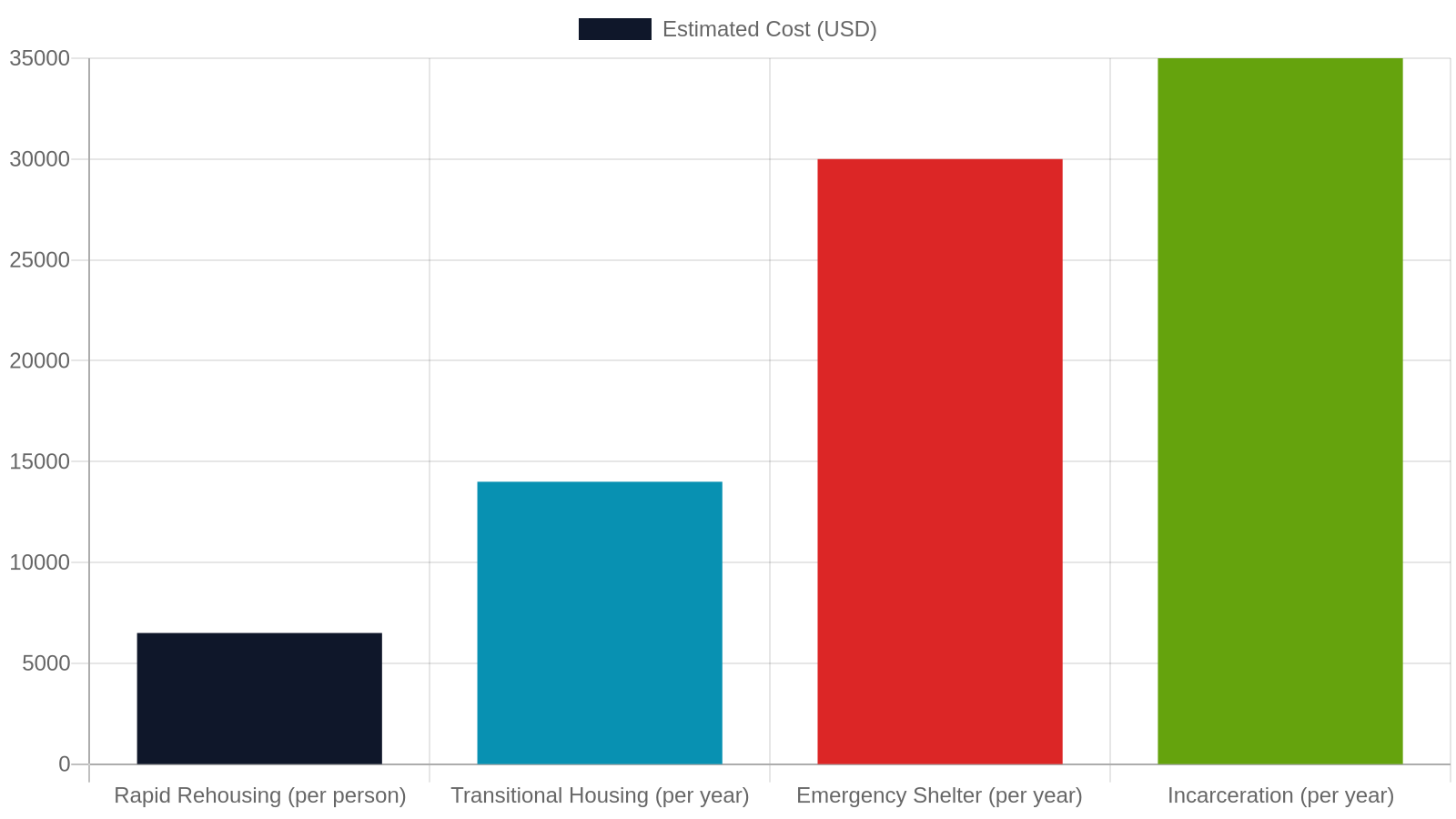
- Rapid rehousing interventions for youth cost an average of $5,000–$8,000 per person — far less than the estimated $30,000+ annual cost of emergency shelter or incarceration.
- Tennessee has approximately 1,200 federally designated transitional housing beds for youth, but demand consistently outpaces supply in Memphis, Nashville, and Knoxville.
Always cite your source when you use a number. It signals credibility and makes it harder for opponents to dismiss your testimony.
How to Tell Your Story Without Losing Your Privacy
You never have to share more than you’re comfortable sharing. Many effective advocates use a ‘composite story’ approach — describing what a peer experienced rather than their own most personal details. You can say ‘I know young people in Memphis who…’ and still deliver a powerful, specific account.
YAAB provides training on trauma-informed storytelling — how to share your experience in a way that centers your strength and expertise rather than your pain. This training also helps you anticipate difficult questions from legislators and respond without feeling put on the spot. Your story is yours to control.
6. Engage the Continuum of Care Governance Process Directly

The Continuum of Care governance process is where federal homeless funding decisions get made at the local level — and it’s one of the most underutilized advocacy channels available to Tennessee young adults. Unlike the state legislature, which meets for a fixed session, CoC boards meet year-round and have ongoing opportunities for youth participation.
What the CoC Board Does and Why It Matters
Each of Tennessee’s eight CoC regions has a governing board that sets local funding priorities, approves project applications to HUD, and writes the local homeless response plan. These boards are required by HUD regulations to include people with lived experience of homelessness — which means there is a legal pathway for young adults to hold voting seats, not just advisory roles.
Ask your local CoC coordinator whether the board has open seats for lived-experience representatives. If they don’t have a formal process, YAAB can help you advocate for one. CoC board meetings are typically public, and agendas are posted in advance. Attending even two or three meetings as an observer will teach you more about how local funding decisions are made than any policy class.
Participating in the Annual CoC Needs Assessment
Every year, CoCs conduct a needs assessment that feeds directly into their HUD application and their local planning priorities. This assessment identifies gaps in services — including gaps specific to transition-age youth. YAAB members across Tennessee have helped design survey questions, conduct peer outreach to hard-to-reach youth, and analyze results.
When you help shape the needs assessment, you are literally writing the document that determines what gets funded next year. That is direct budget influence — not symbolic, not indirect. Ask your CoC when their next needs assessment cycle begins and how you can participate. The answer is almost always ‘yes, we need help with this.’
7. Organize Peer Networks and Coalition Power

Individual advocacy is essential. Coalition advocacy is transformational. When Tennessee young adults from Memphis to Kingsport show up with a unified message, they demonstrate to state leaders that youth homelessness is not a local problem — it’s a statewide priority that demands a statewide budget response.
Why Numbers Move Policy
A single young adult testifying at a budget hearing is powerful. Twenty young adults from five different Tennessee regions showing up to the same hearing — wearing the same YAAB t-shirts, submitting coordinated written testimony, and meeting with legislators before and after — is a political event that gets remembered. Coalition organizing multiplies your individual impact exponentially.
Statewide YAAB coordinates joint advocacy days in Nashville during budget season. These events typically include legislative visits, a press opportunity, and a shared meal — because building relationships with your peers across Tennessee is part of the work. When a Memphis YAAB member and a Knoxville YAAB member walk into a legislator’s office together, they represent a statewide constituency, not just one zip code.
Digital Organizing: Social Media, Petitions, and Public Comment
Not every young adult can travel to Nashville. Digital organizing extends the reach of in-person advocacy significantly. Effective digital tactics include:
- Coordinated social media campaigns tagging legislators during budget season with specific asks and real stories
- Online petitions submitted as part of written public comment to legislative committees
- Email campaigns using YAAB’s action alert system to flood legislative inboxes during key votes
- Live-streaming CoC board meetings so peers who can’t attend in person can watch and engage
Digital actions are most effective when they are specific (name the bill, name the dollar amount, name the legislator) and personal (a form letter is less powerful than a message in your own words, even if it’s just two sentences).
7 Advocacy Strategies Compared: Reach, Effort, and Budget Impact
Use this table to choose your starting point based on your current capacity, comfort level, and goals. All seven strategies are valuable — the best one is the one you'll actually do.
How These 7 Strategies Compare: Reach, Effort, and Impact

Every advocacy strategy has a different time investment, skill requirement, and potential impact on budget outcomes. The table below helps you figure out where to start based on where you are right now — whether you’re brand new to advocacy or already an experienced YAAB member looking to level up.
What Tennessee Has Already Funded — and What's Still Missing

Knowing what has already been won — and what is still missing — helps you focus your advocacy energy where it will have the most impact. Tennessee has made real progress on youth homelessness policy, but the budget gaps are still significant and they affect young adults in every region of the state.
Recent Budget Wins for Youth Homelessness in Tennessee
Advocacy works — and Tennessee has seen real wins in recent years that prove it. Key budget achievements include:
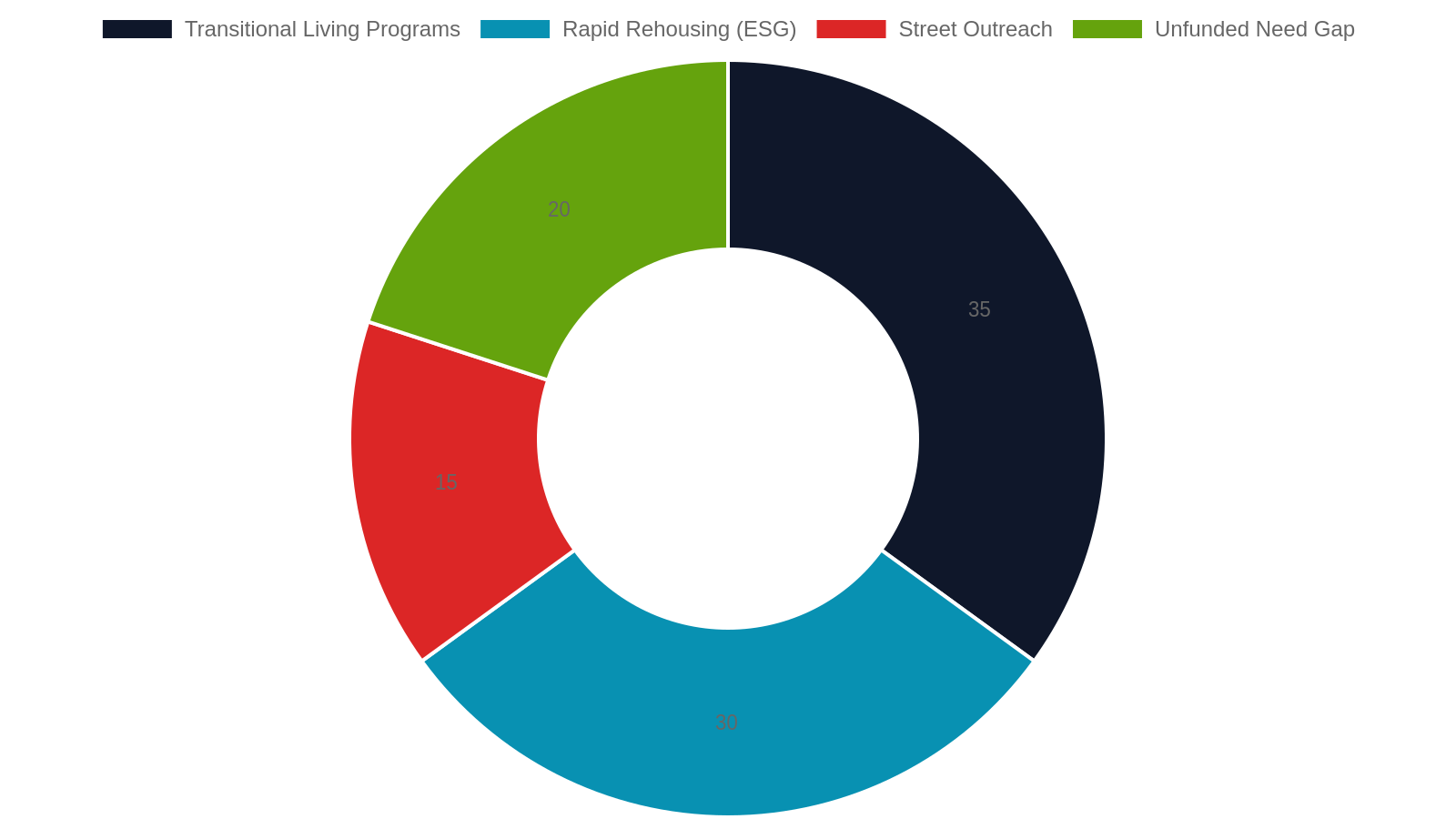
- The Tennessee General Assembly has allocated funding through TDHS for Transitional Living Programs (TLPs) serving youth ages 16–21 in multiple regions, with ongoing federal matching through the Runaway and Homeless Youth Act (RHYA).
- THDA has expanded Emergency Solutions Grant (ESG) funding for rapid rehousing, with a portion specifically targeted to transition-age youth in high-need CoC regions.
- The Tennessee Homeless Youth Act (TCA § 37-5-106) provides legal protections and service access for unaccompanied youth — a policy win that required sustained advocacy over multiple legislative sessions.
These wins happened because advocates showed up, testified, and built relationships. They are not permanent — they require re-funding and re-authorization every budget cycle, which is why ongoing advocacy is not optional.
Persistent Gaps That Need Your Voice
Despite progress, significant gaps remain across Tennessee’s CoC regions:
- Rural CoC regions (Northeast TN, Upper Cumberland, Balance of State) have far fewer transitional housing beds per capita than urban areas like Nashville and Memphis.
- Mental health and substance use services co-located with youth housing programs are chronically underfunded, forcing young adults to navigate multiple disconnected systems.
- Young adults ages 22–25 are frequently ineligible for youth-specific programs that cap at age 21, creating a ‘cliff’ in services at exactly the moment when housing stability is most fragile.
- LGBTQ+ youth, who are 40% more likely to experience homelessness than their peers (according to the Trevor Project), often lack affirming shelter options in smaller Tennessee cities.
These gaps are the agenda for the next round of budget advocacy. For a deeper look at the landscape, visit YAAB’s guide to understanding youth homelessness in Tennessee.
Resources, Training, and Tools to Get You Started

Advocacy is a skill, and like any skill, it gets stronger with practice and the right tools. Tennessee young adults have access to real training, real data, and real organizational support through YAAB and its partners — you don’t have to figure this out alone.
Free Training and Support Available Through YAAB
You don’t need to walk into a legislative hearing cold. YAAB provides — or connects members to — training in:
- Public speaking and testimony writing — including mock hearings where you can practice in a low-stakes environment
- Policy literacy — how to read a budget, understand a bill, and track legislation through the General Assembly
- Trauma-informed storytelling — sharing your experience in a way that is powerful, boundaried, and on your own terms
- Leadership development — facilitation, meeting management, and coalition building skills
Many of these trainings are available virtually, so geography is not a barrier. Check the YAAB resources page for current training opportunities and toolkits.
Key Tennessee and Federal Contacts
Bookmark these contacts for your advocacy work:
- Tennessee General Assembly: capitol.tn.gov — find your legislators, track bills, sign up for committee notifications
- Tennessee Housing Development Agency (THDA): thda.org — administers CoC and ESG grants statewide
- Tennessee Department of Human Services (TDHS): tn.gov/humanservices — oversees transitional living and homeless youth programs
- HUD Exchange: hudexchange.info — federal CoC program resources, NOFO announcements, and data tools
- National Alliance to End Homelessness: endhomelessness.org — policy briefs, data, and advocacy toolkits you can adapt for Tennessee
Your local YAAB coordinator is also a direct resource — they know the specific contacts, meeting schedules, and opportunities in your region that no website can fully capture.
Ready to Shape Tennessee's Budget? Here's Your First Move

Everything in this guide points to one truth: Tennessee young adults with lived experience of homelessness are not just the people these policies are about — they are the most qualified people to shape them. The budget is not a closed room. It has doors, and YAAB can help you find them.
Start Where You Are
You don’t have to do all seven strategies at once. Pick the one that feels most accessible right now and do that one thing this week. If you’re in Memphis, find your TN-501 YAAB coordinator. If you’re in Chattanooga, look up when the TN-500 CoC board meets next. If you’re in a rural county and can’t travel, send an email to your state senator’s district office today. Every single one of those actions is a real contribution to changing how Tennessee spends money on young adults like you.
The budget decisions that affect your life are being made right now — in Nashville, in CoC board rooms, in HUD offices. The question is whether your voice is in the room when they happen. YAAB exists to make sure the answer is yes.
Get Involved with YAAB Advocacy Statewide
If you’re ready to go deeper, explore YAAB’s statewide advocacy work to see current campaigns, upcoming legislative events, and how to plug into the effort from wherever you are in Tennessee. Whether you’re in Kingsport or Jackson, Cookeville or Knoxville, there is a role for you in shaping the policies and budgets that determine whether Tennessee’s young adults have a safe place to sleep, a path to a job, and a real shot at stability.
You have lived what policymakers only read about. That makes you one of the most credible voices in any room you walk into. Use it. Tennessee’s young adults are counting on each other — and the state’s budget should reflect that.
Frequently Asked Questions
Do I have to be currently homeless to join YAAB or do advocacy in Tennessee?
No. YAAB membership is open to young adults ages 17 to 25 who have current or past lived experience of homelessness or housing instability — including couch-surfing, staying in a shelter, or aging out of foster care. You don't have to be in a crisis right now to have a powerful and valid voice in advocacy.
How do I find out when Tennessee legislative budget hearings are scheduled?
Committee schedules are posted on the Tennessee General Assembly website at capitol.tn.gov at least 48 hours before each meeting. You can also sign up for email alerts through the site. Your local YAAB coordinator often tracks these dates and can alert members when hearings relevant to youth homelessness are coming up.
What is the Continuum of Care and how does it affect youth homeless services in Tennessee?
The Continuum of Care (CoC) is a federally designated network of organizations in each region that coordinates homeless services and applies for HUD funding. Tennessee has eight CoC regions. The local CoC board sets funding priorities and ranks projects for federal grants — decisions that directly determine which youth shelters, rapid rehousing programs, and outreach services get funded in your area.
What specific programs in Tennessee's state budget fund homeless youth services?
Key budget lines include Transitional Living Programs (TLPs) within the Tennessee Department of Human Services (TDHS), Emergency Solutions Grant (ESG) rapid rehousing funds administered by the Tennessee Housing Development Agency (THDA), and Department of Children's Services (DCS) programs for youth aging out of foster care. Federal funding through HUD's CoC program and the Runaway and Homeless Youth Act (RHYA) supplements these state appropriations.
Can I do advocacy if I live in a rural part of Tennessee and can't travel to Nashville?
Absolutely. Many of the most effective advocacy actions can be done remotely — emailing or calling your state legislators' district offices, submitting written testimony to committees, participating in online CoC meetings, and joining digital organizing campaigns through YAAB. Your rural perspective is especially valuable because rural CoC regions are often underfunded and underrepresented in state budget discussions.
How old do you have to be to testify at a Tennessee legislative hearing?
There is no minimum age requirement to testify at a Tennessee General Assembly committee hearing. Any member of the public can sign up to speak during the public comment period. YAAB members as young as 17 have testified in Nashville. YAAB provides preparation and support so you don't have to walk in unprepared.