Quick answer: Tennessee's Youth Action Board (YAAB) supports young adults ages 17 to 25 — including those who have experienced homelessness or housing instability — in building real financial stability through peer-led education, connections to savings programs, and advocacy for better economic policies. Across all eight Continuum of Care regions in Tennessee, YAAB members share lived experience to help peers open bank accounts, access emergency funds, build credit, and create savings plans that actually fit their lives. This article breaks down exactly how YAAB does that and what steps you can take today.
1. Why Financial Stability Is Different When You've Experienced Housing Instability

Building financial stability is hard for most people in their late teens and early twenties. But for young adults in Tennessee who have experienced homelessness, housing instability, aging out of foster care, or system involvement, the obstacles are compounded in ways that most financial literacy curricula completely ignore. Understanding those specific barriers is the first step toward building a plan that actually works.
The Real Barriers Young Adults Face
Standard financial advice — “just open a savings account and set a budget” — assumes you already have a stable address, a government-issued ID, a phone number that doesn’t change, and a bank that will accept you. For young adults who have experienced homelessness or housing instability, those assumptions fall apart fast. Without a permanent address, many banks will deny an account application outright. Without a state ID, you can’t access most financial products at all.
- No permanent address: Required for most bank accounts and many employment forms.
- No credit history: Youth aging out of foster care often have zero credit files, making it nearly impossible to rent an apartment independently.
- Irregular income: Gig work, seasonal jobs, and cash-in-hand employment make traditional budgeting tools feel irrelevant.
- Debt from survival: Medical bills, court fines, and payday loans can pile up fast when you’re just trying to get through the week.
Why Lived Experience Changes the Conversation
This is exactly why peer-led financial education matters. When a YAAB member who has navigated these same barriers sits down with you, the conversation starts from a completely different place. There’s no judgment about why you don’t have a savings account yet. Instead, there’s a practical roadmap built around what’s actually possible given your current situation — not a textbook scenario. Research consistently shows that peer-to-peer financial coaching increases follow-through rates compared to traditional financial counseling, because trust and shared experience reduce the shame that often keeps people from seeking help in the first place.
2. What the Tennessee YAAB Network Actually Does for Financial Empowerment

The Youth Action Board of Tennessee operates as both a peer support network and a policy advocacy engine. Understanding the dual role YAAB plays helps explain why its approach to financial empowerment is more effective than a one-time workshop or a pamphlet. YAAB works at the system level and the individual level simultaneously — changing policies while also helping individual young adults navigate the resources that exist right now.
Peer Advocacy That Shapes Real Policy
YAAB members don’t just receive services — they shape them. Across Tennessee’s eight Continuum of Care (CoC) regions, YAAB members sit on advisory committees, attend CoC board meetings, and provide direct input to local and state leaders about what financial programs are working and what’s missing. When a savings program has a rule that inadvertently disqualifies youth in transitional housing, YAAB members are the ones who flag it and push for change. That advocacy work has real downstream effects on the financial resources available to every young adult in the state.
Connecting Peers to Financial Resources
Beyond policy, YAAB members serve as connectors — linking peers to concrete financial tools and programs that exist right now in Tennessee. This includes:
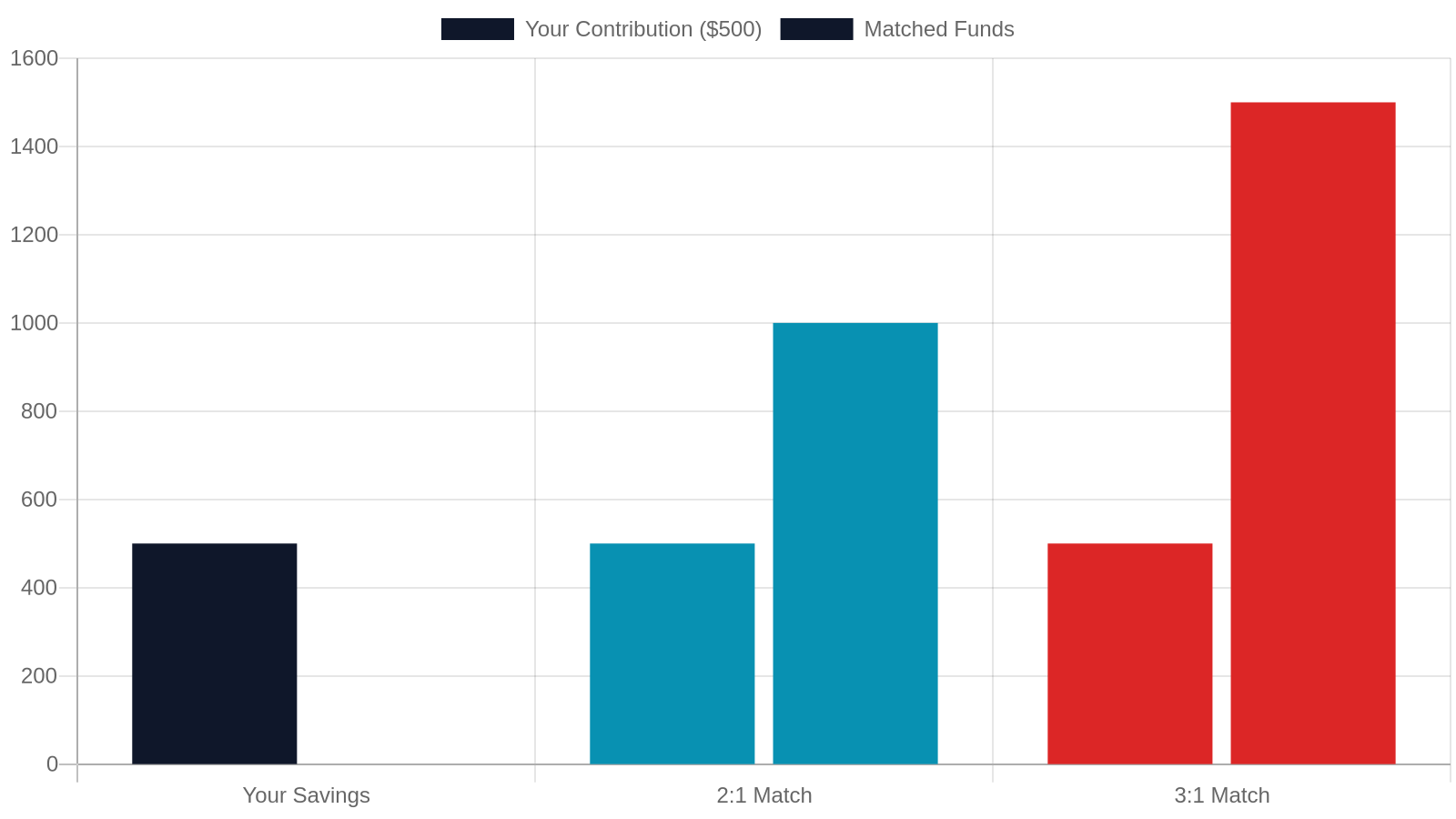
- Individual Development Accounts (IDAs): Matched savings programs where every dollar you save is matched — sometimes 2:1 or 3:1 — for goals like housing deposits, education, or starting a small business.
- Bank On Tennessee: A network of banks and credit unions offering low-fee or no-fee accounts specifically designed for people who have been unbanked or underbanked.
- VITA Tax Sites: Free tax preparation through Volunteer Income Tax Assistance, which helps young adults claim the Earned Income Tax Credit (EITC) and Child Tax Credit they’re legally owed.
- Emergency Rental Assistance: Region-specific funds that can prevent eviction and protect the housing stability that makes saving possible in the first place.
3. The 8 Tennessee CoC Regions and the Financial Resources Near You

Tennessee’s Continuum of Care system is organized into eight regional CoCs, each with its own mix of financial empowerment programs, emergency funds, and savings opportunities. The resources available to you depend significantly on where you are in the state. Here’s a region-by-region overview so you know what to look for — and how your local YAAB can help you find it.
Memphis/Shelby (TN-500) and Nashville/Davidson (TN-501)
Tennessee’s two largest metro areas have the most concentrated financial empowerment resources. In Memphis/Shelby County (TN-500), young adults can access programs through the Memphis Financial Empowerment Center, which offers free one-on-one financial counseling, and the Mid-South Food Bank’s financial stability initiative. In Nashville/Davidson County (TN-501), the Metro Action Commission runs IDA programs, and the Nashville Financial Empowerment Center provides free professional financial counseling — not advice from a salesperson, but from a certified counselor whose only job is to help you. Both regions have active YAAB chapters that can connect you directly to these resources.
Knoxville, Chattanooga, Jackson, and Beyond
Outside the two major metros, resources exist but require more navigation. Knoxville/Knox County (TN-502) has United Way’s financial stability coalition and the Knoxville Area Urban League’s workforce and financial programs. Chattanooga/Hamilton County (TN-503) offers the Chattanooga Neighborhood Enterprise’s homeownership and savings programs. In Jackson/West Tennessee (TN-504) and the Upper Cumberland (TN-506) and Northeast Tennessee (TN-507 and TN-509) regions, resources are more dispersed — which is exactly why having a local YAAB member who knows the landscape is so valuable. They can tell you which programs actually serve young adults and which have age cutoffs or income caps that exclude you.
4. Building Your First Savings Plan: A Step-by-Step Approach

A savings plan doesn’t have to be complicated to be effective. But it does have to be realistic for your actual life — not a generic template designed for someone with a steady 9-to-5 and a permanent address. Here’s the framework YAAB peer coaches use to help young adults across Tennessee build their first real savings plan, step by step.
Step 1 — Get Your ID and Banking Foundation in Place
You cannot build a savings plan without two foundational tools: a government-issued photo ID and a bank or credit union account. If you don’t have a Tennessee ID, the Tennessee Department of Safety and Homeland Security offers a free ID card for individuals experiencing homelessness — you do not need a permanent address to qualify. Once you have your ID, look for a Bank On-certified account, which by definition charges no more than $5 per month, has no minimum balance requirement, and does not charge overdraft fees. These accounts exist specifically for people who have been shut out of traditional banking.
Step 2 — Set a Micro-Savings Goal First
Financial research consistently shows that starting with a small, concrete goal — not a vague “save more money” intention — dramatically increases the likelihood of success. A good first goal for most young adults in unstable housing situations is a $500 emergency fund. That single buffer can prevent a car repair or a missed shift from cascading into an eviction or a payday loan. Once you hit $500, the next goal is typically one month of your fixed expenses (rent, phone, transportation). YAAB peer coaches can help you identify which expenses are truly fixed versus variable and build a realistic timeline based on your actual income — not an idealized version of it.
Step 3 — Stack Your Resources Strategically
“Stacking” means combining multiple programs so each one amplifies the others. For example: file your taxes through a free VITA site to claim your full EITC refund → deposit that refund into an IDA program → use the matched savings toward a housing deposit → stabilize your housing → qualify for a workforce training program with a stipend → increase your income → save more. Each step makes the next one more accessible. YAAB members who have been through this process can show you the specific sequence that works in your region, because the programs available in Memphis are not identical to those in Kingsport or Jackson.
5. Understanding Credit: How to Build It From Zero

Credit is one of the most misunderstood financial tools for young adults — and one of the most consequential. A good credit score unlocks lower-cost housing, better interest rates on car loans, and even some job opportunities. Building credit from zero is absolutely possible, and it doesn’t require going into debt to do it.
Why Credit Matters for Housing
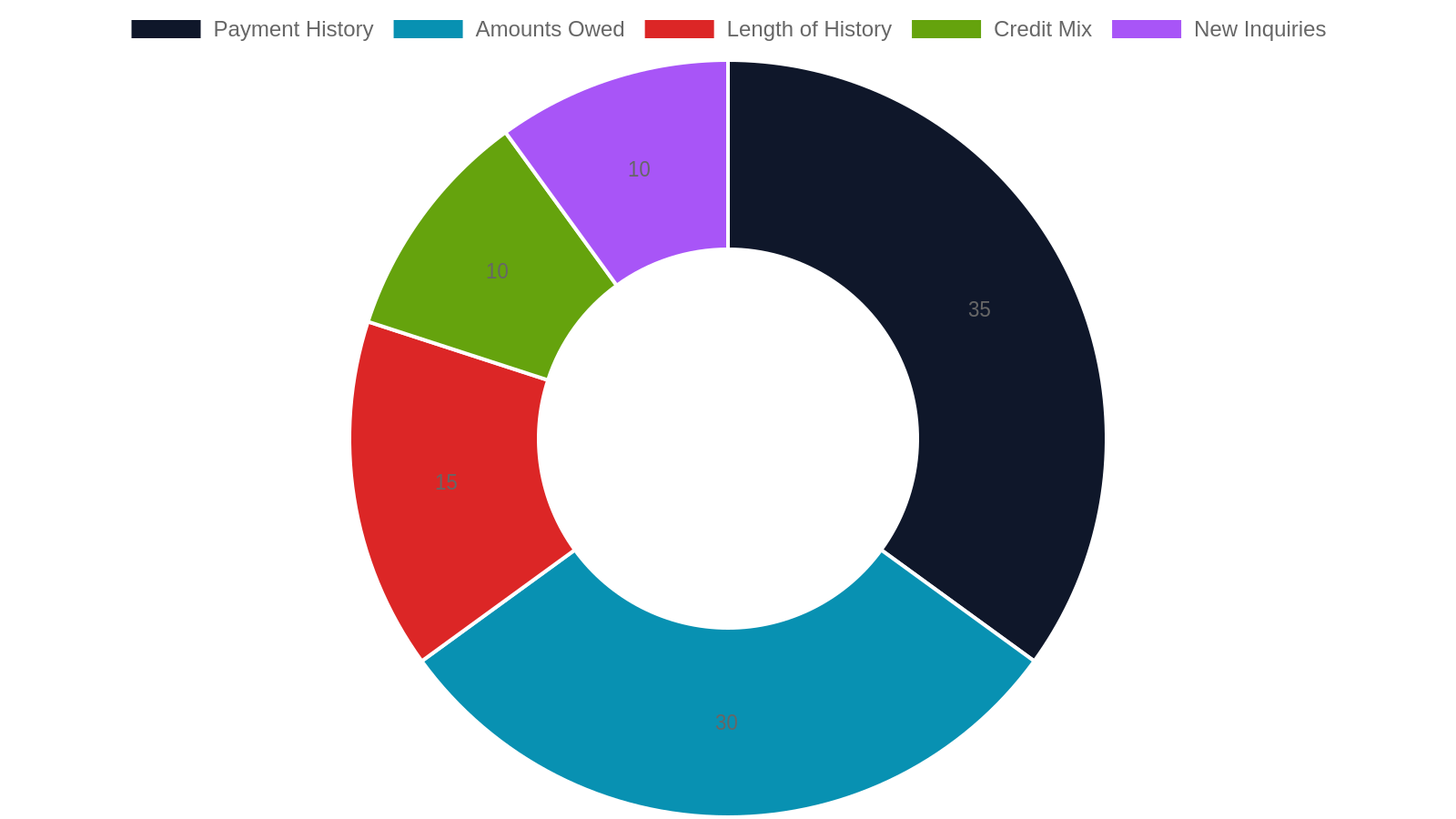
In Tennessee, most private landlords run a credit check before approving a rental application. A thin or nonexistent credit file — which is extremely common for young adults who have been in foster care or experiencing homelessness — is often treated the same as bad credit. This creates a direct barrier between you and stable housing. Understanding how credit works is therefore not just a financial literacy topic; it’s a housing access issue. Your credit score is calculated based on five factors: payment history (35%), amounts owed (30%), length of credit history (15%), credit mix (10%), and new credit inquiries (10%).
Secured Cards, Credit-Builder Loans, and Rent Reporting
Three tools are particularly accessible for young adults starting from zero:
- Secured credit cards: You deposit $200-$500 as collateral, and that becomes your credit limit. Use it for small purchases and pay it off in full each month. After 12 months of on-time payments, many issuers will upgrade you to an unsecured card and return your deposit.
- Credit-builder loans: Offered by many credit unions, these loans put money into a savings account that you can’t touch until the loan is paid off. You build credit history AND savings simultaneously. Typical loan amounts range from $300 to $1,000 over 12-24 months.
- Rent reporting services: If you’re paying rent — even in transitional housing — services like Rental Kharma or RentTrack can report those payments to credit bureaus, turning money you’re already spending into credit history.
6. Individual Development Accounts (IDAs): Tennessee's Best-Kept Savings Secret

If there is one financial program that young adults in Tennessee are most likely to be unaware of and most likely to benefit from, it’s the Individual Development Account. IDAs can effectively double or triple your savings toward a major goal — and they’re specifically designed for people with low incomes who are working to build economic stability.
How IDAs Work and Who Qualifies
An Individual Development Account is a matched savings program — meaning for every dollar you save, a sponsoring organization matches it, often at a 2:1 or 3:1 ratio, up to a set cap. In Tennessee, IDA programs are typically funded through a combination of federal Assets for Independence (AFI) grants, state TANF funds, and local nonprofit dollars. Eligibility varies by program, but most Tennessee IDAs target individuals with incomes below 200% of the federal poverty level — in 2024, that’s roughly $29,160 per year for a single person. Many programs specifically prioritize transition-age youth.
Matched funds can typically be used for three approved purposes: post-secondary education or job training, a first home purchase, or starting/expanding a small business. Some programs have expanded to include vehicle purchase for employment purposes.
Finding an IDA Program in Your Tennessee Region
IDA programs are not available in every county, and availability changes as funding cycles open and close. The best way to find a current program near you is to:
- Contact your local YAAB chapter — members often know which programs have open enrollment right now.
- Search the Tennessee Alliance for Legal Services resource directory.
- Contact your regional Community Action Agency, which administers many IDA programs in rural Tennessee counties.
- Ask your case manager or housing navigator to check with the local CoC coordinated entry system.
When you find a program, ask specifically: What is the match ratio? What is the maximum matched amount? How long do I have to save? What are the approved uses? Are there financial education requirements? Most programs require 8-12 hours of financial education as part of participation — which is actually a benefit, not a burden.
7. Employment, Income, and the Financial Stability Connection

Financial stability and employment are deeply connected — but it’s not as simple as “get a job and save money.” The type of work, the stability of hours, access to benefits, and protection from exploitation all determine whether employment actually moves you toward financial security or just keeps you treading water. YAAB members understand this from lived experience and can help you navigate workforce programs that are actually designed for your situation.
Workforce Programs Specifically for Transition-Age Youth
Financial stability is impossible without income, and income is hard to stabilize without the right employment supports. Tennessee has several workforce programs specifically designed for young adults ages 16 to 24, including:
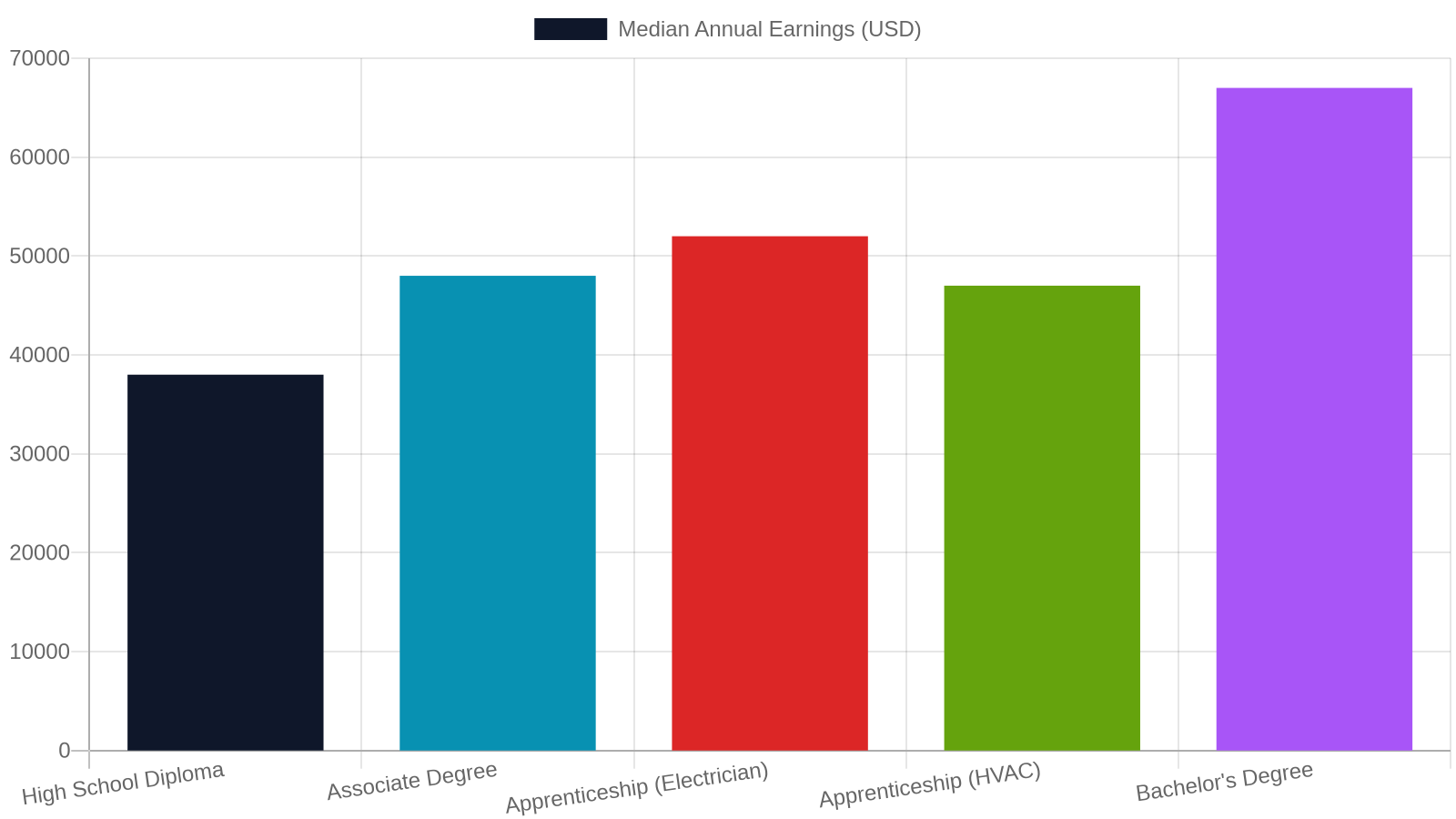
- Tennessee Promise and Tennessee Reconnect: Free community college for eligible Tennesseans, which can increase long-term earning potential significantly. Associate degree holders earn a median of $10,000 more per year than high school graduates.
- American Job Centers: Located across all eight CoC regions, these centers offer free job search assistance, resume help, skills assessments, and connections to paid training programs.
- YouthBuild Tennessee: Combines education (GED or high school diploma) with job skills training in construction and other trades, plus a stipend while you’re in the program.
- Registered Apprenticeships: Earn while you learn in skilled trades — electricians in Tennessee earn a median of $52,000/year, HVAC technicians around $47,000/year.
Protecting Your Income: Know Your Rights at Work
Earning money is only half the equation — keeping it is the other half. Young workers in Tennessee are sometimes targeted by wage theft, misclassification as independent contractors, or illegal deductions. Know these basics:
- Tennessee’s minimum wage follows the federal minimum of $7.25/hour as of 2024, but many employers pay more — always verify your rate in writing.
- If you’re classified as a 1099 contractor but your employer controls your schedule and tools, you may be misclassified — this affects your tax obligations and benefit eligibility.
- You have the right to a pay stub showing your hours and deductions.
- The Tennessee Department of Labor handles wage complaints — filing is free and can be done online.
8. Benefits Cliff Awareness: How to Avoid the Trap

One of the most frustrating financial traps for young adults building stability is the benefits cliff — a structural problem in how public assistance programs are designed that can actually punish you for earning more money. Understanding it before it hits you is one of the most important pieces of financial knowledge YAAB peer educators share.
What the Benefits Cliff Is and Why It Hits Young Adults Hard
The “benefits cliff” is the point at which earning slightly more income causes you to lose public benefits — like Medicaid, SNAP, or housing subsidies — so abruptly that you’re actually worse off financially than before your raise. For young adults who depend on these supports while building stability, the cliff is a real and documented barrier to economic mobility. For example, in Tennessee, a single adult earning just above 138% of the federal poverty level ($20,120 in 2024) loses Medicaid eligibility — potentially losing thousands of dollars in healthcare coverage for a $50/month raise.
Strategies to Navigate the Cliff Without Falling Off
The goal is to build income and savings fast enough that you can replace lost benefits with earned income before the gap becomes a crisis. Practical strategies include:
- Benefits calculators: Tennessee’s Benefits.gov and the Benefit Enrollment Network can model exactly what you’ll lose at different income levels before you accept a raise or new job.
- Transitional Medicaid: If you lose Medicaid due to increased earnings, you may qualify for a 12-month transitional coverage period — ask your caseworker before assuming coverage ends immediately.
- Employer benefits: A job with employer-sponsored health insurance can replace Medicaid without the cliff effect — factor this into job comparisons, not just hourly wage.
- YAAB advocacy: YAAB members across Tennessee actively advocate for policy changes that smooth the benefits cliff — your voice in this conversation matters.
Tennessee Financial Tools for Young Adults: At a Glance
Not every financial tool works the same way or fits every situation. Use this comparison to quickly identify which options make the most sense for where you are right now.
9. Financial Literacy Education: What YAAB Members Learn and Teach

Financial literacy isn’t one thing — it’s a set of interconnected skills that build on each other. YAAB’s peer-led approach to financial education recognizes that young adults in Tennessee need practical, judgment-free information that applies to their actual circumstances. Here’s what that education looks like and how you can access it.
Core Financial Literacy Topics Covered in YAAB Programming
YAAB’s financial empowerment work is peer-led, which means the curriculum is shaped by what members have actually needed to know — not what a financial institution thinks young adults should know. Core topics include:
- Banking basics: How to open an account, avoid fees, use mobile banking safely, and dispute unauthorized charges.
- Budgeting for irregular income: Zero-based budgeting, the envelope method, and digital tools like Mint or YNAB adapted for variable income situations.
- Understanding debt: The difference between predatory debt (payday loans, rent-to-own) and strategic debt (student loans, credit-builder loans), and how to prioritize repayment.
- Tax basics: How to file, what credits you qualify for (EITC, Saver’s Credit), and why filing even with zero income can sometimes benefit you.
- Scam awareness: Rental scams, job scams, and financial fraud disproportionately target young adults and people experiencing housing instability.
How to Access Financial Education Through YAAB
YAAB financial literacy programming is available in multiple formats to meet young adults where they are. In-person workshops are held regularly in partnership with local CoC providers across Tennessee’s eight regions. Virtual sessions are available for young adults in rural areas or those with transportation barriers. One-on-one peer coaching is available through local YAAB chapters for young adults who want personalized guidance rather than group sessions. All programming is free and confidential. You don’t need to be a YAAB member to attend a workshop — but attending one is often how young adults decide to get more involved. Explore the full range of financial and housing resources on the YAAB resources page to find what’s available near you.
10. Mental Health, Trauma, and the Psychology of Money

Financial stability isn’t just about numbers — it’s deeply connected to mental health, trauma history, and emotional wellbeing. Any honest conversation about helping young adults build savings has to acknowledge the psychological dimension of money, especially for those who have experienced the chronic stress of housing instability.
How Trauma Affects Financial Decision-Making
Research in behavioral economics and trauma-informed care consistently shows that chronic stress and trauma — including the stress of housing instability — impair the prefrontal cortex functions responsible for long-term planning, impulse control, and risk assessment. This is not a character flaw. It is a documented physiological response to living in survival mode. When you’re focused on where you’ll sleep tonight, your brain is not optimized for thinking about a savings account six months from now. Recognizing this dynamic helps explain why traditional financial education often fails young adults experiencing homelessness — and why trauma-informed, peer-led approaches work better.
Building Financial Confidence Alongside Mental Wellness
YAAB’s approach integrates financial empowerment with mental health awareness because the two are inseparable. Practical steps that support both:
- Celebrate small wins: Depositing $20 into a savings account for the first time is genuinely worth acknowledging. Positive reinforcement builds the habit loop that makes saving sustainable.
- Reduce financial shame: Debt, overdrafts, and missed payments are extremely common — especially for young adults who have had to make impossible choices. Shame keeps people from seeking help. YAAB creates judgment-free spaces.
- Connect financial goals to personal values: Research shows that people save more consistently when savings are connected to something meaningful — not just an abstract number. What does financial stability make possible for you?
- Access mental health support: Tennessee’s 988 Suicide and Crisis Lifeline and the Tennessee Statewide Crisis Line (855-274-7471) are available 24/7 for young adults in crisis.
11. How to Get Involved with Your Local Tennessee YAAB

Getting involved with YAAB isn’t just about receiving support — it’s about becoming part of a statewide movement that is actively changing the systems that affect young adults like you. Your lived experience is not a liability; it’s the most valuable thing you bring to the table. Here’s how to connect with your regional chapter and what to expect when you do.
Who Can Join and What Membership Looks Like
YAAB membership is open to young adults ages 17 to 25 across Tennessee who have lived experience of homelessness or housing instability. You don’t need to currently be experiencing homelessness — past experience qualifies. You don’t need a perfect story or a polished resume. What YAAB values is your perspective, your willingness to show up, and your commitment to helping other young people in situations you understand firsthand. Members participate in local chapter meetings, regional CoC advisory activities, statewide advocacy campaigns, and peer education programming. Some members receive stipends for their participation — ask your local chapter about compensation structures.
Find Your Regional YAAB Chapter
Tennessee’s YAAB network spans all eight Continuum of Care regions. Each regional chapter has its own meeting schedule, focus areas, and leadership team. To find your chapter:
- Memphis/Shelby (TN-500): Connect through the local CoC coordinated entry or visit the YAAB TN-500 page.
- Nashville/Davidson (TN-501): Nashville’s chapter is one of the most active, with regular meetings and advocacy events.
- Knoxville (TN-502), Chattanooga (TN-503), Jackson (TN-504), Upper Cumberland (TN-506), Northeast TN (TN-507 and TN-509): Each has a dedicated chapter page on the YAAB website.
The best starting point is the local YAABs directory, where you can find contact information and meeting details for your region. If you’re not sure which region you’re in, the YAAB team can help you figure it out.
Ready to Build Your Financial Future? Start Here.

Building financial stability when you’ve experienced housing instability is genuinely hard — but it is absolutely possible, and you don’t have to figure it out alone. Tennessee’s YAAB network exists to make sure young adults across the state have the peer support, the information, and the advocacy behind them that they deserve. Here’s how to take your first step right now.
Your First Three Moves This Week
You don’t have to do everything at once. Start with three concrete actions this week:
- Move 1 — Get your ID: If you don’t have a Tennessee state ID, contact a local CoC provider or YAAB member about the free ID program for people experiencing homelessness.
- Move 2 — Open a Bank On account: Search BankOn.org for certified accounts available in your area. Many can be opened online with just your ID and a $0 minimum deposit.
- Move 3 — Connect with your local YAAB: Attend one meeting, one workshop, or just send a message. You don’t have to commit to anything — just show up and see if it feels right.
YAAB Is Here for You Across All of Tennessee
Whether you’re in Memphis, Nashville, Knoxville, Chattanooga, Jackson, the Upper Cumberland, or Northeast Tennessee, there is a YAAB community that was built by and for young adults who have been exactly where you are. Financial stability is not a destination you reach alone — it’s something you build with the right information, the right connections, and people who believe in your capacity to get there.
The Youth Action Board of Tennessee exists because young adults with lived experience of homelessness deserve a seat at the table where decisions about their lives are made — and because that same lived experience is the most powerful tool for helping peers build the futures they deserve. Visit the YAAB Tennessee homepage to learn more, find your regional chapter, and take your next step toward financial stability and real economic power. You can also join YAAB today and become part of the movement shaping policy and resources for transition-age youth across Tennessee.
Frequently Asked Questions
Can I open a bank account if I don't have a permanent address in Tennessee?
Yes. Bank On-certified accounts and many credit unions accept alternative proof of address, including a shelter address, a P.O. box, or a letter from a service provider. You do not need a permanent home address to open a basic bank account in Tennessee.
What is a Youth Action Board and how does it help with financial stability?
The Youth Action Board (YAAB) of Tennessee is a statewide network of young adults ages 17 to 25 with lived experience of homelessness who advise policymakers and connect peers to resources. For financial stability, YAAB members provide peer coaching, connect young adults to savings programs like IDAs and Bank On accounts, and advocate for policies that remove financial barriers for transition-age youth.
What is an Individual Development Account and can I get one in Tennessee?
An Individual Development Account (IDA) is a matched savings program where a sponsoring organization matches every dollar you save — often 2:1 or 3:1 — for approved goals like housing, education, or starting a business. IDA programs exist in Tennessee but availability varies by region and funding cycle. Contact your local YAAB chapter or Community Action Agency to find open programs near you.
I'm aging out of foster care in Tennessee. What financial help is available to me?
Tennessee offers several supports for youth aging out of foster care, including extended foster care services up to age 21, the Tennessee Education Lottery Scholarship for foster youth, and priority access to some IDA and housing programs. YAAB specifically includes foster care alumni in its membership and can connect you to region-specific resources through your local CoC coordinated entry system.
How do I join the Youth Action Board in Tennessee?
YAAB membership is open to young adults ages 17 to 25 with lived experience of homelessness or housing instability anywhere in Tennessee. Visit yaabtn.org/join/ to get started, or find your regional chapter at yaabtn.org/local-yaabs/ and reach out directly. You can also attend a workshop or meeting first to see if it's a good fit before committing.
What is the benefits cliff and how does it affect young adults in Tennessee?
The benefits cliff is the point where earning slightly more income causes you to lose public benefits — like Medicaid or SNAP — so abruptly that you're financially worse off than before. In Tennessee, losing Medicaid at 138% of the federal poverty level is a common cliff for young adults. Using a benefits calculator before accepting a raise, and looking for jobs with employer-sponsored health insurance, are two key strategies to navigate it.