Quick answer: The Youth Action Board (YAAB) of Tennessee is a statewide network of young adults ages 17 to 25 who have experienced homelessness or housing instability. YAAB members use their lived experience to advise policymakers, connect peers to housing, jobs, education, and mental health services, and drive real change across Tennessee's eight Continuum of Care regions — from Memphis to Northeast Tennessee. If you're a transition-age youth looking for support, community, or a way to turn your experience into leadership, YAAB is built for and by people like you.
1. What Is YAAB Tennessee and Why Does It Exist?

Before you can get involved — or connect a peer to help — it helps to understand exactly what the Youth Action Board of Tennessee is, who it serves, and why it was built the way it was. YAAB is not a shelter, a hotline, or a case management agency. It is a youth-led advocacy and advisory network that operates across every major region of Tennessee, giving young adults ages 17 to 25 the tools and platform to drive change from the inside.
Born from Lived Experience, Not a Boardroom
Most organizations that talk about youth homelessness were built by people who have never slept outside or aged out of foster care with nowhere to go. YAAB is different. The Youth Action Board of Tennessee was created specifically so that young adults with firsthand experience of housing instability would have a real seat at the table — not just a token voice, but genuine decision-making power.
YAAB members don’t just share their stories and leave. They review policies, evaluate programs, and give feedback that shapes how Tennessee’s Continuum of Care (CoC) regions serve transition-age youth. That’s a structural shift, and it matters.
The Problem YAAB Is Solving
Youth homelessness in Tennessee is not a small issue. Nationally, an estimated 4.2 million young adults ages 18 to 25 experience homelessness in a given year, according to the Chapin Hall Voices of Youth Count study. In Tennessee, transition-age youth — those between 17 and 25 — are among the most underserved populations in the homeless services system, often falling through the gap between child welfare and adult services.
Young people aging out of foster care face especially steep odds: one in five youth who age out of foster care will experience homelessness within two years of leaving care, per the National Foster Youth Institute. YAAB exists to interrupt that pipeline by making sure young people help design the solutions.
2. Who Can Join YAAB? Understanding the Eligibility

One of the most common questions young adults ask is: “Is this for me?” The answer, for a wide range of Tennessee youth, is yes. Here’s a clear breakdown of who YAAB is designed to serve and what the path to membership looks like across the state’s regions.
The Core Criteria: Ages 17–25 with Lived Experience
YAAB membership is open to young adults who are between the ages of 17 and 25 and who have personal lived experience with homelessness or housing instability. That includes a wide range of situations: sleeping outside, staying in a shelter, couch-surfing, living in a car, or bouncing between unstable housing situations all count.
You do not need to currently be homeless to join. Many YAAB members are in stable housing now and use their past experience to advocate for peers still in crisis. What matters is that you understand the system from the inside — because that knowledge is exactly what makes YAAB effective.
Youth Aging Out of Foster Care
Young people aging out of the Tennessee foster care system are a priority population for YAAB. If you are 17 or older and approaching your transition out of state custody — or if you have already aged out — YAAB can connect you with peers who have been through the same experience and with regional resources designed specifically for foster care alumni.
Tennessee’s Extended Foster Care program allows eligible youth to remain in care until age 21, but not everyone qualifies or chooses to stay. YAAB bridges the gap, offering community and advocacy for those navigating that transition with or without formal system support.
Case Managers and CoC Partners: You Belong Here Too
YAAB also engages the adults who work alongside transition-age youth — case managers, Continuum of Care coordinators, service providers, and educators. If you work in one of Tennessee’s eight CoC regions and want to better understand youth-centered approaches, YAAB’s work is a direct resource. The most effective youth advocates often have a strong network of adult allies who amplify their voices rather than speak over them.
3. Tennessee's 8 Continuum of Care Regions: Where YAAB Operates

Tennessee is a geographically and culturally diverse state, and the challenges facing a young adult experiencing homelessness in Memphis look different from those facing a peer in the Upper Cumberland or Northeast Tennessee. That’s why YAAB is structured regionally — so that advocacy is always rooted in the specific communities, resources, and gaps that matter most to the young people living there.
What Is a Continuum of Care?
A Continuum of Care (CoC) is a regional planning body funded by the U.S. Department of Housing and Urban Development (HUD) that coordinates housing and services for people experiencing homelessness. Tennessee has eight CoC regions, each covering different counties and cities. Every YAAB chapter is embedded within one of these regions, which means the advocacy work is always locally grounded and connected to the real funding and policy decisions happening in that area.
The Eight YAAB Regions Across Tennessee
YAAB operates local chapters — called Local YAABs — in each of Tennessee’s CoC regions:
- TN-500: Memphis / Shelby County
- TN-501: Nashville / Davidson County
- TN-502: Knoxville / Knox County
- TN-503: Chattanooga / Hamilton County
- TN-504: Jackson / West Tennessee
- TN-506: Upper Cumberland region
- TN-507: Northeast Tennessee
- TN-509: Additional regional coverage
Each local YAAB has its own membership, meetings, and projects — but all are connected through the statewide YAAB network, sharing resources and amplifying each other’s advocacy at the state level.
4. What YAAB Members Actually Do: Real Roles, Real Impact

Joining YAAB is not just about sharing your story — it’s about taking on real responsibilities that create real change. Here’s what day-to-day and month-to-month YAAB membership actually looks like for young adults across Tennessee.
Advising Policymakers and CoC Leaders
YAAB members regularly present to Continuum of Care boards, Tennessee state agencies, and community planning bodies. This is not symbolic participation — members review funding applications, program evaluations, and housing policy proposals and provide formal feedback that CoC coordinators are expected to incorporate. HUD’s youth homelessness guidance increasingly requires meaningful youth input, and YAAB is how Tennessee meets that standard with integrity.
Peer-to-Peer Outreach and Resource Connection
YAAB members know the system because they’ve lived it. That makes them uniquely effective at connecting peers to services — whether that’s emergency shelter, rapid rehousing programs, GED pathways, employment training, or mental health support. Peer outreach reduces the distrust that many young adults feel toward formal institutions, and it works: research from the Homeless Youth Handbook shows that peer navigators increase service engagement by up to 40% compared to traditional outreach models.
Driving Advocacy Campaigns and Projects
Beyond advising, YAAB members initiate and lead their own advocacy campaigns. Past and ongoing projects have addressed issues like youth-specific shelter policies, ID and document recovery, employment barriers, and mental health access. Members develop skills in public speaking, data analysis, grant writing, and community organizing — all transferable skills that build long-term career pathways alongside the advocacy work itself.
You can explore current and past YAAB initiatives at yaabtn.org/projects to see the kind of work members are leading right now.
5. Housing Resources YAAB Connects You To

Housing is the foundation of everything else — education, employment, health, and safety. YAAB doesn’t just advocate for better housing policy in the abstract; it actively helps connect young adults across Tennessee to the specific programs and resources that can move them toward stability. Here’s a breakdown of the housing landscape for transition-age youth in Tennessee.
Emergency Shelter and Rapid Rehousing
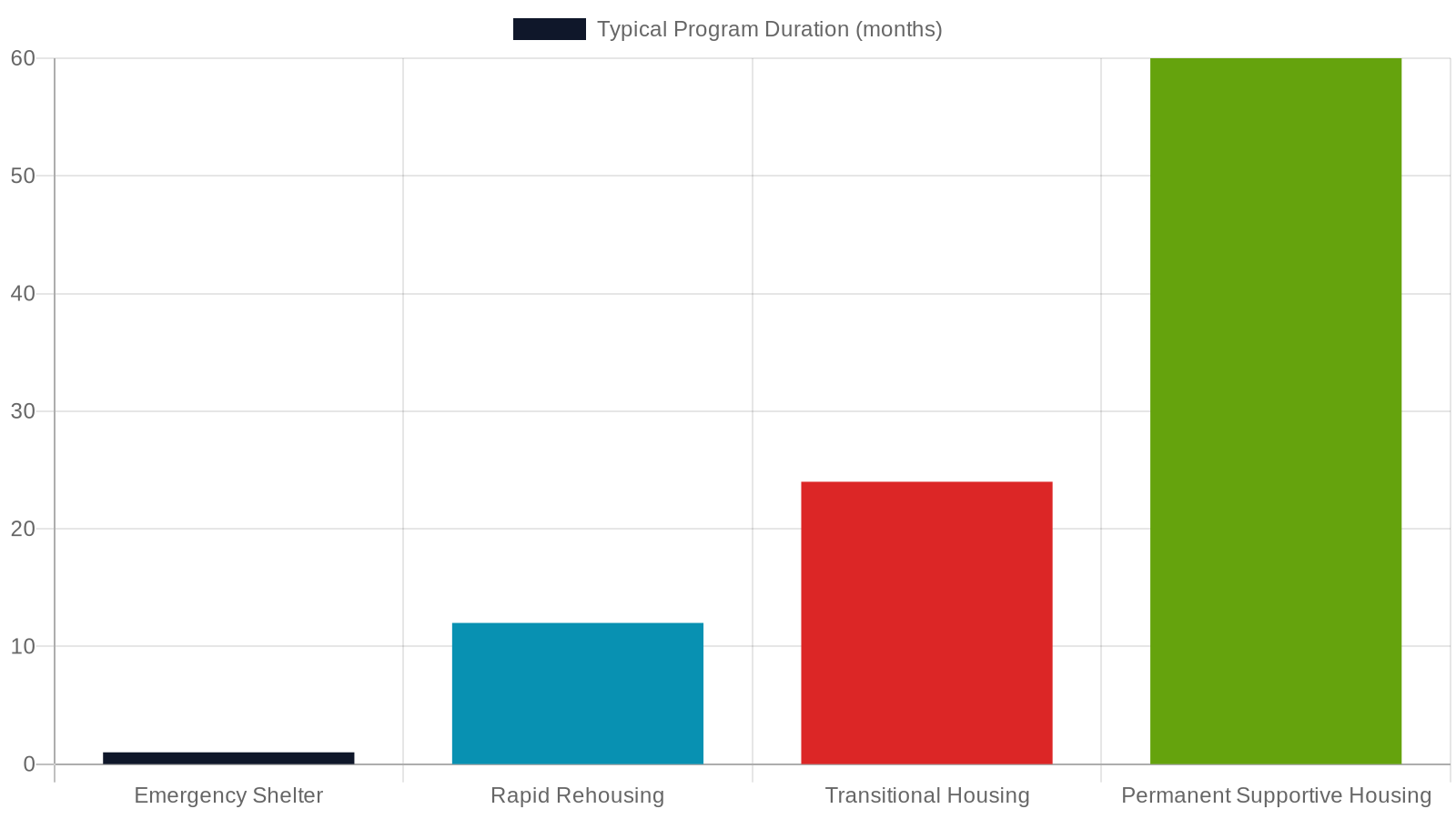
For young adults in immediate crisis, the first priority is safe shelter. Tennessee’s CoC regions each have emergency shelter options, though capacity and youth-specific beds vary significantly by region. Rapid Rehousing (RRH) programs — which provide short-term rental assistance and case management to help young adults quickly move into their own housing — are available in most regions and are often the fastest path from homelessness to stability.
YAAB can connect you to the right contact in your CoC region so you’re not navigating a confusing phone tree alone. Average time from RRH enrollment to housing placement in Tennessee ranges from 30 to 90 days, depending on local housing market conditions and program capacity.
Transitional Housing and Permanent Supportive Housing
Transitional housing programs offer a structured step between emergency shelter and independent living, typically providing up to 24 months of housing with wraparound services including life skills, employment support, and mental health care. Permanent Supportive Housing (PSH) is designed for young adults with higher needs — including those with disabilities or chronic homelessness histories — and pairs long-term affordable housing with ongoing support services.
Knowing which program type fits your situation is key. YAAB members and regional CoC coordinators can help you understand your options and connect you to the right program in your area.
Tenant Rights and Housing Stability
Once housed, knowing your rights as a tenant is critical to staying housed. Tennessee law provides specific protections around lease agreements, security deposits, eviction notice requirements, and habitability standards. Young adults — especially those who have never rented before — are particularly vulnerable to predatory landlords or lease terms they don’t fully understand. YAAB’s resources and peer network can point you to tenant rights organizations and legal aid services in your region.
6. Education and Employment: Building a Future Beyond Housing

Stable housing is the starting line, not the finish line. For young adults ages 17 to 25 in Tennessee, building a sustainable future means accessing education, job training, and financial tools — often for the first time, and often while managing the aftermath of housing instability. YAAB connects members and peers to concrete pathways in each of these areas.
GED Pathways and Alternative Education
Housing instability often interrupts formal education, and many transition-age youth in Tennessee are navigating the world without a high school diploma or equivalent. The Tennessee Reconnect program and local adult education centers offer free GED preparation and testing across the state. Tennessee also has one of the strongest free community college programs in the country — Tennessee Promise and Tennessee Reconnect provide last-dollar scholarship funding that can cover tuition at community colleges for eligible students.
YAAB members can help peers identify which education pathway fits their situation and connect them to enrollment support so paperwork and eligibility requirements don’t become a barrier.
Employment Training and Workforce Programs
Tennessee’s American Job Centers (also called Tennessee Career Centers) offer free job search assistance, resume help, skills training, and connections to apprenticeship programs. For young adults with barriers to employment — including gaps in work history, lack of ID, or a record — YouthBuild Tennessee programs and other workforce development initiatives provide structured training alongside housing and education support.
YAAB members who have navigated these systems can provide honest, peer-level guidance on what programs actually deliver — and which ones have long waitlists or eligibility gaps that affect youth specifically.
Financial Literacy: The Skill Nobody Teaches You
Opening a bank account, understanding a credit score, managing a budget, and avoiding predatory lending are skills that most young adults learn from family — but that’s not always an option for youth who have experienced homelessness or foster care. YAAB’s network connects young adults to financial literacy workshops, Bank On Tennessee accounts (low-fee banking designed for people without banking history), and credit-building tools that create a foundation for long-term financial stability.
Tennessee Housing Program Types: What's Right for You?
Not all housing programs work the same way. Here's a side-by-side look at the four main program types available to transition-age youth in Tennessee's CoC regions so you can identify which fits your situation.
7. Mental Health and Wellness: You Don't Have to White-Knuckle It

Mental health is not a side issue for transition-age youth — it is central to everything else. You cannot focus on housing applications, job interviews, or GED prep when you’re in crisis or carrying unprocessed trauma. YAAB takes a whole-person approach that acknowledges mental wellness as inseparable from housing and economic stability.
Why Mental Health Is Central to YAAB's Work
Experiencing homelessness is traumatic. Full stop. Research consistently shows that youth experiencing homelessness have significantly higher rates of depression, anxiety, PTSD, and substance use compared to their housed peers — not because something is wrong with them, but because the circumstances they’ve survived are genuinely hard. YAAB’s peer-to-peer model is itself a mental health intervention: connection, community, and being seen reduce isolation and build resilience.
Accessing Mental Health Services in Tennessee
Tennessee’s public mental health system is managed through the Department of Mental Health and Substance Abuse Services (TDMHSAS), which funds regional mental health centers across all 95 counties. Many offer sliding-scale fees or serve uninsured clients. Young adults who qualify for TennCare (Tennessee’s Medicaid program) can access mental health services at low or no cost — and YAAB members can help peers navigate TennCare enrollment, which many eligible youth don’t realize they qualify for.
Crisis support is available 24/7 through the 988 Suicide and Crisis Lifeline (call or text 988), which has a specific youth-focused option.
Trauma-Informed Peer Support
Not every mental health need requires a clinical appointment. Peer support — talking to someone who has been through similar experiences — is a recognized and evidence-based form of mental health support. YAAB creates structured space for that kind of connection, both in regional meetings and through the broader statewide network. Members are not therapists, but they are real people who get it, and that matters more than most formal interventions for young adults who have been let down by institutions before.
8. Knowing Your Rights as a Young Adult in Tennessee

One of the most powerful things YAAB does is make sure young adults know what they’re entitled to — because the system often counts on people not knowing their rights. Whether it’s shelter access, anti-discrimination protections, or document recovery, knowledge is a form of power that no one can take from you.
Legal Age, Emancipation, and Service Access
In Tennessee, the age of majority is 18, but many services and rights apply to young adults as young as 17 — especially in the context of homelessness. Tennessee law allows homeless youth ages 17 and older to consent to shelter services without parental permission in many circumstances. Understanding where the legal lines are can mean the difference between accessing help and being turned away incorrectly.
Emancipated minors — those who have been legally emancipated before age 18 — have the same legal rights as adults for most purposes, including signing leases and accessing medical care. If you’re unsure of your legal status or rights, Tennessee’s legal aid organizations can provide free guidance.
Your Rights in the Homeless Services System
Every person accessing HUD-funded homeless services has rights under federal law, including the right to equal access regardless of race, gender identity, sexual orientation, disability, or family status. Tennessee CoC programs are required to follow HUD’s Equal Access Rule, which means LGBTQ+ youth cannot be turned away from shelters or programs based on their identity. If you experience discrimination in a HUD-funded program, you have the right to file a complaint.
YAAB members are trained to help peers understand and assert these rights — because knowing your rights is the first step to using them.
Records, IDs, and Document Recovery
One of the most practical barriers young adults face is lacking basic identification documents — a birth certificate, Social Security card, or state ID. Without these, accessing housing programs, employment, banking, and benefits is nearly impossible. Tennessee offers free birth certificate copies for homeless individuals through a process coordinated by local CoC agencies, and many regions have document recovery programs specifically designed for youth. YAAB can connect you to the right resource in your region.
9. How to Get Involved with Your Local YAAB in Tennessee

Everything described in this article — the advocacy, the resources, the peer support, the policy influence — happens because young adults in Tennessee choose to get involved. YAAB is only as strong as its members, and right now, there is a seat at the table waiting for you. Here’s how to take it.
Ready to connect? Visit the YAAB Tennessee homepage to learn more, find your region, and take the first step toward turning your experience into leadership that changes lives — including your own.
Finding Your Regional YAAB Chapter
YAAB has active chapters in all eight of Tennessee’s Continuum of Care regions. Whether you’re in Memphis, Nashville, Knoxville, Chattanooga, Jackson, the Upper Cumberland, or Northeast Tennessee, there is a local YAAB chapter near you. Each chapter holds regular meetings, works on region-specific projects, and connects members to local resources and leadership opportunities.
To find your local chapter and learn about upcoming meetings, visit the Local YAABs page on the YAAB Tennessee website. You can also reach out directly through the contact page if you’re not sure which region you fall under.
What to Expect When You First Get Involved
Getting involved doesn’t require you to have everything figured out. You don’t need to be a perfect public speaker, have a polished resume, or know anything about policy. What you need is your experience and your willingness to show up. Most new members start by attending a regional meeting, getting to know other members, and learning about current projects before taking on a specific role.
YAAB provides training, mentorship, and support so that members can grow into leadership at their own pace. Many members who started as quiet participants have gone on to present at state-level CoC meetings, testify before legislative committees, and lead their own advocacy campaigns.
For Case Managers and Service Providers: How to Partner with YAAB
If you work with transition-age youth in Tennessee and want to connect your clients to YAAB, or if your organization wants to partner with a local YAAB chapter, the process starts with a conversation. YAAB welcomes CoC partners who are committed to genuine youth engagement — not just checking a box, but actually shifting power toward young people in the design and evaluation of services.
Review the About YAAB page for more on the organization’s structure and values, and reach out through the contact page to start a conversation about partnership.
Frequently Asked Questions
What is the Youth Action Board of Tennessee?
The Youth Action Board (YAAB) of Tennessee is a statewide network of young adults ages 17 to 25 with lived experience of homelessness or housing instability. Members advise policymakers, connect peers to resources, and lead advocacy across Tennessee's eight Continuum of Care regions.
Do I have to currently be homeless to join YAAB Tennessee?
No. YAAB is open to young adults ages 17 to 25 who have lived experience of homelessness or housing instability at any point — you do not need to currently be homeless. Many members are now stably housed and use their past experience to advocate for peers still in crisis.
What cities in Tennessee does YAAB operate in?
YAAB has local chapters in all eight of Tennessee's Continuum of Care regions, including Memphis/Shelby County, Nashville/Davidson County, Knoxville/Knox County, Chattanooga/Hamilton County, Jackson/West Tennessee, the Upper Cumberland, and Northeast Tennessee.
How can a young adult in Tennessee find emergency housing help?
Contact your local Continuum of Care region's coordinated entry system, which is the official front door to homeless services including emergency shelter, rapid rehousing, and transitional housing. YAAB members and regional staff can help you navigate the process and connect to the right program for your situation.
What support is available for youth aging out of foster care in Tennessee?
Tennessee offers Extended Foster Care for eligible youth up to age 21, along with Aftercare services and connections to housing programs. YAAB specifically prioritizes youth aging out of foster care and connects them with peers who have navigated the same transition, plus regional resources for housing, education, and employment.
Can I get involved with YAAB if I'm a case manager or service provider, not a young person?
Yes. While YAAB membership is for young adults ages 17 to 25 with lived experience, CoC partners, case managers, and service providers are welcome to engage with YAAB as allies and collaborators. Reach out through the YAAB Tennessee website to explore partnership opportunities.