Quick answer: If you're a young adult ages 17 to 25 in Chattanooga or Hamilton County, Tennessee, the Youth Action Board (YAAB) TN-500 is your local crew for peer connection, housing navigation, employment resources, and real advocacy. YAAB members have lived experience of homelessness and housing instability — they get it because they've been there. Whether you want to access support services, raise your voice in policy decisions, or simply find people who understand what you're going through, Hamilton County YAAB is a free, judgment-free starting point built by and for young people like you.
What Is Hamilton County YAAB and Who Is It For?

Before you can connect with Hamilton County YAAB, it helps to understand exactly what it is — and more importantly, what it isn’t. It’s not a shelter, a government office, or a case management program. It’s a peer advocacy network that also connects members to resources. Think of it as a bridge: between where you are right now and where you want to be, built by people who’ve walked a similar road.
A Board Built by Young People, for Young People
The Youth Action Board of Hamilton County — officially part of Tennessee’s TN-500 Continuum of Care region — is a group of young adults ages 17 to 25 who have personally experienced homelessness, housing instability, foster care, or related challenges. This isn’t a program run by adults telling youth what they need. It’s a peer-led space where your lived experience is treated as expertise.
YAAB members sit at tables where real decisions get made — advising local service providers, shaping how resources are allocated, and pushing for policy changes that actually reflect what transition-age youth in Chattanooga need. If you’ve couch-surfed, stayed in a shelter, aged out of foster care, or simply struggled to keep a roof over your head, you belong here.
The TN-500 Region: Chattanooga and Hamilton County
Tennessee’s Continuum of Care system is divided into regions, each with its own YAAB chapter. TN-500 covers Hamilton County, which includes Chattanooga — the state’s fourth-largest city — along with surrounding communities. If you live, sleep, or access services anywhere in Hamilton County, TN-500 is your local YAAB.
The Continuum of Care (CoC) is a federally funded network of housing and service providers coordinated at the regional level. YAAB’s role inside that network is to make sure young adult voices aren’t an afterthought. In TN-500, that means Hamilton County YAAB members show up to CoC meetings, review funding priorities, and advocate for youth-specific solutions like Rapid Rehousing and transitional housing programs.
1. Show Up: How to Find and Attend a Hamilton County YAAB Meeting

The simplest and most powerful way to connect with Hamilton County YAAB is also the most straightforward: go to a meeting. In-person connection is at the heart of what YAAB does. Showing up — even once — puts you in the same room as peers who understand your experience and staff who can point you toward real resources in Chattanooga.
Where and When YAAB Meets in Chattanooga
Hamilton County YAAB holds regular meetings in the Chattanooga area, typically at partner locations like community centers, nonprofit offices, or youth-serving organizations. Meeting times and locations are updated on the YAAB Tennessee events calendar — check yaabtn.org/calendar-events for the most current schedule before you head out.
Meetings are free to attend, and you don’t need to be a current YAAB member to come to your first one. Many members started by simply showing up curious, not knowing anyone. Food is often provided, and the vibe is intentionally low-pressure. You can listen, ask questions, or jump right into conversation — whatever feels right for you.
What Happens at a Typical Meeting
A Hamilton County YAAB meeting might include updates on local housing resources, a discussion of a policy issue affecting young adults in Chattanooga, skill-building activities like public speaking or financial literacy, or planning for an upcoming advocacy event. No two meetings are identical, but the through-line is always the same: young adults leading the conversation.
If you’re nervous about walking into a room of strangers, know that most members felt that way their first time too. The peer-to-peer format means nobody is going to quiz you or judge your situation. You’re welcome exactly as you are — housing status, background, and all.
2. Access Housing Navigation and Shelter Resources in Hamilton County

Housing instability is the most urgent issue facing many young adults who connect with YAAB. Hamilton County YAAB doesn’t operate shelters directly, but it plays a critical role in helping you understand, navigate, and access the housing programs that do exist in Chattanooga and the surrounding TN-500 region. Here’s what you need to know.
Youth-Specific Housing Programs in Chattanooga
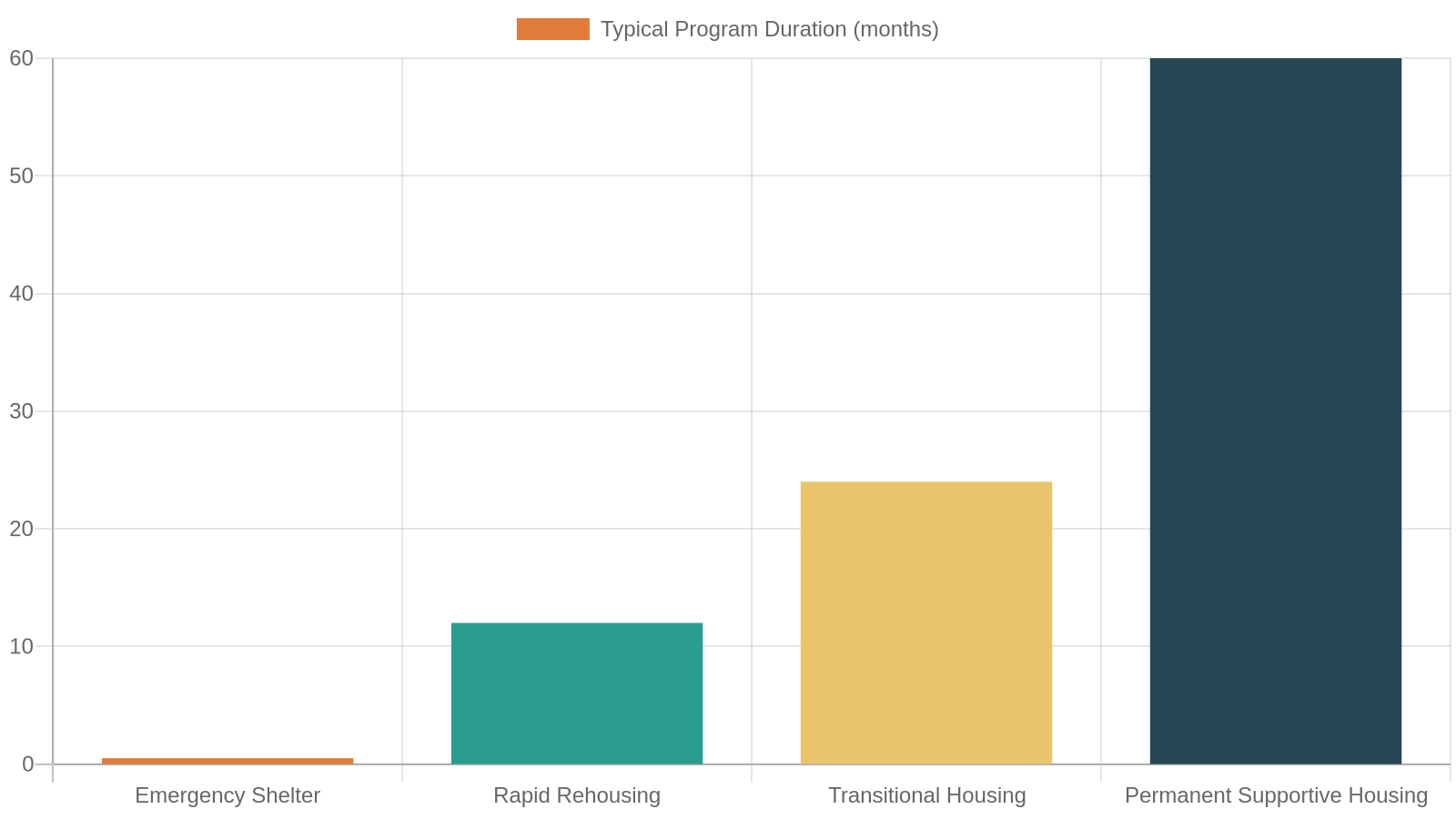
Hamilton County has several housing resources specifically designed for transition-age youth (TAY), meaning young adults ages 16 to 24. These include emergency shelter beds reserved for youth, Rapid Rehousing programs that provide short-term rental assistance and case management, and transitional housing programs that offer a stable place to live for up to 24 months while you build skills and savings.
Key local providers include Chattanooga’s family of CoC-funded nonprofits. YAAB members can help you figure out which program fits your situation — because eligibility rules, waitlists, and application processes vary widely, and navigating them alone is exhausting. A peer who’s already done it can save you hours of confusion.
What to Know About the Coordinated Entry Process
In Hamilton County, housing resources for people experiencing homelessness are accessed through a system called Coordinated Entry. This means there’s a single, standardized intake process — rather than applying to each shelter or program separately. You typically start by calling the local CoC access point or visiting a designated assessment site in Chattanooga.
YAAB can’t guarantee housing placements — that’s not its role — but members and staff can walk you through what Coordinated Entry looks like in TN-500, what documents you might need (or what to do if you don’t have them), and how to advocate for yourself if you feel like you’re being overlooked in the process. Knowing your rights inside the system is half the battle.
If You're in Crisis Tonight
If you need shelter right now in Chattanooga, don’t wait for a YAAB meeting. Contact 211 (dial 2-1-1 from any phone) — Tennessee’s free, 24/7 social services helpline — to get connected to emergency shelter options in Hamilton County. The Chattanooga Room in the Inn network and other emergency providers operate on a nightly basis during colder months. For youth specifically, ask the 211 operator about youth-designated beds to avoid being placed in adult-only shelters.
3. Find Employment Opportunities and Job-Readiness Support

Stable housing and stable income are deeply connected — it’s hard to hold a job without a place to sleep, and hard to keep housing without income. Hamilton County YAAB understands this cycle firsthand. Through peer connections and partnerships with local workforce organizations in Chattanooga, YAAB can help you take concrete steps toward employment — on your timeline, without judgment.
Employment Programs for Young Adults in Chattanooga
Chattanooga has a growing ecosystem of workforce development programs aimed at young adults, including those who’ve experienced housing instability. Key players include Tennessee Career Centers (formerly American Job Centers), which offer free job search assistance, resume help, and skills training. The Hamilton County Department of Education’s adult education programs and local nonprofits also run workforce training in fields like construction, healthcare, and hospitality.
For young adults with barriers to traditional employment — gaps in work history, lack of ID, or a record — some programs offer transitional jobs that provide paid work experience while you build your resume. YAAB members can point you toward which Chattanooga employers and programs are genuinely youth-friendly versus which ones look good on paper but don’t actually support people with complex backgrounds.
Getting Your ID and Work Documents
One of the biggest practical barriers to employment for young adults experiencing homelessness is simply not having the right documents: a state ID, Social Security card, or birth certificate. Without these, you can’t legally work — and getting them without a permanent address can feel like a catch-22.
In Hamilton County, organizations like Chattanooga’s legal aid providers and homeless outreach teams can help you obtain vital documents even if you don’t have a fixed address. YAAB members have navigated this exact process and can share what worked for them. Some programs will even use a shelter or service provider’s address temporarily so you can receive mail and get your ID issued.
4. Continue Your Education With GED and Postsecondary Pathways

Education is one of the most powerful long-term tools for stability — and it’s more accessible than many young adults realize, especially in Chattanooga. Whether you’re working toward a GED, thinking about community college, or exploring a trade, Hamilton County YAAB can connect you with peers who’ve walked those paths and the local programs that can make them affordable.
Free GED and Adult Education in Hamilton County
If you left high school before graduating — for any reason — you can earn your High School Equivalency (HSE/GED) for free in Tennessee. The Hamilton County Department of Education’s Adult Education program offers free GED prep classes at multiple Chattanooga locations. Tennessee also covers the cost of the GED exam for eligible residents, meaning you can earn your credential without paying out of pocket.
Classes are designed for adults with busy, unpredictable schedules — many offer flexible hours, and some have online or hybrid options. If you’re staying in a shelter or transitional housing, staff there may be able to help you enroll. YAAB members who’ve gone through GED programs can share what the experience is actually like and which sites in Chattanooga felt most welcoming.
College and Vocational Training Options for Youth Experiencing Homelessness
Having a housing history that includes homelessness or foster care actually opens doors to specific financial aid and support programs at Tennessee colleges. Under federal law, students who are unaccompanied homeless youth or former foster youth can qualify as independent students on the FAFSA — meaning your parents’ income doesn’t count against you, which often results in significantly more financial aid.
Chattanooga State Community College and the University of Tennessee at Chattanooga (UTC) both have student support programs. Tennessee Promise and Tennessee Reconnect can cover community college tuition for eligible students. YAAB can help connect you with a peer who’s navigated the college application process while experiencing housing instability — because that knowledge is invaluable and rarely written down anywhere.
5. Understand Your Mental Health Rights and Access Support

Mental health and housing stability are inseparable. Hamilton County YAAB recognizes that young adults navigating homelessness are often also managing trauma, anxiety, grief, or other mental health challenges — and that accessing care in Chattanooga can feel overwhelming. Here’s what you should know about your options and your rights.
Mental Health Is Part of Housing Stability
Experiencing homelessness or housing instability is traumatic — full stop. It’s not a character flaw or a sign that something is wrong with you. The stress of not knowing where you’ll sleep, navigating systems that weren’t built for you, and often dealing with loss, family separation, or trauma along the way takes a real toll. Mental health support isn’t a luxury; it’s a practical tool for building the stability you’re working toward.
In Chattanooga, the Helen Ross McNabb Center and Volunteer Behavioral Health Care System offer mental health and substance use services on a sliding-scale or no-cost basis for young adults who qualify. Many of these providers have staff specifically trained to work with transition-age youth and people experiencing homelessness.
Peer Support as a Mental Health Resource
One of the most evidence-backed forms of mental health support is also the simplest: talking to someone who gets it. Peer support — the model at the heart of YAAB — has been shown in research to reduce isolation, improve coping, and increase engagement with other services. When you connect with a YAAB peer who’s navigated similar challenges, that relationship itself has real mental health value.
Some YAAB members are trained as Peer Support Specialists, a recognized role in Tennessee’s behavioral health system. If you’re interested in turning your lived experience into a career helping others, becoming a Certified Peer Recovery Specialist (CPRS) is a pathway worth exploring — and YAAB can help you learn more about it.
6. Know Your Rights as a Young Adult Experiencing Homelessness

One of the most empowering things YAAB does is make sure young adults in Hamilton County know their rights — because the systems you’re navigating have rules that are supposed to protect you, even when it doesn’t feel that way. Here’s a quick breakdown of the legal protections most relevant to transition-age youth in Chattanooga.
The McKinney-Vento Act and What It Means for You
If you’re still in high school (or recently left), the McKinney-Vento Homeless Assistance Act gives you specific rights: the right to enroll in school immediately without proof of address, the right to stay in your current school even if you move, and the right to free transportation. Every school district in Tennessee — including Hamilton County Schools — is required to have a McKinney-Vento liaison who can help you access these protections.
If you’re 18 or older and in higher education, the FAFSA’s independent student status for homeless youth (described in the education section above) is a legal protection, not a favor. You have the right to claim it, and a financial aid administrator cannot deny it without a formal process.
Your Rights in Shelters and Service Settings
Inside shelters and service programs in Chattanooga, you have rights too — even if they’re not always posted on the wall. You have the right to be treated with dignity, to receive services free from discrimination based on race, gender identity, sexual orientation, or disability status. LGBTQ+ young adults in particular should know that HUD-funded programs are prohibited from discriminating based on sexual orientation or gender identity.
If you feel your rights have been violated in a shelter or service setting, YAAB can help you understand your options — including how to file a complaint with the relevant agency. You don’t have to accept mistreatment as the price of getting help. For a deeper look at youth rights and system navigation, visit YAAB’s youth homelessness resource page for plain-language guides.
Hamilton County YAAB vs. Other Support Options: How They Compare
Chattanooga has multiple types of organizations that serve young adults experiencing homelessness. Here's how they differ — and why YAAB is a unique complement to, not a replacement for, formal services.
7. Become a YAAB Member and Shape Policy in Hamilton County

Accessing support is one part of what YAAB offers. The other — and arguably more transformative — part is the opportunity to become a leader yourself. Hamilton County YAAB is always looking for young adults in Chattanooga who want to turn their experience into advocacy, their story into policy change, and their network into a lifeline for the next person who walks through the door.
What YAAB Membership Actually Looks Like
Becoming a Hamilton County YAAB member means more than attending meetings — it means having a real seat at the table where decisions about youth homelessness in Chattanooga get made. Members participate in Continuum of Care planning meetings, provide input on how federal housing dollars are spent in TN-500, and collaborate with state-level YAAB members across Tennessee on shared advocacy priorities.
There’s no application fee, no minimum education requirement, and no expectation that your life is perfectly together. The only real requirement is that you’re between 17 and 25, you have some lived experience of housing instability, and you want to use that experience to help make things better for other young people. Stipends, food, and transportation support are often available to reduce barriers to participation.
The Statewide YAAB Network You're Joining
When you join Hamilton County YAAB, you’re not just joining a local group — you’re connecting with a statewide network of young advocates across Tennessee’s eight Continuum of Care regions. That means peer relationships, shared resources, and collective power that extends from Memphis to Knoxville, from Nashville to Northeast Tennessee.
Statewide YAAB gatherings, training opportunities, and advocacy campaigns give Hamilton County members a platform that goes beyond Chattanooga. Young people from TN-500 have traveled to Nashville to testify before state committees, participated in national convenings on youth homelessness, and contributed to research and reports that shape how Tennessee allocates housing resources. Your voice, amplified through YAAB, can reach further than you might expect. Learn more about the full statewide network at YAAB Tennessee’s about page.
How Hamilton County YAAB Compares to Other Support Options

If you’re a young adult in Chattanooga trying to figure out where to turn, you’ve probably heard about several different types of organizations and programs. Here’s how Hamilton County YAAB fits into the landscape — and why it’s different from (and complementary to) other options you might be considering.
Peer Stories: What Connecting With YAAB Has Looked Like for Real Young Adults

Data and program descriptions only tell part of the story. The real case for connecting with Hamilton County YAAB is made by the young adults who’ve done it — and what they found on the other side. While individual stories are shared with consent and privacy in mind, the patterns across YAAB’s membership reveal something consistent and powerful.
From Shelter to Advocate: A Common YAAB Journey
Many YAAB members across Tennessee — including in Hamilton County — first connected with the organization while they were still in crisis. They came looking for resources and found something they didn’t expect: a community of peers who understood their experience without needing it explained, and a platform to do something meaningful with what they’d been through.
The journey from accessing support to providing it — from being a first-time meeting attendee to a CoC committee member — doesn’t happen overnight, and it doesn’t look the same for everyone. Some members get deeply involved in policy work within months. Others stay connected more loosely, checking in when they need resources or want to support a friend. Both are valid. YAAB meets you where you are.
What Peers Say About the Difference YAAB Makes
Across YAAB’s statewide network, members consistently describe the same core benefit: being believed and taken seriously. In many service settings, young adults experiencing homelessness are talked about rather than talked to. YAAB flips that dynamic. Your experience isn’t a problem to be managed — it’s knowledge that the system needs.
Peers also describe practical wins: learning about a housing program they didn’t know existed, getting help with a FAFSA, finding a job through a connection made at a meeting, or simply having someone answer a text at 11pm when they didn’t know what to do next. That peer-to-peer responsiveness is something no formal service system can fully replicate — and it’s what makes YAAB uniquely valuable in Chattanooga’s support landscape.
Ready to Connect? Your Next Step With Hamilton County YAAB

You’ve read about what Hamilton County YAAB does, who it’s for, and what it can offer. Now comes the part that actually changes things: making contact. Here’s exactly how to do it — no barriers, no prerequisites, no judgment.
How to Reach Hamilton County YAAB Right Now
The easiest way to get connected is to visit the Hamilton County YAAB page (TN-500) on the YAAB Tennessee website. There you’ll find current contact information, meeting details, and information about how to get involved — whether you want to access resources, join as a member, or just learn more before committing to anything.
You can also reach out through the main YAAB Tennessee site at yaabtn.org or use the contact form at yaabtn.org/contact-yaab to send a message directly. If you’re a case manager or service provider in Hamilton County looking to connect a young adult to YAAB, the same channels apply — YAAB welcomes referrals and partnerships with CoC providers across TN-500.
You Don't Have to Have It All Figured Out
Maybe you’re not sure if YAAB is right for you. Maybe you’re not sure you’re ready to talk about your experience, or you’re worried about what showing up will look like. That’s okay. You don’t need to have a plan, a goal, or a polished story. You just need to be between 17 and 25, somewhere in Hamilton County, and willing to take one small step.
YAAB is built on the understanding that the path from housing instability to stability isn’t linear, and that the people best equipped to help you navigate it are the ones who’ve been on it themselves. Chattanooga has a community of young adults ready to walk alongside you — and a network that stretches across all of Tennessee when you need it. Explore YAAB’s full resource library to see what else is available to you statewide.
Frequently Asked Questions
How do I join Hamilton County YAAB in Chattanooga?
Visit yaabtn.org/local-yaabs/tn-500/ to find current contact information and meeting details for the TN-500 Hamilton County YAAB. You can also reach out through the YAAB Tennessee contact page. There's no application fee and no requirement to have your life together — just show up.
Do I have to be homeless right now to participate in YAAB?
No. YAAB welcomes young adults ages 17 to 25 who have any lived experience of homelessness or housing instability — past or present. Many members are currently housed and use their experience to advocate for peers who are still in crisis.
What is the TN-500 Continuum of Care region?
TN-500 is the federally designated Continuum of Care region covering Hamilton County, including Chattanooga. It's a coordinated network of housing and service providers that receives federal funding to address homelessness. Hamilton County YAAB operates within this region to ensure young adult voices shape how resources are used.
Can I get emergency housing help through YAAB in Chattanooga?
YAAB doesn't operate shelters directly, but it can help you navigate the system. For immediate housing needs in Hamilton County, call 211 first to access emergency shelter referrals. YAAB peers can also help you understand the Coordinated Entry process and advocate for yourself within it.
Is YAAB only for people who want to do advocacy and policy work?
Not at all. While advocacy is a core part of what YAAB does, many members participate primarily to access peer support, find resources, or connect with community. You can be as involved or as low-key as you want — YAAB meets you where you are.
Are there YAAB chapters in other parts of Tennessee besides Chattanooga?
Yes. YAAB Tennessee has chapters across multiple Continuum of Care regions, including Memphis/Shelby County, Nashville/Davidson County, Knoxville/Knox County, and others. Visit yaabtn.org/local-yaabs/ to find the YAAB chapter closest to you if you're outside Hamilton County.