Quick answer: If you're turning 18 or 21 and aging out of foster care in Memphis, you don't have to figure everything out alone. Tennessee offers extended foster care through age 21, rapid rehousing programs, education grants, job training, and peer advocacy networks. Shelby County has specific Continuum of Care resources, and the Memphis-area Youth Action Board (YAAB) connects you with peers who've been through it. This guide breaks down 9 categories of support — housing, education, employment, mental health, legal rights, financial literacy, healthcare, peer advocacy, and next steps — so you know exactly where to start.
1. Extended Foster Care in Tennessee — Don't Age Out Without This

One of the biggest misconceptions about aging out of foster care is that your support automatically ends at 18. In Tennessee, that is not true — and in Memphis/Shelby County, knowing this distinction can change everything. Extended Foster Care is your first line of defense against housing instability, and it costs you nothing to ask for it.
What Is Tennessee's Extended Foster Care Program?
Tennessee’s Extended Foster Care (EFC) program — sometimes called Tennessee Fostering Connections — lets eligible young people stay in the foster care system until their 21st birthday instead of being cut off at 18. That means continued access to a placement, a monthly living stipend, Medicaid coverage, and a case manager who helps you plan your next steps.
- You must be enrolled in school, working at least 80 hours per month, in a job-training program, or have a documented barrier to employment to qualify.
- You can re-enter EFC until age 21 even if you left at 18 — Tennessee law allows re-entry.
- Contact your Tennessee Department of Children’s Services (DCS) caseworker or call the DCS statewide line at 1-877-DCS-KIDS (1-877-327-5437) to request EFC.
Why Staying In Matters: The Numbers
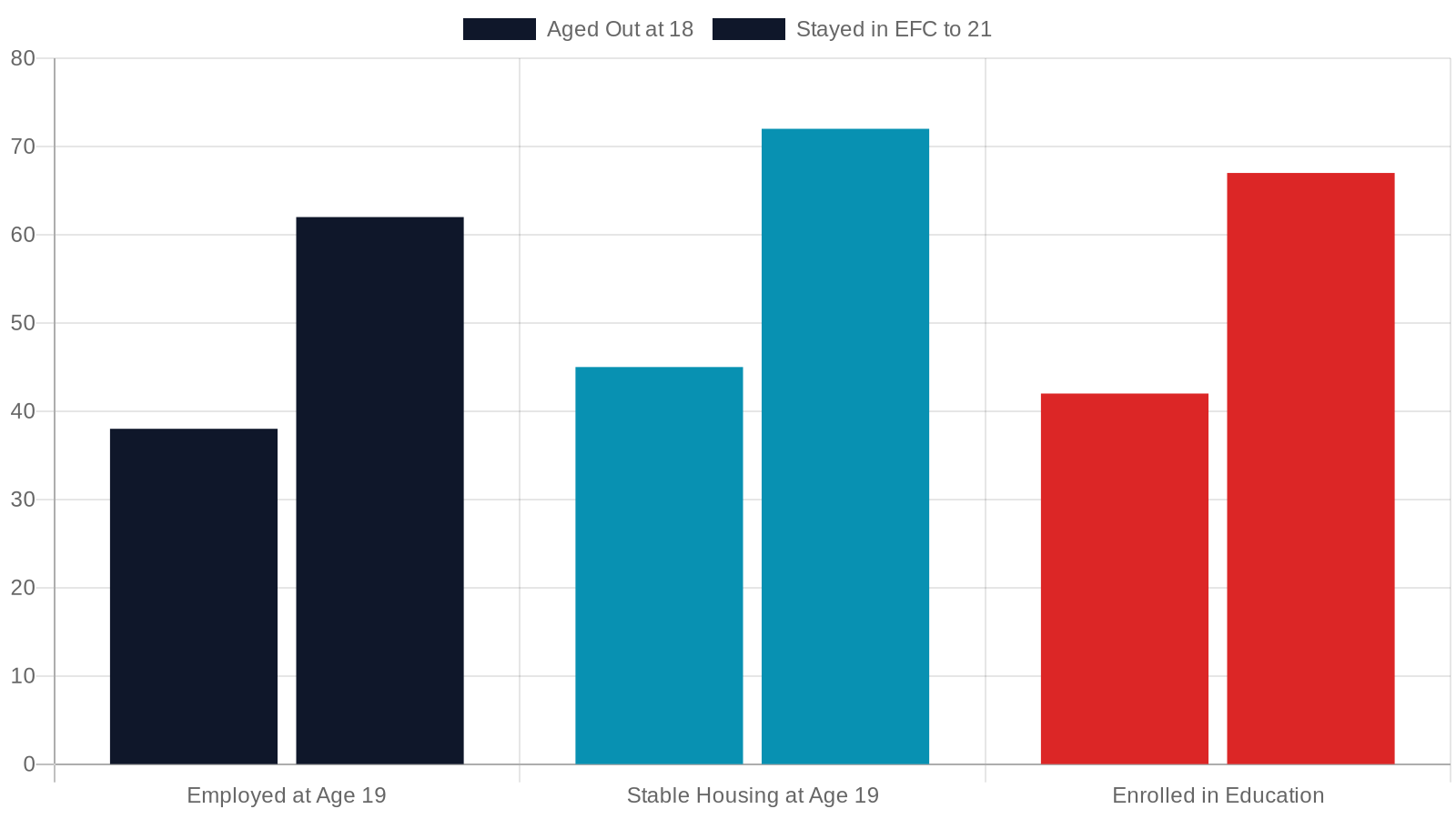
Research consistently shows that young people who remain in extended foster care have significantly better outcomes. According to the National Youth in Transition Database (NYTD), youth who stayed in care until 21 were twice as likely to be employed and 50% less likely to experience homelessness in the two years after exit compared to those who aged out at 18. In Tennessee, roughly 700–900 young people exit foster care each year, and Shelby County accounts for a significant share of those exits. Knowing your right to request EFC is one of the most powerful tools you have.
2. Emergency and Transitional Housing Options in Memphis

Housing instability is the most urgent challenge facing young adults aging out of foster care in Memphis. Shelby County’s Continuum of Care (CoC TN-500) reported that transition-age youth make up approximately 20–25% of the unaccompanied homeless population in the Memphis metro area. The good news: there are programs specifically built for people in your situation — not generic adult shelters, but youth-focused housing with real support attached.
Rapid Rehousing and Transitional Living Programs
If you need a place to stay right now, Memphis has several programs specifically for transition-age youth (TAY) ages 17–24:
- Youth Villages LifeSet — Provides intensive case management and housing support for young adults transitioning out of foster care in Shelby County. LifeSet connects you with housing, employment coaching, and life-skills training.
- Memphis Leadership Foundation / Hope House — Transitional housing for young adults experiencing homelessness, with on-site support services.
- Shelby County CoC Rapid Rehousing — The Shelby County Continuum of Care (CoC, designated TN-500) coordinates rapid rehousing vouchers that help you pay first month’s rent and security deposit while you stabilize.
- The Door of Hope — Offers transitional housing and wraparound services for young women 18–24 in Memphis.
To access CoC-funded programs, you typically need to be assessed through the Coordinated Entry system. Call 211 (available 24/7 in Tennessee) to get connected.
Safe Messaging: What to Do Tonight If You Have Nowhere to Go
If you are unsafe tonight, here are your immediate steps in Memphis:
- Call 211 — Tennessee’s statewide helpline connects you to shelter beds, food, and crisis support around the clock.
- Text HOME to 741741 (Crisis Text Line) if you need to talk to someone right now.
- Visit Memphis Union Mission (383 Poplar Ave) — they have emergency beds for adults 18+.
- If you are under 18, contact DCS at 1-877-DCS-KIDS immediately — you have legal protections.
No shelter is perfect, but getting inside tonight buys you time to access longer-term resources tomorrow.
3. Education Pathways — GED, College, and Vocational Training

Education is one of the most reliable pathways out of housing instability — and as a foster care alumnus in Tennessee, you have access to financial support that most people don’t know exists. Whether you’re working toward a GED, an associate degree, or a trade certification, Memphis has free and low-cost options within reach.
Getting Your GED or High School Diploma in Memphis
Not having a diploma is not a dead end — it’s a starting point. Options in Memphis include:
- Shelby County Schools Adult Education — Free GED prep classes at multiple locations across Memphis. Classes are offered days, evenings, and online.
- Southwest Tennessee Community College (STCC) — Offers free GED testing and adult literacy programs. STCC’s main campus is at 5983 Macon Cove, Memphis.
- Memphis Public Libraries — Free tutoring and GED prep resources at branches across the city, including the Central Library at 3030 Poplar Ave.
The GED exam costs approximately $36 per subject in Tennessee (4 subjects total, $144 maximum), but foster care alumni may qualify for fee waivers — ask your DCS caseworker or a YAAB peer navigator.
College Funding for Foster Care Alumni
Tennessee has some of the strongest financial support for foster care alumni pursuing higher education in the country:
- Tennessee Education Lottery Scholarship (TELS) / Foster Child Tuition Waiver — Foster care alumni who were in DCS custody at age 18 may qualify for a full tuition waiver at any Tennessee public college or university, up to age 26.
- FAFSA Independent Status — As a foster care youth, you automatically qualify as an independent student on the FAFSA, which often increases your Pell Grant eligibility (up to $7,395 per year for 2024–25).
- ETV (Education and Training Voucher) — Up to $5,000 per year for foster care youth and alumni to use for college, vocational school, or training programs. Apply through DCS.

4. Employment and Job Training Resources in Memphis

Getting stable employment is a major step toward independence — and in Memphis, you have more options than a basic job board. Programs built for transition-age youth combine real work experience with coaching, so you’re not just getting a paycheck, you’re building a career foundation. The key is knowing which doors are open to you.
Youth-Focused Job Training Programs
Several Memphis-area programs are designed specifically for young adults who face barriers to employment:
- Memphis Works — A city-backed initiative connecting young adults 16–24 to paid internships, job training, and employment with local employers.
- SCSEP / AARP Foundation — For young adults 18+ who need work experience, subsidized community service placements build your resume while you earn.
- Youth Villages LifeSet Employment Coaching — If you’re enrolled in LifeSet, your coach can help you with job applications, interview prep, and connecting to employers who actively hire foster care alumni.
- Tennessee American Job Centers (AJC) — The Memphis AJC (located at 3299 Summer Ave) offers free career counseling, resume help, and access to the WIOA Youth Program, which provides paid work experiences and occupational skills training for eligible youth 16–24.
Your Rights at Work — What Employers Can and Can't Ask
Knowing your workplace rights protects you from exploitation. Key facts:
- Employers cannot ask about your foster care history during hiring — it is not a protected class under federal law, but Tennessee’s anti-discrimination protections still apply to race, gender, disability, and religion.
- If you have a juvenile record, Tennessee’s expungement law may allow you to clear it, which can remove barriers to employment. Contact Memphis Area Legal Services (MALS) at 901-523-8822 for free legal help.
- The federal Work Opportunity Tax Credit (WOTC) gives employers a tax incentive to hire foster care youth — you can use this as a selling point when job searching.
5. Mental Health and Wellness Support for Foster Care Alumni

Mental health is not a side issue — it is central to everything else working in your life. Research from the Jim Casey Youth Opportunities Initiative found that more than 54% of youth who aged out of foster care reported symptoms of a mental health condition in the two years after exit. In Memphis, free and low-cost options exist, and your TennCare coverage may already pay for them.
Free and Low-Cost Mental Health Services in Memphis
Experiencing housing instability and aging out of foster care takes a real toll on mental health — and that’s not a weakness, it’s a human response to hard circumstances. You deserve support. Options in Memphis include:
- Centerstone Tennessee — Provides outpatient mental health services on a sliding-scale fee basis. Centerstone has multiple Memphis-area locations and accepts TennCare/Medicaid.
- Youth Villages LifeSet — Includes mental health referrals and coaching as part of its wraparound model.
- NAMI Tennessee (Memphis affiliate) — Free peer support groups, education programs, and a helpline (1-800-467-3589) staffed by people with lived experience.
- Crisis Text Line — Text HOME to 741741 anytime, 24/7, for free confidential support.
TennCare and Medicaid — Keeping Your Healthcare Coverage
One of the most important things to know: Tennessee extended Medicaid coverage for foster care alumni to age 26 under federal law. If you were in foster care in Tennessee at age 18, you qualify for TennCare (Tennessee Medicaid) at no cost until your 26th birthday — regardless of income.
This covers doctor visits, mental health therapy, prescriptions, dental, and vision. If you lost coverage, you can re-enroll at any time. Apply online at TennCare Connect (tenncare.gov) or call 1-855-259-0701. Don’t let a gap in coverage stop you from getting mental health support.
6. Know Your Legal Rights as a Foster Care Youth in Tennessee

Knowing your rights is not just empowering — it is practical. Many young adults aging out of foster care in Memphis don’t realize they have legal protections and entitlements that DCS is required to fulfill. This section breaks down the most important rights to know and act on before you exit the system.
Your Rights Under the Foster Care Bill of Rights
Tennessee has a Foster Care Bill of Rights (T.C.A. § 37-2-408) that gives you specific legal protections while you’re in care and as you transition out. Key rights include:
- The right to receive a copy of your personal documents — birth certificate, Social Security card, immunization records, and medical history — at no cost before you exit care.
- The right to participate in your own case planning and be heard at court hearings.
- The right to maintain connections with siblings and important people in your life.
- The right to appeal decisions made by DCS that affect your placement or services.
If you feel your rights have been violated, contact Tennessee’s Office of the Foster Care Ombudsman or reach out to Memphis Area Legal Services (MALS) for free legal representation.
Getting Your Vital Documents Before You Exit
One of the most practical things you can do before aging out is make sure you have every document you need. Without them, you can’t rent an apartment, get a job, or open a bank account. You are legally entitled to receive these for free from DCS:
- Original or certified copy of your birth certificate
- Social Security card
- State ID or driver’s license
- Immunization records and medical history
- Educational records and transcripts
If DCS has not provided these, ask your caseworker in writing and keep a copy. If you’re already out of care and missing documents, the Tennessee Vital Records office (615-741-1763) can help you obtain a birth certificate for approximately $15.
7. Financial Literacy and Building Credit From Zero

Financial instability is one of the top reasons young adults who age out of foster care experience homelessness within two years of exit. Building a financial foundation doesn’t require a lot of money to start — it requires knowing which tools exist and how to use them. In Memphis, there are free financial coaching resources and banking options designed for people starting from scratch.
Opening a Bank Account and Avoiding Predatory Services
Without a banking history, it can feel like the financial system is designed to keep you out. Here’s how to get started in Memphis:
- BancorpSouth / Regions Bank Second Chance Checking — Several Memphis banks offer accounts designed for people with no credit or past banking issues. Ask specifically for a second-chance checking account.
- Memphis Credit Union — Credit unions typically have lower fees and more flexible requirements than big banks.
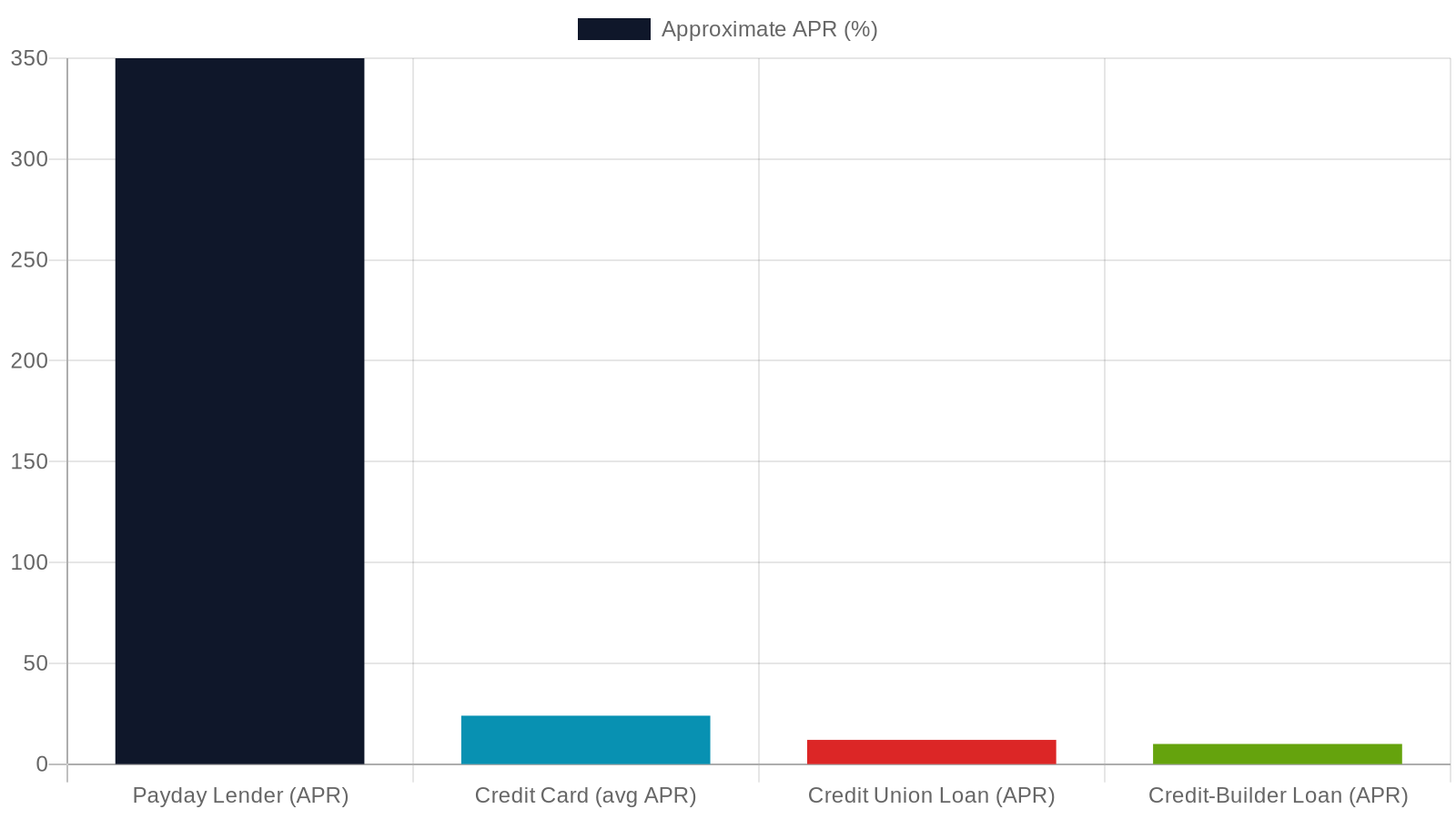
- Avoid check-cashing stores and payday lenders — fees can reach the equivalent of 300–400% APR, trapping you in a cycle of debt. A basic bank account is almost always a better option.
Building Credit as a Young Adult
Credit history affects your ability to rent an apartment, get a phone plan, and even some jobs. Starting from zero is manageable:
- Secured credit cards — You deposit $200–$500 as collateral and use the card like a normal credit card. Paying it off monthly builds your score. Discover and Capital One both offer secured cards with no annual fee.
- Credit-builder loans — Offered by many credit unions (including Mid-South Federal Credit Union in Memphis), these small loans are specifically designed to build your credit score over 12–24 months.
- Become an authorized user — If a trusted person adds you to their credit card, their positive history can boost your score.
- Check your credit for free at AnnualCreditReport.com — you’re entitled to one free report per bureau per year.
Memphis Foster Care Alumni Support Programs at a Glance
Use this table to quickly compare the major programs available to young adults aging out of foster care in Memphis and Shelby County. Eligibility ages and benefit types are approximate — always confirm current details directly with the program.
8. Peer Advocacy — How the Memphis YAAB Can Change Your Life

One of the most powerful resources available to young adults aging out of foster care in Memphis isn’t a program or a voucher — it’s other young people who’ve been through it. Peer advocacy changes outcomes because it combines real-world knowledge with genuine trust. The Memphis-area YAAB is that community, and it’s open to you right now.
What Is the Youth Action Board and Who Is It For?
The Youth Action Board (YAAB) of Tennessee is a statewide network of young adults ages 17–25 with lived experience of homelessness and housing instability. YAAB members aren’t just receiving services — they’re shaping the policies and programs that affect transition-age youth across Tennessee. The Memphis-area YAAB operates within the TN-500 Continuum of Care (Shelby County).
YAAB is for you if:
- You are 17–25 and have experienced homelessness or housing instability
- You have aged out of or are aging out of foster care
- You want to turn your experience into advocacy that helps others
- You want to connect with peers who actually get it
Learn more about what YAAB does and how members drive change across Tennessee’s CoC regions.
Real Benefits of Joining Your Local YAAB
Joining YAAB isn’t just about giving back — members gain real, tangible benefits:
- Leadership development — Public speaking, policy advocacy, and community organizing skills that look great on a resume and college application.
- Peer connections — A network of young adults across Tennessee who share your experience and can connect you to housing, jobs, and education resources.
- Stipends and compensation — YAAB members are often compensated for their time and expertise, because lived experience is valuable.
- A seat at the table — YAAB members advise Continuum of Care boards, state agencies, and policymakers. Your voice shapes real decisions.
Ready to get involved? Join the Youth Action Board and connect with the Memphis-area chapter today.
9. Navigating the Shelby County Continuum of Care (CoC TN-500)

The Continuum of Care system can feel like a maze when you’re trying to access housing support for the first time. Understanding how TN-500 works — and knowing that the Memphis YAAB has a seat inside that system — helps you navigate it with confidence rather than confusion.
What Is a Continuum of Care and Why Does It Matter?
A Continuum of Care (CoC) is a federally designated network of organizations, government agencies, and service providers that coordinate housing and homeless services in a specific region. Shelby County’s CoC is designated TN-500 and covers Memphis and the surrounding area.
The CoC matters to you because it controls access to:
- HUD-funded rapid rehousing and transitional housing vouchers
- The Coordinated Entry system — the official intake process for most housing programs
- Permanent Supportive Housing for young adults with disabilities or complex needs
- Data and planning that shapes which programs get funded in your community
To enter the Coordinated Entry system in Shelby County, call 211 or contact a local service provider who can complete your assessment.
Connecting With the TN-500 YAAB and Local Partners
The TN-500 YAAB is your direct link to the Shelby County CoC as a young person. YAAB members participate in CoC planning meetings, review funding decisions, and advocate for youth-specific programs. You don’t have to understand every policy detail — that’s what the YAAB community is for.
Key local partners in the TN-500 CoC include:
- Memphis and Shelby County Office of Homeless Services
- Youth Villages
- Catholic Charities of West Tennessee
- Metropolitan Inter-Faith Association (MIFA)
- Salvation Army of Memphis
Learn more about the TN-500 Memphis YAAB chapter and how to connect with local CoC partners.
10. Comparison of Key Support Programs Available in Memphis

With so many programs available, it helps to see them side by side. The table below compares the major support categories available to young adults aging out of foster care in Memphis, so you can quickly identify what fits your situation right now.
Your Next Move — Start Here Today

Every resource in this guide is real, accessible, and available to you as a young adult in Memphis navigating life after foster care. The system isn’t perfect — but you don’t have to figure it out alone. Here’s how to take your first concrete steps starting today.
Make a Simple Action Plan This Week
You don’t have to tackle everything at once. Here’s a simple three-step action plan to start this week:
- Step 1 — Call 211 today if you need housing, food, or crisis support. It’s free, confidential, and available 24/7 across Tennessee.
- Step 2 — Ask about Extended Foster Care if you’re under 21 and still connected to DCS. One phone call to your caseworker could keep your Medicaid, housing, and support services active for years longer.
- Step 3 — Connect with the Memphis YAAB — not because you need to give back right now, but because being around people who’ve navigated this system is one of the fastest ways to learn what’s available to you.
Find Every Resource in One Place
You’ve covered a lot of ground in this guide — housing, education, employment, mental health, legal rights, financial literacy, healthcare, peer advocacy, and the Shelby County CoC. The good news is that you don’t have to bookmark every link individually.
The Youth Action Board of Tennessee has compiled a comprehensive directory of housing, education, employment, and support resources for transition-age youth across the state. Explore the full YAAB Tennessee resource directory to find programs in Memphis and every other region of the state — all in one place, organized for young adults like you.
You belong in this community. The Memphis YAAB, the TN-500 CoC, and the young people who’ve walked this path before you are ready to walk alongside you. You’ve already taken the first step by being here.
Frequently Asked Questions
What happens when you age out of foster care in Tennessee at 18?
In Tennessee, aging out at 18 doesn't have to mean losing all support. You have the right to request Extended Foster Care (EFC), which keeps you connected to housing, Medicaid, a caseworker, and a monthly stipend until age 21 — as long as you meet basic participation requirements like school, work, or job training.
Can I get free college tuition if I aged out of foster care in Tennessee?
Yes. Tennessee's Foster Child Tuition Waiver covers full tuition at any Tennessee public college or university for foster care alumni who were in DCS custody at age 18, up to age 26. You may also qualify for up to $7,395/year in Pell Grant funding and up to $5,000/year through the Education and Training Voucher (ETV) program.
Where can I find emergency housing in Memphis if I have nowhere to go tonight?
Call 211 — it's free, confidential, and available 24/7 across Tennessee. You can also visit Memphis Union Mission at 383 Poplar Ave for emergency beds. If you're under 18, call DCS at 1-877-327-5437 immediately. For longer-term housing, ask 211 about Coordinated Entry for the Shelby County CoC (TN-500).
How do I keep my Medicaid after aging out of foster care in Tennessee?
If you were in Tennessee foster care at age 18, you qualify for TennCare (Tennessee Medicaid) at no cost until your 26th birthday, regardless of income. If you've lost coverage, you can re-enroll anytime at tenncare.gov or by calling 1-855-259-0701.
What is the Youth Action Board (YAAB) and how do I join in Memphis?
The Youth Action Board (YAAB) of Tennessee is a statewide network of young adults ages 17–25 with lived experience of homelessness or housing instability who shape policies and programs for transition-age youth. The Memphis chapter operates within the TN-500 Continuum of Care. Visit yaabtn.org/join to get connected.
What documents am I entitled to receive before aging out of foster care in Tennessee?
Under Tennessee law, DCS must provide you — at no cost — with your birth certificate, Social Security card, state ID or driver's license, immunization records, medical history, and educational transcripts before you exit care. If these haven't been provided, request them in writing from your caseworker or contact Memphis Area Legal Services at 901-523-8822 for free legal help.