Quick answer: The Youth Action Board (YAAB) for Knoxville and Knox County — known as TN-501 — is a peer-led group of young adults ages 17 to 25 who have lived through homelessness or housing instability. They advise local leaders, shape Continuum of Care policies, and connect peers to real resources across East Tennessee. If you're a young person in Knoxville dealing with housing insecurity, or you want to turn your experience into advocacy and leadership, YAAB TN-501 is built for you — and by people who get it.
1. What Is the Youth Action Board and Why Does It Exist?

Before diving into what YAAB TN-501 does specifically in Knoxville, it helps to understand the bigger picture — what the Youth Action Board is, where it came from, and why the peer-led model it uses is so powerful for transition-age youth across Tennessee.
A Statewide Network Rooted in Lived Experience
The Youth Action Board of Tennessee (YAAB) is a statewide network of young adults — ages 17 to 25 — who have personally experienced homelessness or housing instability. YAAB isn’t a program that happens to young people; it’s a movement led by young people. Members sit at the table with Continuum of Care (CoC) coordinators, city officials, and nonprofit directors to make sure the voices shaping policy actually reflect the lives being affected.
Across Tennessee, YAAB chapters are organized by CoC region. Each region has its own local board that understands the unique landscape of that community — the shelters, the job market, the transit gaps, the school systems. The Knoxville/Knox County chapter operates under the CoC designation TN-501, one of nine regional YAABs statewide.
Why Peer-Led Advocacy Matters
Research consistently shows that programs designed with input from the people they serve produce better outcomes. A 2022 report from the National Alliance to End Homelessness found that youth-informed housing programs had 34% higher retention rates than those designed without youth input. When a young adult who has slept in a car or couch-surfed for months helps write the intake process for a shelter, that process gets more humane, more practical, and more effective.
YAAB exists because the systems meant to help transition-age youth often miss the mark — not out of bad intentions, but out of distance. YAAB closes that distance. Members aren’t consultants brought in after decisions are made; they’re co-designers from the start.
2. Understanding the Knoxville/Knox County CoC Region (TN-501)

To understand what YAAB TN-501 does in Knoxville, you need to understand the system it operates within — the Continuum of Care — and why that system matters so much for young adults navigating housing instability in East Tennessee.
What Is a Continuum of Care?
A Continuum of Care (CoC) is a regional planning body that coordinates housing and services for people experiencing homelessness. CoCs are funded and overseen by the U.S. Department of Housing and Urban Development (HUD). They bring together nonprofits, government agencies, faith communities, and — thanks to YAAB — young people with lived experience, all working toward the shared goal of making homelessness rare, brief, and non-recurring.
The Knoxville/Knox County CoC (TN-501) covers the city of Knoxville and Knox County. It includes dozens of partner organizations managing everything from emergency shelter beds to rapid rehousing funds to permanent supportive housing units. In the most recent HUD Point-in-Time Count, the TN-501 region documented over 400 individuals experiencing homelessness on a single night — and youth ages 18–24 represent a significant and often undercounted segment of that population.
How Youth Fit Into the CoC System
Transition-age youth (TAY) — defined by HUD as individuals ages 16 to 24 — face unique barriers that adult-focused systems weren’t built to address. Young people are more likely to experience hidden homelessness: couch-surfing, staying with friends or relatives temporarily, or living in unsafe situations that don’t show up in official counts. They may avoid shelters due to safety concerns, age restrictions, or past negative experiences with systems like foster care or juvenile justice.
Within the TN-501 CoC, YAAB members advocate specifically for youth-tailored solutions — like lower-barrier shelter options, youth-specific rapid rehousing programs, and trauma-informed intake processes. Their presence in CoC planning meetings ensures that when funding decisions are made, young people’s realities are part of the conversation.
3. Who Can Join YAAB TN-501 in Knoxville?

One of the most common questions young adults in Knoxville ask is: Is this for me? Here’s the straightforward answer — if you’re between 17 and 25 and you’ve dealt with housing instability in any form, YAAB TN-501 was literally built for you.
Age and Experience Requirements
YAAB TN-501 is open to young adults who are between the ages of 17 and 25 and who have lived experience of homelessness or housing instability. That experience can take many forms: sleeping outside, staying in a shelter, couch-surfing, living in a car, aging out of foster care without stable housing, or any other situation where you lacked a safe, stable place to call home.
You don’t need a perfect story or a certain type of experience. You don’t need to currently be homeless. Many YAAB members are young people who have stabilized their housing and now want to use what they went through to help others and change the systems that failed them. Your experience — whatever it looks like — is exactly what makes you qualified.
What About Young Adults Aging Out of Foster Care?
Young adults aging out of Tennessee’s foster care system are especially encouraged to get involved with YAAB. Research from Chapin Hall’s Voices of Youth Count study found that youth who aged out of foster care were nearly twice as likely to experience homelessness within two years of leaving care compared to their non-foster-care peers. In Tennessee, young people typically age out of foster care at 18, though extended care options exist up to age 21 under certain circumstances.
YAAB members who have aged out of foster care bring a critical perspective to policy conversations about extended foster care, transitional housing, and the gaps between child welfare and adult systems. Their voices have directly influenced how Tennessee’s CoC regions approach youth-specific housing programs.
4. What YAAB Members Actually Do: Real Roles, Real Impact

Joining YAAB isn’t just about showing up — it’s about doing real work that changes real systems. Here’s a breakdown of what membership actually looks like day-to-day in the Knoxville region.
Advising and Shaping Local Policy
YAAB members in Knoxville don’t just attend meetings — they shape agendas. Members participate in TN-501 CoC planning sessions, provide feedback on grant applications, review program designs, and present recommendations to local government bodies. When the CoC applies for HUD funding, YAAB members help ensure that youth-specific priorities are included in those applications — which directly affects how millions of dollars in federal housing funds get spent in Knox County.
This is real policy work. Members learn how to read grant documents, understand funding streams like the Emergency Solutions Grant (ESG) and Continuum of Care Program grants, and translate complex bureaucratic language into plain-language feedback that actually gets heard.
Peer Outreach and Resource Connection
Beyond the policy table, YAAB members serve as trusted connectors in their communities. Because they’ve navigated the same systems their peers are struggling with, they can speak authentically about what resources actually work — and which ones have gaps. Members help connect other young adults to housing programs, employment services, GED pathways, mental health support, and more.
This peer-to-peer model is powerful precisely because it removes the power imbalance that can make formal service systems feel intimidating or unsafe. When someone your age who has been through it tells you about a resource, you’re more likely to trust it and use it.
Advocacy and Public Voice
YAAB members also show up in public-facing advocacy spaces — testifying at city council meetings, participating in statewide advocacy days at the Tennessee State Capitol, contributing to reports and media, and sharing their stories (on their own terms) to humanize the issue of youth homelessness for policymakers and the public. This kind of advocacy has tangible effects: YAAB members across Tennessee have contributed to changes in how youth are counted in Point-in-Time surveys, how youth-specific beds are funded, and how CoC regions prioritize transition-age youth in their strategic plans.
5. Housing Resources Available to Young Adults in Knox County
Understanding what housing resources exist in Knox County — and how to access them — is one of the most practical things YAAB can help with. Here’s a plain-language breakdown of the main housing pathways available to young adults in the Knoxville area.
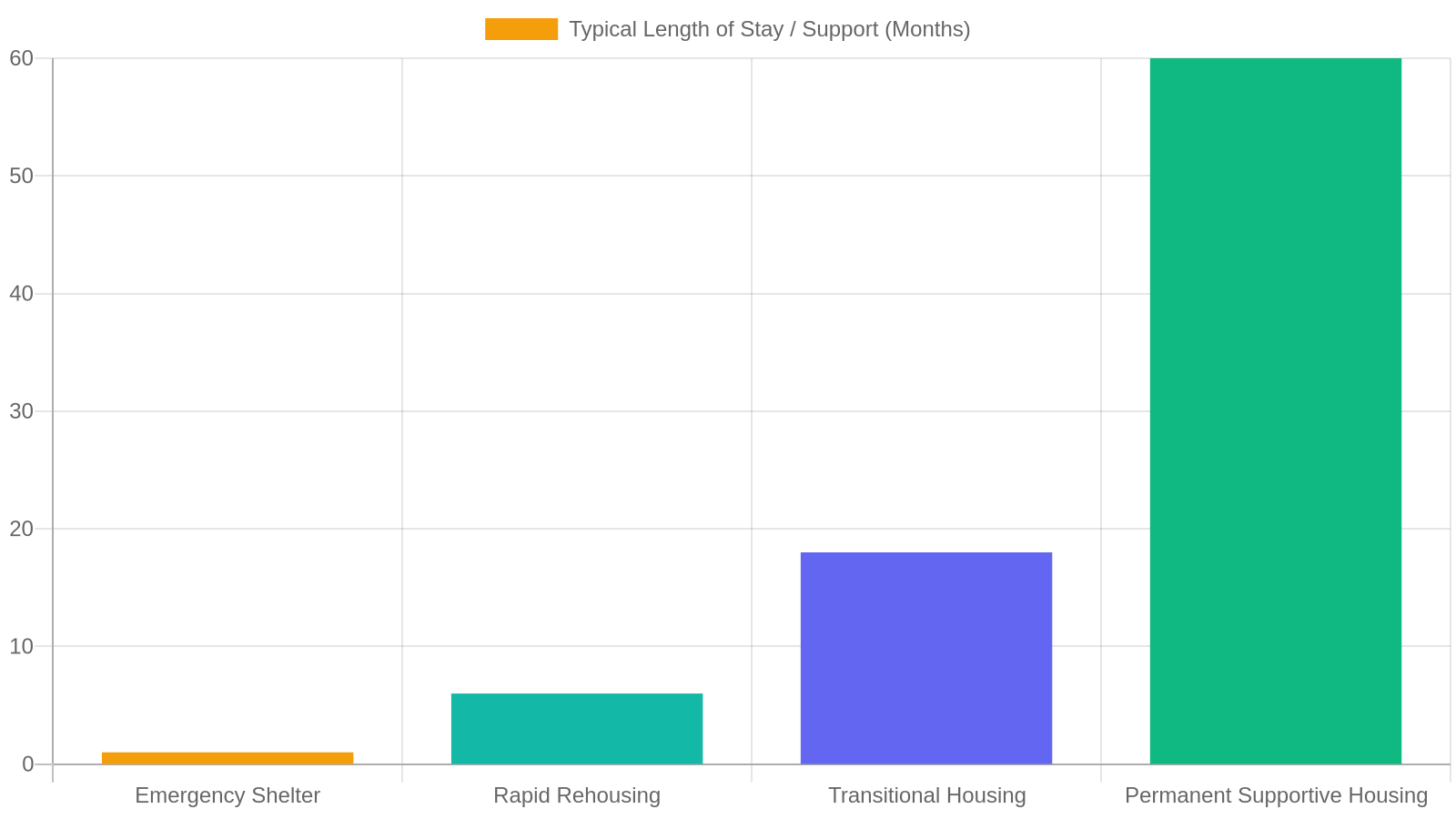
Emergency Shelter and Immediate Safety
If you’re in Knoxville and need a safe place tonight, the TN-501 CoC includes emergency shelter options for young adults. Organizations like Volunteer Ministry Center and KARM (Knox Area Rescue Ministries) provide emergency shelter, though availability and eligibility vary. Young adults should also know about the Tennessee 211 hotline — dial or text 211 from anywhere in the state to get connected to local shelter, food, and crisis resources 24/7. It’s free, confidential, and available in multiple languages.
YAAB members in Knoxville can also help you navigate which shelters are safest and most appropriate for your specific situation — that peer knowledge is one of the most valuable things YAAB offers.
Rapid Rehousing and Transitional Housing
Rapid Rehousing (RRH) programs provide short-term rental assistance and case management to help young adults move quickly from homelessness into stable housing. In Knox County, several CoC-funded organizations administer RRH specifically for youth. These programs typically cover first month’s rent, security deposit, and a few months of rental assistance while you stabilize — the goal is to get you housed fast and then support you in maintaining that housing.
Transitional housing programs offer a longer runway — typically 12 to 24 months — in a structured living environment where you can work on goals like employment, education, and savings before moving into independent housing. Ask your case manager or a YAAB peer about which programs currently have openings in the Knoxville area, as availability changes frequently.
Permanent Supportive Housing for Youth
For young adults with more complex needs — including those with disabilities, mental health conditions, or long-term housing instability — Permanent Supportive Housing (PSH) provides stable, long-term housing paired with ongoing support services. HUD prioritizes PSH funding through the CoC program, and YAAB members have advocated for more youth-designated PSH units in the TN-501 region. While PSH waitlists can be long, getting on the list early is important — talk to a case manager or CoC-connected organization to start the process.
6. Education, Employment, and Financial Tools for Knoxville Youth

Stable housing is the foundation — but education, employment, and financial skills are what make that stability last. Here’s what’s available to young adults in the Knoxville area beyond just a roof over your head.
GED and Education Pathways in Knox County
If you left school before graduating, a GED opens doors — to jobs, to college, to apprenticeships. In Knox County, Tennessee College of Applied Technology (TCAT) Knoxville and Pellissippi State Community College both offer GED preparation and adult education programs, many at low or no cost. Tennessee’s Drive to 55 initiative has expanded access to free community college through the Tennessee Promise and Tennessee Reconnect programs — if you’re 18 or older and haven’t completed a college degree, Tennessee Reconnect may cover your tuition at a community college.
YAAB members can help you figure out which education pathway fits your situation and connect you with advisors who understand the specific challenges transition-age youth face when returning to school.
Employment Programs and Workforce Development
The Knox County Career Center (part of the Tennessee Department of Labor and Workforce Development) provides free job search assistance, resume help, interview coaching, and access to training programs. Young adults ages 16–24 who face barriers to employment may also qualify for WIOA Youth Program services — the Workforce Innovation and Opportunity Act funds individualized career planning, paid work experiences, and occupational skills training specifically for youth.
Several Knoxville nonprofits also run youth employment programs with wraparound support. Ask your YAAB contact or case manager about current openings — programs change seasonally and funding cycles affect availability.
Financial Literacy and Banking Access
Building financial stability starts with the basics: a bank account, a budget, and an understanding of credit. Many young adults experiencing homelessness have never had a bank account or have ChexSystems records that make opening one difficult. Second-chance checking accounts — offered by some credit unions and banks — are designed for people with past banking problems. In Knoxville, Knoxville TVA Employees Credit Union and other local credit unions may offer youth-friendly account options.
Free financial coaching is also available through some CoC partner organizations. Learning to track income, save even small amounts, and understand credit scores are skills that directly support housing stability — and YAAB members often share these resources peer-to-peer.
7. Mental Health and Wellness Support for Transition-Age Youth

Taking care of your mental health isn’t a luxury — it’s a survival skill. Here’s what you should know about mental wellness support available to young adults in the Knoxville/Knox County area, and why YAAB treats it as central to the work.
Why Mental Health Is a Housing Issue
Homelessness and housing instability don’t just affect where you sleep — they affect your mental health, your sense of safety, and your ability to plan for the future. Research from the Substance Abuse and Mental Health Services Administration (SAMHSA) estimates that up to 50% of youth experiencing homelessness have a diagnosable mental health condition, and many more carry the weight of trauma without a formal diagnosis. This isn’t a character flaw — it’s a predictable response to unpredictable, unsafe circumstances.
YAAB recognizes that mental wellness is inseparable from housing stability. That’s why members advocate for trauma-informed approaches in every program they help shape — from shelter intake to case management to employment services.
Mental Health Resources in Knox County
In Knoxville, Helen Ross McNabb Center is a major provider of mental health and substance use services, including programs specifically for young adults. They offer sliding-scale fees and accept TennCare (Tennessee’s Medicaid program). If you don’t have insurance, you may still qualify for TennCare — eligibility expanded under Tennessee’s Medicaid program, and many young adults who were previously ineligible now qualify.
The Crisis Text Line (text HOME to 741741) and the 988 Suicide and Crisis Lifeline (call or text 988) are free, confidential, and available 24/7. These aren’t just for emergencies — they’re for any moment when you need to talk to someone who will listen without judgment.
Tennessee YAAB Regions at a Glance: How TN-501 Fits the Statewide Picture
Each of Tennessee's nine YAAB regions serves a distinct community with its own housing landscape. Here's how the Knoxville/Knox County board (TN-501) compares to other regional YAABs across key dimensions.
8. Knowing Your Rights as a Young Adult Experiencing Homelessness

You have rights — and knowing them can change everything. Here’s a plain-language overview of the legal protections that apply specifically to young adults experiencing homelessness in Tennessee.
The McKinney-Vento Act and Your Education Rights
If you’re under 21 and experiencing homelessness, the McKinney-Vento Homeless Assistance Act protects your right to enroll in and attend school — even without a permanent address, immunization records, or school transcripts. Every Tennessee school district is required to have a McKinney-Vento liaison who can help you enroll and access transportation. If you’re trying to finish high school or get your GED, don’t let a lack of stable housing stop you from pursuing it — the law is on your side.
LGBTQ+ Youth and Shelter Rights
LGBTQ+ young adults are significantly overrepresented among youth experiencing homelessness — national estimates suggest they make up 20–40% of youth experiencing homelessness while representing roughly 7% of the general youth population. In Tennessee, HUD’s Equal Access Rule requires that CoC-funded shelters provide equal access regardless of sexual orientation or gender identity. If you experience discrimination in a HUD-funded shelter, you have the right to file a complaint with HUD’s Office of Fair Housing and Equal Opportunity.
YAAB members advocate for safer, more affirming shelter environments across all Tennessee CoC regions — including TN-501 in Knoxville.
Unaccompanied Youth and Legal Protections
Young adults ages 18 and older have full legal rights to access services, sign leases, and make their own decisions — no parental consent required. If you’re 17 and unaccompanied, the legal landscape is more complex, but many programs have provisions for minors. Tennessee law also allows certain minors to be declared legally emancipated, which can expand access to services. A legal aid organization like Legal Aid of East Tennessee can help you understand your options if you’re navigating these situations.
9. How YAAB TN-501 Compares to Other Tennessee Regional Boards

YAAB TN-501 doesn’t operate in isolation — it’s part of a nine-region statewide network. Understanding how Knoxville’s board fits into the bigger picture helps you see both the local impact and the statewide power of youth-led advocacy in Tennessee.
A Statewide Network, Locally Rooted
While every YAAB chapter shares the same core mission — centering youth lived experience in CoC decision-making — each regional board reflects the specific community it serves. The Knoxville/Knox County board (TN-501) operates in a mid-sized city with a strong university presence (University of Tennessee), a growing economy, and a distinct set of housing challenges including rising rents and limited youth-specific shelter capacity.
Other Tennessee YAABs serve very different contexts: the Memphis/Shelby County board (TN-500) operates in Tennessee’s largest city with the highest rates of concentrated poverty; the Nashville/Davidson board (TN-502) navigates one of the fastest-growing and most expensive housing markets in the Southeast; and rural boards like Upper Cumberland (TN-506) deal with geographic isolation and limited public transit. Understanding these differences helps YAAB members advocate for solutions that actually fit their region.
Shared Resources Across Regions
Despite regional differences, all Tennessee YAABs share resources, training, and advocacy strategies through the statewide YAAB network. Members from Knoxville have participated in joint advocacy days at the Tennessee State Capitol alongside peers from Memphis, Nashville, Chattanooga, Jackson, and other regions. This cross-regional solidarity amplifies the voice of transition-age youth across the entire state — making it harder for any single policy to ignore the needs of young people statewide.
10. How to Get Involved with YAAB TN-501 in Knoxville

Ready to turn your experience into something powerful? Here’s exactly how to get connected with the Knoxville/Knox County Youth Action Board — whether you’re a young adult ready to join, or a service provider who wants to support the work.
First Steps: Reaching Out and Showing Up
Getting involved with YAAB TN-501 starts with a simple step: reaching out. You don’t need a polished resume, a perfect story, or any prior advocacy experience. What you need is a willingness to show up and share your perspective. YAAB members come from all kinds of backgrounds — some are currently housed, some are still navigating instability, some have been involved in advocacy for years, and some are brand new to it.
The best way to connect is to visit the YAAB TN-501 page to find current contact information, meeting schedules, and ways to get plugged in with the Knoxville/Knox County board. You can also explore the full list of Tennessee YAAB regional chapters if you’re in a neighboring county and want to find the board closest to you.
What to Expect When You Join
New members typically start by attending YAAB meetings — which may be in-person, virtual, or hybrid depending on the region and current circumstances. You’ll meet other young adults who have been through similar experiences, learn about the CoC system and how it works, and start identifying where your voice and skills can make the most difference. Some members get deeply involved in policy advocacy; others focus on peer outreach or communications. There’s room for different strengths and comfort levels.
YAAB is also a place to build skills that matter beyond advocacy — public speaking, meeting facilitation, grant literacy, community organizing, and professional networking. Many YAAB alumni have gone on to careers in social work, public policy, nonprofit management, and community health.
Supporting YAAB as a Service Provider or Partner
If you’re a case manager, CoC partner, or service provider reading this — YAAB TN-501 needs your support too. The most meaningful thing you can do is create genuine pathways for the young adults you serve to participate in YAAB. That means sharing information about YAAB at intake, providing transportation or stipends where possible, and trusting youth voices in your own program design. You can also learn more about YAAB’s mission and structure to understand how to become a stronger ally to the young people you work with.
Frequently Asked Questions
What is the Youth Action Board in Knoxville Tennessee?
The Youth Action Board (YAAB) TN-501 is the Knoxville/Knox County chapter of a statewide network of young adults ages 17–25 with lived experience of homelessness. Members advise the local Continuum of Care, shape housing policy, and connect peers to resources across East Tennessee.
How do I join YAAB in Knoxville?
Visit yaabtn.org/local-yaabs/tn-501/ to find current contact information and meeting details for the Knoxville/Knox County board. You need to be between 17 and 25 years old and have lived experience of homelessness or housing instability — no prior advocacy experience required.
What housing help is available for young adults in Knox County Tennessee?
Knox County has emergency shelter, rapid rehousing, transitional housing, and permanent supportive housing options for young adults. Call or text 211 to get connected to current resources. YAAB members can also help you navigate which programs fit your situation.
Can I join YAAB if I'm no longer homeless?
Yes. Many YAAB members have already stabilized their housing and join because they want to use their experience to help others and change the systems that affected them. Your past experience is what qualifies you — your current housing status does not disqualify you.
What rights do young adults have when experiencing homelessness in Tennessee?
Young adults under 21 have education rights under the McKinney-Vento Act, including the right to enroll in school without a permanent address. Adults 18 and older can access services and sign leases without parental consent. LGBTQ+ youth have equal access rights in HUD-funded shelters under the Equal Access Rule.
How is the Knoxville YAAB different from other Tennessee YAABs?
Each YAAB chapter is tailored to its region. The Knoxville/Knox County board (TN-501) focuses on the specific housing challenges of East Tennessee — including rising rents and limited youth-specific shelter — while connecting to the broader statewide YAAB network for shared advocacy and resources.