Quick answer: If you're a young adult ages 17 to 25 in Chattanooga or Hamilton County, Tennessee, and you've experienced homelessness or housing instability, the Youth Action Board (YAAB) and the local Continuum of Care (CoC) are built for you. The Chattanooga-area CoC — known as TN-500 — coordinates housing and support services across the region, and YAAB members with lived experience sit at the table to shape those decisions. This guide breaks down what the CoC is, how YAAB works inside it, and exactly how you can get involved, access resources, and turn your experience into leadership.
1. What Is a Continuum of Care — and Why Does It Matter to You?

If you’ve heard the term “Continuum of Care” thrown around by a case manager or seen it on a flyer and had no idea what it meant — you’re not alone. Most people outside the system don’t know what a CoC is, even though it directly controls the housing resources available in their city. Here’s what you actually need to know.
The Basic Definition, in Plain Language
A Continuum of Care (CoC) is a regional network of organizations — nonprofits, government agencies, shelters, and service providers — that work together to prevent and end homelessness. The U.S. Department of Housing and Urban Development (HUD) funds and oversees these networks across the country. In Tennessee, there are nine CoC regions, each covering a specific geographic area and receiving federal dollars to coordinate housing resources.
The Chattanooga and Hamilton County area falls under TN-500, which is one of the largest and most active CoCs in the state. TN-500 covers Hamilton County and coordinates everything from emergency shelter to rapid rehousing to permanent supportive housing for people of all ages — including transition-age youth like you.
How CoC Funding Flows to Real Programs
Each year, HUD releases a Notice of Funding Opportunity (NOFO) and CoCs compete for grants. In fiscal year 2023, HUD awarded approximately $3.16 billion nationally through the CoC program. Tennessee CoCs received millions of those dollars, which flow into local programs you can actually use — rapid rehousing assistance, transitional housing, outreach teams, and case management.
For transition-age youth specifically, CoC-funded programs are required to prioritize youth-specific housing interventions. That means Chattanooga’s TN-500 network includes providers who are specifically trained to work with young adults ages 17 to 25 — not just adults or families with children.
Why Youth Voices Are Required at the CoC Table
HUD’s CoC regulations require that CoCs include people with lived experience of homelessness in their governance and planning. This isn’t optional — it’s a federal requirement. That’s exactly why the Youth Action Board exists: YAAB members fill that seat at the table, making sure that the young adults most affected by these policies are the ones helping to write them. Without youth voices, CoC decisions get made by people who’ve never slept in a car or aged out of foster care with nowhere to go.
2. TN-500: Chattanooga and Hamilton County's CoC Region

Tennessee’s nine CoC regions each have their own identity, funding priorities, and network of providers. Understanding which region you’re in — and what it covers — is the first step to knowing what resources you can access. For young adults in Chattanooga, that region is TN-500.
What TN-500 Covers Geographically
TN-500 is the CoC designation for the Chattanooga metropolitan area, centered in Hamilton County. The region includes the city of Chattanooga itself — Tennessee’s fourth-largest city with a population of roughly 181,000 — along with surrounding communities in Hamilton County. The CoC coordinates services across urban neighborhoods, suburban areas, and some rural pockets of the county.
Because Chattanooga sits at the intersection of Tennessee, Georgia, and Alabama, many young adults in the region move across state lines. TN-500 focuses on Tennessee residents, but case managers in the network are often aware of resources in neighboring states and can help connect you regardless of where you’ve been.
Key Organizations in the TN-500 Network
TN-500 is made up of dozens of partner organizations. Some of the major players in the Chattanooga area include emergency shelters, rapid rehousing providers, mental health agencies, and workforce development programs. Organizations like Chattanooga Regional Homeless Coalition serve as the CoC lead agency, coordinating the Homeless Management Information System (HMIS) and the annual Point-in-Time (PIT) count.
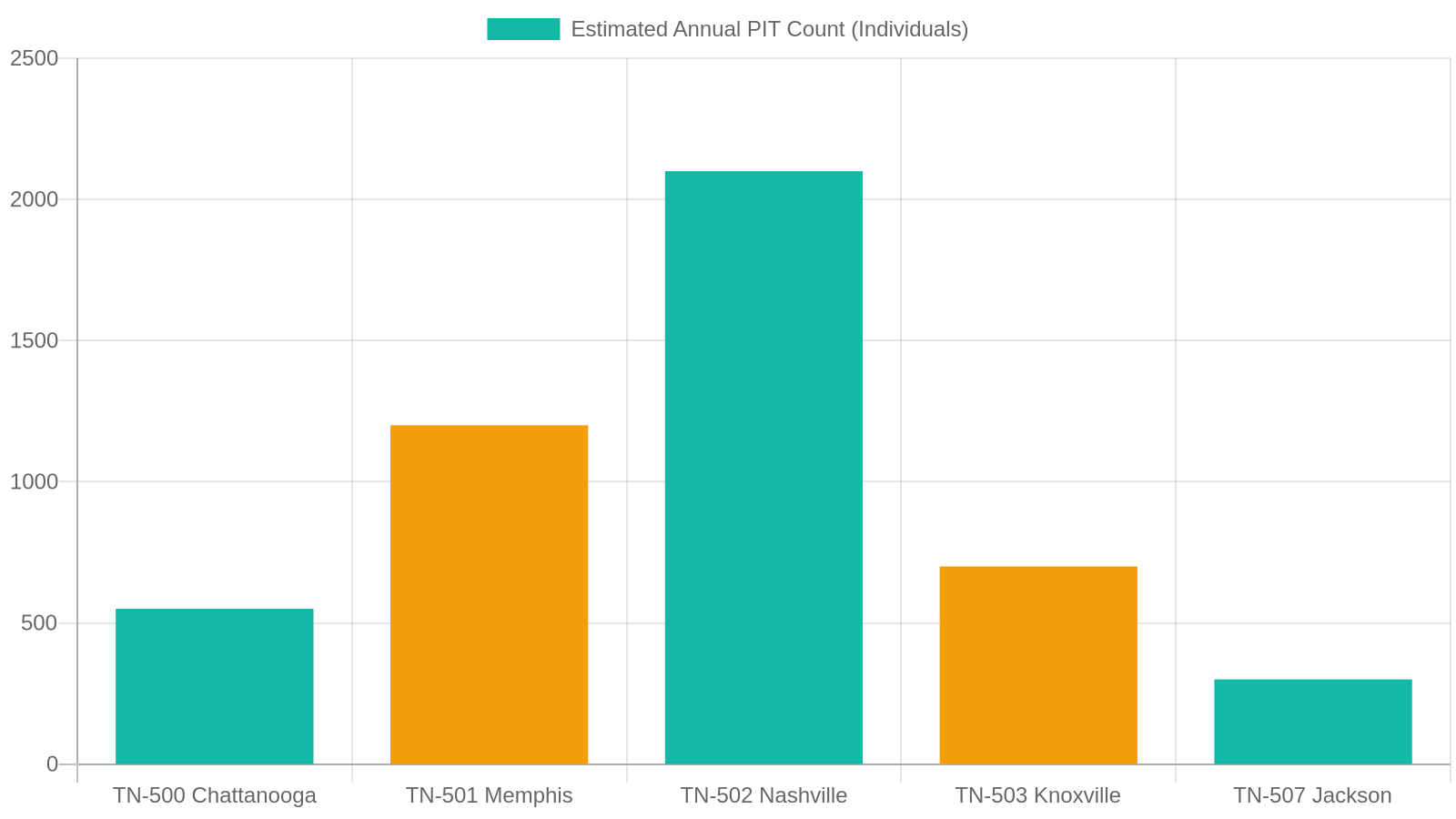
The 2023 Point-in-Time count identified approximately 500–600 individuals experiencing homelessness on a single night in the Chattanooga area, though advocates consistently note that youth homelessness is significantly undercounted because many young adults are couch-surfing, doubling up, or otherwise not visible to street outreach teams.
Youth-Specific Programs Within TN-500
Within TN-500, several programs specifically serve transition-age youth ages 17 to 25. These include Host Home programs (where a vetted community host provides short-term housing), rapid rehousing (short-term rental assistance plus case management to help you get into your own place quickly), and transitional housing (longer-term supported living while you build stability). Eligibility and availability shift over time, so connecting with a CoC-affiliated case manager is the fastest way to find out what’s open right now in Chattanooga.
3. What Is the Youth Action Board (YAAB) and How Does It Work?

YAAB is the bridge between young people who’ve lived through housing instability and the systems that are supposed to help them. Here’s a clear picture of what the organization is, how it’s structured, and what membership actually looks like in practice.
YAAB's Mission and Structure
The Youth Action Board of Tennessee (YAAB) is a statewide network of young adults ages 17 to 25 who have lived experience of homelessness or housing instability. YAAB operates across all nine of Tennessee’s CoC regions, with local chapters — called Local YAABs — embedded in each one. The Chattanooga-area Local YAAB is part of the TN-500 region.
YAAB members aren’t just recipients of services — they’re advisors, advocates, and decision-makers. They sit on CoC governance boards, participate in policy committees, review funding applications, and bring the real-world perspective that makes those systems more effective. YAAB is peer-led, meaning the people running it have walked the same road as the people they’re serving.
What YAAB Members Actually Do Day to Day
Being a YAAB member looks different depending on the region and the member’s interests, but common activities include:
- Attending CoC meetings and providing youth perspective on agenda items like funding priorities and program design
- Participating in advocacy campaigns at the local, state, and federal level — including trips to Nashville and Washington, D.C.
- Conducting peer outreach to connect other young adults to housing and support services
- Developing resources like guides, toolkits, and social media content for transition-age youth
- Sharing lived experience testimony with policymakers, funders, and the public
Members are compensated for their time through stipends, because YAAB recognizes that your time and expertise have real value.
The Lived-Experience Requirement
To join YAAB, you need to be between 17 and 25 years old and have personal experience with homelessness or housing instability. That includes sleeping outside, staying in a shelter, couch-surfing, doubling up with family or friends because you had nowhere else to go, or aging out of foster care without stable housing. You don’t need a perfect story or a specific type of experience — if housing has been a struggle for you, your perspective belongs in the room.
4. Why Transition-Age Youth Face Unique Housing Challenges in Chattanooga

To understand why YAAB exists and why youth-specific advocacy matters in Chattanooga, it helps to understand the specific barriers that transition-age youth face — barriers that are different from what older adults or families experience when they lose housing.
The 17-to-25 Gap in the System
Transition-age youth occupy an awkward space in the homeless services system. Many shelters and programs are designed either for families with children or for single adults over 25. Young adults ages 17 to 25 often fall through the cracks — too old for child welfare systems, too young to feel safe in adult shelters, and too new to adulthood to have the credit history, rental history, or income that landlords require.
Nationally, approximately 4.2 million young adults experience homelessness each year, according to research by Chapin Hall at the University of Chicago. In Tennessee, youth homelessness is concentrated in urban areas like Chattanooga, Memphis, and Nashville, but also affects rural and suburban communities where services are even harder to find.
Aging Out of Foster Care in Hamilton County
One of the highest-risk groups for youth homelessness in Chattanooga is young people aging out of Tennessee’s foster care system. In Tennessee, youth in foster care can receive extended services through Tennessee’s Extended Foster Care (EFC) program up to age 21, but many young people don’t know about it or aren’t connected to it when they turn 18. Research consistently shows that former foster youth are 2 to 3 times more likely to experience homelessness than their peers who didn’t grow up in care.
Hamilton County’s Department of Children’s Services (DCS) works with CoC partners to try to bridge this gap, but YAAB members in Chattanooga have consistently identified the transition out of foster care as one of the most urgent pressure points in the local system.
LGBTQ+ Youth and Disproportionate Risk
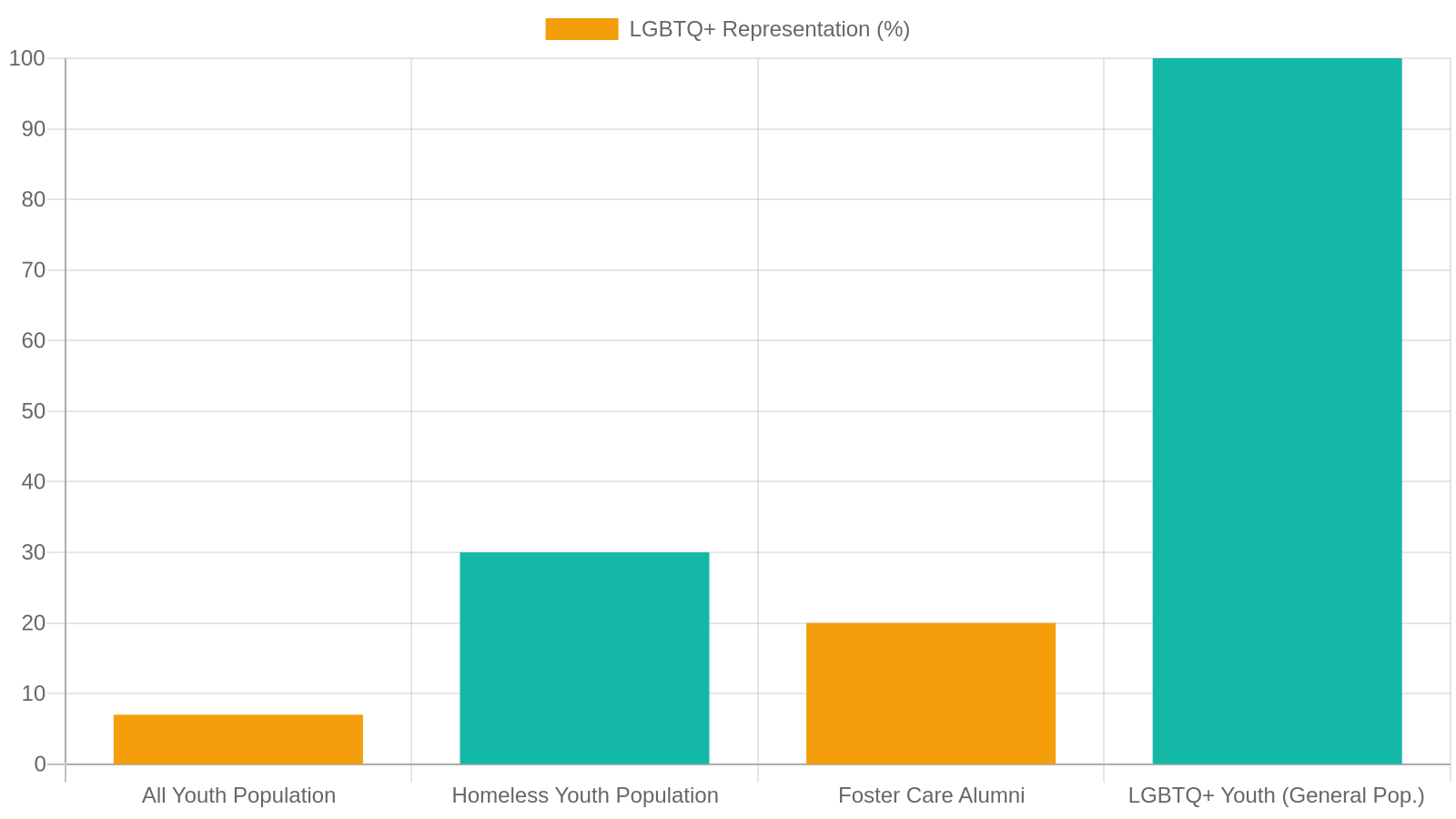
LGBTQ+ young adults are significantly overrepresented among youth experiencing homelessness. Studies estimate that 20 to 40 percent of homeless youth identify as LGBTQ+, despite making up roughly 7 to 10 percent of the general youth population. Family rejection is the leading driver. In Chattanooga, as in many Southern cities, LGBTQ+ youth face additional barriers including discrimination in shelter settings and limited access to affirming services. YAAB actively advocates for LGBTQ+-affirming practices across Tennessee’s CoC network.
5. Housing Resources Available to Youth in the TN-500 Region

Knowing what resources exist in Chattanooga’s TN-500 region — and how to access them — can be the difference between a crisis and a turning point. Here’s a breakdown of the main types of support available to transition-age youth right now.
Emergency Shelter and Immediate Safety
If you need a safe place to sleep tonight in Chattanooga, the first step is reaching out to the local CoC’s coordinated entry system. Coordinated Entry is a standardized process that assesses your needs and connects you to the most appropriate available resource — whether that’s emergency shelter, a host home, or rapid rehousing assistance. Calling 211 in Tennessee connects you to a live operator who can help you navigate local resources 24 hours a day.
Emergency shelter for youth in the Chattanooga area is limited, and beds fill up fast — which is exactly why YAAB advocates for more youth-specific shelter capacity in TN-500. Knowing your options before a crisis hits is always better than scrambling in the moment.
Rapid Rehousing: Getting Into Your Own Place Fast
Rapid Rehousing (RRH) is one of the most effective interventions for transition-age youth. It provides short-term rental assistance — typically 3 to 12 months — plus case management to help you find and keep stable housing. The goal is to get you into your own apartment or room as quickly as possible, then gradually reduce the financial support as you build income and stability.
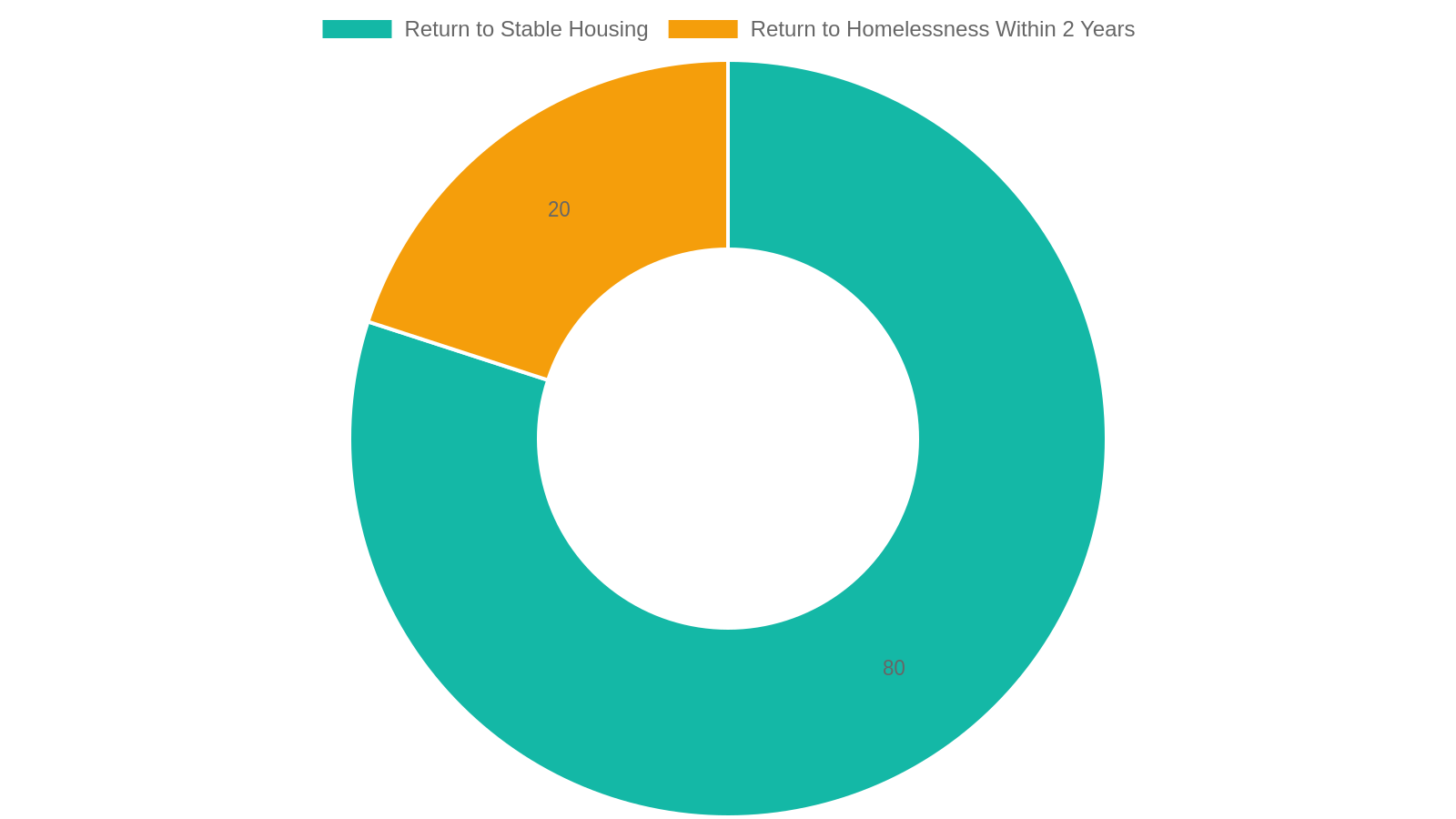
For youth, RRH is often combined with connections to employment programs, financial literacy coaching, and mental health support. Research shows that over 80 percent of people who receive rapid rehousing do not return to homelessness within two years. Availability in TN-500 varies, so connecting with a CoC case manager is the key first step.
Education, Employment, and Benefits Navigation
Housing stability is only one piece of the puzzle. CoC-affiliated programs in Chattanooga also connect young adults to:
- GED and HiSET programs at Chattanooga State Community College and Hamilton County Schools adult education
- Tennessee Promise and other scholarship programs for community college
- American Job Centers for employment training and job placement
- Benefits enrollment for TennCare (Medicaid), SNAP, and Social Security programs
- Youth-specific workforce programs like YouthBuild and AmeriCorps
YAAB members in Chattanooga often serve as peer navigators, helping other young adults find and access these resources without having to figure it all out alone.
6. How YAAB Shapes Policy Inside the Chattanooga CoC

YAAB isn’t just a support group or a peer network — it’s a formal advocacy body with real influence over the policies and programs that shape young adults’ lives in Chattanooga and across Tennessee. Here’s how that influence actually works inside the system.
Seats at the Governance Table
One of the most powerful things YAAB does is hold formal seats on CoC governance structures. In TN-500, this means YAAB members participate in planning committees, review funding applications from local service providers, and weigh in on how millions of dollars in HUD CoC grants are allocated. This isn’t symbolic participation — it’s real decision-making power.
When a shelter wants to change its intake process, or when a rapid rehousing provider applies for a new grant, YAAB members can ask hard questions: Does this program actually work for young adults? Is it LGBTQ+-affirming? Does it require ID that youth aging out of foster care might not have? These questions change outcomes.
Advocacy at the State and Federal Level
YAAB’s influence extends beyond Chattanooga. Tennessee YAAB members travel to Nashville to testify before state legislative committees and meet with Tennessee Department of Children’s Services leadership. They also participate in national advocacy days in Washington, D.C., connecting with federal policymakers and HUD officials.
Recent YAAB advocacy priorities in Tennessee have included expanding the Runaway and Homeless Youth Act (RHYA) funding, strengthening extended foster care provisions, and pushing for more youth-specific CoC funding streams. Every time a YAAB member shares their story in a hearing room, it makes the data human — and that changes minds.
Peer Research and Data Collection
YAAB members also contribute to research. Youth-led participatory action research (PAR) is a growing practice in the CoC world, where young adults with lived experience design surveys, conduct interviews with peers, and analyze data about what’s working and what isn’t. This kind of peer research produces findings that traditional researchers often miss — because young adults are more likely to be honest with someone who’s been through the same thing.
In Chattanooga and across Tennessee, YAAB has contributed to Point-in-Time count efforts, needs assessments, and program evaluations that directly influence how TN-500 allocates resources.
7. Tennessee's Nine CoC Regions: How Chattanooga Fits the Bigger Picture

Chattanooga doesn’t operate in isolation — it’s part of a statewide network of CoC regions, each with its own YAAB chapter. Understanding how TN-500 fits into the bigger picture helps you see both the local resources available to you and the broader movement you’d be joining.
The Statewide CoC Map
Tennessee’s nine CoC regions each serve a different geographic area and have their own funding, governance, and service landscape. The regions are:
- TN-500 — Chattanooga / Hamilton County
- TN-501 — Memphis / Shelby County
- TN-502 — Nashville / Davidson County
- TN-503 — Knoxville / Knox County
- TN-504 — Morristown / Upper Cumberland
- TN-506 — Northeast Tennessee
- TN-507 — Jackson / West Tennessee
- TN-509 — Rural Tennessee (statewide balance of state)
Each region has its own Local YAAB chapter, so no matter where you are in Tennessee, there’s a YAAB near you.
What Makes TN-500 Distinct
Chattanooga’s TN-500 region has some characteristics that make it unique among Tennessee CoCs. The city’s significant economic growth over the past decade — driven by tech, manufacturing, and tourism — has increased housing costs and reduced affordable housing stock, putting additional pressure on low-income young adults. The median rent for a one-bedroom apartment in Chattanooga rose by approximately 30 percent between 2019 and 2023, outpacing wage growth for entry-level workers.
At the same time, Chattanooga has a relatively strong network of nonprofit and faith-based organizations, and the CoC has been active in pursuing youth-specific funding. The TN-500 YAAB chapter plays a critical role in keeping youth needs visible in that environment.
Cross-Regional Collaboration
One of the strengths of the statewide YAAB network is that local chapters share knowledge, strategies, and resources across regions. If a rapid rehousing model is working well in Nashville’s TN-502, YAAB members in Chattanooga can learn from it and advocate for something similar in TN-500. This cross-regional collaboration makes every local chapter stronger than it would be on its own.
YAAB Tennessee holds statewide convenings where members from all nine regions come together to align on advocacy priorities, share peer research findings, and build relationships across the state.
CoC Housing Interventions: What's Available to Youth in TN-500
Not all housing programs work the same way or serve the same needs. Here's a side-by-side look at the main intervention types available to transition-age youth in Chattanooga's TN-500 CoC region.
8. Mental Health, Trauma, and Whole-Person Support in the CoC
Housing is the foundation, but it’s not the whole building. Young adults who’ve experienced homelessness often carry trauma, mental health challenges, and other needs that don’t disappear the moment they have a roof over their heads. Here’s how the CoC system — and YAAB — approaches whole-person support.
Why Mental Health Is a Housing Issue
Housing instability and mental health are deeply connected. Research shows that approximately 50 percent of youth experiencing homelessness have a diagnosable mental health condition — but that statistic can be misleading. Trauma, anxiety, and depression are often caused or worsened by homelessness, not the other way around. The stress of not knowing where you’ll sleep, of surviving unsafe situations, of losing relationships and stability — that takes a real toll on your mind and body.
YAAB advocates for trauma-informed care across all CoC-funded programs in Tennessee. That means training providers to understand how trauma affects behavior, to avoid practices that feel punishing or dehumanizing, and to build trust before demanding compliance.
Substance Use and Harm Reduction
Some young adults experiencing homelessness use substances to cope with trauma, pain, or the stress of survival. Many traditional shelter programs have strict sobriety requirements that exclude people who are actively using — which can leave the most vulnerable young adults without any safe place to go.
YAAB supports harm reduction approaches in Chattanooga and across Tennessee, which meet people where they are rather than requiring them to achieve sobriety before accessing help. This includes advocating for low-barrier shelter options and connecting young adults to substance use treatment that is voluntary, youth-friendly, and trauma-informed.
Peer Support as a Mental Health Tool
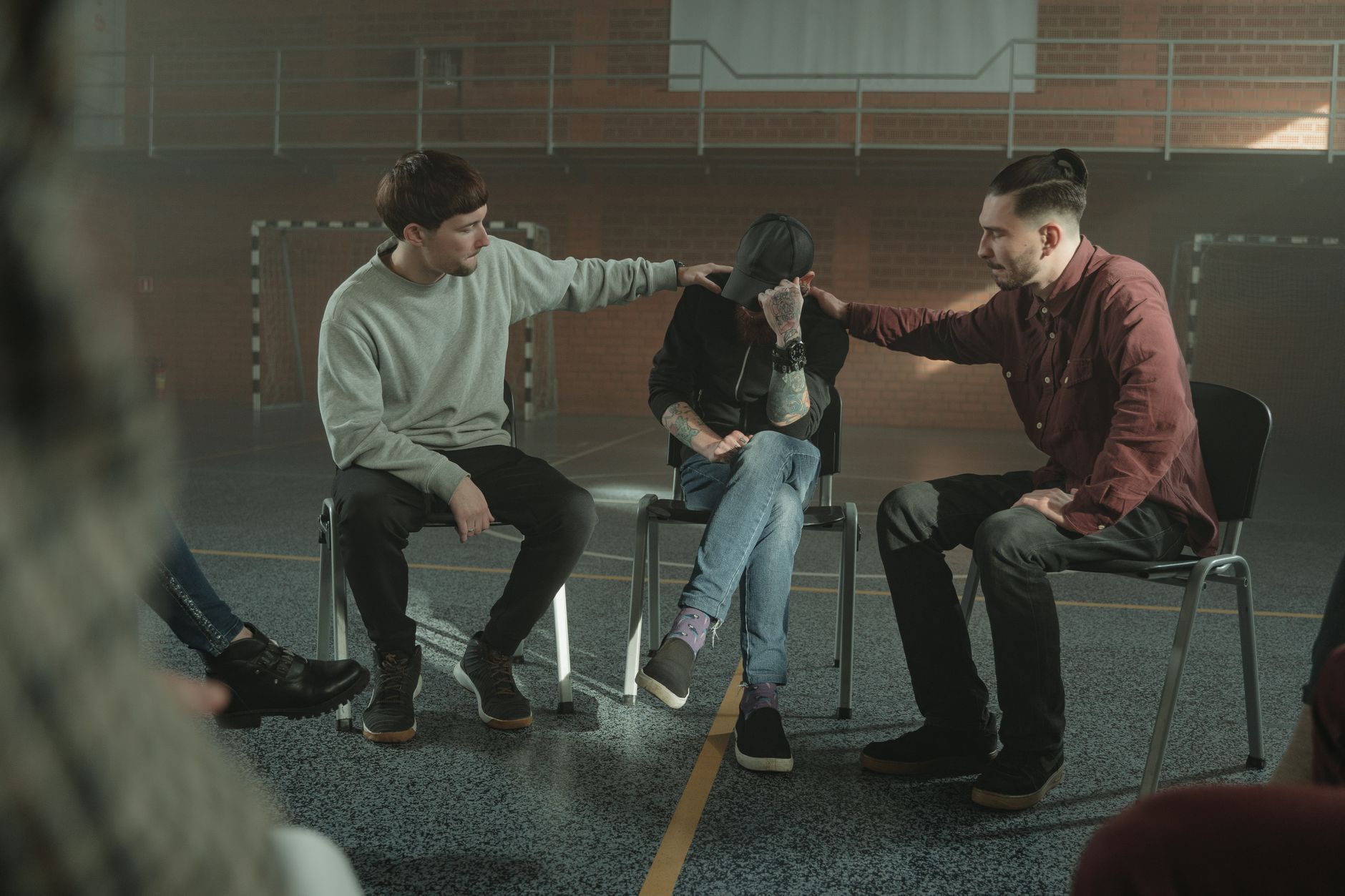
One of the most effective mental health interventions for transition-age youth is also one of the simplest: peer support. Talking to someone who’s been through a similar experience — and come out the other side — is powerful in a way that clinical services often can’t replicate. YAAB members frequently serve as informal peer supporters for other young adults in their communities, and some pursue formal Peer Recovery Specialist certification through Tennessee’s Department of Mental Health and Substance Abuse Services.
If you’re in Chattanooga and struggling with your mental health, you can also text 741741 (Crisis Text Line) or call 988 (Suicide and Crisis Lifeline) at any time, for free.
9. Knowing Your Rights as a Young Adult Experiencing Homelessness in Tennessee

You have rights — even when you’re homeless, even when you’re young, even when the system feels like it’s working against you. Knowing those rights is one of the most powerful tools you have. Here’s a breakdown of the key legal protections that apply to transition-age youth in Tennessee.
The McKinney-Vento Act and Your Education Rights
If you’re under 21 and experiencing homelessness, the McKinney-Vento Homeless Assistance Act protects your right to enroll in and attend school — even without a permanent address, immunization records, or previous school records. Hamilton County Schools has a designated McKinney-Vento liaison who can help you enroll or re-enroll quickly. You cannot be turned away from school because you’re homeless, and you have the right to stay enrolled in your school of origin even if you move to a different area.
Your Rights in Shelter and CoC Programs
CoC-funded programs are required to follow HUD’s nondiscrimination policies, which prohibit discrimination based on race, color, national origin, religion, sex, disability, familial status, and — importantly — sexual orientation and gender identity. This means a shelter funded by HUD cannot legally turn you away or treat you differently because you’re LGBTQ+.
You also have the right to know what programs you’ve been referred to, why you were or weren’t prioritized for a specific resource, and how to appeal decisions made through the coordinated entry process. If you feel your rights have been violated, YAAB can help connect you with advocacy support.
Emancipated Minors and Youth Under 18
If you’re 17 and legally emancipated, or if you’re an unaccompanied youth (living without a parent or guardian), you have specific rights under both federal and Tennessee state law. Tennessee’s Runaway and Homeless Youth Act provides some protections and access to services for youth under 18 without parental consent in certain circumstances. Navigating these rules can be confusing — a YAAB peer navigator or a CoC case manager can help you understand what applies to your specific situation without judgment.
10. How to Join the Chattanooga YAAB and Get Involved

If everything you’ve read so far resonates with you — if you’ve lived through housing instability and you want to do something about it, not just for yourself but for other young adults in Chattanooga — here’s how to take the next step with YAAB.
Who Can Join and What to Expect
Joining the Chattanooga-area YAAB — part of the TN-500 region — is open to any young adult ages 17 to 25 with lived experience of homelessness or housing instability. You don’t need to have everything figured out. You don’t need to be currently housed. You don’t need a polished resume or a specific type of experience. What you need is your perspective and your willingness to show up.
New members typically start by attending a local YAAB meeting, getting to know the group, and learning how the CoC works. From there, you can get involved at whatever level makes sense for your life right now — whether that’s attending one meeting a month or taking on a leadership role in advocacy campaigns.
Stipends, Training, and Leadership Development
YAAB recognizes that your time is valuable. Members receive stipends for their participation, which vary by region and activity. Beyond financial compensation, YAAB provides real leadership development: public speaking training, policy education, facilitation skills, and connections to statewide and national advocacy networks.
Many YAAB alumni have gone on to work in the homeless services field, pursue higher education, and take on leadership roles in their communities. The skills you build in YAAB — how to read a budget, how to testify before a committee, how to facilitate a meeting — are skills that translate everywhere.
How to Connect With TN-500 YAAB Today
The best way to get connected with the Chattanooga-area YAAB is to visit the TN-500 Local YAAB page on the YAAB Tennessee website, where you’ll find current contact information, meeting details, and information about how to get involved. You can also explore all Local YAAB chapters across Tennessee if you’re in a different region or want to connect with the broader statewide network.
If you have questions or just want to talk to someone before committing to anything, you can also reach out through the YAAB contact page — no pressure, no judgment, just a real conversation about how YAAB might fit into your life.
Your Next Move: From Surviving to Shaping the System in Chattanooga

Chattanooga is a city that’s changing fast — and transition-age youth with lived experience of homelessness have a real role to play in shaping what that change looks like. The Continuum of Care, the YAAB, and the broader network of advocates in TN-500 are all tools you can use — and spaces where your voice belongs.
Start Where You Are
You don’t have to have everything together to get involved. YAAB was built by and for young adults who are in the middle of figuring things out — not people who’ve already arrived. Whether you’re currently couch-surfing, recently housed, or a couple of years into stability, your experience is relevant and your voice matters in the TN-500 CoC.
The Chattanooga area has real resources, real advocates, and a real community of young adults who’ve been through similar things and are working to make the system better. You don’t have to navigate any of it alone.
Resources to Bookmark Right Now
Here are some immediate resources to save:
- 211 Tennessee — Call or text 211 for local housing and service referrals, 24/7
- 988 Suicide and Crisis Lifeline — Call or text 988 for mental health crisis support
- Crisis Text Line — Text HOME to 741741
- YAAB Tennessee — yaabtn.org/resources for a curated list of statewide and regional resources
- TN-500 YAAB — yaabtn.org/local-yaabs/tn-500/ to connect with the Chattanooga-area chapter
You’ve already done the hard part by seeking out information. The next step is just reaching out — and there are people in Chattanooga and across Tennessee ready to meet you there.
Frequently Asked Questions
What is the TN-500 Continuum of Care in Chattanooga?
TN-500 is the HUD-designated Continuum of Care region covering Chattanooga and Hamilton County, Tennessee. It coordinates a network of shelters, housing programs, and support services for people experiencing homelessness, including transition-age youth ages 17 to 25. The CoC receives federal funding and is governed by a board that includes representatives from service providers, government agencies, and — through YAAB — young adults with lived experience.
How do I join the Youth Action Board in Chattanooga?
To join the Chattanooga-area YAAB (part of TN-500), you need to be between 17 and 25 years old and have lived experience of homelessness or housing instability. Visit yaabtn.org/local-yaabs/tn-500/ to find current contact information and meeting details, or reach out through the YAAB contact page. There's no formal application process that requires a perfect history — just your experience and your willingness to get involved.
What housing help is available for youth in Chattanooga right now?
Transition-age youth in Chattanooga can access emergency shelter, host home programs, rapid rehousing assistance, and transitional housing through TN-500 CoC-affiliated providers. The fastest way to find out what's currently available is to call 211 (available 24/7 in Tennessee) or connect with a CoC case manager through coordinated entry. Availability changes frequently, so real-time guidance is more useful than a static list.
Does YAAB pay members for their time?
Yes. YAAB members receive stipends for their participation in meetings, advocacy activities, and other YAAB work. YAAB recognizes that young adults with lived experience bring real expertise to the table, and that expertise deserves compensation. Stipend amounts vary by region and type of activity.
Can I join YAAB if I'm still experiencing homelessness?
Yes, absolutely. YAAB does not require you to be housed before you can participate. The organization is designed to meet young adults where they are, and your current experience is just as valid and valuable as someone who achieved housing stability years ago. YAAB can also help connect you to housing resources while you're involved.
What is the difference between transitional housing and rapid rehousing?
Rapid rehousing gets you into your own apartment quickly — usually within weeks — with short-term rental assistance (3 to 12 months) and case management support. Transitional housing places you in a program-operated unit for up to 24 months with more intensive support built in. Rapid rehousing is generally preferred for youth who are ready to live independently; transitional housing is better suited for those who need more time and support before managing on their own.