Quick answer: Hamilton County — home to Chattanooga — has a network of housing programs specifically designed for transition-age youth (ages 17–25) experiencing homelessness or housing instability. From emergency shelter and rapid rehousing to permanent supportive housing and prevention funds, these programs are coordinated through the TN-500 Continuum of Care. The Youth Action Board (YAAB) of Tennessee gives young people with lived experience a direct seat at the table to improve these programs. This guide breaks down 10 things every young adult in Hamilton County should know about local housing resources and how to get involved.
1. What the Hamilton County Continuum of Care Actually Is

Before you can navigate Hamilton County’s housing programs, it helps to understand the system behind them. The Continuum of Care isn’t just a phrase — it’s a real, structured network that determines which programs exist, who qualifies, and how funding gets distributed. Here’s what that means for young adults in Chattanooga.
TN-500: The CoC That Covers Chattanooga
The Continuum of Care (CoC) is a federally funded, locally coordinated system that connects people experiencing homelessness to shelter, housing, and services. Hamilton County falls under TN-500, which is the CoC covering the Chattanooga/Hamilton County area. TN-500 is managed by a lead agency and includes dozens of nonprofit providers, government offices, and community partners all working from the same playbook.
The U.S. Department of Housing and Urban Development (HUD) awarded TN-500 approximately $4.2 million in CoC Program grants in the most recent funding cycle. That money flows to specific housing programs — and the rules around who gets it, how it’s spent, and which populations are prioritized are shaped in part by community input, including from young people with lived experience.
Why Transition-Age Youth Are a Distinct Priority
HUD and Tennessee’s state plan both recognize transition-age youth (TAY) — ages 17 to 25 — as a distinct subpopulation with unique needs. Young people in this age range are more likely to be fleeing unsafe home situations, aging out of foster care, or couch-surfing in ways that don’t show up on a traditional point-in-time count. According to the 2023 Tennessee Point-in-Time Count, youth under 25 made up roughly 18% of all people experiencing homelessness statewide, though advocates believe the true number is significantly higher due to hidden homelessness.
Hamilton County’s CoC has dedicated youth-specific beds and programs precisely because a one-size-fits-all adult shelter system often fails young people. Knowing this distinction helps you advocate for the right resources.
2. Emergency Shelter Options in Chattanooga for Young Adults
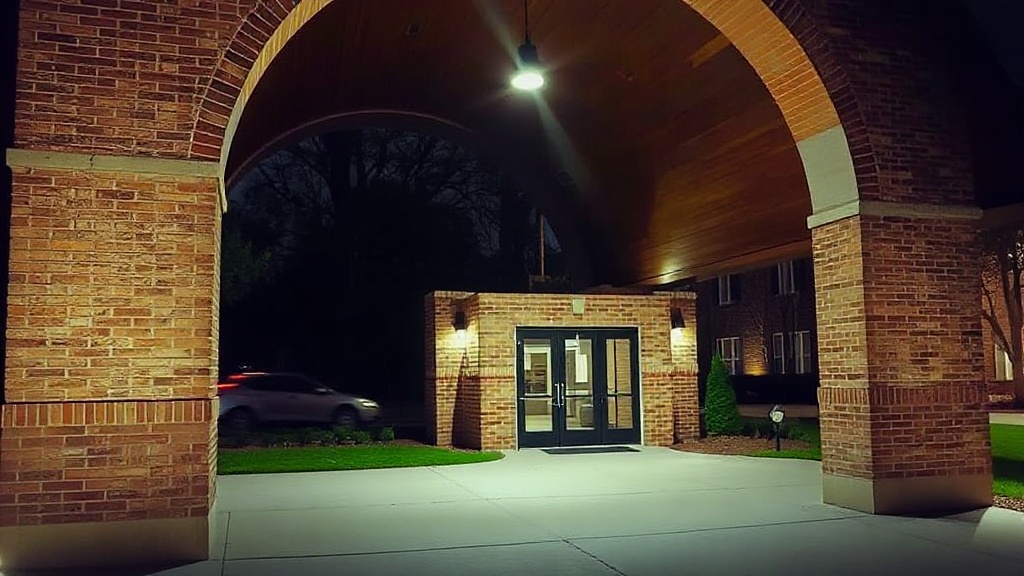
When you need a safe place to sleep tonight, knowing exactly where to go — and what to expect when you get there — can make all the difference. Hamilton County has emergency shelter resources for young adults, but the system has some nuances worth understanding before you walk through the door.
Youth-Specific vs. Adult Emergency Shelters
Not all emergency shelters are safe or appropriate for young adults. Hamilton County has a small number of youth-specific emergency shelter beds — these are separate from adult shelters and are designed with trauma-informed practices, lower-barrier entry, and staff trained to work with people ages 17–25. Youth-specific shelters typically allow you to stay without a parent’s permission if you are 17 or older and present as unaccompanied.
Adult emergency shelters in Chattanooga, such as the Salvation Army and Chattanooga Community Kitchen, are also open to young adults 18 and over. However, these environments can feel unsafe or triggering for some young people. Always ask a case manager or outreach worker about youth-designated options first.
How to Access Emergency Shelter Through Coordinated Entry
In Hamilton County, the front door to most homeless services is Coordinated Entry — a standardized process where you complete a brief assessment (often called the VI-SPDAT or a youth-specific tool) and get matched to the most appropriate program based on your needs and vulnerability score. You can access Coordinated Entry by calling 211 (Tennessee’s statewide helpline), walking into a partner agency, or connecting with a street outreach worker.
Key tip: You do not need an ID to begin the Coordinated Entry process. Many young people delay getting help because they think they need documents they don’t have. Start the process now — documents can be gathered while you’re already connected to services.
3. Rapid Rehousing: Getting Into Your Own Place Faster

Rapid Rehousing is one of the most powerful tools in Hamilton County’s housing system for young adults — but a lot of people don’t know it exists or how to ask for it. Here’s a plain-language breakdown of what it is, what it pays for, and why the youth-specific version matters.
What Rapid Rehousing Pays For
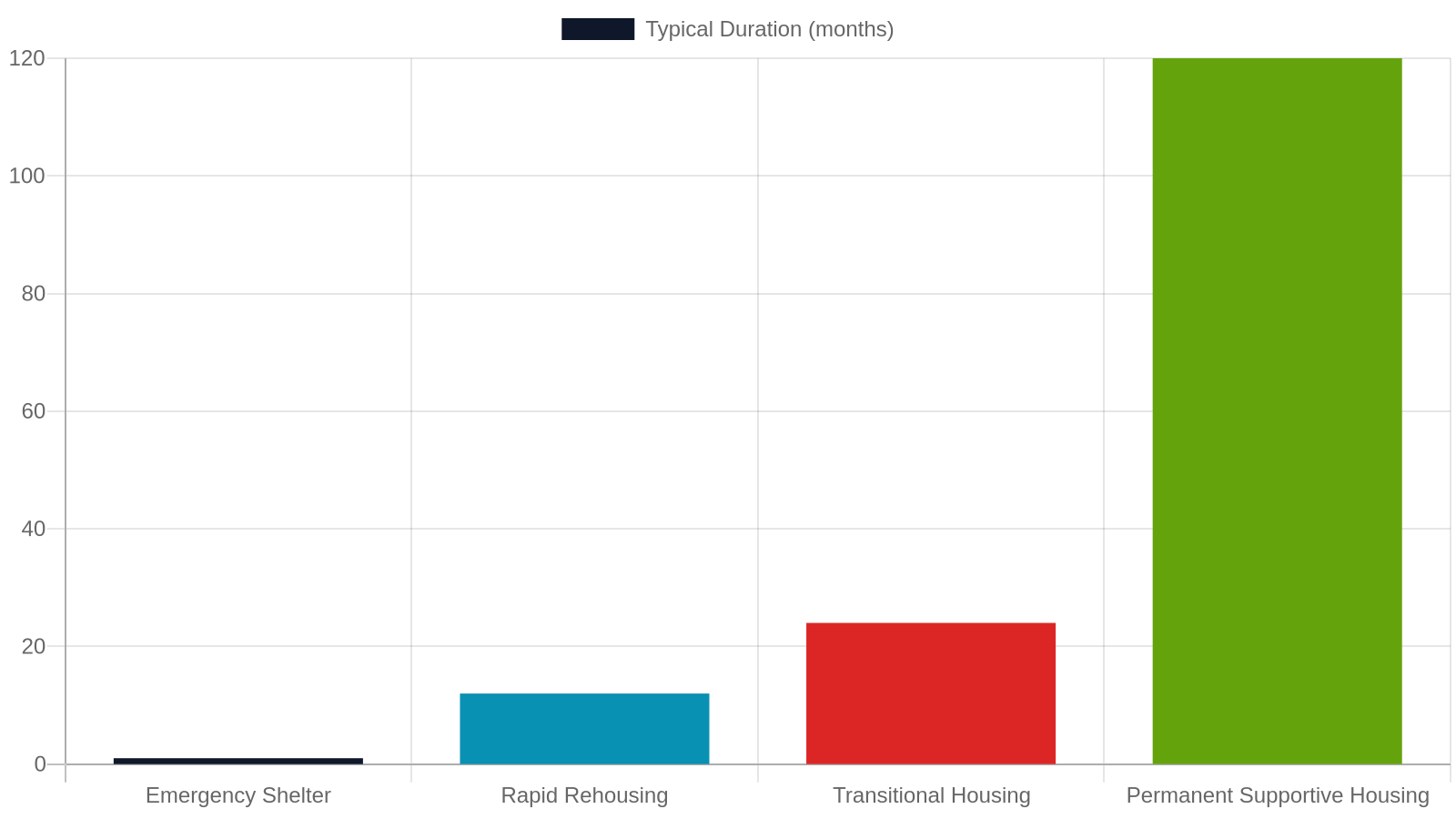
Rapid Rehousing (RRH) is a short-to-medium-term rental assistance program that helps people move from homelessness into their own apartment quickly. In Hamilton County, RRH programs typically cover security deposits, first and last month’s rent, and ongoing rental subsidies for 3 to 24 months depending on your needs. They also connect you with a housing navigator or case manager who helps you find a unit, negotiate with landlords, and build toward long-term stability.
RRH is one of the most common program types funded through TN-500. It’s designed on the principle that housing is the intervention — once you’re housed, other issues like employment and mental health become much easier to address.
Youth Rapid Rehousing: What Makes It Different
HUD funds a specific category called Youth Rapid Rehousing, which serves young adults 17–24. These programs use age-appropriate case management, allow for more flexible lease arrangements (some landlords won’t rent to people under 21 without a co-signer, so youth RRH programs often act as the leaseholder), and typically have lower documentation requirements at intake.
In Tennessee, youth RRH programs are required to use a youth-specific assessment tool rather than the standard adult VI-SPDAT. This matters because it captures the realities of youth homelessness — like couch-surfing, trading housing for favors, or fleeing family violence — that adult tools often miss. Ask your case manager specifically whether a youth RRH slot is available before accepting placement in an adult program.
4. Permanent Supportive Housing and Longer-Term Options

Not everyone’s path to stable housing is a sprint. Some young adults in Chattanooga need longer-term support — whether that’s permanent housing with services built in, or a transitional program that gives you time to get on your feet. Here’s how those options work in Hamilton County’s system.
Who Qualifies for Permanent Supportive Housing
Permanent Supportive Housing (PSH) combines a long-term rental subsidy with ongoing wraparound services like mental health support, substance use treatment, and life skills coaching. To qualify in Hamilton County, you generally need to meet HUD’s definition of chronically homeless — meaning you’ve experienced homelessness for at least 12 months continuously, or at least 12 months cumulatively over the past 3 years, AND have a disabling condition.
For young adults, this can feel like a high bar. But if you’ve been cycling through shelters, couch-surfing, or living outside for a year or more and have a documented disability (including mental health conditions), you may qualify. Talk to your case manager about whether your history meets the chronic definition — documentation matters here.
Transitional Housing as a Bridge
Between emergency shelter and permanent housing sits Transitional Housing (TH) — programs that let you stay for up to 24 months while building skills and stability. Some transitional housing programs in Hamilton County are specifically designed for young adults and include life skills classes, financial literacy coaching, employment support, and educational pathways like GED prep.
Transitional housing is not always the right fit — some young adults do better moving directly into their own apartment with RRH support. But for those who need more time and structure, it can be a valuable bridge. The key is making sure the program you’re placed in is youth-centered, not a scaled-down adult program with a different name.
5. Prevention Programs: Getting Help Before You Lose Your Housing
The best housing program is the one that keeps you from losing your home in the first place. Hamilton County has prevention resources that many young adults don’t know about — and the window to use them is often very short. Here’s what’s available and when to reach out.
Emergency Rental Assistance in Hamilton County
If you’re currently housed but at risk of eviction or utility shutoff, homelessness prevention programs can help you stay put. Hamilton County has accessed both federal Emergency Rental Assistance Program (ERAP) funds and local Community Development Block Grant (CDBG) dollars to provide one-time or short-term rental and utility assistance. These funds have historically been administered through agencies like the Community Foundation of Greater Chattanooga and local nonprofit partners.
Eligibility typically requires proof of housing (a lease or landlord letter), documentation of financial hardship, and income at or below 80% of Area Median Income (AMI). For a single adult in Hamilton County, 80% AMI is approximately $42,000 per year as of 2024 — most young adults working entry-level jobs qualify easily.
Knowing the Eviction Timeline in Tennessee
Tennessee has one of the fastest eviction timelines in the country. Once your landlord files an eviction notice, you may have as few as 3 to 14 days before a court date. If you miss that court date, you can be removed within days. This means acting fast is critical — don’t wait until you’ve received a court summons to seek help.
If you receive any written notice from your landlord, contact a prevention program or legal aid organization immediately. Legal Aid of East Tennessee and Tennessee Justice Center both provide free legal help to low-income young adults facing eviction in the Chattanooga area. Knowing your rights can buy you time and sometimes stop an eviction entirely.
6. What Lived Experience Means — and Why It Changes Everything

The phrase lived experience gets used a lot in housing and social services. But what does it actually mean — and why does it matter so much when it comes to designing programs for young adults in Hamilton County and across Tennessee?
The Problem With Systems Designed Without Youth Input
For decades, housing programs were designed by people who had never experienced homelessness themselves. The result? Shelters with curfews that conflict with work schedules. Intake forms that ask for documents young people don’t have. Case management models built for adults in their 40s and 50s, not 19-year-olds navigating their first apartment. These design flaws aren’t accidents — they’re the predictable outcome of leaving young people out of the room.
Research consistently shows that programs co-designed with people who have lived experience of the problem they’re trying to solve have better outcomes. A 2020 study by the True Colors United organization found that youth-centered program design reduced barriers to entry and increased housing retention rates by as much as 34% compared to standard adult models.
Lived Experience as Expertise, Not a Story to Tell
When we talk about lived experience in the context of YAAB, we don’t mean asking young people to share their trauma so adults feel motivated to act. We mean recognizing that having navigated a broken system gives you expert knowledge about exactly where and how it breaks. That knowledge is irreplaceable — no amount of research, training, or good intentions can substitute for it.
YAAB members use their lived experience to review program policies, flag barriers, propose solutions, and hold service providers accountable. This is skilled, meaningful work — and it’s the kind of work that actually changes outcomes for the next young person who walks through that shelter door.
7. How the Youth Action Board Shapes TN-500 Programs

Understanding how YAAB actually functions within the TN-500 Continuum of Care helps you see why joining — or simply supporting — this work is one of the most powerful things a young adult in Chattanooga can do for their community.
YAAB's Role in the Chattanooga CoC
The Youth Action Board of Tennessee (YAAB) has a local chapter connected to the TN-500 CoC in Hamilton County. YAAB members in the Chattanooga area participate in CoC governance meetings, review funding applications, provide feedback on program design, and advocate for youth-specific priorities in the annual planning process. This isn’t symbolic participation — YAAB members have a formal advisory role that CoC leads are expected to document and respond to.
In practice, this has meant YAAB members pushing for lower-barrier shelter intake processes, advocating for more youth-specific RRH slots, and flagging when program policies (like strict curfews or mandatory sobriety requirements) create unnecessary barriers for young adults. These are real policy wins driven by real young people in Chattanooga.
The Annual Point-in-Time Count and Youth Visibility
One of the most concrete ways YAAB influences Hamilton County’s housing system is through the annual Point-in-Time (PIT) Count — a one-night census of people experiencing homelessness conducted every January. YAAB members help recruit and train youth-specific outreach volunteers, design survey questions that capture hidden youth homelessness (couch-surfing, doubling up, staying in cars), and advocate for methodologies that don’t undercount young people.
Why does this matter? Because HUD allocates funding based in large part on PIT Count data. If youth homelessness is undercounted in Hamilton County, the CoC receives less funding for youth programs. YAAB’s involvement in the count is a direct form of resource advocacy — making sure the data reflects reality.
Hamilton County Housing Program Types at a Glance
Use this table to quickly compare the main housing program types available through the TN-500 Continuum of Care in Hamilton County. Eligibility details vary by provider — always confirm with a case manager.
8. Education, Employment, and Housing: How They Connect

A roof over your head is the foundation — but it’s not the whole building. For young adults in Chattanooga, housing stability is most durable when it’s connected to education and employment pathways. Here’s how those systems link up in Hamilton County.
Educational Pathways for Young Adults Experiencing Housing Instability
Housing instability and educational disruption feed each other — when you don’t have a stable place to sleep, staying enrolled is incredibly hard. Hamilton County has several resources designed to break this cycle. Hamilton County Schools has a McKinney-Vento liaison who connects homeless youth (including those 17–21 who are still enrolled in K-12) to transportation, school supplies, and enrollment support regardless of documentation. For young adults pursuing a GED or high school equivalency, Chattanooga State Community College offers free HiSET/GED prep and testing.
YAAB members in Chattanooga have consistently advocated for housing programs to include educational support as a core service — not an afterthought — because stable housing without a path to education or employment rarely leads to long-term stability.
Workforce Programs Linked to Housing Support
Several Hamilton County housing programs partner directly with workforce development organizations to provide job training, resume support, and employment placement alongside housing assistance. Key partners include Chattanooga’s Tennessee American Job Center (which offers free career services to anyone 16 and older) and Youth Opportunity Investments programs funded through the Workforce Innovation and Opportunity Act (WIOA).
WIOA Title I Youth funds are specifically targeted at young adults ages 16–24 who face barriers to employment — including homelessness, foster care involvement, and lack of a high school diploma. In Hamilton County, eligible young adults can receive up to 12 months of occupational skills training, paid work experiences, and supportive services like transportation and childcare assistance. Ask your housing case manager to connect you to the local WIOA Youth provider.
9. Knowing Your Rights as a Young Adult in Tennessee

One of the most empowering things you can do is know exactly what you’re entitled to. Tennessee law and federal policy give young adults real protections — but only if you know they exist. Here’s a plain-language overview of the rights that matter most for young adults in Hamilton County.
Tenant Rights for Young Adults Under 18 and Ages 18–25
Tennessee law allows minors who are legally emancipated to sign leases and enter contracts. If you are 17 and not emancipated, most landlords will not rent to you directly — but many youth housing programs can serve as the leaseholder on your behalf. Once you turn 18, you have full tenant rights in Tennessee, including the right to a written lease, the right to a habitable unit, and the right to proper notice before eviction.
Key tenant rights to know: your landlord must give you written notice before entering your unit (typically 24 hours except in emergencies); they cannot shut off your utilities as a means of forcing you out; and they must return your security deposit within 30 days of move-out with an itemized list of any deductions. Violations of these rules can be grounds for legal action.
McKinney-Vento Rights for Youth Still in School
If you are experiencing homelessness and are still enrolled in K-12 education — or want to re-enroll — the McKinney-Vento Homeless Assistance Act gives you specific federal rights. You have the right to enroll in school immediately, even without records, immunizations, or a permanent address. You have the right to stay enrolled in your school of origin even if you move to a different attendance zone. And you have the right to free transportation to your school of origin.
These rights apply to young adults up to age 21 in Tennessee if they are still pursuing a high school diploma or equivalent. The McKinney-Vento liaison at your local school district is your advocate — they are required by law to help you access these protections. In Hamilton County, contact the district’s Family Resource Center to be connected to the liaison.
10. How to Get Involved With YAAB in Hamilton County

You’ve read about the programs, the policies, and the rights. Now here’s the part where you can actually shape all of it. The Youth Action Board in Hamilton County is looking for young adults who want to turn their experience into impact — and the door is genuinely open.
What YAAB Membership Actually Looks Like
Joining YAAB doesn’t mean signing up for a lifetime commitment or having a perfect story to tell. It means showing up — to meetings, to advocacy events, to planning sessions — and sharing your perspective on what’s working and what isn’t in Hamilton County’s housing system. YAAB members are young adults ages 17–25 who have experienced homelessness or housing instability. That’s the main qualification.
Members participate in local CoC governance, attend regional and statewide YAAB convenings, and have opportunities to travel to Washington, D.C. for federal advocacy events. Many YAAB members receive a stipend for their participation — because this is real work that deserves real compensation. YAAB also provides leadership development, public speaking training, and connections to employment and educational opportunities.
Taking the First Step
If you’re in Chattanooga or Hamilton County and want to connect with the local YAAB chapter, the best first step is reaching out through the TN-500 local YAAB page — that’s the hub for the Hamilton County region. You can also explore all Tennessee YAAB chapters if you’re in a neighboring county or have recently moved. And if you want to understand the bigger picture of what YAAB is working toward statewide, the YAAB advocacy page lays it all out.
You don’t need to have your life fully together to join. You don’t need to be a great public speaker. You don’t need to have all the answers. You just need to be willing to use what you’ve been through to make things better for the next person. That’s the whole point.
Frequently Asked Questions
What housing help is available for young adults in Chattanooga Tennessee?
Hamilton County's TN-500 Continuum of Care offers emergency shelter, youth rapid rehousing, transitional housing, and permanent supportive housing for young adults ages 17–25. Call 211 to start the Coordinated Entry process and get matched to the right program.
Can a 17-year-old access homeless services in Tennessee without a parent?
Yes. Unaccompanied youth age 17 and older can access most emergency shelter and housing programs in Tennessee without parental consent. Youth-specific programs are designed for this and do not require a parent or guardian to be involved.
What is the Youth Action Board and how do I join in Hamilton County?
The Youth Action Board (YAAB) of Tennessee is a statewide network of young adults ages 17–25 with lived experience of homelessness who advise on housing policy and programs. To join the Hamilton County chapter, visit the TN-500 YAAB page at yaabtn.org/local-yaabs/tn-500/ and reach out directly.
Do I need an ID or documents to get into a shelter in Chattanooga?
No. You do not need an ID or documents to begin the Coordinated Entry process or to access most emergency shelters in Hamilton County. Documents can be gathered after you are already connected to services.
How long does rapid rehousing last for youth in Tennessee?
Youth Rapid Rehousing programs in Tennessee typically provide rental assistance and case management for 3 to 24 months, depending on your individual needs and progress. The goal is to help you become stably housed and financially independent before the subsidy ends.
What are my rights if my landlord tries to evict me in Tennessee?
Tennessee landlords must give written notice before filing an eviction — typically 14 days for nonpayment of rent. You have the right to a court hearing before being removed. Contact Legal Aid of East Tennessee for free legal help if you receive any eviction notice.