Quick answer: If you're a young adult ages 17 to 25 in Knoxville or Knox County dealing with homelessness or housing instability, you are not alone and you have real options. Local shelters, rapid rehousing programs, transitional housing, and youth-specific services exist right now in the Knoxville/Knox County Continuum of Care (CoC TN-501). You can also connect with the Youth Action Board of Tennessee — a peer-led network of young people with lived experience — to find support, build skills, and shape the systems meant to serve you.
1. Know That Knoxville Has a Youth-Specific Housing System

Before you can navigate Knoxville’s housing resources, it helps to understand the system behind them. Knoxville is part of a coordinated, federally supported network that includes emergency shelters, transitional housing, rapid rehousing, and permanent supportive housing — and some of those programs are built specifically for young adults like you.
What Is the Continuum of Care (CoC)?
The Continuum of Care (CoC) is a federally funded network of agencies, shelters, and service providers that work together to prevent and end homelessness in a specific region. Knoxville and Knox County fall under CoC TN-501, which coordinates housing resources, data collection through HMIS (Homeless Management Information System), and funding from the U.S. Department of Housing and Urban Development (HUD).
For young adults ages 17 to 25, the CoC is important because it includes programs specifically designed for transition-age youth (TAY) — people who are too old for child-welfare systems but still need support building stable adult lives. Knowing this system exists is step one. It means there are people whose entire job is to help you.
Why Youth Homelessness in Knoxville Looks Different
Youth homelessness often doesn’t look like what people picture. Many young adults in Knoxville are couch surfing at a friend’s or relative’s place, sleeping in cars, staying in motels, or doubling up in overcrowded apartments. HUD counts all of these as forms of housing instability. Nationally, about 4.2 million young adults ages 18–25 experience homelessness each year, and LGBTQ+ youth are disproportionately represented, making up roughly 40% of the youth homeless population despite being about 7% of the general youth population.
In Tennessee, young adults aging out of foster care face especially high risk — studies show that one in five youth who age out of foster care will experience homelessness within two years. Recognizing your situation as a housing crisis — not a personal failure — is the foundation for accessing the help you deserve.
2. Access Emergency Shelter in Knox County Tonight
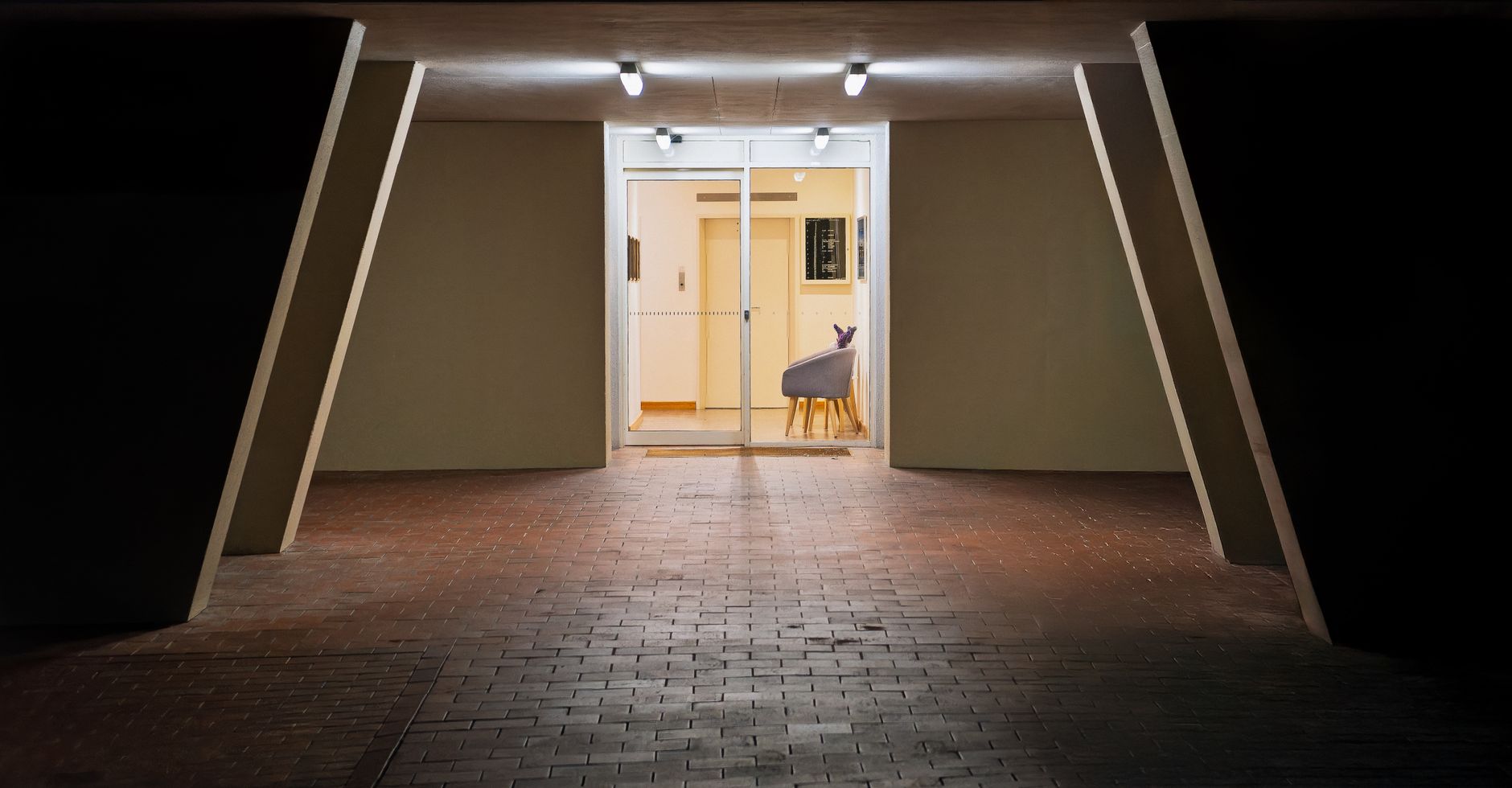
When you’re in a crisis, the most important thing is getting somewhere safe. Knoxville has emergency shelter options available right now — and knowing which door to walk through first can make all the difference. Emergency shelter is just the starting point, not the destination.
Where to Go for Immediate Shelter
If you need a safe place to sleep right now, these are your first calls in Knoxville:
- Volunteer Ministry Center (VMC) — Provides emergency shelter and a day resource center at 511 N. Broadway. Call (865) 524-3926. They serve adults and can connect youth to additional resources.
- KARM (Knox Area Rescue Ministries) — One of the largest shelters in East Tennessee, with separate facilities for men and women. Located at 418 N. Broadway; call (865) 673-6540.
- Young-Williams Animal Center — Not a shelter for people, but if you have a pet, some Knoxville housing programs can help you keep your animal while you stabilize — ask your case manager.
- Salvation Army Knoxville — Offers emergency shelter and case management; call (865) 524-3204.
If you’re under 18 or a minor, call Tennessee’s statewide crisis line at 1-800-989-9234 or text HOME to 741741 (Crisis Text Line) to be connected to youth-specific resources immediately.
What to Expect When You Walk In
Walking into a shelter for the first time can feel intimidating. Here’s what typically happens: staff will do an intake assessment, ask about your situation, and connect you with a case manager. You may be asked for an ID, but most shelters in Knoxville will not turn you away if you don’t have one — they can help you get identification as part of your services.
You have the right to feel safe. If you are LGBTQ+, you can ask about their nondiscrimination policy. Many Knoxville providers have worked to create affirming environments. If a shelter doesn’t feel right, ask your case manager about alternatives — you always have the right to advocate for yourself.
3. Get Coordinated Through the Knoxville CoC's Entry System

Coordinated Entry is your fastest route to the right housing program in Knoxville. Rather than chasing down individual agencies, one assessment can open doors to emergency shelter, rapid rehousing, transitional housing, and permanent supportive housing — all matched to your specific situation.
How Coordinated Entry Works
Coordinated Entry is the process the Knoxville/Knox County CoC (TN-501) uses to make sure people experiencing homelessness are matched to the right housing programs as quickly and fairly as possible. Think of it as a triage system — instead of calling 10 different agencies and getting put on 10 different waitlists, one assessment helps route you to the program that fits your needs.
To access Coordinated Entry in Knoxville, you can start at the Volunteer Ministry Center or contact the Community Coalition for Homeless Services, which coordinates TN-501’s system. The assessment tool used is called the VI-SPDAT (Vulnerability Index – Service Prioritization Decision Assistance Tool), and it helps prioritize people with the highest vulnerability for the most intensive housing resources.
Youth-Specific Pathways Within Coordinated Entry
HUD and Tennessee’s CoCs have increasingly recognized that young adults need their own assessment pathways. The standard VI-SPDAT was not designed with youth in mind, and many CoCs — including those in Tennessee — are moving toward youth-specific assessment tools that better capture the unique risks faced by transition-age youth, including family rejection, aging out of foster care, and LGBTQ+ identity.
When you go through Coordinated Entry, make sure to tell your assessor that you are between 17 and 25 years old. This matters because some funding streams and programs are specifically reserved for youth, and you want to be matched to those first. Ask directly: “Are there any youth-specific housing programs I qualify for?”
4. Explore Rapid Rehousing and Transitional Housing Options

Once you’re through the door of emergency shelter or Coordinated Entry, the next step is finding a more stable place to land. Knoxville’s CoC offers two powerful options — Rapid Rehousing and Transitional Housing — that can get you into your own space with support behind you.
Rapid Rehousing: Get Into Your Own Place Fast
Rapid Rehousing (RRH) is one of the most effective tools for ending youth homelessness. It provides short-term rental assistance — typically 3 to 24 months — plus case management to help you find and keep an apartment. The goal is to get you housed quickly, then provide support while you build stability.
In Knoxville, RRH programs are funded through HUD and administered by local nonprofits within TN-501. Eligibility generally requires that you are literally homeless (sleeping outside, in a shelter, or in a place not meant for human habitation). You don’t need to be “ready” or have your life perfectly together to qualify — that’s what the case management support is for.
Nationally, studies show that rapid rehousing reduces returns to homelessness by up to 80% compared to shelter-only approaches for youth. It works.
Transitional Housing: Longer-Term Support While You Build Skills
Transitional Housing (TH) programs offer a place to live — often in a shared or apartment-style setting — for up to 24 months, combined with intensive case management, life skills training, employment support, and education assistance. These programs are especially valuable if you’re aging out of foster care, have recently left a correctional facility, or need more time to build the income and skills needed for independent living.
In Knoxville, organizations like Restoration House of East Tennessee and programs through the Helen Ross McNabb Center offer transitional and supportive housing options for young adults. Ask your Coordinated Entry case manager specifically about transitional housing for youth ages 17 to 25 in Knox County.

5. Know Your Rights as a Young Adult Experiencing Homelessness

You have more rights than you might realize. Whether you’re 17 or 25, Tennessee law and federal policy give you real protections — and understanding them helps you advocate for yourself when navigating shelters, landlords, schools, and service providers.
Your Legal Rights in Tennessee
Knowing your rights is power. Here are key protections that apply to you as a young adult in Tennessee:
- McKinney-Vento Act: If you are homeless and under 22, you have the right to enroll in school immediately, even without records, an ID, or a permanent address. Knox County Schools has a McKinney-Vento liaison — contact the district to connect.
- FERPA: Your education records are private. Schools cannot share them without your consent once you are 18.
- Fair Housing Act: Landlords cannot discriminate against you based on race, color, national origin, sex, disability, familial status, or religion. Tennessee also has state-level protections.
- Right to Shelter Assessment: You have the right to be assessed through Coordinated Entry without being turned away based on sobriety status, criminal history, or lack of ID at most programs.
Emancipated Minors and Youth Ages 17
If you are 17 years old, your rights depend on your legal status. Emancipated minors in Tennessee can sign leases, access services independently, and make their own medical decisions. If you are not emancipated but are 17 and homeless, you still have access to shelter and crisis services — staff are trained to work with you and connect you to the right pathway.
Tennessee law allows youth who are 17 to consent to certain mental health and substance use services without parental permission. If you’re unsure of your rights, ask your case manager or contact Tennessee Justice Center or Legal Aid of East Tennessee (free legal help) at (865) 637-0484. You deserve to understand every option available to you.
6. Connect Education and Employment to Your Housing Stability

Stable housing and stable income reinforce each other. The good news is that Knoxville has resources that address both at the same time — and many of them are designed specifically for young adults who are juggling housing instability while trying to build a future.
Education Pathways While You're Unstably Housed
Housing instability doesn’t have to stop your education. In Knoxville, several pathways exist specifically for young adults who need flexible options:
- Knox County Schools Adult Education: Free GED preparation and testing for adults 17 and older. Classes are offered at multiple locations and online. A GED can open doors to employment and higher education.
- Pellissippi State Community College: Offers dual enrollment, workforce certificates, and degree programs. Financial aid (FAFSA) is available, and students experiencing homelessness may qualify for unaccompanied homeless youth status, which can increase your aid package significantly.
- Tennessee Promise and Tennessee Reconnect: State programs that cover community college tuition for eligible Tennessee residents. Ask your school’s financial aid office about your eligibility as a homeless or foster youth.
Employment Support for Transition-Age Youth in Knoxville
Income is the bridge to housing stability. These Knoxville-area resources can help you find and keep a job:
- Tennessee Career Center – Knoxville: Free job search assistance, resume help, and skills training. Located at 1100 Liberty St.; call (865) 594-5600.
- Youth Employment Programs: Organizations like the Helen Ross McNabb Center and Volunteer Ministry Center offer employment case management for young adults alongside housing support.
- Workforce Innovation and Opportunity Act (WIOA) Youth Program: Federally funded program for youth ages 16–24 that provides occupational skills training, paid work experience, and support services. Ask at the Tennessee Career Center about eligibility.
Studies show that youth who receive both housing and employment support simultaneously are 60% more likely to maintain stable housing after 12 months than those who receive housing support alone.
7. Take Care of Your Mental Health While Navigating Housing

Housing is not just about four walls. Your mental and emotional wellbeing matters just as much — and taking care of it is one of the most strategic things you can do to build lasting stability. Knoxville has real mental health resources for young adults, and many of them are free or low-cost.
Why Mental Health Support Is Part of Housing Stability
Experiencing homelessness is traumatic — and it often compounds trauma that already existed. Research consistently shows that youth who experience homelessness are 3 to 6 times more likely to experience depression, anxiety, and PTSD than housed peers. This is not weakness. It’s a normal response to an abnormal situation.
Mental health support is not a luxury — it’s a practical tool for housing stability. Young adults who have access to mental health services are more likely to maintain housing, employment, and healthy relationships. In Knoxville, mental health support is available through several channels, including providers who specifically serve people experiencing homelessness.
Mental Health Resources in Knox County
Here are real options in Knoxville for young adults who need mental health support:
- Helen Ross McNabb Center: One of East Tennessee’s largest community mental health providers. Offers sliding-scale fees and serves youth and young adults. Call (865) 637-9711.
- Cherokee Health Systems: Integrated behavioral health and primary care, with multiple Knoxville locations. Accepts TennCare and uninsured patients.
- Crisis Text Line: Text HOME to 741741 — free, 24/7, confidential support from trained counselors.
- 988 Suicide and Crisis Lifeline: Call or text 988 anytime for immediate mental health crisis support.
- TennCare (Tennessee Medicaid): If you’re uninsured, you may qualify for TennCare, which covers mental health services. Apply at tenncare.tn.gov.
You deserve support that treats you as a whole person — not just a housing case number.
8. Understand the Unique Challenges of Aging Out of Foster Care

Aging out of foster care is one of the highest-risk transitions a young person can face — but it doesn’t have to mean going it alone. Tennessee has specific programs designed to support you during this transition, and knowing about them before you need them can make all the difference.
What 'Aging Out' Means and Why It Creates Risk
In Tennessee, young people in the foster care system typically age out at 18, though extended foster care support (called Extended Foster Care or Voluntary Extended Care) may be available through age 21 under certain conditions. When young people leave foster care without a stable support system, the risk of homelessness spikes dramatically.
Nationally, 20% of youth who age out of foster care experience homelessness within 2 to 4 years. In Tennessee, the Department of Children’s Services (DCS) offers some transitional support, but gaps remain significant — especially in rural areas and for youth who don’t know what to ask for.
Tennessee Resources for Foster Youth Transitioning to Adulthood
If you’re aging out of or have recently left foster care in Knox County, these resources are specifically for you:
- Tennessee DCS Transitional Living Services: Provides life skills training, housing assistance, and case management for youth transitioning out of care. Contact your DCS case worker or call 1-877-DCS-2873.
- Chafee Foster Care Independence Program: Federal funding administered by Tennessee DCS that provides financial support for housing, education, and employment for current and former foster youth up to age 21 (and in some cases 23).
- Education and Training Vouchers (ETVs): Up to $5,000 per year for post-secondary education or vocational training for eligible current and former foster youth in Tennessee.
- FAFSA Independent Status: Former foster youth under 24 are automatically considered independent on the FAFSA, which typically results in significantly more financial aid for college.

Knoxville Housing Program Types at a Glance
Use this table to quickly compare the main housing program types available through the Knoxville/Knox County CoC (TN-501). Your case manager can help you determine which you're eligible for.
9. Use Financial Literacy to Keep Your Housing Once You Have It

Once you have housing, protecting it requires financial skills that most young adults were never taught — especially those who grew up in unstable situations. The good news is that free help is available in Knoxville, and small habits built now create big stability later.
Budgeting Basics for Young Adults Starting Out
Getting housed is one challenge — staying housed is another. Financial stress is one of the top reasons people lose housing after being rehoused. Building basic money management skills early can protect your stability. Here’s a simple framework:
- 50/30/20 Rule: Aim to spend 50% of take-home income on needs (rent, food, utilities), 30% on wants, and 20% on savings and debt. When income is low, prioritize rent above everything.
- Rent-to-income ratio: Ideally, rent should be no more than 30% of your gross monthly income. If you’re paying more, look into rental assistance programs or subsidized housing.
- Emergency fund: Even saving $10–$25 per month builds a buffer. Many banks offer free accounts for young adults — ask about second-chance banking if you have a ChexSystems record.
Free Financial Resources in Knoxville
You don’t have to figure out finances alone. These Knoxville resources offer free financial education and support:
- United Way of Greater Knoxville: Offers free tax preparation through VITA (Volunteer Income Tax Assistance) and financial coaching. Call 211 or visit their website.
- Tennessee Financial Literacy Commission: Provides free online resources and workshops on budgeting, credit, and saving.
- Credit unions: UT Federal Credit Union and ORNL Federal Credit Union both offer accounts with low or no fees and financial education resources for young adults.
- Benefits enrollment: Make sure you’re accessing all benefits you qualify for — SNAP (food stamps), TennCare, and utility assistance (LIHEAP) can free up income for rent. Call 211 to find out what you qualify for.
10. Compare Your Housing Options Side by Side

Not every housing program is the right fit for every situation. Use this comparison to understand which option might match where you are right now — and where you want to go. Your case manager can help you figure out which programs you’re eligible for in the Knoxville/Knox County CoC (TN-501).
11. Get Involved With the Knoxville Youth Action Board (TN-501)

Finding housing is a huge step. But some young adults in Knoxville want to do more — they want to make sure the next person doesn’t have to struggle as hard as they did. That’s exactly what the Youth Action Board is built for.
What the Youth Action Board Actually Does
The Youth Action Board (YAAB) of Tennessee is a statewide network of young adults ages 17 to 25 with lived experience of homelessness and housing instability. YAAB members don’t just receive services — they shape the policies, programs, and resources that affect young people across Tennessee’s CoC regions.
In Knoxville, the local YAAB operates within TN-501 and works alongside the Knox County CoC to make sure that youth voices are at the center of decisions about housing, services, and advocacy. Members advise local and state leaders, participate in CoC planning meetings, and connect peers to resources. This is peer-led, youth-powered work — and it’s open to you.
How Joining YAAB Can Change Your Life
YAAB membership isn’t just about giving back — it’s about building your own future. Members develop real skills: public speaking, policy analysis, community organizing, and leadership. Many YAAB alumni have gone on to careers in social work, public policy, nonprofit management, and advocacy.
More immediately, YAAB connects you to a community of peers who get it — people who have been where you are and who are building something better. If you’re in Knoxville and want to turn your experience into impact, learn more about the Knoxville YAAB (TN-501) and how to get involved. You can also explore how to join YAAB statewide and find out about upcoming meetings, events, and opportunities.
Ready to Take Your Next Step in Knoxville?

Everything you’ve read in this article points to one truth: housing stability for young adults in Knoxville is possible, and you don’t have to navigate it alone. Here’s how to take the next step — whatever that looks like for you right now.
Start With One Call or One Click
You don’t have to figure out everything at once. Start with one step:
- Need shelter tonight? Call KARM at (865) 673-6540 or the Volunteer Ministry Center at (865) 524-3926.
- Need to find out what housing programs you qualify for? Ask to be connected to Coordinated Entry through TN-501.
- Need mental health support? Text HOME to 741741 or call 988.
- Want to get involved and help shape housing policy for young people in Knoxville? Visit the Knoxville YAAB page for TN-501 and find out how to connect with your local board.
- Want to understand youth homelessness in Tennessee more deeply? Explore YAAB’s youth homelessness resources for facts, data, and stories from young people across the state.
You Belong in This Movement
Whether you’re sleeping in a shelter tonight or you’ve been housed for two years and want to give back, there is a place for you in Knoxville’s network of young adult advocates and leaders. Your experience is not a liability — it’s a credential. The systems that affect young people in Tennessee are shaped by the people who use them, and your voice belongs in that room.
The Youth Action Board of Tennessee exists because young people with lived experience are the most powerful force for changing what doesn’t work. Across Tennessee — from Memphis to Nashville, Chattanooga to Knoxville — YAAB members are proving that every day. You’re not alone, and you never have to be.
Frequently Asked Questions
Where can a young adult experiencing homelessness in Knoxville get help tonight?
Call KARM (Knox Area Rescue Ministries) at (865) 673-6540 or the Volunteer Ministry Center at (865) 524-3926 for immediate emergency shelter. If you're under 18, call Tennessee's crisis line at 1-800-989-9234 or text HOME to 741741.
What is Coordinated Entry and how do I access it in Knoxville?
Coordinated Entry is the intake system used by the Knoxville/Knox County CoC (TN-501) to match people experiencing homelessness with the right housing programs. You can access it through the Volunteer Ministry Center or by asking any shelter or service provider to connect you. Tell them you are between 17 and 25 years old so you can be matched to youth-specific programs.
Can I get housing help in Knoxville if I don't have an ID?
Yes. Most emergency shelters and Coordinated Entry programs in Knoxville will not turn you away for lacking an ID. Your case manager can help you obtain identification as part of your services — this is a common barrier they are trained to address.
What housing resources exist specifically for young adults aging out of foster care in Tennessee?
Tennessee DCS offers Transitional Living Services and the Chafee Foster Care Independence Program for youth aging out of care. Education and Training Vouchers (ETVs) provide up to $5,000 per year for education or job training. Former foster youth under 24 also qualify as independent on the FAFSA, which can significantly increase college financial aid.
What is the Youth Action Board and how can I join in Knoxville?
The Youth Action Board (YAAB) of Tennessee is a statewide network of young adults ages 17 to 25 with lived experience of homelessness who help shape housing policy and connect peers to resources. The Knoxville board operates within CoC TN-501. Visit yaabtn.org/local-yaabs/tn-501/ to learn how to get involved.
Are there free mental health services for homeless young adults in Knoxville?
Yes. Helen Ross McNabb Center offers sliding-scale mental health services at (865) 637-9711, and Cherokee Health Systems provides integrated behavioral health care and accepts TennCare and uninsured patients. You can also text HOME to 741741 (Crisis Text Line) or call 988 for free, 24/7 crisis support.