Quick answer: The Northeast Tennessee Youth Action Board (YAAB) — operating within the TN-509 Continuum of Care region — connects young adults ages 17 to 25 in Kingsport, Bristol, Johnson City, and surrounding communities to mental health services, peer support, housing resources, and advocacy opportunities. YAAB members with lived experience of homelessness and housing instability guide their peers through a system that can feel overwhelming, helping them find therapists, crisis lines, community health centers, and wellness programs that are free or low-cost. If you are a transition-age youth in Northeast Tennessee and need mental health support, YAAB is a peer-led starting point — not a bureaucratic barrier.
What Is the Northeast Tennessee YAAB and Who Does It Serve?

The Youth Action Board of Tennessee (YAAB) is a statewide network of young adults who use their lived experience of homelessness and housing instability to shape the policies and programs that affect transition-age youth. In Northeast Tennessee, the local YAAB chapter operates within the TN-509 Continuum of Care region, covering the Tri-Cities area and surrounding counties. Understanding who YAAB is — and who it is built for — is the first step to knowing how it can help you or someone you care about.
The TN-509 Continuum of Care Region
Northeast Tennessee falls under the TN-509 Continuum of Care (CoC) region, one of seven CoC regions across Tennessee. TN-509 covers a large swath of the state’s northeastern corner, including Sullivan County (Kingsport and Bristol), Washington County (Johnson City), Carter, Unicoi, Greene, Hawkins, and several other rural counties. The region is anchored by the Tri-Cities metro area — a cluster of mid-sized cities that share healthcare systems, transit corridors, and social service networks.
The Continuum of Care is a federally coordinated framework that links housing, shelter, and supportive services for people experiencing homelessness. Within TN-509, the YAAB serves as the youth-specific advisory voice — making sure that programs and policies actually reflect what young people ages 17 to 25 need, not just what adults assume they need.
Who YAAB Members Are
Every YAAB member is a young adult between 17 and 25 years old with lived experience of homelessness or housing instability. That means members have slept in shelters, couch-surfed, aged out of foster care, or faced eviction — and they bring that firsthand knowledge into rooms where decisions get made. YAAB is not a social service agency run by adults on behalf of youth. It is a peer-led network where young people hold real advisory power.
In Northeast Tennessee, YAAB members understand the unique challenges of the region: limited public transit, a shortage of youth-specific mental health providers, and the stigma that can come with seeking help in tight-knit rural and small-city communities. That local knowledge makes all the difference when a peer is trying to figure out where to turn.
Why Mental Health Support Is Critical for Transition-Age Youth in Northeast Tennessee

Mental health is not a luxury — it is a foundation. For young adults navigating housing instability, aging out of foster care, or rebuilding after trauma, access to mental health support can be the difference between stability and crisis. In Northeast Tennessee, the need is real and the gaps in the system are significant. YAAB exists, in part, to help young people find their way through those gaps.
The Mental Health–Housing Connection
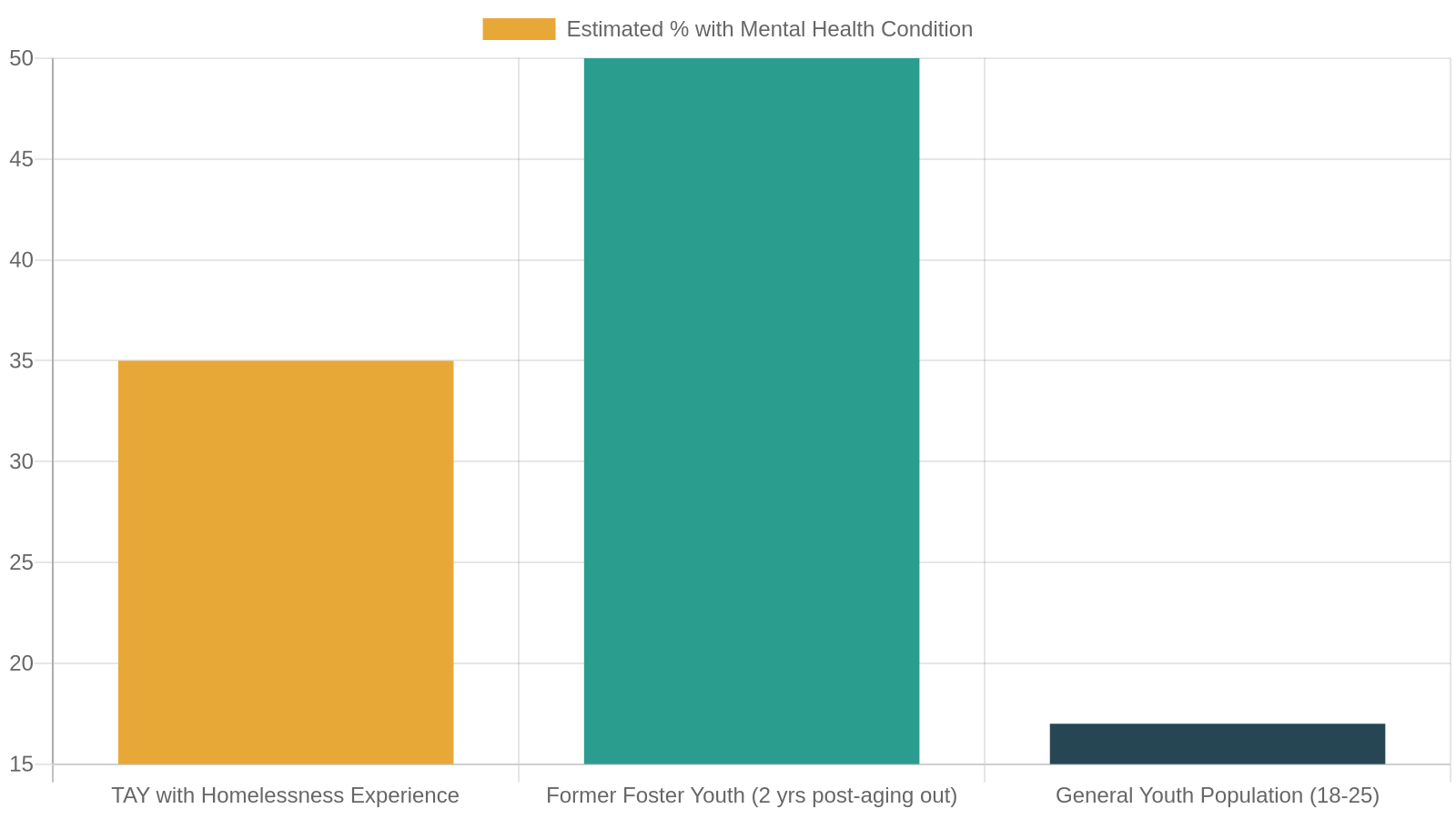
Mental health and housing instability are deeply intertwined. Research from the Substance Abuse and Mental Health Services Administration (SAMHSA) estimates that approximately 30–40% of transition-age youth experiencing homelessness also live with a serious mental health condition such as depression, anxiety, PTSD, or bipolar disorder. For youth who have aged out of foster care, that number climbs even higher — studies suggest up to 50% of former foster youth meet criteria for at least one mental health diagnosis within two years of aging out.
In Northeast Tennessee, these national trends play out in local emergency rooms, shelters, and school hallways. When mental health goes unaddressed, it becomes harder to hold a job, maintain housing, or complete a GED — creating a cycle that YAAB members know firsthand and work to interrupt.
Barriers Specific to the Tri-Cities Region
Northeast Tennessee faces a significant mental health provider shortage. According to Mental Health America’s 2023 State of Mental Health report, Tennessee ranks among the bottom 10 states for mental health care access. In rural counties surrounding Kingsport, Bristol, and Johnson City, the shortage is even more acute — some areas have fewer than 1 mental health provider per 1,000 residents.
For transition-age youth specifically, additional barriers include: lack of transportation to appointments, inability to pay without insurance, fear of judgment in small communities, distrust of systems built by adults who haven’t shared their experiences, and the challenge of navigating Medicaid enrollment without a stable address. YAAB members help peers identify and work around every one of these barriers.
Free and Low-Cost Mental Health Resources in Kingsport, Bristol, and Johnson City
Knowing that mental health services exist is one thing — knowing which ones are actually accessible to a young adult without insurance, without a car, or without a permanent address is another. Here is a practical breakdown of the mental health resources available in the Kingsport, Bristol, and Johnson City area, organized by what you actually need to access them.
Community Mental Health Centers in TN-509
The anchor of publicly funded mental health care in Northeast Tennessee is Frontier Health, a community mental health center with locations in Johnson City, Kingsport, Bristol, and multiple rural counties. Frontier Health accepts TennCare (Tennessee’s Medicaid program), sliding-scale fees, and uninsured patients. Services include individual therapy, psychiatric medication management, substance use treatment, and crisis intervention — all under one roof in many locations.
For youth who are uninsured or whose TennCare enrollment has lapsed, Frontier Health’s sliding-scale fee structure means appointments can cost as little as $0–$20 depending on income. YAAB members can help peers navigate the intake process and understand what documentation is — and isn’t — required to get started.
Federally Qualified Health Centers (FQHCs)
Federally Qualified Health Centers (FQHCs) are required by law to serve patients regardless of ability to pay, using a sliding-scale fee schedule based on income. In the Tri-Cities area, Johnson City Community Health Center and Clinch-Powell Educational Cooperatives (serving rural counties) offer integrated primary and behavioral health care — meaning you can see a therapist at the same visit as a doctor.
FQHCs are especially useful for transition-age youth because they do not require a permanent address to establish care, and many offer telehealth appointments — critical for young people in rural Sullivan, Carter, or Unicoi counties where transportation is a barrier. Ask a YAAB peer navigator to help you find the nearest FQHC and walk you through the enrollment paperwork.
Crisis Lines and Walk-In Crisis Services
When you need help right now, these are the options available 24/7 in Northeast Tennessee:
- 988 Suicide and Crisis Lifeline — Call or text 988 from anywhere in Tennessee. Free, confidential, available 24/7. Spanish-language support available.
- Frontier Health Crisis Line — (800) 467-5422, available 24 hours for Northeast Tennessee residents.
- Crisis Text Line — Text HOME to 741741. Free, anonymous text-based crisis support.
- Woodridge Hospital (Johnson City) — Inpatient and crisis stabilization services for mental health and substance use emergencies.
YAAB members are not crisis counselors, but they can sit with you, help you make the call, and stay connected after a crisis — because peer support and professional support work best together.
How YAAB Peer Navigation Works: Walking You Through the System

One of YAAB’s most powerful tools is not a program or a grant — it is peer navigation. Young adults helping young adults find their way through a system that was not designed with them in mind. Here is how that process actually works in Northeast Tennessee.
What a Peer Navigator Does
A YAAB peer navigator is a young adult — usually someone close to your age who has been through the system themselves — who helps you figure out your next step. They are not therapists or case managers, and they won’t diagnose you or make decisions for you. What they will do is sit with you and help you understand your options, fill out paperwork, make phone calls, and show up to appointments if you want company.
Peer navigation is built on the principle that lived experience is expertise. When someone who has slept in a shelter, navigated TennCare enrollment, or found a therapist who actually gets it tells you how they did it — that information lands differently than a pamphlet from a waiting room. YAAB peer navigators in Northeast Tennessee know the local system: which providers are youth-friendly, which intake processes are frustrating, and which shortcuts actually work.
The Referral-to-Connection Pipeline
One of the biggest failures in traditional social services is the warm handoff gap — a provider gives you a referral, you leave with a phone number, and nothing happens. YAAB works to close that gap. When a peer navigator connects you to a mental health resource, they follow up. They check in. They help you troubleshoot if the first provider doesn’t work out.
In the TN-509 region, YAAB members coordinate with Frontier Health, local shelters like Salvation Army Tri-Cities and Appalachian Highlands Care, and CoC partner organizations to make sure referrals actually result in appointments. The goal is not just to hand you a list — it is to walk alongside you until you feel confident navigating on your own.
TennCare and Insurance: Getting Covered So Mental Health Care Is Affordable

Mental health care is not free — but for many transition-age youth in Northeast Tennessee, it can be close to free once you are enrolled in the right coverage. TennCare is the gateway, and YAAB members know how to help you get through it. Here is what you need to know about getting covered.
Who Qualifies for TennCare as a Transition-Age Youth
TennCare is Tennessee’s Medicaid program, and for transition-age youth, it is the single most important tool for accessing free or low-cost mental health care. Here is what you need to know about eligibility:
- Youth who aged out of foster care in Tennessee are automatically eligible for TennCare until age 26, regardless of income — this is a federal requirement under the Fostering Connections Act.
- Young adults with incomes at or below 138% of the federal poverty level (approximately $20,120/year for a single person in 2024) may qualify for TennCare Medicaid.
- Pregnant youth and young parents have expanded eligibility pathways.
- You do not need a permanent address to apply — a shelter address, a case manager’s address, or a P.O. box can be used.
YAAB members can help you apply online at Tennessee’s Benefits Portal (tennesseeanytime.org) or connect you with a navigator who can assist in person.
What TennCare Covers for Mental Health
TennCare covers a robust set of mental health services when you are enrolled with a managed care organization (MCO) such as BlueCare Tennessee, UnitedHealthcare Community Plan, or Amerigroup. Covered services typically include:
- Individual and group therapy (outpatient)
- Psychiatric evaluations and medication management
- Crisis stabilization and inpatient psychiatric care
- Substance use disorder treatment
- Peer support services (yes — peer support is a billable TennCare service)
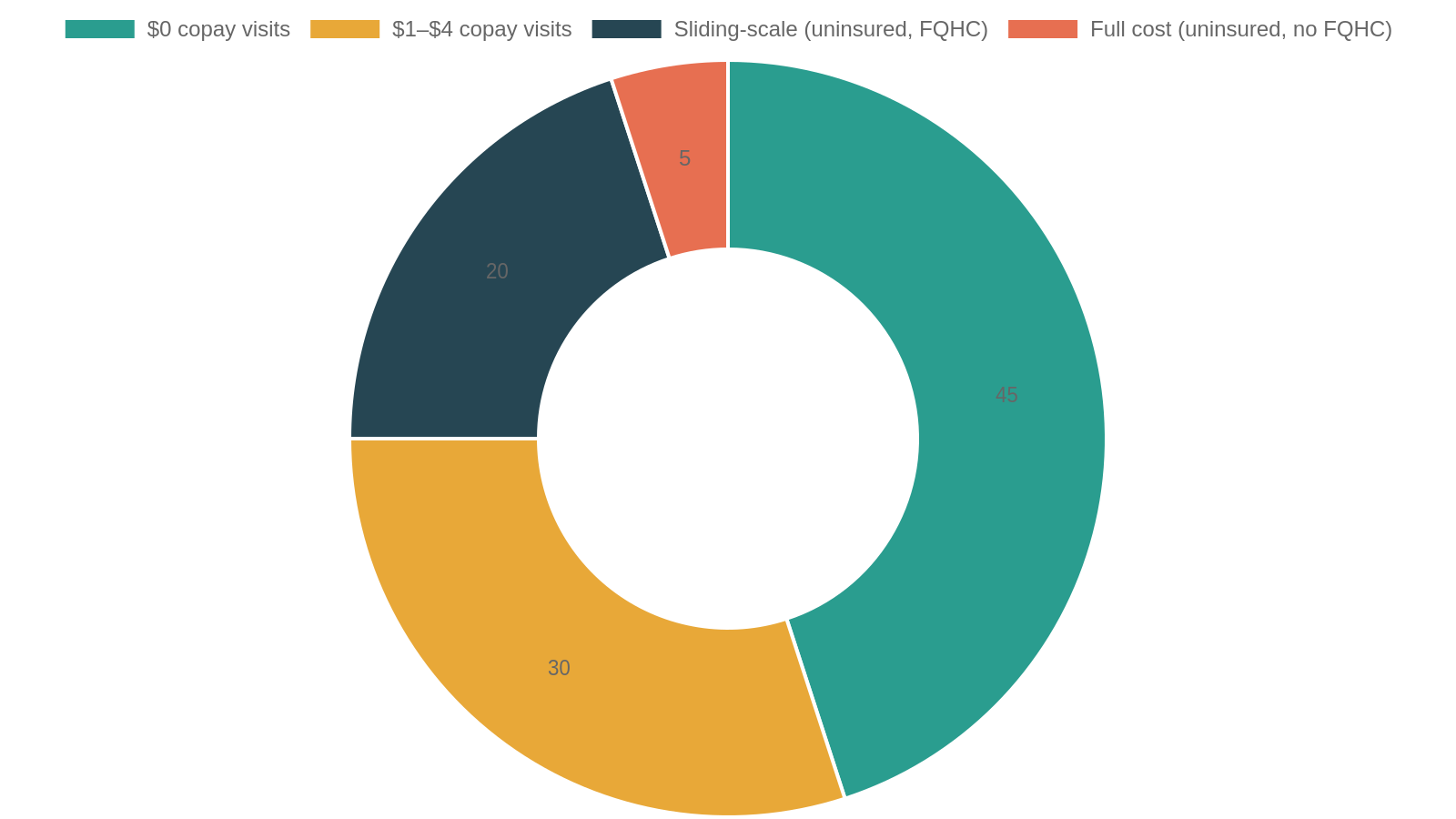
Copays for TennCare members are minimal — usually $0 to $4 per visit for most mental health services. If you are already enrolled but unsure what your plan covers, call the member services number on your TennCare card or ask a YAAB peer navigator to help you decode your benefits.
Aging Out of Foster Care in Northeast Tennessee: What YAAB Knows That Others Don't

For youth aging out of foster care in Northeast Tennessee, the mental health stakes are especially high. The transition out of state custody is one of the most disorienting experiences a young person can face — and YAAB members who have lived it are uniquely positioned to help peers navigate what comes next.
The Cliff at 18 — and How Tennessee Is Trying to Soften It
In Tennessee, youth in state custody traditionally aged out of foster care at 18 — a hard stop that left thousands of young people without housing, income, or support overnight. Tennessee has since expanded its Extended Foster Care program, allowing youth to remain in care voluntarily until age 21 if they are in school, working, or participating in a qualifying activity. This is a significant protection, and YAAB members advocate loudly to make sure every eligible youth knows it exists.
Despite the extension, many youth still leave care without stable housing or a mental health provider. The transition period — roughly ages 18 to 24 — is when mental health needs peak and when system support most often disappears. YAAB fills that gap by maintaining peer connections that don’t have an expiration date.
Chafee Funds and Independent Living Services
The John H. Chafee Foster Care Program for Successful Transition to Adulthood provides federal funding to states for independent living services for current and former foster youth. In Tennessee, Chafee funds support:
- Independent living skills training (budgeting, cooking, renting)
- Educational and vocational support
- Room and board assistance for youth ages 18–21 still in extended care
- Mental health and substance use services
Tennessee’s Department of Children’s Services (DCS) administers Chafee funds, but access is not always straightforward. YAAB members in Northeast Tennessee can help you understand what you are entitled to and connect you with a DCS independent living coordinator in the Tri-Cities area. You have rights — and knowing them is the first step to using them.
Trauma-Informed Care: Why It Matters and How to Find It in the Tri-Cities

Not all mental health care is created equal — and for young adults who have experienced trauma, the how of care matters as much as the what. Trauma-informed care is the standard that YAAB advocates for across Northeast Tennessee’s service system. Here is what it means and where to find it.
What Trauma-Informed Care Actually Means
Trauma-informed care (TIC) is an approach to mental health treatment that recognizes the widespread impact of trauma and builds safety, trust, and empowerment into every interaction. For transition-age youth who have experienced homelessness, abuse, neglect, or system involvement, trauma-informed care is not a bonus — it is a baseline requirement for effective treatment.
A trauma-informed provider will not ask “What is wrong with you?” — they will ask “What happened to you?” They will not require you to retell your worst experiences as a condition of receiving help. They will work at your pace, explain your options, and respect your right to say no. If a provider does not operate this way, YAAB members can help you find one who does.
Trauma-Informed Providers in Northeast Tennessee
Several providers in the Tri-Cities area have made explicit commitments to trauma-informed practice for youth:
- Frontier Health’s Youth Services division — offers trauma-focused cognitive behavioral therapy (TF-CBT) and trauma-informed case management for young adults.
- ETSU Student Counseling Center (Johnson City) — serves enrolled East Tennessee State University students with trauma-informed individual and group therapy at no cost. If you are considering college, this is a resource worth knowing about.
- Mountain States Health Alliance community programs — integrated behavioral health embedded in primary care, with trauma-informed screening protocols.
When calling to schedule, it is completely okay to ask: “Do your therapists use trauma-informed approaches?” and “Do you have experience working with young adults who have experienced housing instability?” YAAB members can role-play these conversations with you before you make the call.
Mental Health and Housing: How YAAB Connects Both in TN-509

Mental health and housing are not separate issues — they are the same issue. In Northeast Tennessee, YAAB works at the intersection of both, connecting young adults to programs that address housing and mental health together, and advocating for a system that treats them that way.
Supportive Housing and Mental Health Services Together
In the TN-509 region, several housing programs pair stable housing with on-site or co-located mental health services — recognizing that you cannot focus on therapy when you are worried about where you will sleep. Key programs include:
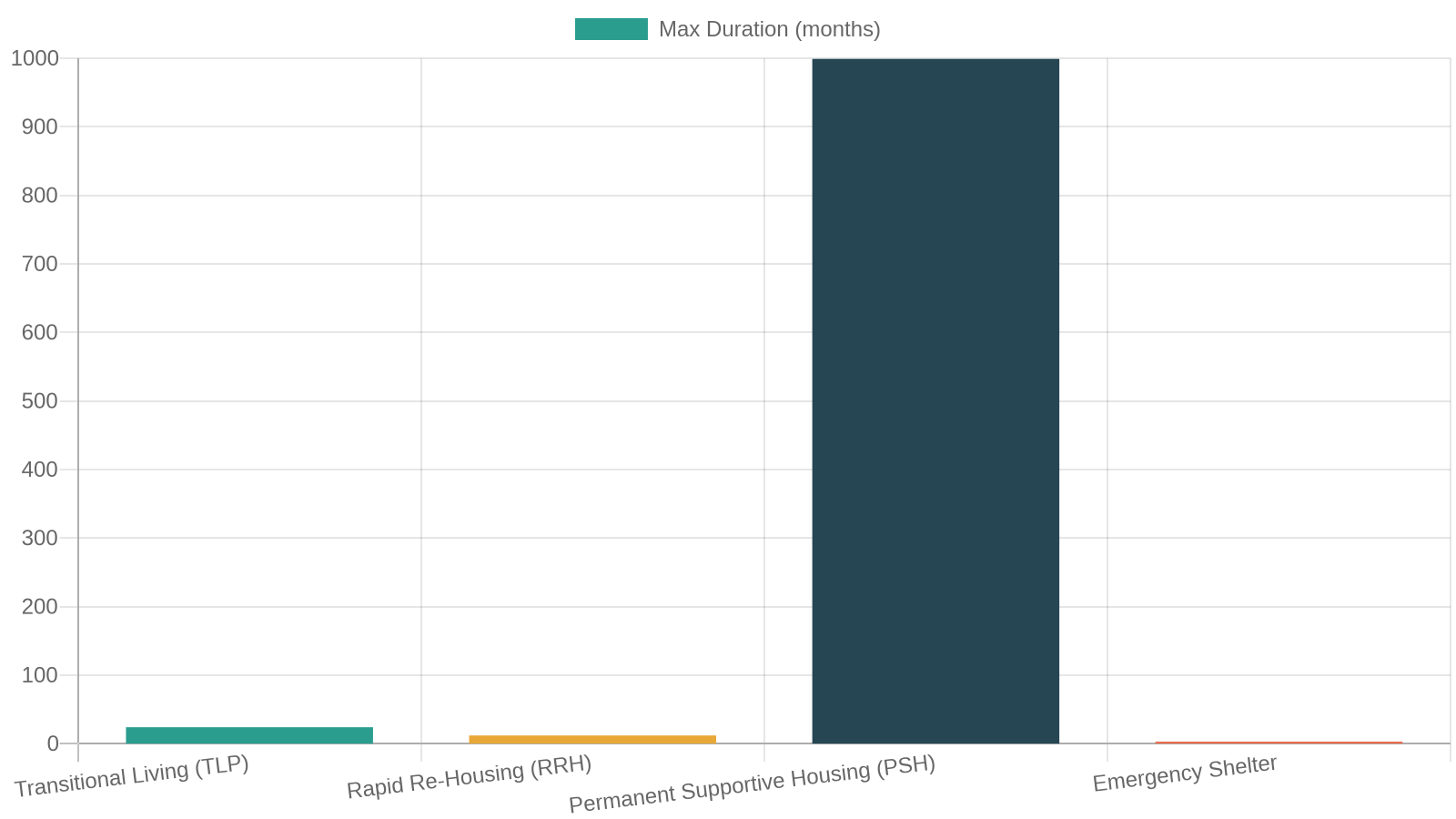
- Transitional Living Programs (TLPs) — HUD-funded programs that provide up to 24 months of housing for youth ages 16–22, with case management and mental health referrals built in. Frontier Health and local CoC partners operate TLPs in the Tri-Cities area.
- Rapid Re-Housing (RRH) — Short-term rental assistance paired with services to help youth move quickly from homelessness into their own housing. RRH programs in TN-509 typically include mental health and employment support.
- Permanent Supportive Housing (PSH) — Long-term housing with ongoing support services for youth with the highest needs, including serious mental illness.
YAAB's Role in Housing Advocacy
YAAB members in Northeast Tennessee don’t just connect peers to existing housing programs — they advocate to make those programs better. YAAB members participate in the TN-509 CoC planning process, providing youth-specific data and recommendations on how housing resources should be allocated. When a program’s intake process is too complicated, when shelter rules are not youth-friendly, or when a housing provider is not using trauma-informed practices, YAAB members bring that feedback to decision-makers.
This advocacy work is ongoing and real. In recent years, YAAB input across Tennessee has contributed to changes in how CoC regions prioritize youth for housing resources, how youth are counted in the annual Point-in-Time homeless count, and how peer support is funded within the Continuum of Care. Your voice, through YAAB, has power.
Mental Health Resource Comparison: Northeast Tennessee Options for Transition-Age Youth
Not every mental health resource works the same way. Use this table to compare your main options in the Kingsport, Bristol, and Johnson City area so you can find the right fit for your situation.
Education, Employment, and Mental Health: The Three-Way Connection

Mental health, education, and employment are not three separate tracks — they are one ecosystem. When one is struggling, the others feel it. YAAB in Northeast Tennessee helps young adults address all three together, because that is how real stability is built.
How Mental Health Affects School and Work
Untreated mental health conditions are one of the leading reasons transition-age youth drop out of school or lose jobs. Depression can make it nearly impossible to get out of bed for an 8 a.m. class. Anxiety can make a job interview feel unsurvivable. PTSD can make it hard to concentrate in a classroom or a workplace. These are not character flaws — they are symptoms that respond to treatment.
In Northeast Tennessee, YAAB members understand this connection because they have lived it. That is why YAAB’s support does not stop at mental health referrals — it extends to helping peers find GED programs, vocational training, and employment opportunities that are flexible, trauma-informed, and supportive of young people who are still healing.
GED and Vocational Resources in the Tri-Cities
For young adults in Kingsport, Bristol, and Johnson City who need to finish their education while managing mental health challenges, these resources are available:
- Northeast State Community College (Blountville) — Offers adult education, GED preparation, and workforce development programs, including some online options.
- Tennessee College of Applied Technology (TCAT) Elizabethton — Vocational and technical training programs in high-demand fields, with financial aid available for eligible youth.
- Tennessee Reconnect Grant — Covers tuition for adults without a college degree at community colleges and TCATs. Combined with TennCare for mental health support, this can be a powerful combination.
- American Job Centers (Kingsport and Johnson City) — Free career counseling, resume help, and job placement services. Staff can connect you to mental health supports as part of a holistic plan.
How to Get Involved With the Northeast Tennessee YAAB

YAAB is not just a resource you use — it is a community you join. And in Northeast Tennessee, that community is actively working to make the region’s mental health, housing, and support systems better for every young adult who comes after you. Here is how to step in.
Who Can Join and What Membership Looks Like
If you are between 17 and 25 years old and have lived experience of homelessness or housing instability — including couch-surfing, staying in a shelter, aging out of foster care, or doubling up with family because you had nowhere else to go — you are exactly who YAAB is built for. Membership is open, peer-led, and does not require you to have your life figured out. You can be in the middle of your own housing crisis and still have something valuable to contribute.
YAAB members in Northeast Tennessee participate in regional meetings, provide input on CoC planning, connect peers to resources, and sometimes travel to Nashville to represent the Tri-Cities region in statewide advocacy conversations. There is no single right way to be involved — some members are deeply active, others participate when they can. Both are welcome.
What You Get Out of YAAB Membership
YAAB is not just about giving — it is about growing. Members report gaining:
- Leadership skills — public speaking, meeting facilitation, data analysis, and policy advocacy
- Professional connections — relationships with CoC partners, nonprofit leaders, and government officials who can open doors
- Stipends and compensation — YAAB values members’ time and works to ensure participation is compensated, not just volunteered
- Community — a peer network of young adults who get it, because they have been there
- A sense of purpose — using your experience to change the system for the next young person who comes through
If you are in Kingsport, Bristol, Johnson City, or anywhere in the TN-509 region and want to connect, visit the Northeast Tennessee YAAB page to learn how to get involved with your regional chapter. Your story matters, and YAAB is a place where it can create real change.
Statewide YAAB: How Northeast Tennessee Connects to the Bigger Picture

The Northeast Tennessee YAAB does not operate in isolation. It is part of a statewide network that amplifies the voices of young adults from Memphis to Mountain City. Understanding how the pieces fit together helps you see why your participation — wherever you are in Tennessee — matters at every level.
Tennessee's Seven CoC Regions and Their YAABs
Northeast Tennessee’s TN-509 YAAB is one chapter in a statewide network. Tennessee has seven Continuum of Care regions, each with its own YAAB chapter: Memphis/Shelby (TN-500), Nashville/Davidson (TN-501), Knoxville/Knox (TN-502), Chattanooga/Hamilton (TN-503), Jackson/West Tennessee (TN-504), Upper Cumberland (TN-506), and Northeast Tennessee (TN-509). Together, these regional YAABs form a statewide voice for transition-age youth that no single organization could create alone.
When Northeast Tennessee YAAB members identify a gap — say, a shortage of trauma-informed providers in rural Sullivan County — that information flows into the statewide network and can influence how Tennessee allocates resources across all regions. Local action has statewide impact.
Advocacy Beyond the Tri-Cities
YAAB members from Northeast Tennessee have participated in state-level advocacy conversations about youth homelessness policy, TennCare mental health benefits, and CoC funding priorities. The YAAB advocacy work spans legislative testimony, community education, and direct engagement with Tennessee’s Interagency Council on Homelessness.
For young adults who want to go beyond peer navigation and into systems change, YAAB offers a pathway. You do not need a degree or a professional title — you need lived experience and the willingness to use it. Explore the YAAB resources on understanding youth homelessness to see how your experience fits into the bigger picture of what is happening across Tennessee and nationally.
Ready to Take Your Next Step? Here Is How to Start Today

You made it to the end of this article — which means you are already doing the work of figuring out what is possible. Whether you need mental health support, housing help, or a community of peers who get it, Northeast Tennessee has resources, and YAAB is here to help you access them. Here is your practical next step, no matter where you are starting from.
If You Need Mental Health Support Right Now
You do not have to have everything figured out before you ask for help. If you are a young adult in Kingsport, Bristol, Johnson City, or anywhere in Northeast Tennessee and you are struggling with your mental health, start here:
- Call or text 988 — free, confidential crisis support available 24/7
- Call Frontier Health at (423) 467-3326 to schedule an intake appointment — sliding-scale fees available
- Text HOME to 741741 for the Crisis Text Line
- Visit the nearest FQHC — no insurance required, no permanent address required
If you want a peer to walk alongside you through any of these steps, YAAB is here for that too. You do not have to navigate this alone.
If You Want to Get Involved With YAAB
Whether you are looking for support, looking to give back, or both — the Northeast Tennessee YAAB is your regional entry point. YAAB members in the Tri-Cities area meet regularly, connect peers to resources, and represent youth voices in the TN-509 Continuum of Care planning process. You belong in this conversation.
To connect with the Northeast Tennessee chapter and learn about upcoming meetings, peer navigation opportunities, and how to make your voice heard in the region’s housing and mental health system, visit the TN-509 YAAB page and reach out today. And if you are curious about YAAB’s work across the state, the YAAB join page has everything you need to take that first step — no matter which region of Tennessee you call home.
Your experience is not a liability. In YAAB, it is your greatest asset.
Frequently Asked Questions
How do I contact the Northeast Tennessee YAAB in Kingsport, Bristol, or Johnson City?
You can connect with the Northeast Tennessee YAAB chapter through the TN-509 regional page at yaabtn.org/local-yaabs/tn-509/. The page has contact information and details about upcoming meetings and how to get involved as a peer member or to request peer navigation support.
What mental health services are free for young adults in Johnson City, Tennessee?
Several free or low-cost options exist in Johnson City. The 988 Suicide and Crisis Lifeline is free 24/7. Frontier Health offers sliding-scale fees as low as $0 for uninsured youth. The Johnson City Community Health Center (an FQHC) serves patients regardless of ability to pay. ETSU's Student Counseling Center is free for enrolled students.
Does TennCare cover mental health therapy for young adults who aged out of foster care?
Yes. Youth who aged out of foster care in Tennessee are automatically eligible for TennCare until age 26, regardless of income, under federal law. TennCare covers individual therapy, psychiatric medication management, crisis services, and peer support services, typically with $0–$4 copays.
Do I need a permanent address to get mental health help in Northeast Tennessee?
No. Federally Qualified Health Centers (FQHCs) and most community mental health centers in the Tri-Cities area do not require a permanent address to establish care. A shelter address, a case manager's address, or a P.O. box is generally accepted. YAAB peer navigators can help you navigate the intake process without a fixed address.
What is the difference between YAAB and a regular social service agency?
YAAB is a peer-led advisory network, not a traditional social service agency. YAAB members are young adults ages 17–25 with their own lived experience of homelessness or housing instability. They provide peer navigation, advocacy, and connection to resources — not clinical services. The key difference is that YAAB is run by and for transition-age youth, not by adults on behalf of youth.
Can I join YAAB if I am currently experiencing homelessness or housing instability?
Absolutely. YAAB is designed for young adults who are currently experiencing or have experienced homelessness or housing instability. You do not need to have stable housing or a resolved situation to participate. Your current experience is exactly the kind of lived knowledge that makes YAAB's advocacy meaningful and effective.