Quick answer: The Youth Action Board (YAAB) for the Chattanooga/Hamilton County region — part of Tennessee's Continuum of Care — is a peer-led advisory body made up of young adults ages 17 to 25 who have lived experience of homelessness or housing instability. YAAB members in the Chattanooga area advise local service providers and policymakers, connect peers to housing and support resources, and drive real change in how the region responds to youth homelessness. If you're a young adult in Hamilton County who has experienced housing instability, you can join, lead, and make your voice count.
1. What the Youth Action Board Actually Is — and Why It Exists

If you’ve ever felt like the systems meant to help you didn’t really understand what you were going through, you’re not alone — and you’re exactly who the Youth Action Board (YAAB) was created for. YAAB is a statewide network of young adults in Tennessee, ages 17 to 25, who have experienced homelessness or housing instability and now use that experience to improve the services, policies, and programs that affect their peers. In Chattanooga and Hamilton County, the local YAAB chapter operates within the TN-500 Continuum of Care region, making it one of the most important youth advocacy structures in Southeast Tennessee.
Peer Power, Not Charity
The Youth Action Board is not a program that does things to young people — it’s a network built by and for young adults who have navigated homelessness and housing instability firsthand. YAAB members in Chattanooga and across Tennessee bring that lived experience into rooms where decisions get made: Continuum of Care meetings, city budget conversations, and state policy forums. That shift — from being talked about to doing the talking — is the entire point.
Nationally, research from the True Colors United organization shows that young people who are engaged in advisory roles within their local homeless response systems produce more relevant, more trusted, and more effective solutions than systems designed without their input. Tennessee’s YAAB network was built on that same principle.
The Continuum of Care Connection
Every YAAB chapter in Tennessee is tied to a specific Continuum of Care (CoC) region — a federally recognized geographic area that coordinates housing and homeless services. The Chattanooga and Hamilton County region falls under TN-500, which is the CoC designation covering that part of Southeast Tennessee. The CoC brings together shelters, service providers, government agencies, and community organizations to plan and fund the local response to homelessness. YAAB’s role is to make sure young adults ages 17 to 25 have a genuine seat at that table — not just a token mention in a report.
2. Youth Homelessness in Chattanooga: What the Numbers Tell Us

Understanding the scale of youth homelessness in Chattanooga is the first step toward changing it. While exact local figures shift year to year, the broader patterns are clear: transition-age youth — those between 17 and 25 — are among the most vulnerable and least-served populations within Hamilton County’s homeless response system. Here’s a closer look at what the data shows and who it affects most.
Point-in-Time Count Data for Hamilton County
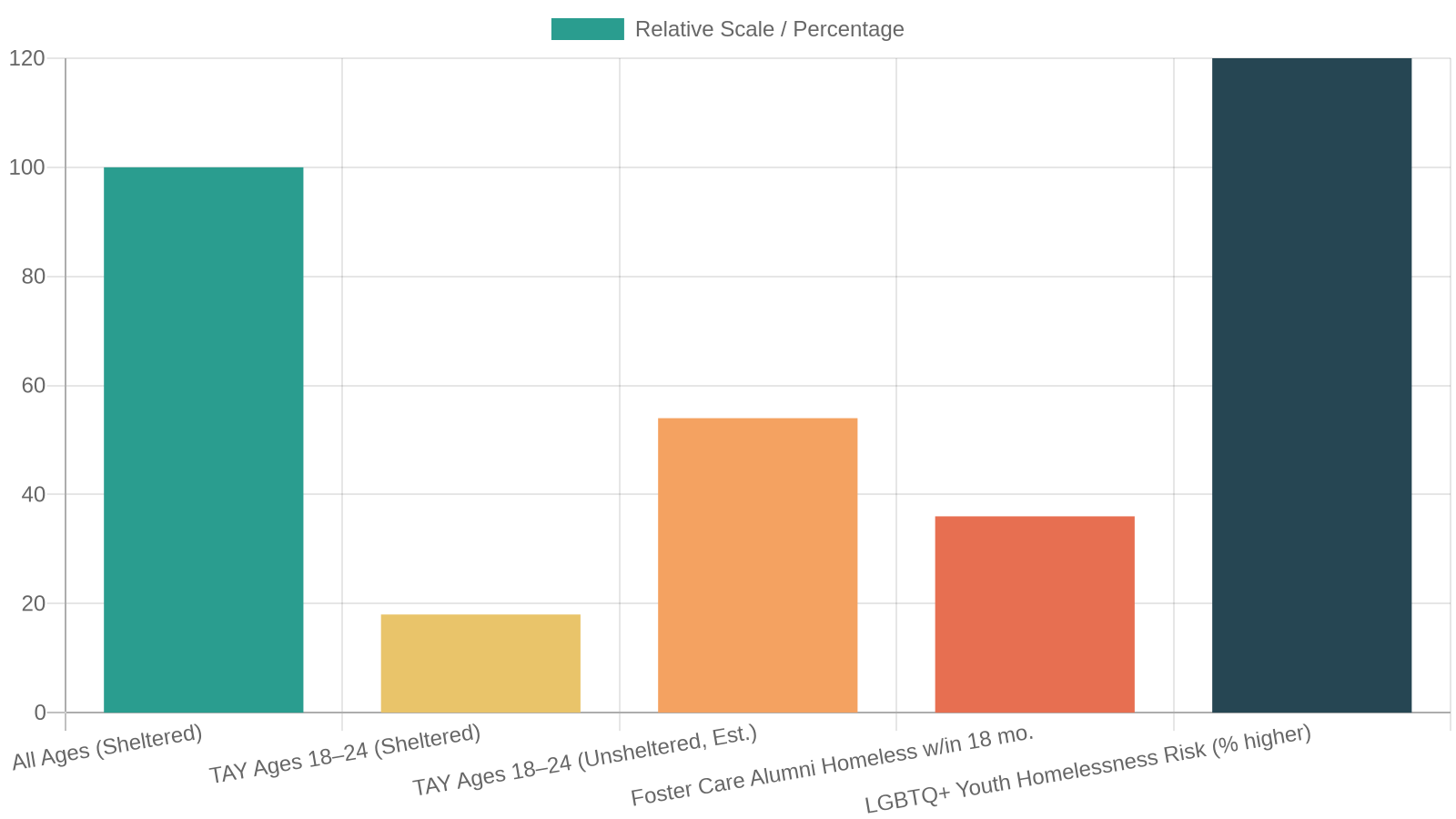
Every January, communities across the U.S. conduct a Point-in-Time (PIT) Count — a one-night snapshot of people experiencing homelessness. In Tennessee’s TN-500 CoC region, which includes Hamilton County, recent PIT counts have consistently identified transition-age youth (ages 18–24) as one of the most undercounted and underserved populations. Many young people experiencing homelessness are unsheltered — staying in cars, with friends, or in other places not meant for sleeping — and are often missed by traditional shelter-based counts.
Experts estimate that for every young person counted in a PIT count, three to four more are experiencing hidden or unstable housing situations. That gap is exactly why a dedicated youth advisory voice — like YAAB — matters so much in shaping how Hamilton County allocates resources.
Who Is Most Affected Among Transition-Age Youth
Youth homelessness in Chattanooga and Hamilton County does not affect all young people equally. Nationally, LGBTQ+ youth are 120% more likely to experience homelessness than their peers, often due to family rejection. Youth aging out of foster care face a particularly sharp cliff: within 18 months of leaving the foster care system, studies show that approximately 36% experience homelessness. Black and Indigenous young people are also significantly overrepresented in homeless populations relative to their share of the general population. YAAB’s peer-centered model is designed to center the voices of those most affected — because the people closest to the problem are closest to the solution.
3. How the TN-500 YAAB Chapter Works in Hamilton County

So what does the Chattanooga-area YAAB chapter actually look like in practice? Here’s a breakdown of how the TN-500 chapter is structured, what members do, and what kind of support is available to young adults who get involved.
Structure and Membership
The TN-500 YAAB chapter is made up of young adults who live or have lived in the Chattanooga/Hamilton County area and who have personal experience with homelessness or housing instability. Members are not employees — they are advisors and advocates. The group typically meets regularly (monthly or bi-monthly) to discuss local housing trends, review service gaps, and prepare recommendations for the CoC and other decision-making bodies. There is no requirement to have a perfect housing history or a certain level of education to join. Your experience is your qualification.
What Members Actually Do Day-to-Day
YAAB members in Chattanooga take on a wide range of activities depending on their interests and availability. Some members attend CoC planning meetings and provide formal testimony or feedback on proposed policies. Others help design outreach materials, participate in peer-to-peer connection efforts, or contribute to research projects like the annual PIT count. Some members have gone on to present at statewide conferences, contribute to grant applications, or help train service providers on how to work more effectively with young adults. The work is flexible, meaningful, and — importantly — compensated where possible, because YAAB recognizes that young people’s time and expertise have real value.
Support Provided to YAAB Members
Joining an advisory board can feel intimidating, especially if you’ve never been in a formal advocacy role before. The TN-500 YAAB chapter works to remove those barriers. Members receive orientation and training on how the Continuum of Care works, what policy advocacy looks like, and how to communicate their experiences effectively. Peer mentorship connects newer members with those who have been involved longer. Transportation support, stipends for participation, and connections to additional resources — housing, employment, education — are part of the YAAB model, because sustainable advocacy requires that members’ own needs are being met.
4. The 7 Core Issues YAAB Addresses for Chattanooga Youth
YAAB’s work in Chattanooga and Hamilton County touches nearly every dimension of a young person’s life. The issues below represent the core areas where YAAB members advocate, advise, and drive change — both locally within TN-500 and statewide through Tennessee’s broader YAAB network.
Housing and Emergency Shelter Access
Finding safe, stable housing is the foundation of everything else. YAAB members in Hamilton County work to identify gaps in the local shelter system — including the shortage of youth-specific beds — and advocate for solutions like rapid re-housing programs, transitional housing, and host home models. They also help peers navigate the local Coordinated Entry system, which is the official process for accessing homeless services in the TN-500 region.
Employment, Education, and Financial Stability
Housing instability and unemployment are deeply connected. YAAB advocates for young adults to have access to job training, GED completion programs, workforce development resources, and financial literacy education. In Chattanooga, partners like Tennessee College of Applied Technology (TCAT) and local workforce boards offer pathways that YAAB members can both access and help shape. Financial literacy — understanding banking, credit, budgeting, and benefits — is a consistent focus because many transition-age youth have never had the opportunity to build these skills.
Mental Health, Substance Use, and Trauma-Informed Care
The majority of young people who experience homelessness have also experienced significant trauma. YAAB advocates for mental health services that are youth-friendly, trauma-informed, and accessible — meaning no long waitlists, no stigma, and no requirement to be in crisis before you can get help. In Hamilton County, this includes pushing for integrated care models where mental health support is embedded within housing and employment services rather than siloed in a separate system.
5. Aging Out of Foster Care in Hamilton County: A Specific Crisis

For young adults who have been in Tennessee’s foster care system, the moment of ‘aging out’ can feel like stepping off a cliff. In Hamilton County, this transition is one of the most direct pipelines into youth homelessness — and it’s one of the issues YAAB is most actively working to change.
What 'Aging Out' Means and Why It's So Risky
In Tennessee, young people in the foster care system typically age out at 18, though extended support is available in some cases up to age 21 through the Tennessee Independent Living program. Aging out means the formal system of placement and support ends — often abruptly. Without a family safety net, stable housing, employment, or a clear path forward, many young people who age out of foster care in Hamilton County find themselves at immediate risk of homelessness. Nationally, studies show that one in three youth who age out of foster care will experience homelessness within two years.
How YAAB Specifically Supports Foster Care Alumni
Many YAAB members across Tennessee have personal experience aging out of foster care, which gives the organization unique credibility and insight when advocating for this population. In the Chattanooga area, YAAB works to ensure that foster care alumni are connected to Coordinated Entry, aware of their rights, and linked to programs like Chafee Foster Care Independence Act funding, which provides financial support for housing, education, and employment for youth who have aged out. YAAB also advocates for longer transition timelines and stronger collaboration between the Tennessee Department of Children’s Services (DCS) and the TN-500 CoC.
6. Your Rights as a Young Adult Experiencing Homelessness in Tennessee
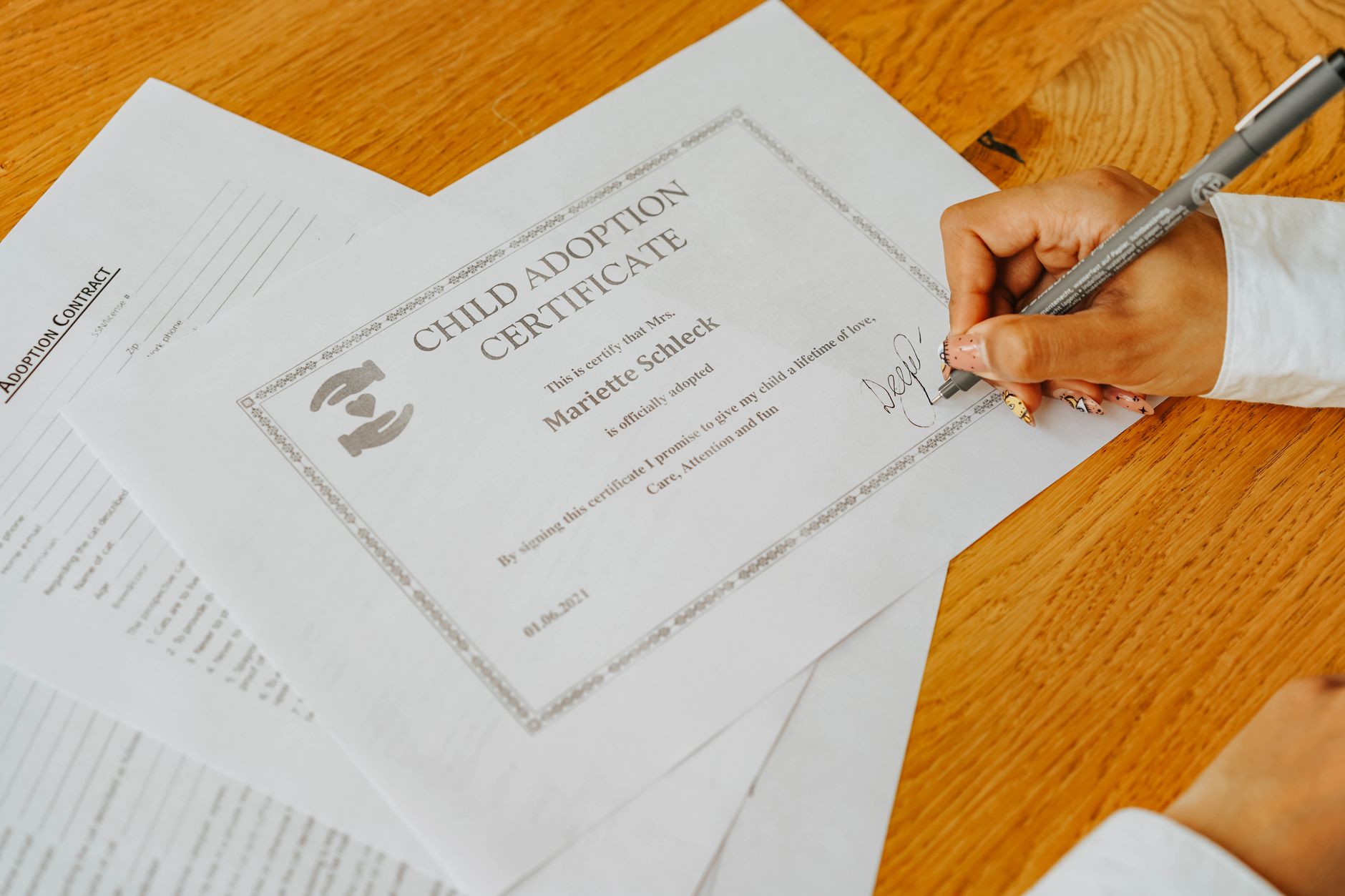
One of the most empowering things you can know is what you’re legally entitled to. Whether you’re currently experiencing homelessness in Chattanooga or supporting a peer who is, understanding your rights under federal and Tennessee state law can open doors that might otherwise feel closed.
The McKinney-Vento Act and What It Covers
The McKinney-Vento Homeless Assistance Act is a federal law that guarantees certain rights to people experiencing homelessness — including young adults. Under McKinney-Vento, you have the right to access public education without barriers, even if you don’t have a permanent address. You cannot be denied enrollment in school because you lack documentation, a fixed address, or a parent or guardian present. For young adults in Chattanooga who are still pursuing a high school diploma or GED, this law is a critical protection.
Voting, ID, and Legal Rights
Experiencing homelessness does not take away your right to vote in Tennessee. You can register using a shelter address or a location where you regularly receive mail. Having a valid Tennessee ID is critically important for accessing housing, employment, and services — and if you’ve lost yours, Tennessee has processes to help you get a replacement, sometimes at reduced or no cost through nonprofit partners. YAAB advocates for young people to know these rights and have the support to exercise them. You are a full citizen with full rights — housing status does not change that.
Confidentiality and Consent for Services
In Tennessee, young adults ages 18 and older can consent to their own services — housing, mental health, medical care — without parental permission. For those ages 17 who are legally emancipated or unaccompanied, similar protections may apply. Importantly, service providers are generally required to keep your information confidential and cannot share your location or status with family members without your consent. YAAB educates members and peers about these protections so that fear of exposure or family conflict doesn’t become a barrier to getting help.
7. Comparing Local Resources: What's Available in the Chattanooga Area

Knowing what resources exist — and understanding the differences between them — is essential for young adults navigating housing instability in Chattanooga. The comparison table below breaks down the main types of support available in the Hamilton County area so you can identify which options might fit your situation.
Shelter and Housing Programs
Hamilton County has a range of shelter and housing options for young adults, though demand consistently outpaces supply. Emergency shelters provide immediate, short-term safety. Transitional housing programs — typically 6 to 24 months — offer more stability and often include case management, life skills training, and employment support. Rapid Re-Housing programs provide short-term rental assistance and services to help young adults move quickly from homelessness into their own place. Permanent Supportive Housing is available for young adults with longer-term needs, particularly those with disabilities or chronic health conditions.
Education and Employment Pathways
Chattanooga has several strong education and workforce resources for transition-age youth. Tennessee College of Applied Technology (TCAT) Chattanooga offers certificate programs in trades and technical fields, many of which can be completed in under a year. Hamilton County Schools Adult Education provides GED preparation and testing. The Tennessee Department of Labor and Workforce Development operates American Job Centers where young adults can access job search support, resume help, and training funding. YAAB members can both access these resources and help shape how they serve young people experiencing housing instability.
Chattanooga-Area Housing and Support Options at a Glance
Not all housing and support programs work the same way. This table breaks down the main types of resources available to transition-age youth in the Hamilton County/TN-500 region so you can find the right fit for your situation.
8. How to Join the TN-500 YAAB Chapter in Chattanooga

Ready to get involved? Here’s everything you need to know about joining the YAAB chapter for the Chattanooga and Hamilton County region — and why it’s worth your time.
To connect with the TN-500 chapter directly, visit the TN-500 YAAB page to learn more about the Chattanooga-area chapter, find contact information, and take the first step toward getting involved. You can also explore the full YAAB membership process to understand what joining looks like statewide.
Who Can Join and What to Expect
If you are between the ages of 17 and 25 and have lived experience of homelessness or housing instability — including couch surfing, staying in a shelter, living in a car, or doubling up with others because you had nowhere else to go — you are eligible to join the Chattanooga-area YAAB chapter. You don’t need a certain level of education, a stable housing situation right now, or any prior advocacy experience. What matters is your perspective and your willingness to show up for yourself and your peers.
New members typically go through an orientation process to learn about the Continuum of Care, YAAB’s structure, and how meetings work. From there, you can get involved at whatever level fits your life — attending meetings, joining a specific project, or eventually taking on a leadership role.
Why Your Voice Changes Real Outcomes
This is not performative inclusion. When YAAB members in Chattanooga speak at CoC meetings, their input directly influences how millions of dollars in federal HUD funding is allocated across the TN-500 region. When YAAB members help design outreach materials or train service providers, the quality of services that young people receive actually improves. Multiple studies on youth advisory boards in homeless response systems have found that systems with strong youth engagement have better housing outcomes, higher service satisfaction, and more culturally relevant programs. Your voice is not just welcome — it is strategically essential.
YAAB's Statewide Network: How Chattanooga Connects to the Bigger Picture

The TN-500 YAAB chapter in Chattanooga doesn’t operate in isolation — it’s part of a powerful statewide network that gives Tennessee’s transition-age youth a unified voice in housing policy from Memphis to Mountain City. Understanding how the chapters connect helps illustrate why local involvement has statewide consequences.
Tennessee's Seven CoC Regions and Their YAABs
Tennessee’s statewide YAAB network spans all seven Continuum of Care regions: Memphis/Shelby County (TN-501), Nashville/Davidson County (TN-502), Knoxville/Knox County (TN-503), Chattanooga/Hamilton County (TN-500), Jackson/West Tennessee (TN-504), the Upper Cumberland region (TN-506), and Northeast Tennessee (TN-507 and TN-509). Each regional chapter operates with local autonomy but is connected to the statewide network, which amplifies advocacy at the state level and enables chapters to share strategies, resources, and momentum. See all Tennessee YAAB chapters to find the one closest to you.
Statewide Advocacy and Policy Impact
When YAAB chapters across Tennessee align on a policy issue — like extending foster care support to age 21, increasing funding for youth-specific housing, or improving how the PIT count captures young people — the collective voice is far more powerful than any single chapter acting alone. YAAB members have testified before state legislative committees, contributed to Tennessee’s Consolidated Plan for housing and community development, and helped shape how the Tennessee Interagency Council on Homelessness approaches transition-age youth. The Chattanooga chapter’s work feeds directly into this statewide impact.
For Service Providers and CoC Partners: How to Engage YAAB Effectively

YAAB’s effectiveness depends not just on young people showing up — it depends on the adults and organizations in the Chattanooga homeless response system taking youth voice seriously. Here’s what meaningful engagement looks like for providers and CoC partners in the TN-500 region.
Centering Youth Voice Without Tokenizing It
If you’re a case manager, CoC partner, or service provider in the Chattanooga area, YAAB is one of your most valuable resources — but only if you engage with it authentically. Tokenizing youth voice means inviting a young person to a meeting, asking them to share their story, and then making decisions without meaningfully incorporating their input. Authentic engagement means compensating young advisors for their time, giving them access to the same information as other decision-makers, and actually changing policies and programs based on what they tell you.
Practical Ways to Partner with TN-500 YAAB
Service providers and CoC partners in Hamilton County can partner with the TN-500 YAAB chapter in concrete ways: invite YAAB members to sit on program design committees, include youth advisory review as a formal step in grant applications, commission YAAB members to conduct peer outreach or mystery-shopper assessments of your intake process, or fund stipends for YAAB participation as a line item in your budget. The YAAB About page provides background on the organization’s structure and values that can help orient new partners. Reach out through the TN-500 chapter page to begin a conversation about formal partnership.
Ready to Make Your Move in Chattanooga?

Chattanooga’s youth homelessness crisis is real — but so is the community of young people working every day to change it. The TN-500 YAAB chapter is proof that transition-age youth in Hamilton County are not just survivors of a broken system; they are the architects of a better one. Here’s how to take your next step.
Start Where You Are
You don’t have to have everything figured out to get involved with YAAB. You don’t need a stable address, a polished resume, or experience in policy. You need your perspective — which is already valuable — and the willingness to connect. Whether you’re currently experiencing housing instability in Chattanooga, recently housed, or just want to use your experience to help others, there is a role for you in the TN-500 YAAB chapter. Start by reaching out, attending a meeting, or simply learning more about what the chapter is working on right now.
Resources to Explore Right Now
Beyond YAAB membership, Tennessee offers a range of resources for young adults navigating housing instability. The YAAB Resources page compiles housing, employment, education, mental health, and legal resources organized for transition-age youth across Tennessee. Bookmark it, share it with a peer, or bring it up with your case manager. The information is free, regularly updated, and built with young adults in mind.
If you’re in Hamilton County and ready to take the next step — whether that’s joining YAAB, connecting with local services, or just learning more — the TN-500 chapter is your starting point. Visit the TN-500 YAAB chapter page to find contact information, learn about upcoming meetings, and connect with peers who are already doing this work in Chattanooga. Your experience matters. Your voice belongs in the room.
Frequently Asked Questions
What is the Youth Action Board in Chattanooga and who can join?
The Youth Action Board (YAAB) in Chattanooga is the local chapter of Tennessee's statewide peer advisory network for young adults ages 17 to 25 who have experienced homelessness or housing instability. If you live or have lived in the Hamilton County area and have that lived experience, you can join — no prior advocacy experience required.
What is the TN-500 Continuum of Care and how does it relate to youth homelessness in Hamilton County?
TN-500 is the federally designated Continuum of Care region covering Chattanooga and Hamilton County, Tennessee. It coordinates local housing and homeless services and allocates HUD funding. The YAAB chapter for TN-500 ensures that young adults ages 17–25 have a voice in how those resources are planned and distributed.
How do I access homeless services as a young adult in Chattanooga?
The main entry point for homeless services in Hamilton County is Coordinated Entry, which you can access by calling 211 or connecting with a local service provider. YAAB members can also help you navigate the system — reach out through the TN-500 YAAB chapter page at yaabtn.org/local-yaabs/tn-500/.
Can I join YAAB if I'm still experiencing homelessness right now?
Yes. YAAB is specifically designed to include young adults who are currently experiencing housing instability, not just those who are already housed. The organization works to ensure that participation is accessible regardless of your current situation, including providing transportation support and stipends where possible.
What happens to young people who age out of foster care in Tennessee?
In Tennessee, most young people age out of foster care at 18, though some support can extend to 21 through the Independent Living program. Without a family safety net, many face immediate housing instability — national data shows about one in three foster care alumni experience homelessness within two years of aging out. YAAB actively advocates for stronger protections and resources for this population in Hamilton County and statewide.
Does experiencing homelessness affect my right to vote or go to school in Tennessee?
No. You can register to vote in Tennessee using a shelter address or a location where you receive mail. Under the McKinney-Vento Act, you also have the right to enroll in and attend school without barriers related to your housing status. YAAB educates young people about these rights so housing instability doesn't become a barrier to civic participation or education.