Quick answer: If you're a young adult ages 17 to 25 in Knox County, Tennessee, facing homelessness or housing instability, you have real options. The Knoxville YAAB (part of Tennessee's Continuum of Care region TN-501) connects you to emergency shelter, rapid rehousing, transitional housing, and peer advocates who have been where you are. Local programs like the Volunteer Ministry Center, KARM, and Knox Area Rescue Ministries offer immediate beds, while longer-term pathways include rapid rehousing vouchers, supportive housing, and youth-specific case management. You don't have to figure this out alone.
1. What the Knoxville YAAB Actually Is — and Why It Matters

Before diving into specific resources, it helps to understand the structure behind the Knoxville YAAB — because knowing who is in your corner changes how you navigate the system. YAAB isn’t a shelter or a hotline. It’s a peer-led advocacy body embedded inside the local Continuum of Care, and that position gives it real influence over the programs listed below.
Peer Power, Not Programs From Above
The Knoxville Youth Action Board operates inside Tennessee’s Continuum of Care region TN-501, which covers Knox County and surrounding East Tennessee communities. What makes YAAB different from a typical nonprofit is simple: the people running it have lived through what you’re going through. Members are young adults ages 17 to 25 who have experienced homelessness, housing instability, aging out of foster care, or some combination of all three.
That lived experience isn’t a footnote — it’s the whole point. YAAB members sit at tables where housing policy decisions get made, they review funding proposals, and they tell service providers what’s actually working on the ground. When you connect with YAAB, you’re not just getting a referral list. You’re joining a community of peers who are actively changing the system.
TN-501: Knox County's Continuum of Care Region
Tennessee’s housing assistance system is organized into Continuums of Care (CoCs) — regional networks of shelters, service providers, government agencies, and advocates. Knox County sits in CoC TN-501, one of the state’s most active regions for youth-focused housing work. The CoC coordinates funding from the U.S. Department of Housing and Urban Development (HUD), manages the Homeless Management Information System (HMIS), and sets local priorities for who gets served first.
Understanding this structure matters because it tells you who has the money and who makes the rules. YAAB members in Knoxville influence both — advocating for youth-specific set-asides, lower barriers to entry, and trauma-informed intake processes across every program in the region.
2. Call 211 First: Tennessee's Front Door to Emergency Resources

If you’re in crisis right now and don’t know where to start, 211 is the single most important number to know. It’s the gateway to nearly every resource listed in this article, and it’s staffed by people who know Knox County’s shelter landscape in real time.
What Happens When You Dial 211
Dialing 211 connects you to Tennessee’s statewide information and referral service, operated by United Way. It’s free, confidential, and available 24 hours a day, 7 days a week. When you call, a trained specialist asks a few questions about your situation — where you are, how old you are, whether you have children, and what your most urgent need is — and then connects you to the most relevant local resources.
For young adults in Knox County, 211 can connect you to emergency shelter beds, food pantries, mental health crisis lines, utility assistance, and more. You can also text your zip code to 898-211 or search online at tn.211.org. If you’re in immediate danger or a life-threatening situation, always call 911 first.
Why 211 Is Especially Useful for Transition-Age Youth
Many young adults don’t know that transition-age youth (TAY) — people ages 16 to 24 — often qualify for different programs than adults over 25. When you call 211, be specific: say you are between 17 and 25 years old. This unlocks youth-specific referrals that a generic adult search might miss, including programs with lower documentation requirements and no sobriety mandates.
211 specialists in Knox County are familiar with KARM, the Volunteer Ministry Center, Helen Ross McNabb Center, and other local providers. They can also flag whether a shelter has beds available tonight, saving you from showing up somewhere that’s already full. In 2023, Tennessee’s 211 system handled over 400,000 contacts statewide — it’s a heavily used and well-maintained resource.
3. Knox Area Rescue Ministries (KARM): Emergency Beds Tonight

When you need a safe place to sleep tonight, KARM is one of Knox County’s most accessible options for young adults 18 and older. Here’s what you need to know before you walk through the door.
Who KARM Serves and What to Expect
Knox Area Rescue Ministries (KARM) is one of Knoxville’s largest emergency shelter providers, operating multiple facilities across the city. KARM offers emergency shelter, meals, clothing, and case management to adults and young adults experiencing homelessness. Their main campus at 418 N. Broadway is open year-round, and they operate separate facilities for men and women.
For young adults ages 18 and older, KARM’s emergency shelter is a same-day option — you can walk in, go through intake, and have a bed that night if space is available. KARM also connects residents to employment readiness programs, substance use recovery support, and longer-term transitional housing. They served over 2,800 unique individuals in fiscal year 2023, making them a cornerstone of Knox County’s emergency response.
What to Bring and What to Know Before You Go
You do not need a photo ID to access emergency shelter at KARM, though having one speeds up the process. If you don’t have ID, KARM’s case managers can connect you with resources to get a Tennessee state ID at low or no cost. Bring any medications you take and, if you have them, any documents related to your housing situation (lease, eviction notice, etc.).
KARM has a code of conduct that includes sobriety requirements on-site. If you’re actively using substances and need a lower-barrier option, the Volunteer Ministry Center (covered in the next section) may be a better first step. KARM’s intake line is (865) 673-6540. You can also be referred through 211.
4. Volunteer Ministry Center: Low-Barrier Day Services and Shelter
Not every shelter works for every person. The Volunteer Ministry Center’s low-barrier approach means fewer hoops to jump through on your worst day — and that philosophy matters when you’re in crisis and don’t have all your paperwork in order.
Day Services That Don't Require Sobriety or ID
The Volunteer Ministry Center (VMC), located at 511 N. Broadway in Knoxville, operates on a low-barrier model — meaning they serve people regardless of sobriety status, and you don’t need a photo ID to access most services. For young adults who may be in active crisis, struggling with substance use, or who simply don’t have documents yet, VMC is often the most accessible first stop.
Day services at VMC include showers, laundry, meals, a computer lab for job searching, and a mail address you can use for benefits applications. They also have on-site case managers who can help you navigate housing applications, connect you to mental health services through Helen Ross McNabb Center, and apply for benefits like TennCare and SNAP.
Overnight Options and the Path to Longer-Term Help
VMC’s overnight shelter capacity is more limited than KARM’s, so availability varies by season and demand. Winter months typically see higher demand, and Knoxville activates a Code Blue protocol when temperatures drop below 28°F — during Code Blue, additional warming centers open across the county and transportation is often provided to get people there safely.
VMC’s case managers are experienced in working with transition-age youth and can connect you to youth-specific rapid rehousing programs funded through HUD’s CoC grants in TN-501. They can also help you get on waiting lists for supportive housing programs that have longer-term stability built in. VMC’s main number is (865) 524-3926.
5. Youth-Specific Housing Programs in Knox County

Emergency shelter is a bridge, not a destination. Knox County has a layered set of housing programs designed to move young adults from crisis to stability — and knowing which rung of the ladder to reach for next makes all the difference.
Rapid Rehousing for Young Adults
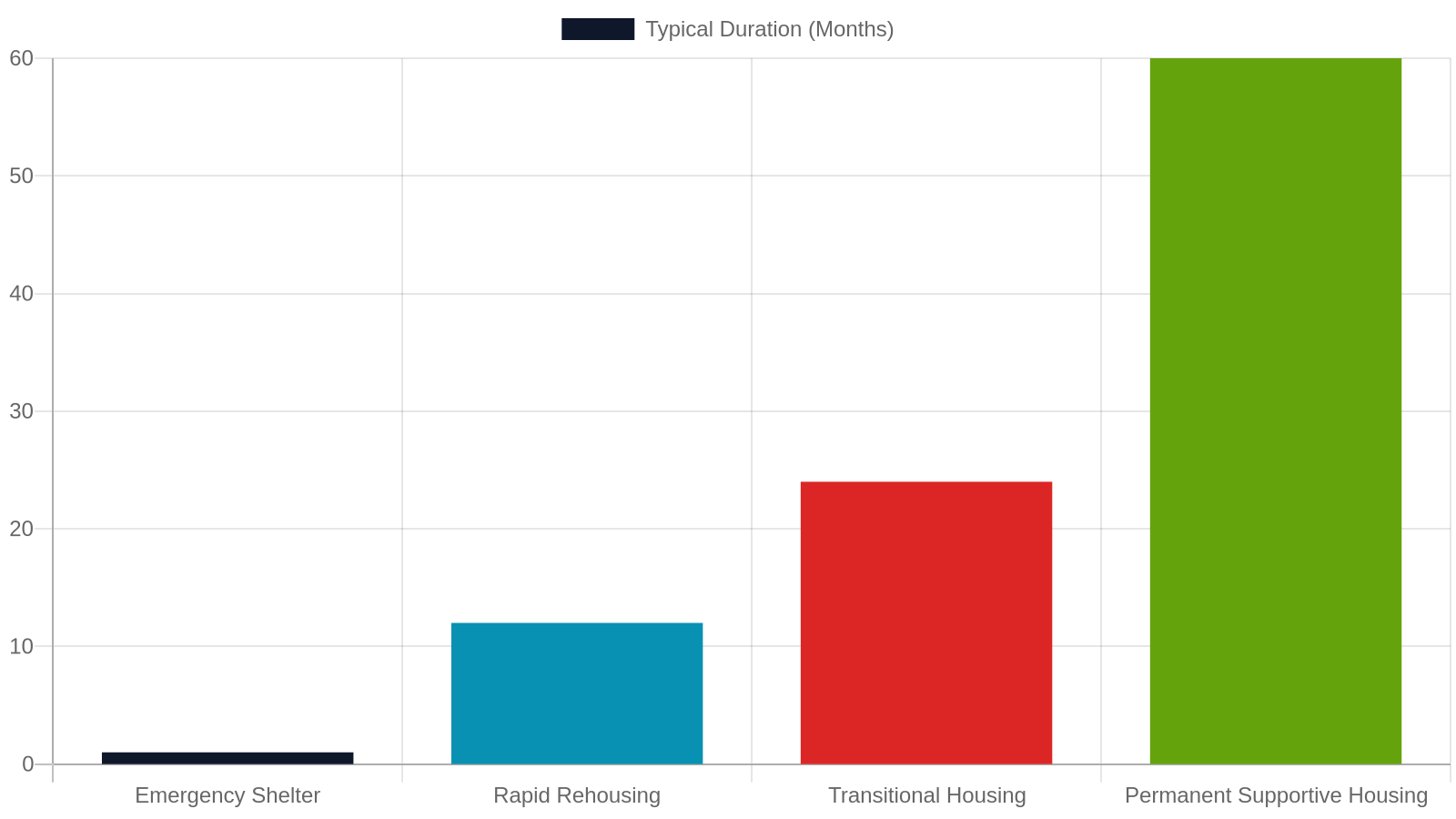
Rapid Rehousing (RRH) is a HUD-funded program model that moves people from homelessness into their own apartment quickly, then provides short-term rental assistance and case management while they stabilize. In Knox County, several organizations administer youth-specific RRH slots, including Emerald Youth Foundation and agencies connected through the TN-501 CoC.
Rapid rehousing is designed to be housing first — meaning you don’t have to be sober, employed, or have perfect credit to qualify. The goal is to get you housed fast and then work on everything else from a stable base. Typical assistance lasts 3 to 24 months, with case managers helping you build toward paying rent independently. Ask your 211 specialist or YAAB contact specifically about youth RRH slots in TN-501.
Transitional Housing and Supportive Housing Options
Transitional housing programs offer a structured living environment for up to 24 months, with built-in services like life skills training, employment support, and mental health counseling. In Knox County, options include programs through Helen Ross McNabb Center and faith-based transitional programs. These are best for young adults who want more structure and support while they build independence.
Permanent Supportive Housing (PSH) is for young adults with disabilities — including mental health conditions, substance use disorders, or physical disabilities — who need long-term support to maintain housing. PSH combines a subsidized apartment with ongoing case management. Waitlists can be long (sometimes 6 to 18 months), so it’s important to get on the list as early as possible even if you’re not ready to move in yet.
Foster Care Alumni: Specific Pathways for Youth Aging Out
If you aged out of Tennessee’s foster care system, you have access to additional resources that other young adults don’t. Tennessee’s Extended Foster Care program allows youth to remain in care until age 21 if they meet certain conditions (enrolled in school, working, or have a medical condition). If you’ve already aged out, the Chafee Foster Care Program provides funds for housing, education, and other needs through Tennessee’s Department of Children’s Services (DCS).
Knox County’s YAAB members include foster care alumni who can walk you through these pathways peer-to-peer. You shouldn’t have to decode the DCS system alone — that’s exactly the kind of navigation support YAAB exists to provide.
6. Knowing Your Rights: What Landlords and Shelters Can and Can't Do

One of the most empowering things you can do is know your rights before you need them. Whether you’re in a shelter, renting your first apartment, or dealing with an eviction notice, understanding what the law says puts you in a stronger position to advocate for yourself.
Your Rights as a Shelter Resident
Shelters in Tennessee must follow certain rules, and you have rights even when you’re staying somewhere temporarily. You have the right to be free from discrimination based on race, gender, disability, religion, or national origin under federal law. HUD-funded shelters are also required to have a grievance process — a formal way to report if you feel you’ve been treated unfairly or denied services without cause.
Transgender and gender-nonconforming young adults have the right to be placed in shelter consistent with their gender identity under HUD’s Equal Access Rule. If a shelter violates this, you can file a complaint with HUD’s Office of Fair Housing and Equal Opportunity. YAAB members can help you document and navigate complaints — you don’t have to face that process alone.
Tenant Rights for Young Adults in Knox County
Once you’re housed, Tennessee’s Uniform Residential Landlord and Tenant Act (URLTA) applies in Knox County (it applies in counties with populations over 75,000). This means your landlord must maintain habitable conditions, give you proper notice before entering your unit (typically 24 hours), and follow a legal eviction process — they cannot simply lock you out or remove your belongings without a court order.
If you receive an eviction notice, do not ignore it. You have the right to appear in court and present your case. Legal Aid of East Tennessee provides free civil legal help to low-income residents, including young adults facing eviction. Their Knoxville office can be reached at (865) 637-0484. Getting legal help early — even before a court date — can make a significant difference in the outcome.
7. Mental Health and Crisis Support Tied to Housing Stability

Housing and mental health are not separate issues — they’re deeply connected. In Knox County, several organizations offer mental health support that’s specifically designed to work alongside housing services, so you don’t have to choose between getting stable and getting well.
Helen Ross McNabb Center: Integrated Care in Knox County
Helen Ross McNabb Center is East Tennessee’s largest community mental health organization, and it’s deeply integrated into Knox County’s homeless services network. They offer outpatient therapy, psychiatric medication management, substance use treatment, and crisis stabilization — many of which are available on a sliding-fee scale or covered by TennCare.
McNabb’s Mobile Crisis Team responds to mental health emergencies in the community — you don’t have to go to an emergency room. If you or someone you know is in a mental health crisis, you can call their crisis line at (865) 539-2409, available 24/7. For young adults whose housing instability is tangled up with mental health challenges, McNabb’s integrated case managers can coordinate both housing and clinical support simultaneously.
The 988 Suicide and Crisis Lifeline
Dialing or texting 988 connects you to the national Suicide and Crisis Lifeline, which has local call centers across Tennessee including one serving the Knoxville area. The line is free, confidential, and available 24/7. You don’t have to be suicidal to call — if you’re overwhelmed, scared, or just need to talk to someone who gets it, 988 is there.
Research consistently shows that housing instability is one of the strongest predictors of mental health crises among young adults. The connection runs both ways: untreated mental health conditions make it harder to maintain housing. That’s why YAAB advocates for programs that treat both at the same time rather than making young people choose which crisis to address first.
8. Employment and Education Pathways That Support Housing

Stable housing is easier to maintain when you have income, and income is easier to build when you have credentials and skills. Knox County has real pathways for young adults to build both — and many of them are free or low-cost specifically because of your age and situation.
Tennessee Career Centers and Youth Employment Programs
Knox County is served by the Tennessee Career Center at Knoxville, located at 1610 College Street. Career Centers offer free job search assistance, resume help, interview coaching, and connections to employer partners. For young adults ages 16 to 24, the WIOA Youth Program (Workforce Innovation and Opportunity Act) provides more intensive support including paid work experiences, occupational training, and mentoring — all at no cost.
WIOA Youth funding can cover training in fields like healthcare, construction, IT, and manufacturing — industries with strong hiring in the Knoxville metro area. In fiscal year 2023, Tennessee’s WIOA Youth programs served over 8,500 participants statewide. To enroll, contact the Career Center directly or ask your case manager to make a referral.
GED and Adult Education in Knox County
If you didn’t finish high school, a GED or high school equivalency credential opens doors to better-paying jobs and college. Knox County Schools’ Adult Education program offers free GED preparation classes at multiple locations, including evening and online options designed for working adults. Tennessee also has a Drive to 55 initiative that funds postsecondary credentials for adults without a college degree.
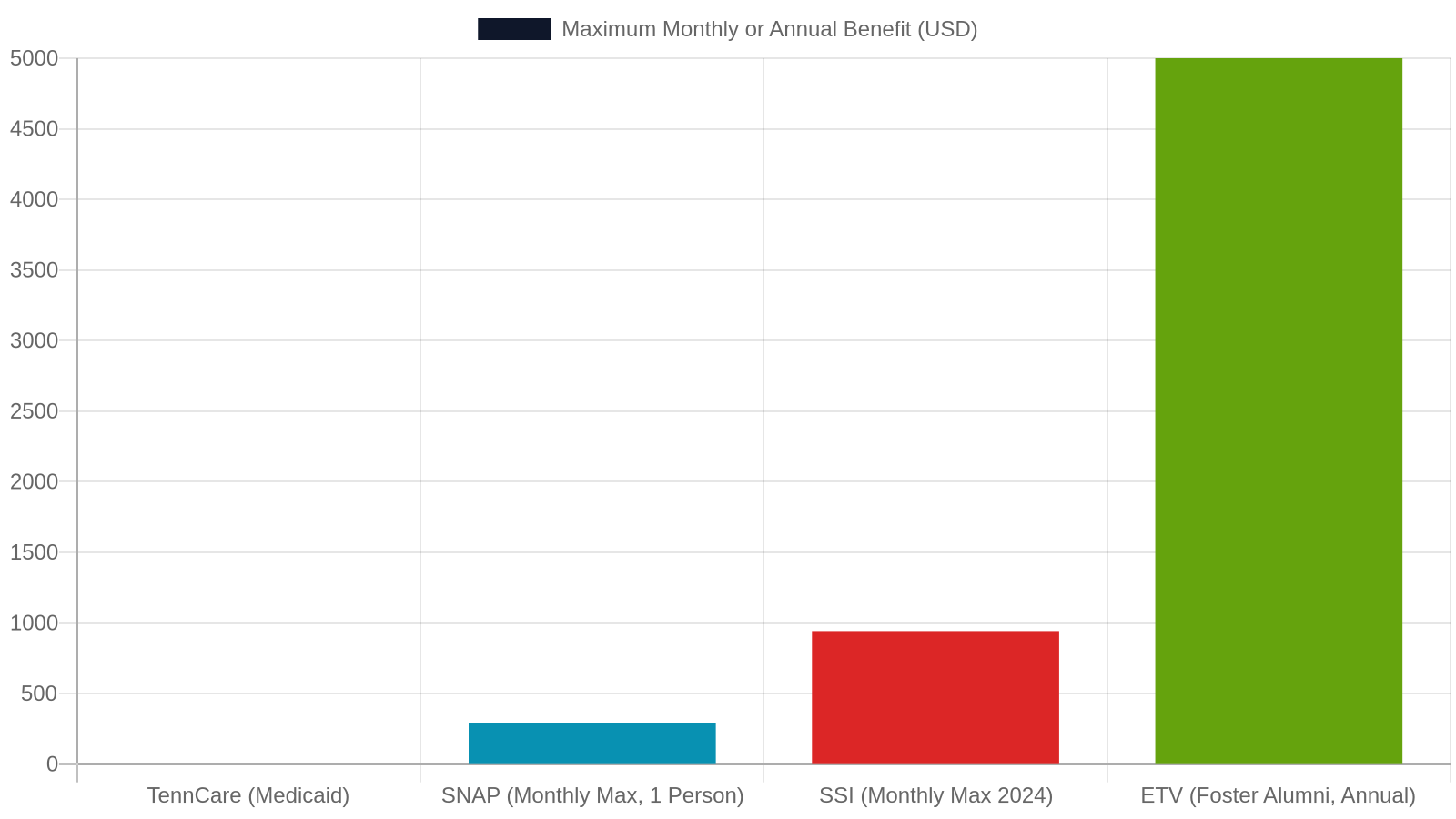
Pellissippi State Community College has a dedicated Adult Education and Literacy program and offers pathways from GED preparation straight into college coursework. If you’re a foster care alumni, Tennessee’s Education and Training Voucher (ETV) program can provide up to $5,000 per year for postsecondary education or vocational training through age 23 (and up to 26 with an extension). Ask your DCS worker or a YAAB peer navigator about ETV eligibility.
Knox County Housing Resource Comparison at a Glance
Every resource serves a different need and a different moment. Use this table to quickly match your situation to the right starting point.
9. Benefits You May Qualify For Right Now

Many young adults experiencing homelessness are leaving money and support on the table simply because they don’t know what they qualify for. Here’s a quick rundown of the benefits most likely to be available to you right now in Knox County.
TennCare, SNAP, and SSI: The Big Three
TennCare is Tennessee’s Medicaid program. If you’re between 17 and 25 and your income is low, you likely qualify — and having health coverage is critical for accessing mental health care, substance use treatment, and primary care without going into debt. Apply at tenncare.tn.gov or through a case manager who can help you through the process.
SNAP (Supplemental Nutrition Assistance Program, formerly food stamps) provides monthly funds for groceries loaded onto an EBT card. Young adults living independently typically qualify if their income is below 130% of the federal poverty level — for a single person in 2024, that’s roughly $1,580 per month. Apply through Tennessee’s Family Assistance Service Center at (866) 311-4287. SSI (Supplemental Security Income) is available if you have a qualifying disability and limited income — it can provide up to $943 per month in 2024 and often comes with automatic TennCare enrollment.
One-Time and Emergency Assistance Programs
Beyond ongoing benefits, Knox County has several one-time emergency assistance programs that can prevent homelessness or help you get housed. Community Action Committee of Knoxville (CAC) provides emergency rental and utility assistance. The Knox County Community Action Committee also administers LIHEAP (Low Income Home Energy Assistance Program) funds to help with heating and cooling costs.
The Emergency Rental Assistance Program (ERAP), while federal funding has largely wound down, left infrastructure in place at local agencies that now administer state and local funds. Ask your 211 specialist or case manager what’s currently available — these programs change frequently, and a good navigator will know what’s active right now. Don’t assume a program is gone just because you heard it ended; local versions often continue.
10. How to Get Involved With the Knoxville YAAB

Everything in this article — the shelters, the benefits, the legal rights — becomes more accessible when you have people in your corner who know the system from the inside. That’s what the Knoxville YAAB offers. And if you have lived experience of homelessness or housing instability, you have something to offer too.
To connect with the Knoxville YAAB and find out about meetings, peer navigation, and membership, visit the Knoxville YAAB page for TN-501 — it’s the hub for everything happening in Knox County’s youth housing advocacy space.
What YAAB Membership Actually Looks Like
Joining the Knoxville YAAB doesn’t require a resume, a clean record, or any particular credential. What it requires is that you’re between 17 and 25 years old, that you have some lived experience of housing instability or homelessness, and that you want to use that experience to make things better for other young people in Knox County.
YAAB members participate in monthly meetings, contribute to policy feedback sessions, and sometimes present at Continuum of Care meetings or state-level convenings. Some members get stipends for their participation — because your time and expertise have real value. You can start by attending a single meeting to see if it’s a fit before committing to anything. There’s no pressure and no judgment about where you’ve been.
Peer Navigation: Getting Help While You Give It
One of the most powerful things about YAAB is that getting involved and getting help aren’t mutually exclusive. Many members connect to housing resources, employment support, and educational pathways through their YAAB involvement — because being in the room means knowing about opportunities before they’re widely advertised, and having relationships with case managers and service providers who know you by name.
If you’re not ready to be an advocate yet but you need support right now, YAAB can still connect you. Peer navigators — YAAB members who’ve been trained to help others access resources — can walk alongside you through shelter intake, benefits applications, and housing searches. You don’t have to earn the right to be helped. You just have to reach out.
The Bigger Picture: YAAB's Role in Changing Tennessee's Housing System

Knox County’s housing resources exist within a larger statewide system — and young adults in Knoxville are part of a movement that’s actively reshaping how Tennessee responds to youth homelessness. Here’s how the local connects to the statewide.
From Local Advocacy to Statewide Policy
The Knoxville YAAB doesn’t operate in isolation. It’s part of a statewide network of YAABs across Tennessee’s Continuum of Care regions — from Memphis (TN-500) to Nashville (TN-502) to Chattanooga (TN-503) and beyond. When young adults across all these regions raise the same issue — say, shelter curfews that conflict with work schedules, or documentation requirements that exclude undocumented youth — that collective voice carries real weight at the state level.
Tennessee’s CoC system receives tens of millions of dollars in HUD funding each year. YAAB members influence how those dollars are prioritized, which programs get renewed, and what new initiatives get funded. That’s not symbolic participation — it’s real power. Learn more about YAAB’s statewide advocacy work and see how Knox County’s voice fits into the larger picture.
Understanding Youth Homelessness to End It
Youth homelessness in Tennessee — like everywhere — is driven by specific, identifiable causes: family conflict (including rejection of LGBTQ+ youth), aging out of foster care without adequate support, domestic violence, and economic instability. Approximately 4.2 million young people experience homelessness in the United States each year, according to research by Chapin Hall at the University of Chicago. Tennessee’s numbers reflect national patterns, with LGBTQ+ youth and youth of color significantly overrepresented.
YAAB’s work is grounded in the belief that youth homelessness is solvable — not just manageable. That requires changing systems, not just adding more shelter beds. If you want to understand the full scope of the issue and what solutions actually work, explore YAAB’s youth homelessness resource page for research, data, and context.
Your Next Move: Start Here, Right Now

You’ve read through ten ways to access emergency shelter and housing resources in Knox County, plus the bigger picture of what YAAB is doing to change the system. Now it’s time to take one concrete step — whatever that step looks like for you right now.
If You Need Help Tonight
If you’re in Knox County and need a safe place to sleep tonight, here’s your action list in order: Call 211 to find out which shelters have beds available right now. If you’re 18 or older, KARM at 418 N. Broadway and the Volunteer Ministry Center at 511 N. Broadway are your two primary options. If you’re under 18, 211 will connect you to youth-specific resources including Tennessee’s child welfare system, which has legal obligations to ensure you have safe housing.
If you’re in a mental health crisis alongside your housing crisis, call 988 or Helen Ross McNabb Center’s crisis line at (865) 539-2409. You don’t have to handle both alone, and you don’t have to choose which crisis matters more. Both matter. Both can be addressed at the same time.
If You Want to Get Connected to YAAB
Whether you need peer navigation support, want to get involved in advocacy, or just want to be around other young people who get it — the Knoxville YAAB is your community. You belong there whether you’ve been housed for two years or you’re sleeping on a friend’s couch tonight. Lived experience of housing instability is the credential that matters, and you already have it.
Reach out through the Knoxville YAAB TN-501 page to find meeting times, contact information, and current opportunities. You can also join YAAB statewide if you want to connect with the broader Tennessee network. The system that created youth homelessness wasn’t built by young people — but the system that ends it will be.
Frequently Asked Questions
How do I find emergency shelter in Knoxville tonight if I'm under 25?
Call 211 first — it's free, confidential, and available 24/7. Specialists will tell you which shelters have beds available right now and can connect you to youth-specific programs. For immediate walk-in options, Knox Area Rescue Ministries (KARM) at 418 N. Broadway and the Volunteer Ministry Center at 511 N. Broadway are Knoxville's two main emergency shelter providers for adults 18 and older.
What is the Knoxville YAAB and how do I join?
The Knoxville Youth Action Board (YAAB) is a peer-led group of young adults ages 17 to 25 with lived experience of homelessness who advise local housing programs and advocate for policy change in Knox County's Continuum of Care region (TN-501). To join, visit yaabtn.org/local-yaabs/tn-501/ for meeting information and contact details. No resume or credentials required — your lived experience is what matters.
Can I get housing help in Knox County if I don't have an ID?
Yes. The Volunteer Ministry Center operates on a low-barrier model and provides day services without requiring a photo ID. Many rapid rehousing programs also follow a Housing First model that minimizes documentation requirements. Case managers at VMC or through 211 can also help you obtain a Tennessee state ID at low or no cost if you need one for other programs.
What housing resources are available specifically for youth aging out of foster care in Tennessee?
Tennessee's Extended Foster Care program allows youth to remain in care until age 21 under certain conditions. The Chafee Foster Care Program provides funds for housing and education after aging out. Foster care alumni under 23 (up to 26 with extension) may also qualify for the Education and Training Voucher (ETV), which provides up to $5,000 per year for postsecondary education or vocational training. Contact your DCS worker or a YAAB peer navigator for help accessing these programs.
What is Continuum of Care TN-501 and why does it matter for Knox County youth?
TN-501 is Knox County's HUD-designated Continuum of Care region — the network of shelters, service providers, and government agencies that coordinate homeless services and receive federal funding. It matters because TN-501 determines which programs get funded, who qualifies for housing assistance, and how services are prioritized. The Knoxville YAAB participates directly in TN-501 to ensure young adults' voices shape those decisions.
Are there mental health resources in Knoxville that are connected to housing services?
Yes. Helen Ross McNabb Center is Knox County's primary community mental health provider and is integrated into the local homeless services network. They offer outpatient therapy, psychiatric care, substance use treatment, and a 24/7 mobile crisis team reachable at (865) 539-2409. You can also call or text 988 for the national Suicide and Crisis Lifeline, which has local coverage in the Knoxville area.