Quick answer: The Memphis/Shelby County Youth Action Board (YAAB), operating under Tennessee's TN-502 Continuum of Care region, is a peer-led advisory body made up of young adults ages 17 to 25 who have personally experienced homelessness or housing instability. Members advise local service providers, shape Continuum of Care policies, connect peers to housing and employment resources, and amplify youth voices in decisions that directly affect them. Joining is free, open to eligible young adults across the Memphis metro area, and can be a powerful step toward leadership, advocacy, and career development.
What Is the Memphis/Shelby County Youth Action Board?

If you’re a young adult in Memphis or Shelby County who has dealt with housing instability, you already know things that policymakers don’t. The Memphis/Shelby County Youth Action Board (YAAB) exists to close that gap — turning your firsthand knowledge into policy change, program improvements, and better outcomes for thousands of young people across the region.
A Peer-Led Voice Inside the System
The Memphis/Shelby County Youth Action Board — officially part of Tennessee’s TN-502 Continuum of Care (CoC) region — is a structured advisory body where young adults with lived experience of homelessness or housing instability hold real seats at the table. This isn’t a support group or a program where adults tell you what to do. It’s a space where your experience is treated as expertise, and your voice directly influences how services are designed and delivered across Shelby County.
- Age range: 17 to 25 years old
- Eligibility: Current or past experience of homelessness, housing instability, or systems involvement (foster care, juvenile justice)
- Region covered: Memphis metro area, including Shelby County and surrounding TN-502 CoC communities
How YAAB Fits Into Tennessee's Statewide Network
The Memphis/Shelby County YAAB is one of nine regional Youth Action Boards operating across Tennessee. Each board is tied to a specific Continuum of Care region — the federally recognized planning bodies that coordinate homeless services and distribute HUD funding. TN-502 covers the Memphis metropolitan area, one of the largest CoC regions in the state by population and by the volume of youth experiencing homelessness.
Nationally, HUD’s CoC program increasingly requires meaningful youth participation in planning processes. Tennessee’s YAAB network is the infrastructure that makes that participation real — not just a checkbox, but an ongoing advisory relationship between young people and the agencies that serve them.
1. Advising the TN-502 Continuum of Care on Youth Needs

The Continuum of Care is where federal dollars get allocated and local priorities get set. Having young adults with lived experience inside that process — not just consulted after decisions are made — is one of the most concrete ways YAAB creates change in Memphis and Shelby County.
What 'Advising' Actually Looks Like Day to Day
YAAB members attend CoC planning meetings, review funding applications, and provide written or verbal feedback on how proposed programs would actually affect young people on the ground. This includes reviewing Point-in-Time Count methodologies (the annual census of people experiencing homelessness), commenting on local housing plans, and flagging gaps in services that data alone can’t capture.
For example, if a shelter’s intake process requires a government-issued ID that many youth don’t have, a YAAB member who’s lived that barrier can raise it in a room full of decision-makers — and push for a fix. That’s real influence.
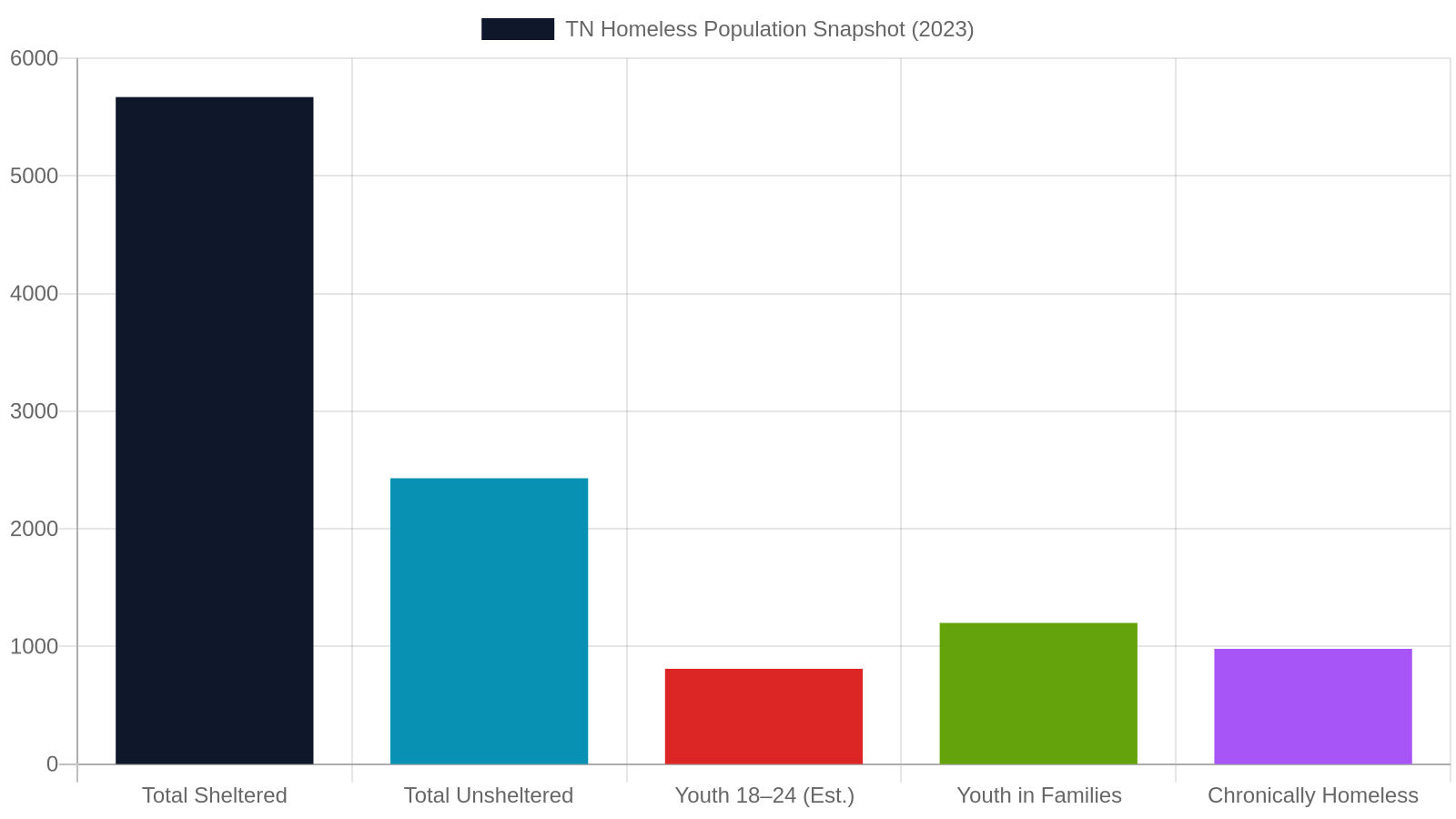
The 2023 Point-in-Time Count: What the Numbers Say About Memphis Youth
According to the 2023 Annual Homeless Assessment Report (AHAR) published by HUD, Tennessee counted approximately 8,100 people experiencing homelessness on a single night in January 2023. Youth ages 18 to 24 made up roughly 8–10% of the unsheltered population nationally — a figure that local advocates in Memphis believe undercounts actual youth homelessness due to the prevalence of couch-surfing and doubled-up living arrangements that don’t show up in street counts.
YAAB members help improve count accuracy by training peer outreach volunteers and advocating for youth-specific counting methodologies that capture hidden homelessness.
2. Connecting Memphis Youth to Housing Resources
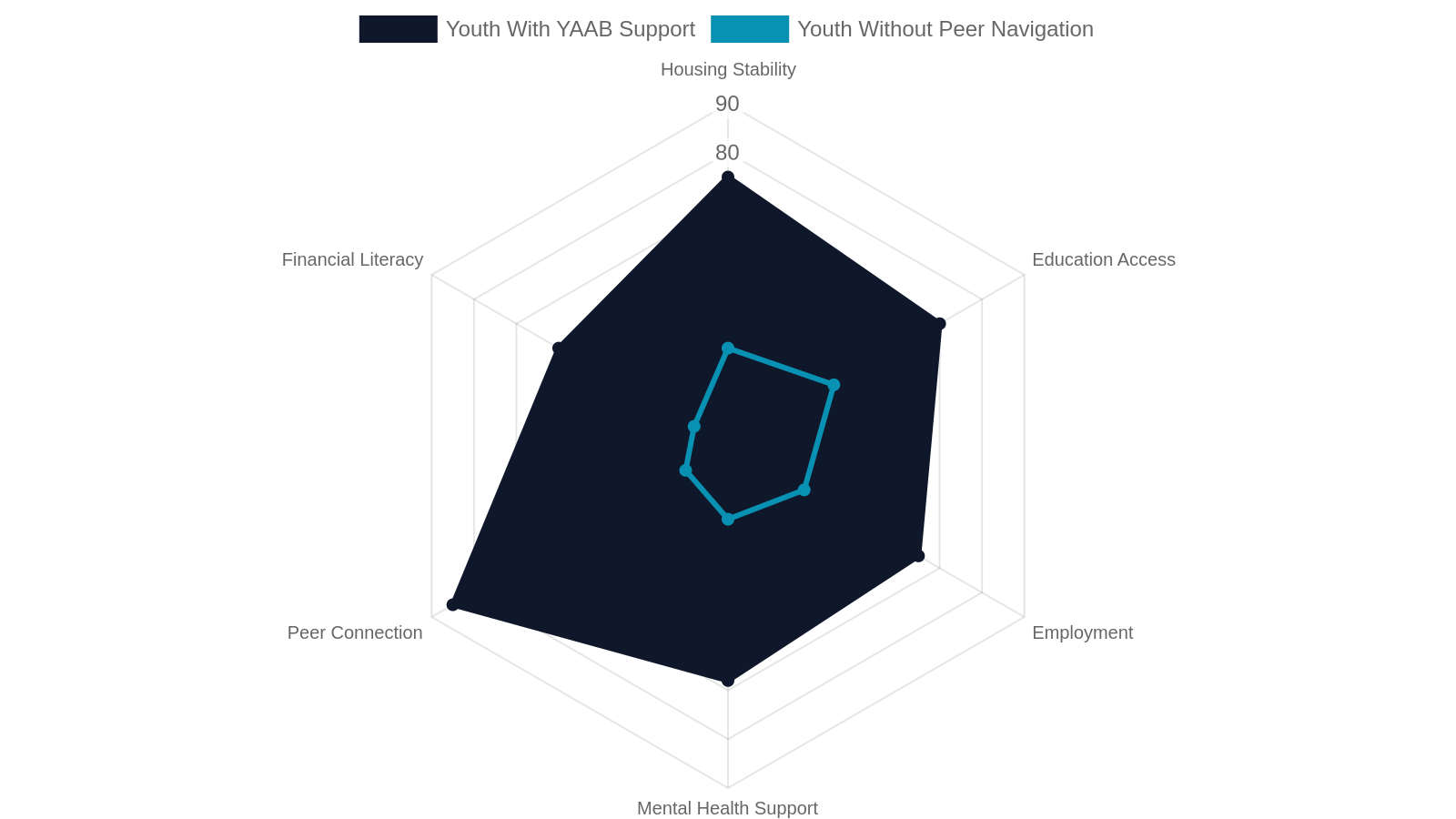
One of the most practical things YAAB members do is serve as peer navigators — young adults who know the system well enough to help others find their way through it. In Memphis, where housing resources are real but often hard to access, that peer knowledge is invaluable.
Rapid Rehousing and Transitional Housing in Shelby County
YAAB members are trained to connect peers to the housing resources that actually exist in the TN-502 region. Key options for young adults in Memphis include:
- Rapid Rehousing (RRH): Short-term rental assistance plus case management. Programs like those run by MIFA (Metropolitan Inter-Faith Association) and Catholic Charities of West Tennessee serve transition-age youth in Shelby County.
- Transitional Housing: Programs such as Youth Villages’ Transitional Living provide structured housing for up to 24 months for youth ages 17–22, with life-skills support built in.
- Permanent Supportive Housing (PSH): For youth with longer-term support needs, PSH units with wraparound services are available through CoC-funded providers in Memphis.
YAAB members don’t just hand out a list — they explain what each option actually involves, what the barriers are, and how to navigate the intake process.
The Role of Coordinated Entry in Memphis
Tennessee’s CoC regions use a Coordinated Entry System (CES) to assess and prioritize people for housing resources. In Shelby County, young adults can access the CES through designated entry points including community action agencies, drop-in centers, and outreach teams. YAAB members advocate for youth-friendly CES processes — shorter assessments, trauma-informed intake workers, and flexible ID requirements — because they know firsthand how a bureaucratic intake process can cause someone to give up before they get help.
If you’re a young adult in Memphis who needs housing support right now, the fastest path is usually through a local drop-in center or by calling 211 Tennessee, which routes callers to local CoC resources 24/7.
3. Driving Youth-Centered Policy Change Across Tennessee

Advocacy isn’t just marching or making signs — it’s showing up to meetings, reviewing documents, giving testimony, and making sure the people writing the rules understand what it’s actually like to be a young person without stable housing in Memphis. That’s exactly what YAAB members do.
State-Level Advocacy: What Memphis YAAB Members Have Influenced
The TN-502 YAAB doesn’t just work locally — members participate in statewide YAAB convenings where regional boards share data, align priorities, and present unified recommendations to state agencies including the Tennessee Department of Human Services (TDHS) and the Tennessee Homeless Solutions (THS) network.
Recent statewide advocacy priorities that Memphis YAAB members have contributed to include:
- Expanding Transitional Living Program (TLP) slots for youth aging out of foster care
- Advocating for extended foster care to age 21 under Tennessee’s Fostering Connections implementation
- Pushing for youth-specific CoC funding set-asides to ensure young adults aren’t competing against adult populations for limited housing dollars
Why Lived Experience Makes Better Policy
Research consistently shows that programs designed with direct input from the people they serve are more effective and more likely to be used. A 2021 report by the National Alliance to End Homelessness (NAEH) found that youth-led advisory processes led to measurable improvements in program uptake and client satisfaction scores at CoC-funded providers. In Memphis, YAAB feedback has helped providers rethink intake forms, adjust shelter curfews, and create more welcoming environments for LGBTQ+ youth, who are disproportionately represented in youth homelessness at rates estimated at 20–40% of the homeless youth population nationally.
4. Supporting Education and Employment Pathways for Memphis Youth

Stable housing, a diploma or credential, and a steady income are deeply connected. You can’t focus on school if you don’t know where you’re sleeping tonight, and you can’t hold a job without a stable address on your application. YAAB members in Memphis understand this cycle and work to break it — both through peer support and through policy advocacy that addresses all three needs together.
Education Resources Available Through CoC Partners in Shelby County
Housing instability is one of the biggest barriers to finishing school. YAAB members in Memphis connect peers to education resources including:
- Shelby County Schools McKinney-Vento liaisons: Every public school district is required by federal law to have a liaison who helps homeless students enroll immediately, access transportation, and stay in school. Youth ages 17–21 who haven’t completed high school can access these supports.
- GED and HiSET programs: Tennessee College of Applied Technology (TCAT) Memphis and Southwest Tennessee Community College both offer low-cost or free GED/HiSET preparation for eligible youth.
- TRIO and Upward Bound programs: Federally funded programs at local colleges that provide tutoring, mentoring, and college prep for first-generation and low-income students.
Employment Programs Specifically for Transition-Age Youth in Memphis
Getting a job when you don’t have a stable address, a work history, or professional references is harder than it sounds. YAAB members know this and connect peers to programs designed for exactly this situation:
- Workforce Investment and Opportunity Act (WIOA) Youth Programs: Memphis Area Legal Services and local American Job Centers provide WIOA-funded job training, paid internships, and career counseling for youth ages 16–24.
- Youth Villages LifeSet: For youth aging out of foster care, LifeSet provides intensive one-on-one coaching including job search support, resume building, and financial coaching.
- Memphis Mayor’s Youth Employment Initiative: Summer and year-round paid work experiences for Memphis youth, with priority for those experiencing housing instability.
5. Amplifying LGBTQ+ and Marginalized Youth Voices in Memphis

A youth advisory board is only as powerful as the range of experiences it represents. The Memphis YAAB is committed to making sure the young adults most affected by homelessness — including those who are most often left out of policy conversations — have a real seat at the table.
Why Representation Inside the Advisory Board Matters
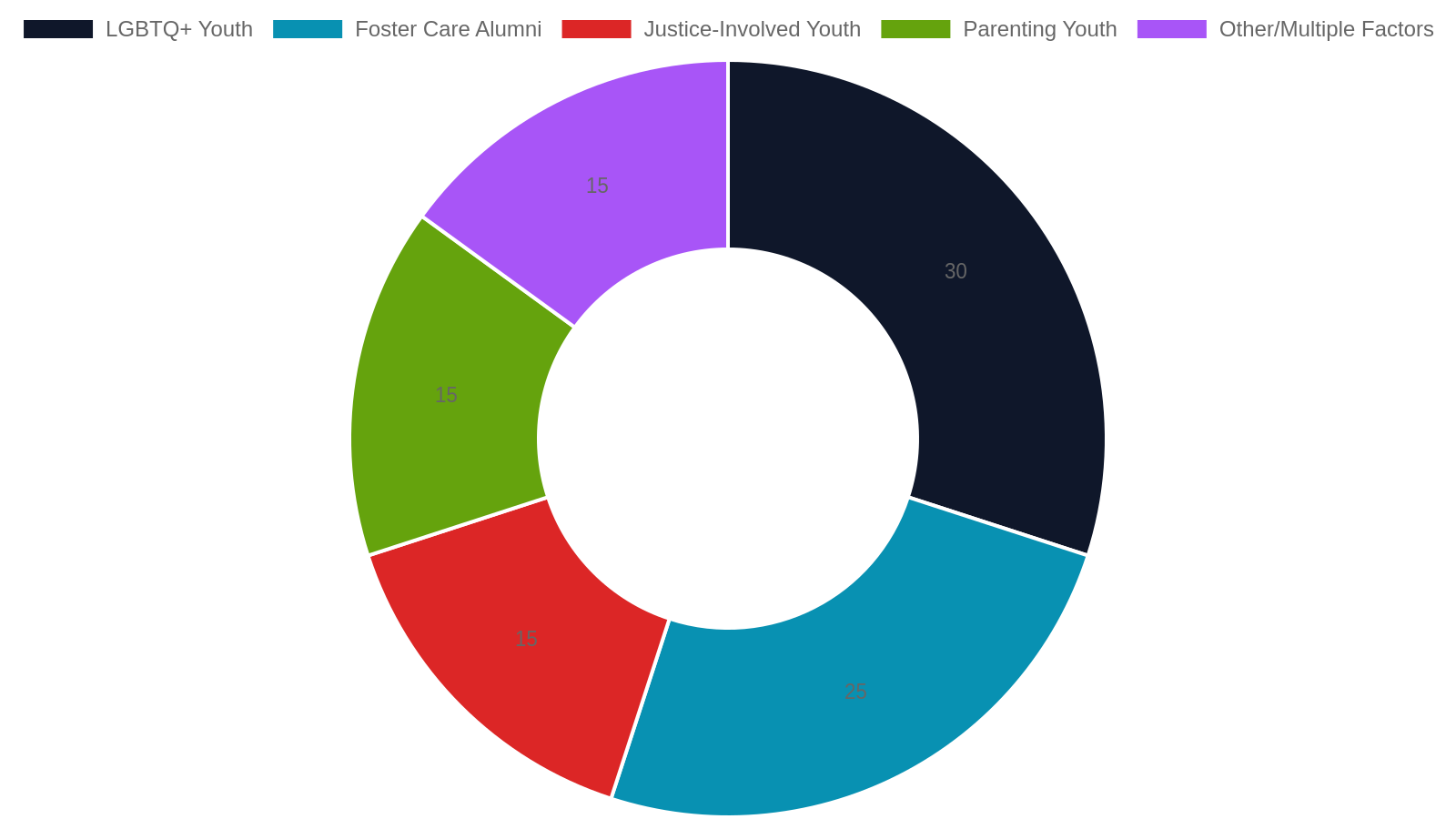
LGBTQ+ young adults make up an estimated 20–40% of the youth homeless population nationally, according to research by True Colors United and the Williams Institute — a rate far higher than their share of the general youth population (estimated at 7–10%). In Memphis, LGBTQ+ youth face compounded barriers: family rejection, discrimination in shelter settings, and lack of affirming services.
YAAB actively works to ensure that LGBTQ+ members have a voice in shaping shelter policies, intake procedures, and provider training. When a young person who has experienced discrimination in a shelter setting sits on an advisory board, they can push for gender-affirming intake processes, anti-discrimination policies, and staff training in ways that no outside consultant can.
Other Marginalized Populations YAAB Centers
Beyond LGBTQ+ youth, the Memphis/Shelby County YAAB is intentional about centering the experiences of:
- Youth aging out of foster care: Approximately 20,000 young people age out of foster care nationally each year without a permanent family connection. Tennessee has over 8,000 children in foster care at any given time, and those who age out without support are at high risk of homelessness within 12–18 months.
- Young parents: Parenting youth ages 17–25 face unique barriers including lack of family-friendly shelter options and childcare access. YAAB advocates for family-unit housing solutions.
- Youth involved in the juvenile justice system: System-involved youth face record barriers to housing and employment. YAAB members advocate for expungement access and ban-the-box hiring policies in Memphis.
6. Building Leadership Skills That Last a Lifetime

The young adults who join YAAB often arrive because they want to help others who are going through what they went through. What many discover is that the board also helps them — building confidence, credentials, and connections that open doors they didn’t know existed.
What YAAB Members Actually Learn and Practice
Joining YAAB isn’t just about giving back — it’s about building skills that translate directly into careers, education, and life. Members develop:
- Public speaking and testimony skills: Presenting at CoC meetings, city council hearings, and state legislative sessions
- Research and data literacy: Learning to read and interpret homeless count data, program outcome reports, and policy documents
- Coalition building: Working alongside nonprofit leaders, government officials, and other young advocates
- Project management: Planning and executing peer outreach events, resource fairs, and community campaigns
These are skills that look excellent on a resume, in a college application, or in a job interview — and they’re built through real work, not simulations.
Stipends, Training, and Recognition for YAAB Members
YAAB recognizes that young adults with lived experience of homelessness often can’t afford to volunteer their time without support. Many regional YAAB boards, including those in the Tennessee network, work to provide stipends or honoraria for member participation, travel reimbursement for regional and statewide convenings, and access to professional development trainings.
Members who participate in statewide YAAB convenings gain exposure to national advocacy networks, including connections to organizations like the National Network for Youth (NN4Y) and True Colors United, which can open doors to internships, fellowships, and national youth leadership programs. Participation in YAAB has helped members in Tennessee secure jobs in social services, policy, and community organizing.
7. How to Join the Memphis/Shelby County YAAB (TN-502)

If you’re a young adult in Memphis or Shelby County who has experienced housing instability and wants to turn that experience into something powerful, the TN-502 YAAB is ready for you. Here’s exactly how to get involved — and what to expect when you do.
To learn more and connect with the Memphis/Shelby County board, visit the TN-502 YAAB page — it has current contact information, upcoming meeting dates, and details on how to express your interest in joining.
Eligibility and What to Expect When You Apply
Joining the Memphis/Shelby County YAAB is open to any young adult who meets the following criteria:
- Age: 17 to 25 years old
- Experience: Current or past experience of homelessness, housing instability, couch-surfing, or involvement in systems (foster care, juvenile justice) that increase housing risk
- Location: Living in or connected to the Memphis metro / Shelby County area (TN-502 CoC region)
There is no application fee. The process typically involves a brief interest form or conversation with a YAAB coordinator, followed by an orientation. You don’t need a polished resume or any prior advocacy experience — your lived experience is the qualification that matters most.
What Membership Looks Like Month to Month
YAAB members typically commit to:
- Attending monthly board meetings (in-person in Memphis or hybrid)
- Participating in at least one CoC planning meeting or workgroup per quarter
- Joining a statewide YAAB convening once or twice per year (travel supported)
- Engaging in at least one peer outreach or community event per year
The time commitment is real but flexible. YAAB coordinators understand that members are managing jobs, school, housing, and other responsibilities. The goal is meaningful participation, not perfection.
Tennessee YAAB Regional Boards at a Glance
Each of Tennessee's nine regional Youth Action Boards serves a specific Continuum of Care area. Here's how the major regions compare on key characteristics.
Understanding Youth Homelessness in Memphis: The Bigger Picture

To understand why the Memphis/Shelby County YAAB exists, it helps to understand the scale and nature of youth homelessness in the region. The numbers that get reported publicly are almost certainly an undercount — and the real story is more complex than any single statistic can capture.
Hidden Homelessness: The Reality Behind the Numbers
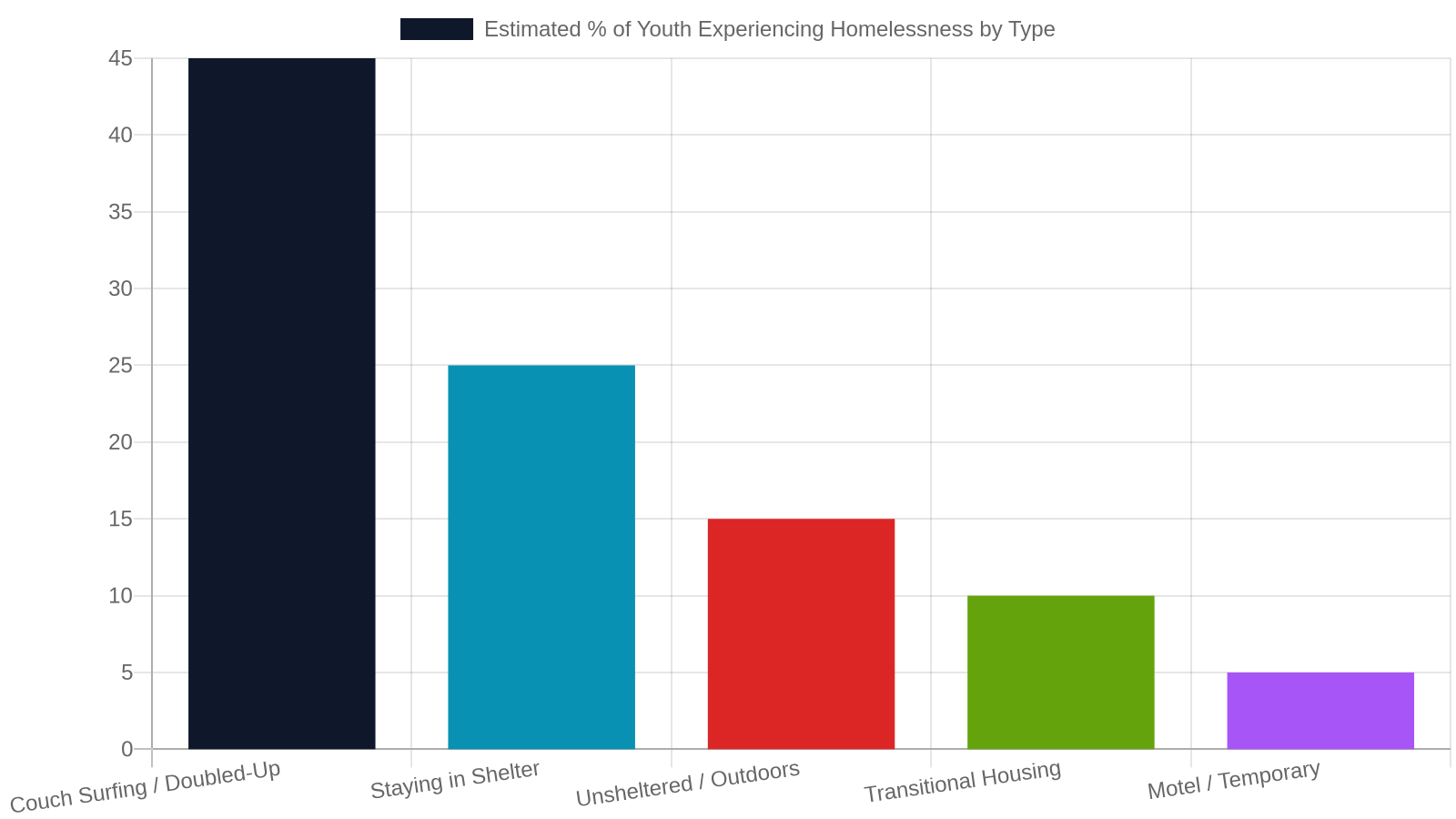
When most people picture homelessness, they think of someone sleeping outside. But for young adults in Memphis, homelessness more often looks like sleeping on a friend’s couch, staying with a relative who could ask you to leave at any time, or living in a car. This is called hidden homelessness or doubled-up living, and it’s far more common among youth than street homelessness — and far harder to count.
The McKinney-Vento Homeless Assistance Act defines homelessness broadly enough to include doubled-up situations for school-age youth, but adult homeless systems often use a narrower definition that excludes these young people from services. YAAB advocates for broader definitions and better data collection that capture the full scope of youth housing instability in Shelby County.
Root Causes YAAB Addresses at the Policy Level
Youth homelessness isn’t random — it’s driven by specific, addressable causes. In Memphis and across Tennessee, the most common pathways into youth homelessness include:
- Family conflict and rejection (including LGBTQ+ family rejection): the leading cause nationally
- Aging out of foster care without adequate transition support
- Domestic violence and sexual exploitation
- Economic instability: low wages, lack of affordable housing, and sudden job loss
- Mental health and substance use crises without adequate community-based support
YAAB’s policy work targets these root causes — not just the symptoms — because that’s the only way to actually reduce youth homelessness over time. To learn more about the causes and scope of the issue, see YAAB Tennessee’s youth homelessness overview.
YAAB Across Tennessee: How TN-502 Connects to the Statewide Network

The Memphis YAAB doesn’t operate in isolation. It’s part of a statewide network that multiplies the impact of every local win — and gives Memphis youth a platform that reaches all the way to state government and national advocacy organizations.
The Nine Regional YAABs and What They Share
Tennessee’s YAAB network spans nine Continuum of Care regions, from Memphis in the southwest to Johnson City in the northeast. Each regional board operates independently but shares a common framework, statewide convenings, and a unified advocacy agenda. The regions include:
- TN-500: Nashville/Davidson County
- TN-501: Chattanooga/Hamilton County
- TN-502: Memphis/Shelby County
- TN-503: Knox County/Knoxville
- TN-504: Northeast Tennessee
- TN-506: Upper Cumberland
- TN-507: Jackson/West Tennessee
- TN-509: Additional regional coverage
If you’re not in Memphis but want to find your regional YAAB, browse all Tennessee YAAB locations to find the board closest to you.
Shared Advocacy Wins Across the Network
When all nine regional YAABs align on a priority, the statewide voice becomes significantly more powerful. Recent examples of cross-regional YAAB advocacy in Tennessee include pushing for:
- Increased state investment in Transitional Living Programs (TLPs) for youth ages 18–24
- Stronger implementation of extended foster care provisions, allowing youth to remain in care voluntarily to age 21
- Improved data sharing between child welfare and homeless systems to identify youth at risk before they lose housing
- Youth-specific set-asides in CoC funding competitions to ensure young adults aren’t deprioritized in favor of adult populations with longer homeless histories
Resources for Memphis Youth Right Now

Advocacy and policy change take time. But if you need help today, these resources are available right now in Memphis and Shelby County. YAAB members know these programs from the inside — and part of what makes peer navigation so valuable is that someone who’s used these services can tell you what to actually expect.
Immediate Housing and Crisis Support in Shelby County
If you or someone you know needs help right now in Memphis, here are concrete starting points:
- 211 Tennessee: Call or text 211, available 24/7, to be connected to local shelter, food, and housing resources in Shelby County
- Youth Villages Transitional Living: Structured housing for youth ages 17–22; call (901) 251-5000 for intake information
- MIFA (Metropolitan Inter-Faith Association): Rapid rehousing and emergency rental assistance for eligible Memphis residents
- Memphis Union Mission: Emergency shelter with youth-specific programming
- Shelby County Schools McKinney-Vento: If you’re under 21 and haven’t finished high school, call your nearest school for immediate enrollment support — no permanent address required
Mental Health and Wellness Resources for Memphis Youth
Housing instability takes a real toll on mental health — and getting support isn’t a sign of weakness, it’s a smart move. Memphis-area mental health resources for young adults include:
- Centerstone Tennessee: Community mental health services on a sliding-fee scale, with locations in Memphis
- Crisis Text Line: Text HOME to 741741, available 24/7 nationwide
- Youth Villages LifeSet: Includes mental health coaching for foster care alumni ages 17–22
- Tennessee Statewide Crisis Line: Call or text 988 (Suicide and Crisis Lifeline) — available in English, 24/7
YAAB members are also a source of peer support — not clinical counseling, but the kind of real talk that comes from someone who’s been through something similar and come out the other side.
Ready to Get Involved With the Memphis YAAB?

Everything you’ve read in this article points to one thing: the Memphis/Shelby County Youth Action Board is where young adults with lived experience turn that experience into real change — for themselves and for thousands of others across Tennessee. If that sounds like something you want to be part of, the door is open.
To connect with the Memphis/Shelby County board, visit the TN-502 YAAB page for current meeting information, contact details, and next steps for joining.
Your Experience Is the Qualification
You don’t need a perfect story, a polished resume, or any prior experience in advocacy to join the Memphis/Shelby County Youth Action Board. What you need is a willingness to show up, share your perspective, and be part of something bigger than yourself. YAAB is built on the understanding that the people most affected by a problem are the most qualified to help solve it — and that includes you.
Whether you’re currently housed, in transitional housing, or still navigating instability, your voice matters. YAAB membership is open to anyone ages 17–25 in the TN-502 region who has lived experience of housing instability — and the board is actively looking for members who reflect the full diversity of young people in Memphis and Shelby County.
Take the First Step Today
The best way to learn more is to connect directly with the TN-502 board. You can also explore the full YAAB Tennessee mission and structure to understand how the network operates before you reach out. And if you want to see what advocacy looks like in action, check out the YAAB advocacy page for current campaigns and priorities.
Youth homelessness in Memphis is a solvable problem — and the young adults who’ve lived it are the ones leading the way toward solutions. The Memphis/Shelby County YAAB is where that work happens. Come be part of it.
Frequently Asked Questions
How do I join the Memphis youth homelessness advisory board?
To join the Memphis/Shelby County YAAB (TN-502), visit yaabtn.org/local-yaabs/tn-502/ for current contact information and meeting details. You must be ages 17–25 with lived experience of homelessness or housing instability. There is no application fee and no prior advocacy experience is required.
What does the Youth Action Board actually do in Memphis?
The Memphis/Shelby County YAAB advises the TN-502 Continuum of Care on youth housing needs, reviews funding applications, connects peers to housing and employment resources, and advocates for policy changes at the local and state level. Members attend monthly meetings and participate in CoC planning processes.
Do you have to be currently homeless to join YAAB in Tennessee?
No. YAAB is open to young adults ages 17–25 who have current or past experience of homelessness or housing instability — including couch-surfing, doubled-up living, or time in foster care. You do not need to be currently homeless to participate.
What housing resources are available for young adults in Memphis right now?
Young adults in Memphis can call 211 Tennessee (24/7) to be connected to local shelter and housing resources. Key programs include Youth Villages Transitional Living, MIFA rapid rehousing assistance, and the Shelby County CoC's Coordinated Entry System. YAAB members can also help navigate these options as peer navigators.
How is youth homelessness in Memphis different from adult homelessness?
Youth homelessness in Memphis is largely 'hidden' — most young adults experiencing homelessness are couch-surfing or doubled-up rather than sleeping outdoors, which means they're often missed in official counts. Young adults also face unique barriers including lack of ID, no rental history, and family rejection that adult-focused homeless systems aren't always designed to address.
Does YAAB pay members for their time?
Many regional YAAB boards, including those in Tennessee, work to provide stipends or honoraria for member participation and cover travel costs for regional and statewide convenings. Compensation structures vary by region and available funding. Contact the TN-502 board directly for current details on member support.