Quick answer: Tennessee has free and low-cost mental health and substance abuse services in every region — from Memphis to Northeast TN — specifically available to young adults ages 17 to 25. Programs like TennCare, the Tennessee REDLINE crisis line (1-800-889-9789), community mental health centers, and peer support specialists can help you stabilize your housing, process trauma, and build a path forward. You don't need insurance or a permanent address to access most of these services. This guide breaks down what's available, where to find it, and how mental health support connects directly to keeping a roof over your head.
Why Mental Health and Housing Stability Are Inseparable

When people talk about youth homelessness, they often focus on the physical — a bed, a shelter bed, an apartment. But mental health and substance use are almost always part of the story. That’s not a judgment — it’s a reality shaped by systems that failed a lot of young people long before they ended up without a place to sleep. Understanding the connection between your mental health and your housing stability is the first step toward breaking the cycle for good.
The Cycle Between Trauma, Mental Health, and Homelessness
Research consistently shows that mental health challenges and housing instability feed each other in a cycle. According to the Substance Abuse and Mental Health Services Administration (SAMHSA), approximately 30% of people experiencing chronic homelessness have a serious mental health condition, and that number climbs higher among transition-age youth (ages 17–25) who have aged out of foster care or the juvenile justice system.
For young adults in Tennessee, trauma — including childhood abuse, neglect, family separation, or community violence — is often the root cause of both mental health struggles and housing loss. Untreated trauma makes it harder to hold a job, maintain a lease, or trust the systems designed to help you.
How Getting Support Can Protect Your Housing
Connecting to mental health or substance abuse treatment isn’t just about feeling better emotionally — it has direct, practical effects on your housing situation. Studies show that people who receive coordinated behavioral health services are 40–60% more likely to maintain stable housing over a 12-month period compared to those who don’t.
In Tennessee’s Continuum of Care (CoC) system, many Rapid Rehousing and Permanent Supportive Housing programs actually require or strongly encourage mental health case management as part of your housing plan. Getting plugged into services early puts you in a stronger position when you’re applying for housing assistance.
Tennessee's Crisis Lines: Help Available 24/7, Right Now
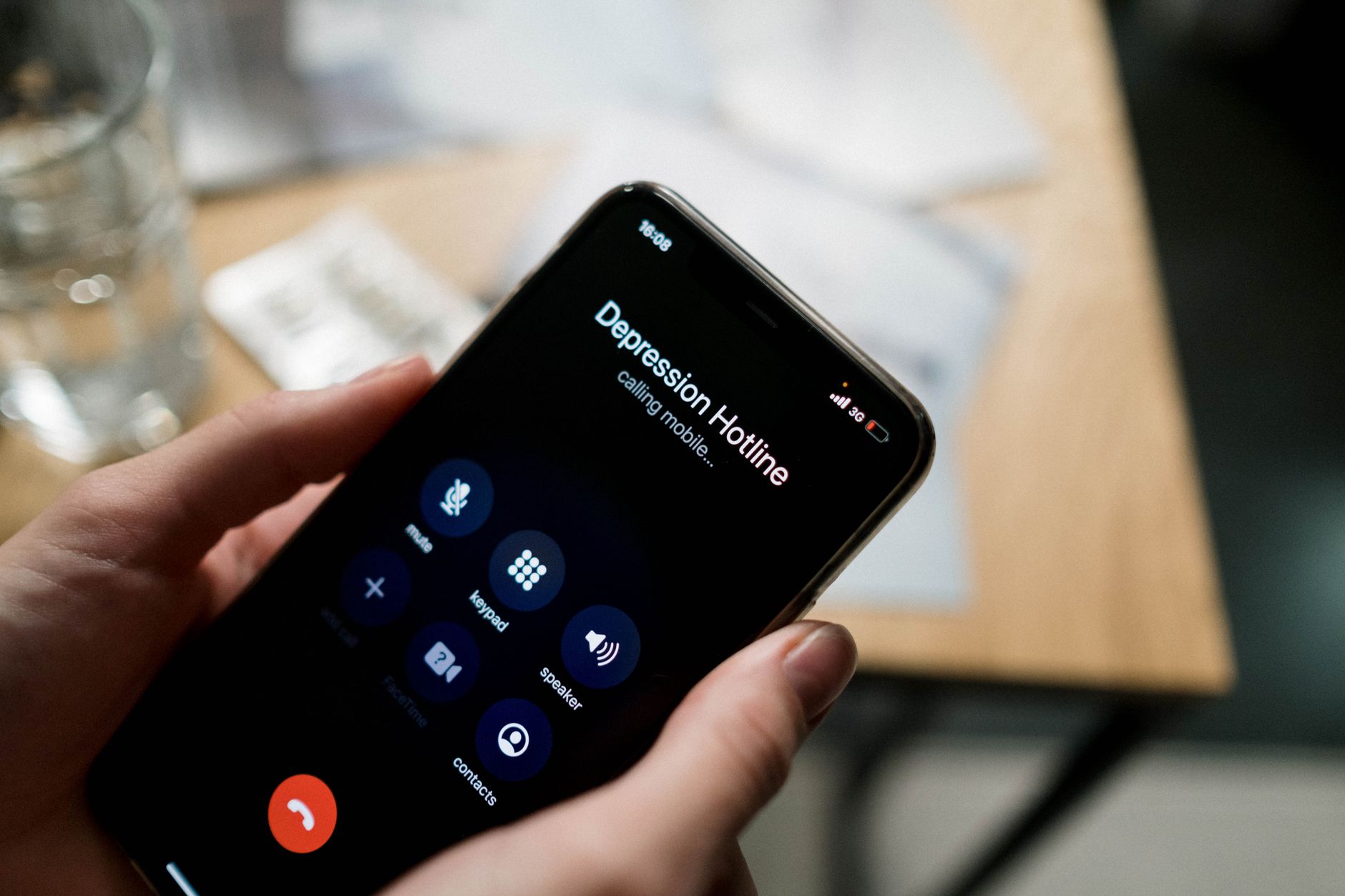
If you’re in crisis right now — or if you’re just having a really hard night — you don’t have to wait for an appointment or navigate a complicated system. Tennessee has multiple free crisis lines available around the clock, and most of them can also connect you to longer-term resources in your region. Here’s what’s available and when to use each one.
Tennessee REDLINE: Substance Abuse Crisis Support
The Tennessee REDLINE (1-800-889-9789) is a free, 24/7 crisis and referral line specifically for substance abuse. Whether you’re in crisis yourself or trying to help a friend, trained counselors can connect you to local treatment programs, detox centers, and peer recovery coaches — at no cost to you. The REDLINE serves all 95 Tennessee counties and can help you find services even if you don’t have insurance or a fixed address.
988 Suicide and Crisis Lifeline
Dialing or texting 988 connects you to the national Suicide and Crisis Lifeline, which has Tennessee-specific call centers. You can call, text, or chat online at 988lifeline.org. For LGBTQ+ young adults, pressing 3 after connecting routes you to the Trevor Project’s trained counselors. There is no age requirement, no insurance needed, and calls are confidential. If you are in immediate danger, call 911 — but for mental health crises that feel overwhelming but aren’t yet an emergency, 988 is your fastest resource.
Crisis Text Line and Other Immediate Options
If calling feels hard, text HOME to 741741 to reach the Crisis Text Line, staffed 24/7 by trained counselors. For young adults in Memphis, the Memphis Crisis Center (901-274-7477) provides local crisis counseling. Nashville’s Centerstone Crisis Line (800-681-7444) covers Middle Tennessee. These local lines often have faster connection times and counselors familiar with Tennessee-specific resources.
TennCare and Free Coverage: How to Get Mental Health Care Paid For

One of the biggest barriers young adults face when seeking mental health or substance abuse treatment is cost. The good news: Tennessee has multiple pathways to free or very low-cost coverage, and you may qualify even if you think you don’t. Here’s how to navigate TennCare and other coverage options as a young adult with housing instability.
Who Qualifies for TennCare as a Young Adult
TennCare is Tennessee’s Medicaid program, and many young adults ages 17–25 qualify — especially if you are experiencing homelessness, have very low or no income, are pregnant, or are a former foster youth. Former foster youth who were in Tennessee’s custody at age 18 can receive TennCare coverage until age 26 at no cost, regardless of income, under the Fostering Connections Act. You do not need a permanent address to apply — you can use a shelter address, a case manager’s address, or a P.O. box.
What TennCare Covers for Mental Health and Substance Use
TennCare covers a wide range of behavioral health services through its managed care organizations (BlueCare Tennessee, UnitedHealthcare Community Plan, and Amerigroup). Covered services include outpatient therapy, psychiatric medication management, inpatient mental health treatment, substance use disorder treatment, and peer support services. In 2023, Tennessee expanded coverage for mobile crisis teams, meaning a clinician can come to you — at a shelter, a friend’s couch, or a parking lot — rather than requiring you to travel to a clinic.
How to Apply Without a Permanent Address
Apply for TennCare online at tenncareconnect.tn.gov, by phone at 1-855-259-0701, or in person at your local Department of Human Services (DHS) office. When asked for an address, you can write the address of a shelter, transitional housing program, or service provider. Many CoC case managers can help you complete the application during your first meeting. Approval typically takes 45 days, but expedited processing is available if you are in a medical crisis.
Community Mental Health Centers: Region-by-Region Breakdown

Tennessee’s community mental health centers (CMHCs) are the backbone of publicly funded behavioral health care in the state. They serve people regardless of ability to pay, and most accept TennCare, Medicare, and uninsured patients on a sliding-fee scale. Here’s a breakdown by the CoC regions YAAB operates in — so you can find what’s closest to you.
Memphis/Shelby County (CoC TN-500) and West Tennessee (TN-501)
Lakeside Behavioral Health System (Memphis, 901-377-4700) provides inpatient and outpatient psychiatric care on a sliding-fee scale. Pathways of Tennessee (Jackson, 731-541-8200) is the primary community mental health center for West Tennessee, serving 17 counties with outpatient therapy, crisis stabilization, and substance use treatment. Both accept TennCare and offer services to young adults without insurance on a sliding-fee basis starting as low as $0 per session based on income.
Nashville/Davidson (TN-502) and Middle Tennessee
Centerstone is the largest behavioral health provider in Middle Tennessee, with multiple Nashville locations and a 24/7 crisis line (800-681-7444). They offer specialized young adult outpatient programs, trauma-focused therapy, and co-occurring disorder treatment (when someone has both a mental health condition and a substance use disorder). Mental Health Cooperative (615-726-0125) serves adults with serious mental illness across 40+ Tennessee counties and has a same-day access program — you can walk in and be seen the same day you call.
Knoxville/Knox (TN-503), Chattanooga/Hamilton (TN-504), and Northeast TN (TN-509)
In East Tennessee, Cherokee Health Systems (865-524-2367) integrates primary care and behavioral health under one roof — you can see a therapist and a doctor in the same visit, which removes a huge barrier for young adults managing multiple needs. Cherokee has over 20 locations across East Tennessee and accepts TennCare and uninsured patients. In Chattanooga, Fortwood Center (423-265-7000) and Helen Ross McNabb Center provide crisis stabilization and outpatient services. Northeast Tennessee is served by Frontier Health (423-224-1200), which covers 8 counties including Sullivan, Washington, and Carter.
Upper Cumberland (TN-506 and TN-507) and Rural Regions
Rural young adults in the Upper Cumberland and surrounding areas can access Volunteer Behavioral Health Care System (931-520-5200), which serves 14 counties including Putnam, Cumberland, and DeKalb. Telehealth has significantly expanded access in rural Tennessee — most community mental health centers now offer video appointments, meaning you only need a smartphone and a private space to connect with a therapist. If you’re in a rural area without reliable internet, many libraries offer free Wi-Fi and private rooms for telehealth appointments.
Substance Use Disorder Treatment: What's Available and How to Access It

Substance use is one of the most stigmatized topics in conversations about youth homelessness — and also one of the most misunderstood. Many young adults use substances as a way to cope with trauma, pain, or the stress of surviving without stable housing. Needing help with substance use is not a character flaw, and treatment works. Here’s what the landscape looks like in Tennessee and how to get into the right level of care.
Types of Treatment: From Detox to Peer Recovery
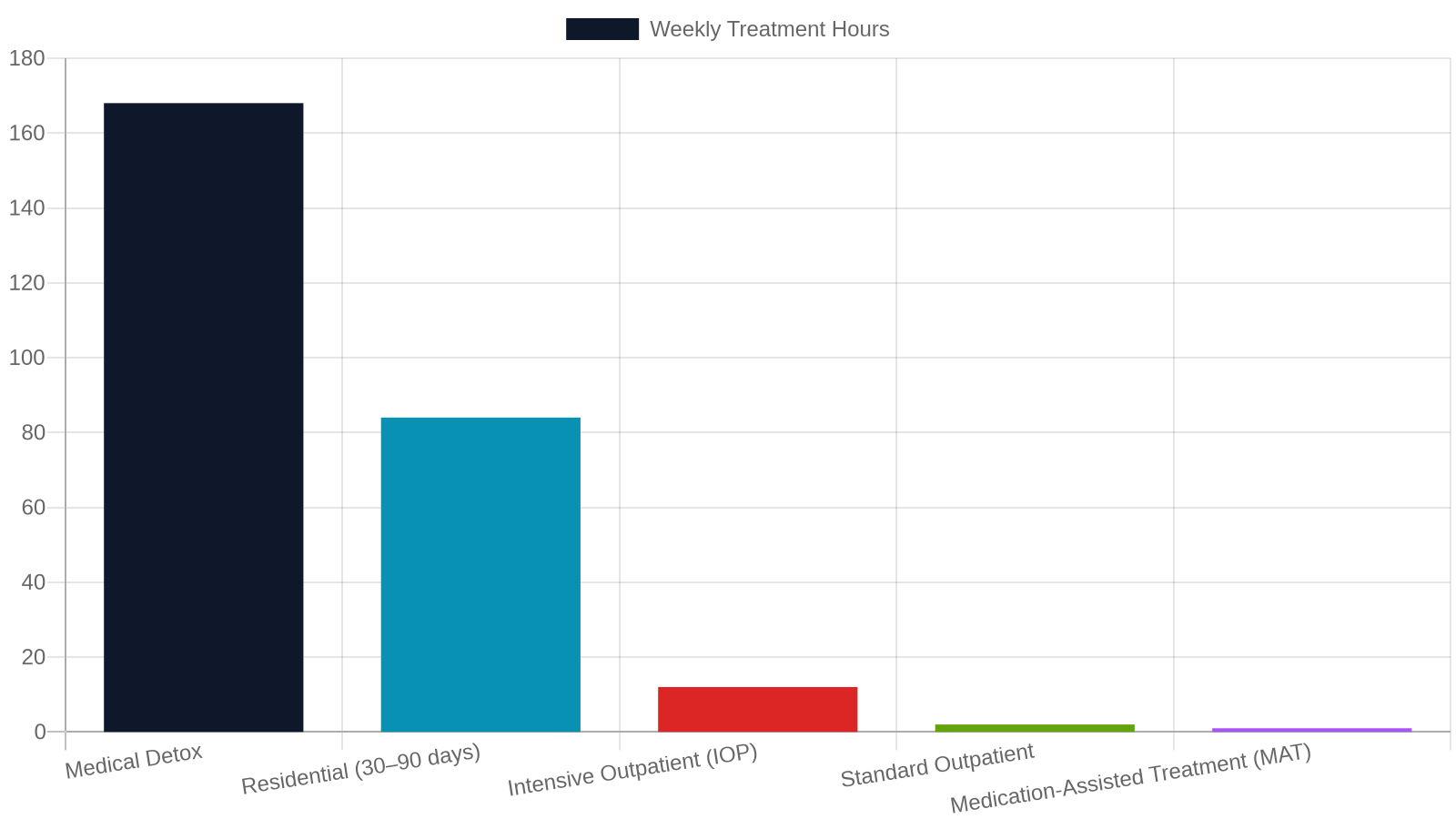
Substance use disorder (SUD) treatment isn’t one-size-fits-all. The main levels of care available in Tennessee include: medical detox (supervised withdrawal, typically 3–7 days inpatient), residential treatment (30–90 days of structured live-in programming), intensive outpatient programs (IOP) (9–15 hours of treatment per week while living in the community), standard outpatient counseling (1–2 sessions per week), and medication-assisted treatment (MAT) using buprenorphine or methadone to reduce cravings and withdrawal. Tennessee has over 400 licensed SUD treatment facilities statewide as of 2024.
Peer Recovery Specialists: Support From Someone Who Gets It
One of the most powerful resources in Tennessee’s recovery ecosystem is the peer recovery specialist — someone with their own lived experience of addiction and recovery who is trained and certified to support others. Tennessee has over 2,000 certified peer recovery specialists statewide. They can meet you where you are (literally — at a shelter, a hospital, or a street corner), help you navigate treatment options, and walk alongside you through the process. Many are embedded in emergency rooms, jails, and homeless shelters. Ask your case manager or call the REDLINE (1-800-889-9789) to be connected to one.
Medication-Assisted Treatment (MAT) and Stigma
MAT is one of the most evidence-based treatments for opioid and alcohol use disorders, yet it carries enormous stigma — especially for young adults. Know this: MAT is not ‘trading one drug for another.’ It is FDA-approved medical treatment that saves lives. In Tennessee, buprenorphine (Suboxone) can be prescribed by any licensed provider with a DEA waiver, and many community health centers offer it on a sliding-fee scale. The Tennessee Department of Mental Health and Substance Abuse Services (TDMHSAS) maintains a searchable directory of MAT providers at tn.gov/behavioral-health.
Trauma-Informed Care: Why It Matters for Young Adults

A lot of young adults who’ve experienced homelessness have also experienced trauma — sometimes starting long before they lost housing. Trauma-informed care is not a luxury; it’s a standard that every provider serving you should meet. Understanding what it means — and knowing you can ask for it — puts power back in your hands.
What 'Trauma-Informed' Actually Means
You’ve probably heard the phrase ‘trauma-informed care,’ but what does it actually mean for you? A trauma-informed provider understands that your past experiences shape how you respond to stress, relationships, and systems. They won’t ask ‘What’s wrong with you?’ — they’ll ask ‘What happened to you?’ Practically, this means they won’t penalize you for missing an appointment without calling, they’ll explain what they’re doing before they do it, and they’ll give you choices rather than demands. You have the right to ask any provider if they use a trauma-informed approach — and if they don’t know what that means, that’s useful information too.
ACEs and Their Long-Term Impact
Adverse Childhood Experiences (ACEs) — including abuse, neglect, household dysfunction, and witnessing violence — are strongly linked to homelessness, mental health challenges, and substance use in young adulthood. The landmark CDC-Kaiser ACE Study found that people with 4 or more ACEs are 7 times more likely to struggle with alcohol dependence and significantly more likely to experience depression and housing instability. In Tennessee, youth experiencing homelessness often have ACE scores of 4 or higher. This isn’t destiny — but it does mean you deserve care that accounts for what you’ve been through.
Evidence-Based Therapies Available in Tennessee
Several therapy approaches have strong evidence for trauma in young adults. Trauma-Focused Cognitive Behavioral Therapy (TF-CBT) is widely available through Tennessee CMHCs and is effective for PTSD, anxiety, and depression. Eye Movement Desensitization and Reprocessing (EMDR) is offered at many private and community practices. Seeking Safety is a group-based program specifically designed for co-occurring trauma and substance use, offered at several Tennessee sites. Ask your case manager or call 211 to find a provider offering these specific approaches near you.
Mental Health and Substance Use: How They Connect to Your Housing Application

One thing many young adults don’t realize: engaging with mental health or substance use treatment can actually improve your chances of getting housed, not hurt them. Here’s how the connection works inside Tennessee’s housing system — and what you should know before your next housing appointment.
Documentation That Helps Your Housing Case
If you are applying for Rapid Rehousing, Permanent Supportive Housing, or a transitional housing program in Tennessee, having documentation of a mental health or substance use diagnosis can actually strengthen your application by making you eligible for additional funding streams. Ask your therapist, psychiatrist, or treatment program to provide a letter confirming your diagnosis and treatment participation. This does not mean you have to share your full medical history — a brief letter confirming engagement in services is usually sufficient and is protected under HIPAA.
Coordinated Entry and Vulnerability Assessments
Tennessee’s Continuum of Care regions use a Coordinated Entry System (CES) to match people to housing resources based on need. The vulnerability assessment tool used in most Tennessee CoCs (often the VI-SPDAT or a locally adapted version) includes questions about mental health, substance use, and trauma history. Answering honestly increases your vulnerability score, which can move you higher on the priority list for housing assistance. This feels counterintuitive, but the system is designed to prioritize those with the greatest need — your challenges are not liabilities in this process.
Tennessee Mental Health and Substance Use Resources at a Glance
Use this table to quickly compare the main resource types available to young adults in Tennessee — including cost, availability, and what each is best for.
Peer Support and Youth-Led Mental Health Advocacy in Tennessee

Some of the most powerful mental health support doesn’t come from a clinic — it comes from people who’ve been through similar experiences. Peer support and youth-led advocacy are both evidence-backed approaches that Tennessee is investing in more and more. Here’s what that looks like in practice, and how you can be part of it.
What Peer Support Looks Like for Young Adults
Peer support is different from therapy. A peer support specialist is someone who has their own lived experience of mental health challenges, substance use, or homelessness — and who is trained to use that experience to help others. Peer support is not clinical; it’s relational. It might look like a weekly check-in call, help navigating a benefits application, or just someone who shows up and doesn’t judge you. Tennessee’s TDMHSAS certifies peer recovery specialists and peer support specialists statewide, and many CoC programs embed them in their housing teams.
YAAB as a Mental Health Advocacy Space
The Youth Action Board of Tennessee isn’t just about housing policy — it’s also a space where young adults with lived experience of mental health challenges and substance use can shape the systems that affect their peers. YAAB members have advocated for trauma-informed practices in Tennessee’s CoC programs, pushed for expanded peer support funding, and brought youth voices to state-level conversations about behavioral health policy. Learn more about how YAAB works and what members do — being part of this community is itself a form of healing and empowerment.
Navigating Mental Health Support Without Insurance or ID

Not having insurance, an ID, or a permanent address should not — and legally often cannot — stop you from getting mental health support. Tennessee has multiple entry points into behavioral health care that are specifically designed for people in unstable situations. Here’s how to get in the door even when the system feels like it’s built to keep you out.
Federally Qualified Health Centers (FQHCs): Open to Everyone
Federally Qualified Health Centers are required by law to serve patients regardless of ability to pay or immigration status. Tennessee has over 200 FQHC service delivery sites across the state. Most offer integrated behavioral health — meaning you can see a therapist or counselor during a primary care visit, often on the same day. To find the nearest FQHC, text your zip code to 898-211 or visit findahealthcenter.hrsa.gov. You will be charged on a sliding-fee scale based on income — for someone with zero income, the cost is typically $0.
What to Do If You Don't Have an ID
Lack of identification is one of the most common barriers young adults face when trying to access services. The good news: most mental health crisis services, FQHCs, and peer support programs do not require ID. For longer-term services that do require ID, Tennessee offers free state IDs through the Department of Safety and Homeland Security — and many CoC case managers can help you gather the documents needed (birth certificate, Social Security card) to obtain one. Operation ID programs exist in Memphis, Nashville, and Knoxville specifically to help people experiencing homelessness get identification at no cost.
211: Your First Call for Any Resource
If you don’t know where to start, dial 2-1-1. Tennessee’s 211 system connects you to a live operator who can search a database of thousands of local resources — mental health, substance use, housing, food, transportation — and help you find what’s available in your zip code right now. You can also text your zip code to 898-211 or visit tn211.org. The service is free, confidential, and available 24/7 in English and Spanish.
Comparing Your Main Mental Health Resource Options in Tennessee

With so many types of services available, it can be hard to know which door to walk through first. The table below compares the main mental health and substance use resource types available to young adults in Tennessee — so you can quickly find what fits your situation right now.
Your Next Move: Find Support and Get Involved Across Tennessee

You’ve made it through a lot of information — and if any of it resonated, that means there’s something here worth acting on. Mental health support and housing stability are not separate goals; they’re the same goal. Tennessee has more resources for young adults than most people realize, and YAAB members across the state are working every day to make those resources more accessible, more youth-friendly, and more effective. Here’s how to take your next step.
Start With One Step — Not the Whole Staircase
If reading this article has felt overwhelming, that’s okay. You don’t have to solve everything at once. Pick one action from this list and do it today: text 988, call 211, look up your nearest FQHC, or ask your case manager about peer support. Every stable housing success story started with one small move. You don’t need to have it all figured out — you just need to take the next step.
Connect to YAAB and Your Regional Resources
The Youth Action Board of Tennessee exists because young adults with lived experience deserve a seat at the table — not just a bed in a shelter. If you want to connect to mental health resources, housing support, or advocacy opportunities in your region, explore the full YAAB Tennessee resource directory — it’s organized by region and updated regularly by YAAB members who know what’s actually available on the ground. You can also find your local YAAB chapter in Memphis, Nashville, Knoxville, Chattanooga, Jackson, the Upper Cumberland, and Northeast Tennessee. Joining YAAB is free, and you don’t need to have everything together to show up.
You Belong in This Conversation
Tennessee’s mental health and housing systems are shaped by policies — and policies are shaped by people. Young adults who’ve lived through housing instability and mental health challenges are the most qualified people to fix those systems. YAAB is how you do that. Whether you want to share your story, advise local leaders, or just find community with people who get it, there is a place for you. Your experience is not a liability — it’s expertise. The statewide YAAB network is growing, and your voice matters in every corner of Tennessee, from Memphis to Mountain City.
Frequently Asked Questions
Can I get mental health help in Tennessee if I don't have insurance or an address?
Yes. Federally Qualified Health Centers (FQHCs) serve everyone regardless of insurance or address, charging on a sliding scale — often $0 for people with no income. Community mental health centers also accept uninsured patients. You can use a shelter or case manager's address when applying for TennCare.
What is the Tennessee REDLINE and how does it help with substance use?
The Tennessee REDLINE (1-800-889-9789) is a free, 24/7 crisis and referral line for substance abuse. Trained counselors can connect you to local detox, treatment programs, and peer recovery coaches at no cost, serving all 95 Tennessee counties.
Does having a mental health diagnosis hurt my chances of getting housing assistance in Tennessee?
No — in most cases it helps. Tennessee's Coordinated Entry System uses vulnerability assessments where mental health and substance use challenges can increase your priority score for housing programs. Documentation of treatment participation can also open additional funding streams.
What mental health services are available for young adults aging out of foster care in Tennessee?
Former foster youth in Tennessee can receive TennCare coverage until age 26 at no cost under the Fostering Connections Act, regardless of income. This covers therapy, psychiatric care, and substance use treatment. Many CoC programs also have dedicated case managers for youth aging out of foster care.
How do I find mental health resources near me in Tennessee?
Dial 2-1-1 or text your zip code to 898-211 to reach Tennessee's 211 service, which connects you to local mental health, substance use, housing, and other resources 24/7. You can also visit the YAAB Tennessee resource directory at yaabtn.org/resources/ for youth-specific options organized by region.
What is a peer recovery specialist and how do I find one in Tennessee?
A peer recovery specialist is a certified professional with their own lived experience of addiction or mental health challenges who supports others through recovery. Tennessee has over 2,000 certified specialists statewide. Call the REDLINE (1-800-889-9789) or ask your case manager to connect you with one.