Quick answer: If you're a young adult ages 17 to 25 in Tennessee who is experiencing homelessness or housing instability, you are not alone and real help exists right now. Tennessee's Continuum of Care regions — covering Memphis, Nashville, Knoxville, Chattanooga, Jackson, Upper Cumberland, and Northeast TN — connect you to emergency shelter, transitional housing, rapid rehousing, mental health support, job training, education pathways, and peer advocacy through the Youth Action Board (YAAB). This guide breaks down 10 concrete resources and how to access them across the state.
1. Understanding Tennessee's Continuum of Care System

Before diving into specific resources, it helps to understand the system that organizes them. Tennessee’s housing and support services for young adults don’t operate as one big statewide program — they’re coordinated through regional networks called Continuums of Care (CoC). Understanding how these regions work gives you a real advantage when navigating the system, because it tells you exactly where to start and who to call.
What a Continuum of Care Actually Does for You
A Continuum of Care (CoC) is a regional network of organizations — nonprofits, government agencies, shelters, and service providers — that work together to prevent and end homelessness. HUD funds these networks, and Tennessee has eight CoC regions that cover the entire state. Each region coordinates who gets access to which beds, programs, and funding streams.
- TN-500 — Memphis/Shelby County
- TN-501 — Nashville/Davidson County
- TN-502 — Knoxville/Knox County
- TN-503 — Chattanooga/Hamilton County
- TN-504 — Murfreesboro/Rutherford County
- TN-506 — Upper Cumberland
- TN-507 — Northeast Tennessee
- TN-509 — Balance of State (rural and smaller cities)
Knowing your CoC region matters because housing programs are usually region-specific. A bed in Nashville may not be available to someone whose case is managed in Knoxville. Ask any shelter or case manager which CoC you fall under.
How Youth Are Prioritized Within the System
HUD requires CoC programs to have a youth-specific coordinated entry process for transition-age youth (TAY) ages 18 to 24. Some Tennessee regions also serve youth starting at age 17. Coordinated entry is the front door — it’s the assessment process that determines what housing program fits your situation best. You do not need to be the most visibly homeless person in the room to qualify. Couch surfing, staying in a car, or bouncing between friends’ homes all count as housing instability under HUD definitions. Being honest about your situation during the assessment is the fastest path to getting matched with the right resource.
2. Emergency Shelter Options Across Tennessee

When you need a safe place to sleep tonight, emergency shelter is the immediate first step. Tennessee has a range of emergency shelter options — some youth-specific, some general — spread across its major cities and rural regions. Knowing which ones exist and how to access them quickly can make all the difference.
Youth-Specific Emergency Shelters
Several Tennessee cities operate shelters designed specifically for young adults ages 17 to 24. These are safer environments than adult shelters and typically offer case management, meals, and a path toward longer-term housing. Key examples include:
- Memphis: Youth Villages and Door of Hope serve youth in the Shelby County area with emergency and transitional beds.
- Nashville: Oasis Center’s youth shelter and the Campus for Human Development’s coordinated entry serve TAY in Davidson County.
- Knoxville: Volunteer Ministry Center and KARM (Knox Area Rescue Ministries) coordinate with youth-specific programs through TN-502.
- Chattanooga: Chattanooga Room in the Inn and Signal Centers connect youth to emergency options in Hamilton County.
Call 211 from anywhere in Tennessee to reach a local operator who can tell you the nearest open youth shelter bed tonight.
What to Expect When You Walk In
Walking into a shelter for the first time can feel intimidating. Here’s what typically happens: staff will ask for your name and age, conduct a brief safety screening, and connect you with a case manager within 24 to 72 hours. You do not need a photo ID to access most emergency shelters, though having one speeds up the process for housing applications later. Many shelters will help you get a state ID if you don’t have one. You are entitled to be treated with dignity — if you feel unsafe or disrespected, you can ask to speak with a supervisor or contact your local YAAB for peer support.
3. Transitional Housing Programs for Young Adults

Emergency shelter is a starting point, not a destination. Transitional housing programs give young adults in Tennessee a stable place to land for months at a time while building the skills and resources needed to move into permanent housing. These programs are specifically designed for transition-age youth and are among the most powerful tools in the Tennessee CoC system.
Transitional Living Programs (TLPs): A Bridge to Independence
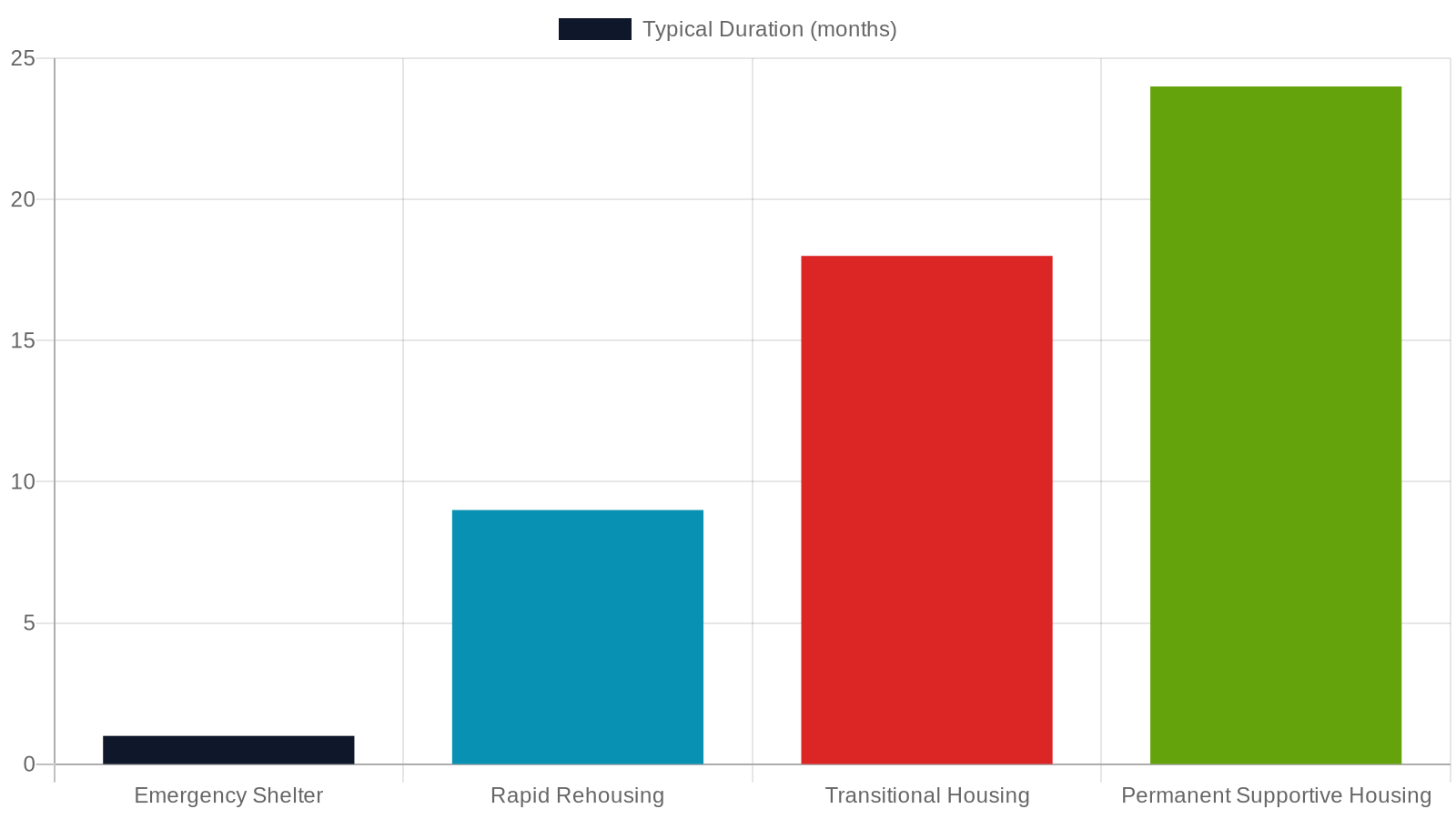
Transitional Living Programs (TLPs) are HUD-funded programs that provide housing for up to 18 months (extendable to 21 months in some cases) for youth ages 16 to 22. They combine a stable place to live with life-skills training, education support, employment help, and case management. Tennessee has TLPs operating in most major CoC regions. Unlike emergency shelters, TLPs require a commitment — you’ll sign a program agreement and work toward goals like getting a GED, finding a job, or saving money. This structure is a feature, not a bug: it’s designed to help you build the skills and savings to move into your own place when the program ends.
Rapid Rehousing vs. Transitional Housing — Which Is Right for You?
Two main program types serve youth in Tennessee’s CoC system:
- Rapid Rehousing (RRH): Short-term rental assistance (typically 3 to 12 months) that helps you move directly into your own apartment. Best for youth who are ready to live independently but just need a financial bridge.
- Transitional Housing (TH): Longer-term (up to 18–21 months) in a supervised or semi-supervised setting with wraparound services. Best for youth who need more time and support before living fully independently.
Your coordinated entry assessment will help match you with the right type. If you disagree with the match, you have the right to appeal the decision — ask your case manager how to do this in your CoC region.
4. Permanent Supportive Housing for Youth With Complex Needs

For young adults dealing with complex challenges — mental health conditions, disabilities, or chronic housing instability — permanent supportive housing can provide the stability needed to truly rebuild. This is one of the most intensive and impactful resources in Tennessee’s housing system, and knowing it exists is the first step to accessing it.
Who Qualifies for Permanent Supportive Housing?
Permanent Supportive Housing (PSH) combines long-term, subsidized housing with ongoing support services — mental health care, substance use treatment, disability services, and case management. HUD prioritizes PSH for individuals with a disabling condition (which can include serious mental illness, substance use disorder, chronic health conditions, or developmental disabilities) who have experienced long-term or repeated homelessness. For young adults, this can be a life-changing resource. In Tennessee, PSH units for youth exist in Memphis, Nashville, and Knoxville, with smaller inventories in other regions. Waitlists can be long — getting on the list early, even before you feel ready, is strongly recommended.
HUD's Youth Homelessness Demonstration Program in Tennessee
Tennessee has participated in HUD’s Youth Homelessness Demonstration Program (YHDP), which provides additional funding specifically to build youth-centered housing systems. YHDP communities develop a Coordinated Community Plan to end youth homelessness, which includes creating new PSH units, improving coordinated entry for youth, and centering youth voice — including through bodies like YAAB — in decision-making. Ask your local CoC coordinator whether your region has active YHDP funding, as this can unlock additional housing slots and services specifically for young adults.
5. Mental Health and Substance Use Support Services

Housing stability and mental health are deeply connected. It’s hard to focus on finding an apartment when you’re in crisis, and it’s hard to stay mentally well when you don’t have a safe place to sleep. Tennessee has a range of mental health and substance use support services specifically available to young adults — many at low or no cost — and accessing them is a sign of strength, not weakness.
Tennessee's Community Mental Health Centers
Tennessee operates a network of Community Mental Health Centers (CMHCs) funded through the Tennessee Department of Mental Health and Substance Abuse Services (TDMHSAS). These centers provide outpatient therapy, psychiatric evaluation, crisis services, and substance use treatment — often on a sliding-scale fee or at no cost for uninsured youth. Every major region has at least one CMHC:
- Memphis/Shelby: Behavioral Health Group, Lakeside Behavioral Health
- Nashville/Davidson: Centerstone, Park Center
- Knoxville/Knox: Helen Ross McNabb Center
- Chattanooga/Hamilton: Volunteer Behavioral Health Care System
- Rural/Balance of State: Frontier Health (Northeast TN), Plateau Mental Health (Upper Cumberland)
You can also text HOME to 741741 (Crisis Text Line) or call 988 (Suicide and Crisis Lifeline) 24/7 for immediate support.
Trauma-Informed Care and Why It Matters
Many young adults who have experienced homelessness have also experienced trauma — from family conflict, abuse, neglect, or the instability of homelessness itself. Trauma-informed care means that providers understand this and don’t ask you to explain or justify your past before getting help. When looking for a therapist or counselor, it’s okay to ask: “Do you use a trauma-informed approach?” You deserve care that meets you where you are, not where someone else thinks you should be. If a provider makes you feel judged or dismissed, you have every right to find a different one.
6. Education Pathways: GED, College, and Vocational Training

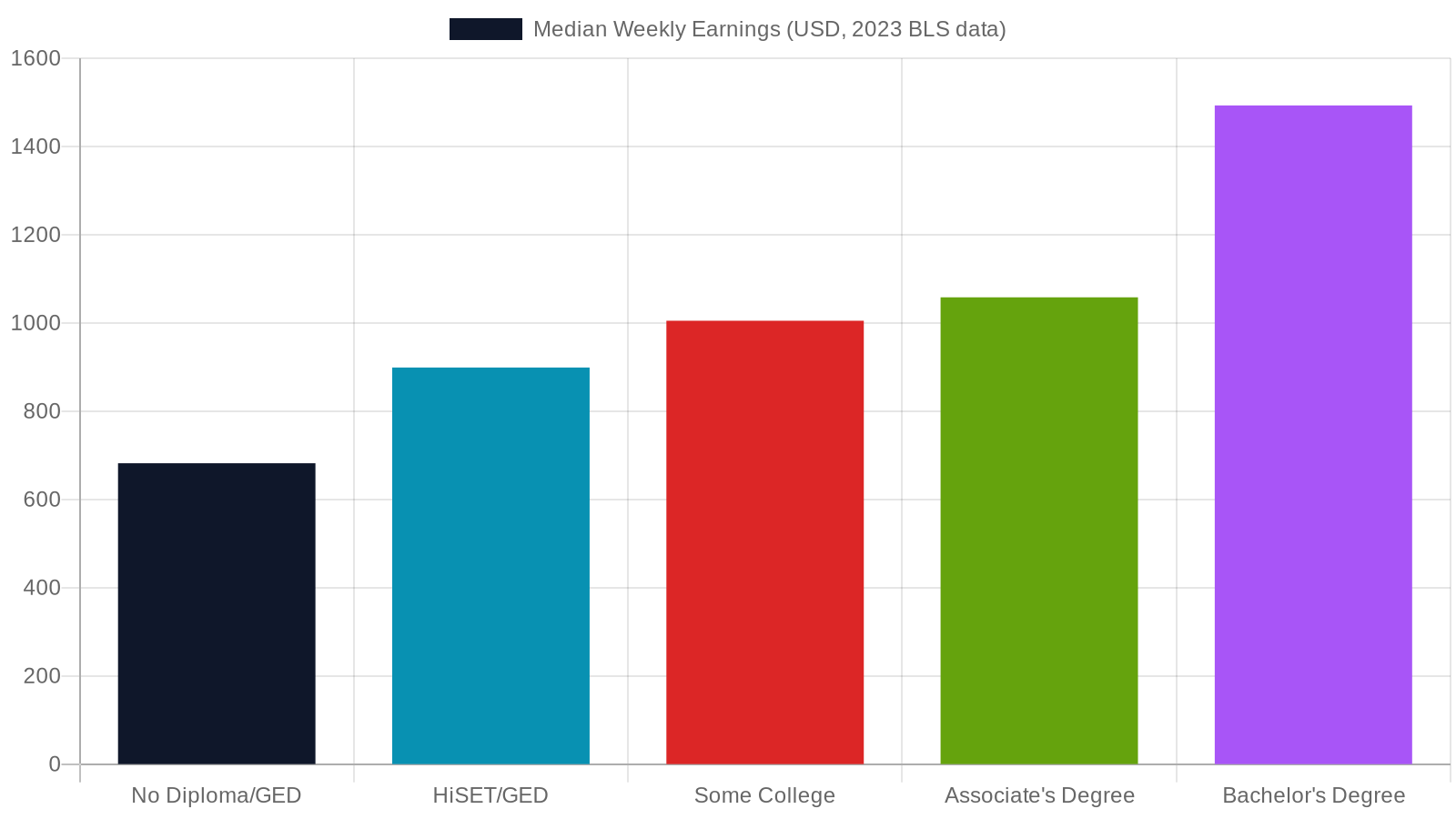
Education is one of the most powerful tools for long-term housing stability. A diploma, certification, or degree opens doors to better-paying jobs — and better-paying jobs make it possible to afford and keep housing. Tennessee has real pathways for young adults who had their education interrupted by homelessness or instability, and you don’t have to start over from scratch.
Getting Your GED or High School Diploma in Tennessee
Tennessee offers the HiSET exam (the state’s alternative to the GED) at testing centers across all regions. The exam costs approximately $10.75 per subtest in Tennessee, and fee waivers are available for low-income youth. Tennessee College of Applied Technology (TCAT) locations and adult education centers in every county offer free or low-cost prep classes. If you’re under 22 and were in foster care, you may qualify for Tennessee’s Fostering Success program, which provides additional education support. Ask your case manager about the Chafee Education and Training Voucher (ETV), which provides up to $5,000 per year for education and training costs for youth who aged out of foster care.
College Access and Vocational Programs for Homeless Youth
The McKinney-Vento Homeless Assistance Act gives students experiencing homelessness specific rights in higher education, including priority enrollment and access to emergency aid. Tennessee’s public universities and community colleges have campus liaisons for homeless and foster youth — ask the financial aid office for the homeless/foster youth point of contact. Vocational training through Tennessee’s Workforce Innovation and Opportunity Act (WIOA) programs is free for eligible youth ages 14 to 24 and covers job training, certifications, and paid work experiences. WIOA programs are administered through local American Job Centers, which exist in every major Tennessee city.
7. Employment and Financial Literacy Resources

Getting a job and managing money are foundational to keeping housing long-term. Tennessee has free employment support and financial literacy resources available to young adults right now — you just need to know where to look. These resources are not charity; they’re tools you have every right to use.
Tennessee's American Job Centers and Youth Employment Programs
American Job Centers (AJCs) — also called Tennessee Career Centers — are free workforce development hubs in every major Tennessee city. For youth ages 16 to 24, AJCs offer:
- Free resume writing and interview coaching
- Job placement assistance
- WIOA-funded paid work experiences and on-the-job training
- Connections to apprenticeship programs
- Help applying for occupational licenses and certifications
You don’t need to have a permanent address to use an AJC — you can use the center’s address for job applications if needed. Many AJCs also have computers and internet access, which is essential when you don’t have reliable device access.
Building Financial Skills When You're Starting From Zero
Financial literacy isn’t about having money — it’s about knowing how to manage it when you do. Key skills for young adults include:
- Opening a bank account: Many banks and credit unions offer second-chance checking accounts for people with ChexSystems flags. BancorpSouth and Tennessee credit unions often have youth-friendly options.
- Building credit: Secured credit cards and credit-builder loans through local credit unions are low-risk ways to start a credit history.
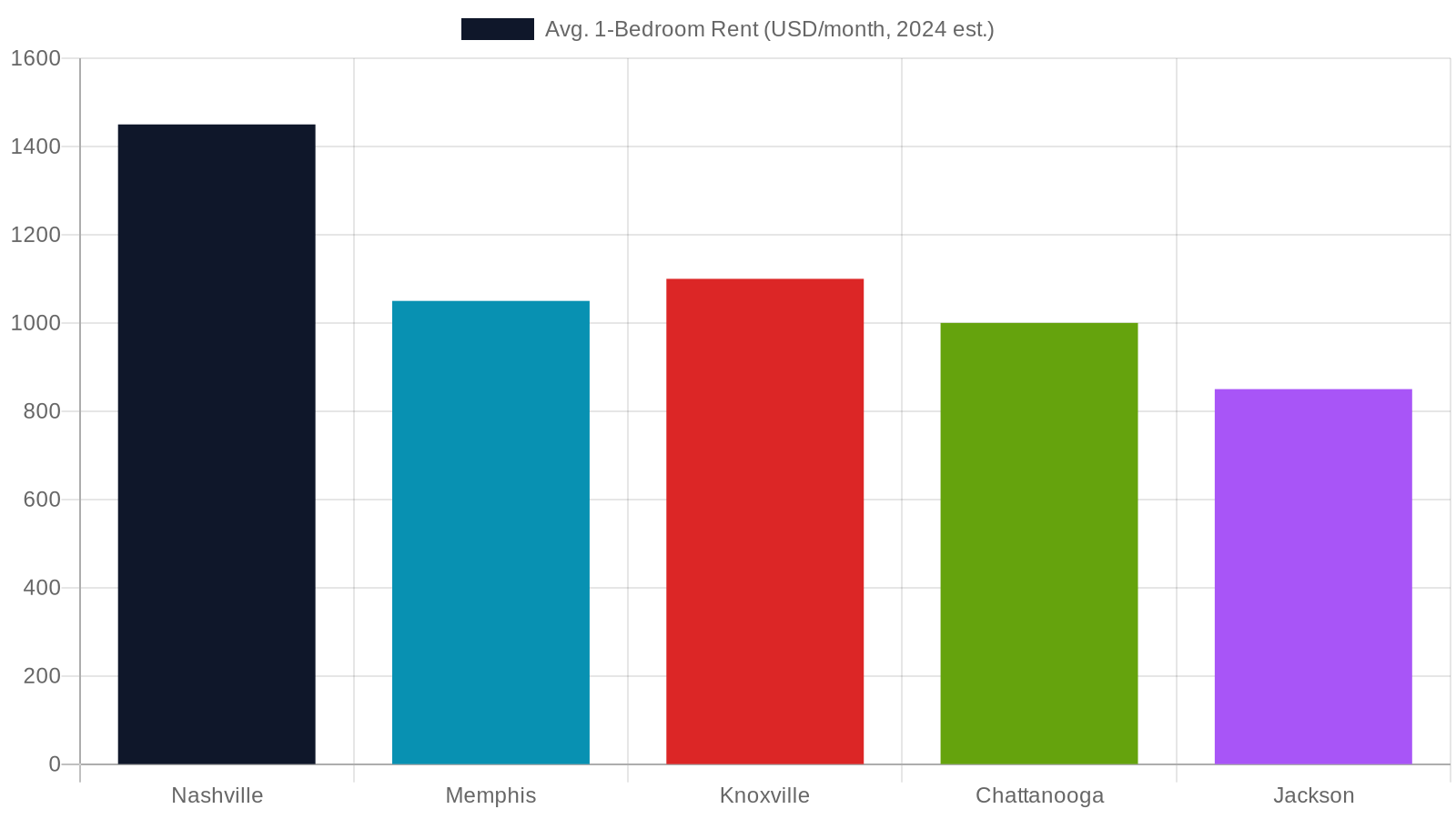
- Understanding rental costs: Budget at least 30% of gross income for rent — ideally less. In Nashville, average one-bedroom rent was approximately $1,450/month in 2024; in Memphis it was closer to $1,050/month.
- Emergency savings: Even saving $5 to $10 per week builds a buffer. Many transitional housing programs have matched savings components.
Tennessee Housing Program Types at a Glance
Not every housing program is the right fit for every situation. Use this comparison to understand which type of support matches where you are right now.
8. Foster Care Alumni: Knowing Your Rights and Benefits

If you’ve aged out of foster care — or are about to — there are specific rights, programs, and benefits that belong to you. Tennessee has made commitments to foster care alumni that go beyond age 18, and knowing what you’re entitled to can dramatically change your options. This section is specifically for you.
Tennessee's Extended Foster Care and Fostering Futures Program
In Tennessee, young people who were in foster care can choose to remain in care — or re-enter care — until age 21 through the Fostering Futures program. This means continued placement support, case management, and access to the Education and Training Voucher (ETV) worth up to $5,000 per year for college or vocational training. If you aged out of foster care at 18 and didn’t know about Fostering Futures, you may still be able to re-enroll — contact the Tennessee Department of Children’s Services (DCS) or a foster care alumni advocate to find out. Aging out doesn’t mean you’re on your own.
TennCare, SNAP, and Other Benefits for Foster Care Alumni
Foster care alumni in Tennessee have access to several automatic or expedited benefits:
- TennCare (Medicaid): Youth who aged out of foster care in Tennessee are eligible for TennCare until age 26 — regardless of income. This is one of the most valuable benefits available and covers mental health, dental, and medical care.
- SNAP (food assistance): Youth ages 18 to 21 who aged out of foster care are categorically eligible for SNAP without a work requirement in Tennessee.
- SSI/SSDI: If you have a qualifying disability, you may be eligible for Supplemental Security Income. Apply through the Social Security Administration — a case manager can help you navigate this.
If you’re unsure what you qualify for, call Tennessee’s Benefits Enrollment Network or visit a local DCS office to request a benefits screening.
9. Know Your Rights: Legal Protections for Homeless Youth in Tennessee

Knowing your legal rights isn’t just for lawyers — it’s for you. Young adults experiencing homelessness in Tennessee have specific federal and state protections that many people don’t know about. Understanding these rights can prevent you from being turned away from services you’re entitled to, and can protect you when landlords or institutions don’t follow the law.
McKinney-Vento Rights for Students Experiencing Homelessness
The McKinney-Vento Homeless Assistance Act is a federal law that protects students experiencing homelessness. If you are enrolled in a Tennessee school or college and are experiencing homelessness, you have the right to:
- Immediate enrollment, even without records, immunizations, or a permanent address
- Remain in your school of origin (your previous school) even if you’ve moved out of the district
- Free transportation to your school of origin
- Access to the same programs and services as other students
- A designated school liaison who must help you access these rights
If a school or college tries to deny you enrollment or services, contact the Tennessee Department of Education’s McKinney-Vento coordinator or a legal aid organization immediately.
Tennessee Legal Aid and Tenant Rights
Free legal help is available to low-income young adults across Tennessee through organizations like Legal Aid Society of Middle Tennessee and the Cumberlands, Memphis Area Legal Services, and Legal Aid of East Tennessee. These organizations can help with:
- Eviction defense — you have the right to a court hearing before being removed from housing
- Expungement of juvenile or adult criminal records that may be blocking housing applications
- Disputes with landlords over deposits, repairs, or lease terms
- Benefits denials and appeals
Tennessee law requires landlords to give at least 14 days’ written notice before filing for eviction for nonpayment of rent. Knowing this can buy you critical time to find help. Never ignore an eviction notice — call legal aid the same day you receive one.
10. Get Involved: Join a Local YAAB and Shape Tennessee's Future

Finding resources is one thing. Helping build a system that works better for everyone who comes after you is another. If you’re a young adult in Tennessee with lived experience of homelessness or housing instability, the Youth Action Board (YAAB) wants to hear from you — not just as someone who needs support, but as a leader and expert. Getting involved with YAAB is one of the most powerful things you can do for yourself and your community.
What YAAB Members Actually Do
The Youth Action Board (YAAB) of Tennessee is made up of young adults ages 17 to 25 who have lived experience of homelessness or housing instability — people who know firsthand what it’s like to navigate this system. YAAB members don’t just receive services; they shape the policies and programs that affect thousands of young people across Tennessee. Members:
- Advise CoC boards and local government on youth housing priorities
- Participate in HUD-required planning processes
- Connect peers to resources and advocate alongside them
- Testify at state legislative hearings
- Lead community outreach and awareness campaigns
Your experience is not a liability — it’s your expertise. YAAB exists because the people most affected by a problem are best positioned to help solve it. Learn more about what YAAB is and how it works before you reach out.
How to Find Your Local YAAB in Tennessee
YAAB chapters operate in Tennessee’s major CoC regions. You can connect with the chapter nearest to you:
- TN-500 (Memphis/Shelby)
- TN-501 (Nashville/Davidson)
- TN-502 (Knoxville/Knox)
- TN-503 (Chattanooga/Hamilton)
- TN-504 (Murfreesboro/Rutherford)
- TN-506 (Upper Cumberland)
- TN-507 (Northeast Tennessee)
- TN-509 (Balance of State)
Not sure which region you’re in? Visit the local YAABs page for a full map and contact information.
Your Next Move: Access Tennessee's Resources Right Now

You’ve made it through a lot of information — and that means you’re already doing the work. Tennessee has more resources for young adults experiencing homelessness than most people realize, and the YAAB network exists to make sure those resources are actually reachable. Here’s how to take your next concrete step, wherever you are in the state.
Start With These Three Steps
If you’re not sure where to begin, start here:
- Step 1 — Call 211. Tennessee’s 211 helpline connects you to local shelter, food, mental health, and housing resources 24/7. It’s free, confidential, and available statewide.
- Step 2 — Find your CoC’s coordinated entry. Ask 211 or a local shelter how to access coordinated entry in your region. This is the official front door to housing programs and gets you formally into the system.
- Step 3 — Browse the YAAB resource hub. The YAAB Tennessee resources page compiles housing, education, employment, mental health, and advocacy tools specifically for transition-age youth across all eight CoC regions in Tennessee. It’s built by and for young people like you.
You Don't Have to Figure This Out Alone
Navigating housing systems is genuinely complicated — it was designed by adults, often without young people at the table. That’s exactly why YAAB exists: to make sure young adults in Tennessee have peers who’ve been through it, know the system, and can help you find your footing. Whether you’re in Memphis, Nashville, Knoxville, Chattanooga, Jackson, or a rural corner of the state, there are people who want to help — and who see your potential, not just your circumstances. You belong here. You deserve stable housing. And you have more power in this system than you’ve probably been told. If you’re ready to get involved, join YAAB and add your voice to the movement.
Frequently Asked Questions
How do I find emergency shelter for youth in Tennessee tonight?
Call 211 from anywhere in Tennessee — it's free, available 24/7, and will connect you to the nearest open youth shelter bed or emergency housing resource in your area. You do not need an ID to access most emergency shelters.
What is coordinated entry and how do I get into it?
Coordinated entry is the official intake process that matches homeless youth to the right housing program in your region. To access it, call 211 or visit a local shelter or drop-in center and ask staff to connect you to coordinated entry for your Continuum of Care region. Couch surfing and car living count as homelessness — you don't need to be on the street to qualify.
I aged out of foster care in Tennessee. What benefits am I entitled to?
Tennessee foster care alumni are eligible for TennCare (Medicaid) until age 26 regardless of income, SNAP food assistance without a work requirement through age 21, and up to $5,000 per year in Education and Training Vouchers (ETV) for college or vocational training. You may also be able to re-enroll in extended foster care through Fostering Futures if you aged out at 18.
What is the Youth Action Board (YAAB) and can I join?
YAAB is a statewide network of young adults ages 17 to 25 in Tennessee who have lived experience of homelessness and help shape housing policy and programs. If you meet the age and experience criteria, you can join a local YAAB chapter in your CoC region. Visit yaabtn.org/join/ to get started.
Does Tennessee have housing help for homeless youth in rural areas?
Yes. The TN-506 (Upper Cumberland), TN-507 (Northeast Tennessee), and TN-509 (Balance of State) CoC regions serve rural and smaller-city youth. Call 211 to connect with local resources, and check the YAAB resources page for region-specific contacts.
Can I get help with education if I'm experiencing homelessness in Tennessee?
Yes. The McKinney-Vento Act guarantees your right to enroll in school or college immediately, even without records or a permanent address. Tennessee's adult education centers offer free HiSET (GED equivalent) prep, and WIOA-funded programs at American Job Centers provide free job training and certifications for youth ages 16 to 24.