Quick answer: If you're a young adult ages 17–25 in Tennessee dealing with homelessness or housing instability, you have real options. Tennessee's Continuum of Care regions — covering Memphis, Nashville, Knoxville, Chattanooga, Jackson, and beyond — offer emergency shelters, rapid rehousing funds, transitional housing programs, and long-term rental assistance specifically designed for transition-age youth. Many programs cost you nothing, require no credit history, and can connect you to employment and education at the same time. This guide walks you through 10 concrete resources and how to access them.
1. Understanding Tennessee's Continuum of Care System

Before diving into specific programs, it helps to understand the system that ties them all together. Tennessee’s housing resources for young adults don’t exist in isolation — they’re organized through a federally coordinated network called the Continuum of Care. Knowing how this works puts you in a stronger position to navigate it, ask for what you need, and hold systems accountable when they fall short.
What Is a Continuum of Care (CoC)?
A Continuum of Care (CoC) is a regional planning body that coordinates housing and services for people experiencing homelessness. The U.S. Department of Housing and Urban Development (HUD) funds CoCs across the country, and Tennessee has eight active CoC regions. Each region manages its own network of shelters, transitional housing, rapid rehousing programs, and permanent supportive housing.
Think of the CoC as the backbone behind most of the housing programs you’ll hear about. When a case manager says they’re submitting you to a “coordinated entry” list, that list lives inside your regional CoC. Understanding this system helps you ask the right questions and advocate for yourself.
Tennessee's Eight CoC Regions at a Glance
Tennessee’s CoC regions are identified by HUD codes. Here’s where they cover:
- TN-500 — Chattanooga / Hamilton County
- TN-501 — Memphis / Shelby County
- TN-502 — Knoxville / Knox County
- TN-503 — Nashville / Davidson County
- TN-504 — Murfreesboro / Rutherford County
- TN-506 — Upper Cumberland Region
- TN-507 — Northeast Tennessee
- TN-509 — Jackson / West Tennessee
Each region has its own Youth Action Board (YAAB) chapter, which means young people with lived experience are at the table shaping how resources get distributed. That’s not just feel-good language — it directly affects which programs get funded and how intake processes are designed.
2. Coordinated Entry — Your First Stop in Any Region

If you’re not sure where to start, Coordinated Entry is the answer. It’s the front door to almost every publicly funded housing resource in Tennessee. Getting assessed doesn’t lock you into anything — it opens options. Here’s what the process looks like and how to find your region’s access point.
How Coordinated Entry Works for Youth
Coordinated Entry (CE) is the standardized process each CoC uses to assess your needs and match you to the right housing program. Instead of calling 10 different shelters and getting turned away, you go through one intake point — and the system finds the best fit for your situation.
For transition-age youth (ages 17–25), most Tennessee CoCs use a youth-specific assessment tool. You’ll answer questions about your current living situation, safety, health, and history. Your score helps determine priority, but you don’t have to be in the worst possible situation to qualify — many programs prioritize youth who are at risk of homelessness, not just those already on the street.
How to Access Coordinated Entry Near You
Access points vary by region, but here are common ways to connect:
- Call 211 — Tennessee’s statewide helpline connects you to local CE access points 24/7
- Visit a drop-in center — Many cities have youth-specific drop-in centers that serve as CE access points
- Contact a CoC partner agency — Schools, hospitals, and community organizations can refer you directly
- Reach out to your local YAAB — YAAB members often know exactly who to call in your region and can help you navigate the process without judgment
Bring whatever ID you have, but lack of ID should never be a barrier to being assessed. If an agency turns you away because you don’t have a birth certificate or Social Security card, ask to speak with a supervisor or contact your regional YAAB for support.
3. Emergency Shelters Specifically for Transition-Age Youth

When you need a safe place to sleep tonight, an emergency shelter is the immediate answer. Tennessee has several shelters built specifically for young adults — not the same as adult shelters, and not the same as children’s group homes. These are spaces designed with people your age in mind.
What Makes a Youth Shelter Different
Not all shelters are the same. General adult shelters can feel unsafe or overwhelming, especially if you’re 17, 18, or 19. Youth-specific emergency shelters are designed for people ages 17–24 (some up to 25) and typically offer:
- Separate sleeping areas from adults over 25
- Case managers who specialize in transition-age youth needs
- On-site connections to education, employment, and mental health services
- Lower-barrier intake — fewer ID requirements, no sobriety mandates at many sites
Tennessee has youth shelters in every major metro area. Capacity is limited, so if one shelter is full, ask the intake worker to connect you to a diversion program or hotel voucher while you wait for a bed.
Key Youth Shelters by Region
Here are some established youth-serving shelter programs across Tennessee:
- Memphis (TN-501): Youth Villages, Door of Hope
- Nashville (TN-503): Oasis Center, Conexión Américas (for Latinx youth), Safe Haven Family Shelter (for youth with children)
- Knoxville (TN-502): Volunteer Ministry Center, KARM (Knox Area Rescue Ministries) — youth wing
- Chattanooga (TN-500): Chambliss Center for Children, Signal Centers
- Jackson / West TN (TN-509): WRAP (West Tennessee Regional Authority for People)
Always call ahead to confirm bed availability and any age or eligibility requirements. Programs change, and your local YAAB chapter can give you the most up-to-date contact information for your area.
4. Rapid Rehousing — Get Into Your Own Place Fast

Rapid Rehousing is one of the fastest paths from homelessness to having your own address. It’s not permanent housing assistance — it’s a bridge designed to stabilize you while you build income and skills. For many young adults in Tennessee, it’s the program that changes everything.
What Rapid Rehousing Covers
Rapid Rehousing (RRH) is a HUD-funded program that helps you move into a private apartment quickly by covering short-term rental assistance and case management. It’s one of the most powerful tools for transition-age youth because it gets you out of shelter or couch-surfing situations and into your own space — usually within 30 to 90 days.
Typical RRH support includes:
- Security deposit and first month’s rent paid directly to the landlord
- Rental subsidies for 3 to 24 months, depending on your program
- Utility assistance in many programs
- Case management to help you build income and stability before the subsidy ends
You find the apartment — RRH pays the landlord. This means you need a willing landlord, which case managers can help you locate through established landlord networks.
Youth-Specific RRH Programs in Tennessee
Tennessee receives federal funding specifically for Youth Rapid Rehousing through HUD’s Youth Homelessness Demonstration Program (YHDP) and standard CoC grants. Several regions have dedicated youth RRH slots:
- Nashville (TN-503): Oasis Center and Conexión Américas both operate youth RRH programs
- Memphis (TN-501): MIFA (Metropolitan Inter-Faith Association) and Youth Villages administer youth RRH
- Knoxville (TN-502): Volunteer Ministry Center coordinates youth RRH through the Knox CoC
- Statewide: Tennessee Housing Development Agency (THDA) periodically releases Emergency Solutions Grant (ESG) funds that include RRH for youth
Access is almost always through Coordinated Entry, so getting assessed is step one. Waitlists exist, but youth are often prioritized — especially those aging out of foster care or fleeing unsafe situations.

5. Transitional Housing Programs for Young Adults
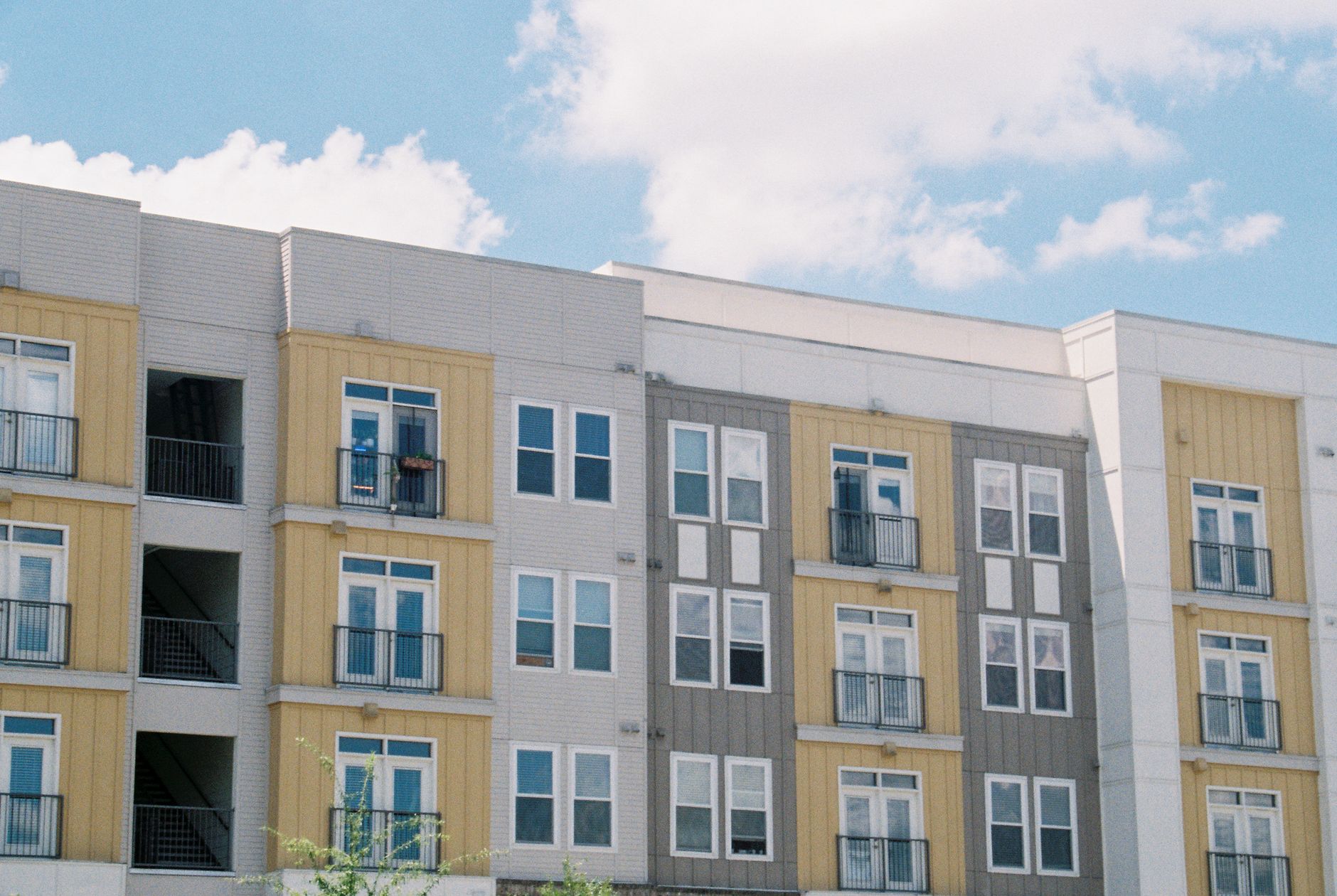
If you need more than a few nights of shelter but aren’t ready to navigate a private lease on your own, transitional housing is built for exactly that gap. It gives you time, support, and structure to get stable — without the pressure of a full market-rate rent on day one.
How Transitional Housing Differs from Emergency Shelter
Transitional housing is a step up from emergency shelter. You get your own room or apartment — sometimes shared with one or two peers — for a period of 6 to 24 months. During that time, you work with case managers on goals like finishing your GED, getting a job, building savings, and eventually moving into permanent housing.
Transitional housing programs often include:
- Life skills workshops (budgeting, cooking, renter’s rights)
- Employment readiness and job placement support
- Mental health and substance use counseling on-site or by referral
- Education navigation, including GED prep and community college enrollment
The structure can feel intense at first, but most young adults who complete transitional housing programs exit into stable housing — and many say the skills they built there were more valuable than the roof itself.
Transitional Housing Options Across Tennessee
Notable transitional housing programs for transition-age youth in Tennessee include:
- Oasis Center (Nashville): Transitional Living Program for youth 17–21, up to 18 months
- Youth Villages (Statewide): Transitional Living and Independent Living programs across multiple Tennessee counties
- Knoxville Area Urban League: Transitional housing with employment focus for youth 18–24
- Chattanooga Room in the Inn: Transitional beds with wraparound services
- CHOICES (Memphis): Transitional housing for LGBTQ+ youth and young adults fleeing domestic violence
Many programs have income requirements — you may need to contribute a small portion of your income to a savings account. This is actually designed to help you, not punish you: when you exit, that saved money is often returned to you as a move-out fund.

6. Permanent Supportive Housing for Youth with Higher Needs

For young adults dealing with ongoing mental health challenges, disabilities, or long-term homelessness, Rapid Rehousing’s short-term support isn’t always enough. Permanent Supportive Housing offers a long-term solution — a real home with services attached, for as long as you need it.
Who Qualifies for Permanent Supportive Housing
Permanent Supportive Housing (PSH) combines long-term rental assistance with ongoing support services. It’s designed for young adults who have a disabling condition — such as a serious mental health condition, substance use disorder, or chronic physical illness — that makes it harder to maintain housing without consistent support.
To qualify, you typically need to meet HUD’s definition of chronically homeless: experiencing homelessness for at least 12 months (or 4 episodes totaling 12 months) in the past 3 years, with a documented disability. That sounds like a high bar, but many young adults who’ve been cycling through shelters, couch-surfing, and the street for over a year do qualify.
What PSH Looks Like Day to Day
In PSH, you sign a real lease — you’re a tenant with legal rights. A case manager checks in with you regularly (weekly or monthly, depending on the program), but you’re not required to participate in programming to keep your housing. That’s a key difference from transitional housing.
PSH programs in Tennessee include:
- Centerstone (Nashville, Chattanooga, Clarksville): PSH units for young adults with mental health diagnoses
- Volunteers of America Mid-States (Multiple regions): PSH with trauma-informed case management
- MIFA (Memphis): PSH slots specifically for youth aging out of foster care
If you think you might qualify, ask your Coordinated Entry case manager to flag you for PSH assessment. Don’t assume you won’t qualify — let the system assess you.
7. Housing for Youth Aging Out of Foster Care in Tennessee

Aging out of foster care is one of the highest risk factors for youth homelessness in Tennessee. But it also comes with specific programs and protections that are just for you. If you’re currently in care or have recently left DCS custody, these resources are yours — you just have to know to ask for them.
The Extended Foster Care and Chafee Programs
Tennessee allows youth to remain in foster care — and receive support — until age 21 through the Extended Foster Care program (sometimes called “21 and Under”). If you’re currently in foster care, staying in care past 18 is one of the most powerful housing protections available to you. Talk to your DCS caseworker about opting in before your 18th birthday.
The John H. Chafee Foster Care Program provides federal funding for independent living services for current and former foster youth up to age 21 (and in some cases 23). In Tennessee, Chafee funds support:
- Room and board assistance
- Life skills training
- Education and employment support
- Mentoring programs
Tennessee's Transitioning Youth Initiative and Other State Programs
The Tennessee Department of Children’s Services (DCS) operates the Transitioning Youth Initiative (TYI), which connects youth aging out of foster care to housing, employment, and education resources. TYI navigators work specifically with youth ages 17–23 who are in or have recently left DCS custody.
Additionally, HUD’s Foster Youth to Independence (FYI) initiative provides Housing Choice Vouchers specifically for youth who have aged out of foster care. In Tennessee, these vouchers are administered through local Public Housing Authorities (PHAs) in partnership with DCS. The voucher covers a portion of your rent in a private apartment — you pay 30% of your income, the voucher covers the rest.
If you’ve aged out of foster care and are struggling with housing, you have specific legal protections and dedicated funding streams that other young adults don’t. Use them.
Tennessee Housing Program Options at a Glance
Not sure which program fits your situation? This comparison breaks down the main housing options available to transition-age youth in Tennessee by key factors.
8. Rental Assistance and Voucher Programs Available to Young Adults

Beyond shelter and transitional programs, several rental assistance programs can help you afford a private apartment in Tennessee. These aren’t handouts — they’re federally and state-funded tools designed to make housing affordable when your income is low. Here’s what’s available and how to access it.
Section 8 / Housing Choice Vouchers
The Housing Choice Voucher (HCV) program — commonly called Section 8 — is the largest federal rental assistance program. It pays the difference between 30% of your income and the fair market rent for your area. In Tennessee, fair market rents (set by HUD for 2024) range from approximately $850/month for a studio in rural areas to $1,400+/month for a one-bedroom in Nashville.
The challenge: waitlists are long. Nashville’s HCV waitlist has historically been closed for years at a time. Memphis, Knoxville, and Chattanooga PHAs open their waitlists periodically — sometimes for only a few days. Sign up for waitlist alerts through your local PHA website and through 211 Tennessee so you don’t miss an opening.
Tennessee Housing Development Agency (THDA) Programs
The Tennessee Housing Development Agency (THDA) administers several state-level programs relevant to young adults:
- Emergency Solutions Grant (ESG): Funds emergency shelter, rapid rehousing, and homelessness prevention for low-income Tennesseans, including youth
- HOME Investment Partnerships: Funds affordable rental housing development across the state
- Homeownership programs: While less immediately relevant, THDA’s Great Choice Home Loan program is worth knowing about for long-term planning — some young adults are ready to buy by their mid-20s
THDA doesn’t serve individuals directly — it funds local agencies that do. Your case manager or Coordinated Entry navigator can tell you which THDA-funded programs are active in your region right now.

9. Employment and Education — the Keys to Long-Term Housing Stability

Getting housed is the first goal. Staying housed requires income. Tennessee’s workforce and education programs are built to help young adults build both at the same time — and many are free. Here’s what’s available and how to connect while you’re navigating housing instability.
Workforce Programs for Young Adults in Tennessee
Housing stability and income are inseparable. Tennessee has several workforce programs specifically for young adults that can help you build the income needed to sustain housing:
- Tennessee Promise and Tennessee Reconnect: Free community college for eligible Tennesseans. Tennessee Promise covers recent high school graduates; Tennessee Reconnect covers adults 18+ returning to school. Both programs can be life-changing for young adults who need credentials to access better-paying jobs.
- American Job Centers (AJCs): Every Tennessee region has at least one AJC offering free job search help, resume writing, interview coaching, and connections to paid training programs. Find yours at tn.gov/workforce.
- YouthBuild Tennessee: Combines GED/diploma completion with job training in construction trades. Participants earn a stipend while they learn — which can help cover basic expenses during the program.
GED and Education Pathways
If you left school before graduating, a GED or high school equivalency diploma opens doors to jobs, college, and many housing programs that require proof of education. In Tennessee:
- Tennessee College of Applied Technology (TCAT): Offers adult education and GED prep at low or no cost at campuses statewide
- Local library adult education programs: Free GED prep classes in most counties
- Online options: GED.com offers online preparation and testing; some Tennessee CoC partners will pay your testing fees if cost is a barrier
Many transitional housing programs will actively help you enroll in GED prep as part of your housing plan. Don’t wait until you’re housed to start — many programs let you begin education while you’re still in shelter.
10. Know Your Rights — Legal Protections for Young Adults Experiencing Homelessness

Knowing your rights isn’t just for lawyers — it’s a survival skill. Whether you’re trying to stay enrolled in school, fighting an unfair eviction, or dealing with a landlord who won’t fix your heat, Tennessee law and federal protections are on your side. Here’s what you need to know.
The McKinney-Vento Act and What It Means for You
The McKinney-Vento Homeless Assistance Act is a federal law that gives students experiencing homelessness specific rights in school. If you’re 17–21 and still enrolled in high school (or trying to re-enroll), McKinney-Vento guarantees you:
- The right to remain enrolled in your school of origin even if you move to a different district
- Immediate enrollment in a new school without waiting for records or immunization documentation
- Free transportation to your school of origin
- A designated school liaison who must help you access services
Every Tennessee school district is required to have a McKinney-Vento liaison. If your school isn’t following these rules, you can file a complaint with the Tennessee Department of Education.
Tenant Rights and Protections for Young Adults
Once you’re housed, knowing your rights as a tenant protects you from losing that housing. Key Tennessee tenant protections include:
- Security deposit limits: Landlords in Tennessee can charge no more than the equivalent of 2 months’ rent as a security deposit
- Eviction notice requirements: Landlords must give you at least 14 days’ written notice before filing for eviction for non-payment of rent
- Habitability standards: Landlords must maintain heat, water, and structural safety — if they don’t, you have legal remedies
- Anti-discrimination protections: Federal Fair Housing law prohibits discrimination based on race, color, national origin, sex, disability, and familial status
If you’re facing an illegal eviction or a landlord who won’t make repairs, contact Legal Aid Society of Middle Tennessee, Memphis Area Legal Services, or Legal Aid of East Tennessee — all offer free legal help to low-income young adults.
Get Connected — Join a Local YAAB and Access More Resources

Resources matter. But community matters more. The Youth Action Board (YAAB) of Tennessee exists because young adults with lived experience of homelessness are the most credible, most effective advocates for change — and because no one should have to figure this out alone. Here’s how to plug in, get support, and even help shape the systems that affect you.
Why Peer Connection Changes Everything
Navigating housing systems alone is hard. Navigating them with people who’ve been through the same thing — and who are now helping shape those systems — is different. That’s what the Youth Action Board of Tennessee offers. YAAB members aren’t service providers looking down at you. They’re young adults ages 17–25 with lived experience who sit at tables with CoC leaders, state officials, and funders to make sure youth voices drive decisions.
Getting connected to your local YAAB means you get:
- Peer navigation support from people who know the local system
- Information about resources that aren’t always publicly advertised
- A chance to turn your experience into advocacy that helps the next person
- Leadership development, stipends, and real-world skills
You can find your regional YAAB chapter and connect with the young adults already doing this work in your community.
Your Next Step Starts Here
Whether you need housing tonight or you want to understand your options before a crisis hits, the most important thing is to take one step. Call 211. Walk into a drop-in center. Reach out to a YAAB member. Fill out a Coordinated Entry assessment.
You don’t have to have everything figured out. You just have to start.
For a full directory of housing programs, emergency contacts, education resources, and advocacy tools organized by Tennessee region, explore the YAAB Tennessee resource guide — it’s built by and for young adults like you. And if you want to learn more about how YAAB is shaping housing policy across the state, visit our advocacy page to see what’s happening right now.
You belong in a safe place. Tennessee has resources to help you get there — and a community of peers ready to walk alongside you.
Frequently Asked Questions
What do I do if I'm 17 and homeless in Tennessee tonight?
Call 211 immediately — it's free, confidential, and available 24/7. Tell them your age and situation. They can connect you to a youth-specific emergency shelter or a safe place to stay tonight. If you're in immediate danger, call 911. You have rights regardless of your age, and turning you away without a referral is not acceptable.
Can I get housing help in Tennessee if I don't have an ID?
Yes. Lack of ID should never be an absolute barrier to housing assessment or emergency shelter in Tennessee. Many programs are designed to help you obtain ID as part of their services. If an agency refuses to help you solely because you lack identification, ask to speak with a supervisor or contact your regional YAAB for support.
What is Coordinated Entry and do I have to go through it?
Coordinated Entry (CE) is the standardized intake process that most publicly funded housing programs in Tennessee require. It's a single assessment that helps match you to the right program instead of making you apply to each one separately. For most HUD-funded housing programs — including Rapid Rehousing and Permanent Supportive Housing — CE is required. It's free and doesn't obligate you to anything.
I aged out of foster care in Tennessee. What housing help is specifically for me?
Several programs are specifically for former foster youth: Tennessee's Extended Foster Care lets you stay in care until 21; the Chafee Program funds independent living support through 21 (sometimes 23); and HUD's Foster Youth to Independence (FYI) voucher provides rental assistance. Contact your DCS Transitioning Youth Initiative navigator or call 211 to connect with these resources.
How long does it take to get housing through a Tennessee CoC program?
It depends on the program and your region. Emergency shelter can happen the same day if beds are available. Rapid Rehousing can place you in an apartment within 30 to 90 days. Transitional housing may have a wait of a few weeks to a few months. Permanent Supportive Housing and Housing Choice Vouchers often have longer waits. Getting assessed through Coordinated Entry as soon as possible is the best way to shorten your wait time.
What is the Youth Action Board (YAAB) of Tennessee and how can it help me?
YAAB is a statewide network of young adults ages 17–25 with lived experience of homelessness who advise CoC leaders and state officials on housing policy. YAAB members can help you navigate local resources, connect you to programs that aren't always widely advertised, and offer peer support from people who understand what you're going through. You can also join YAAB yourself and get paid to advocate for change.