Quick answer: The Youth Action Board (YAAB) of Tennessee's West Tennessee region — which covers the TN-507 Continuum of Care, including Jackson and surrounding counties — is a peer-led advocacy network for young adults ages 17 to 25 who have experienced homelessness or housing instability. YAAB members in West Tennessee advise local service providers and policymakers, connect peers to housing and employment resources, and drive real change in the systems that affect transition-age youth. If you live in West Tennessee and want support, a voice, or a way to give back, the West TN YAAB is built for you.
What Is the West Tennessee Continuum of Care — and Why Does It Matter to You?

Before you can understand how advocacy works in West Tennessee, it helps to understand the system that shapes homeless services here. The Continuum of Care isn’t just bureaucratic language — it’s the funding pipeline and planning structure that determines which programs exist, how much money they get, and who gets served. Knowing how it works gives you real power to change it.
Breaking Down the Continuum of Care (CoC) System
The Continuum of Care (CoC) is a federally designated regional planning body funded through the U.S. Department of Housing and Urban Development (HUD). Its job is to coordinate homeless services — from emergency shelter and transitional housing to rapid rehousing and permanent supportive housing — across a defined geographic area. Tennessee has nine CoC regions in total, each covering specific counties.
The TN-507 CoC covers West Tennessee, including Jackson (Madison County) and a broad swath of surrounding rural and semi-rural counties. This region faces unique challenges: fewer urban shelter beds than Memphis or Nashville, longer travel distances to services, and a higher share of youth who are unsheltered rather than in emergency shelter — meaning they may be couch-surfing, staying in cars, or camping rather than accessing a formal system.
Who Counts as a 'Transition-Age Youth' in the CoC?
Within the CoC system, transition-age youth (TAY) are defined as individuals ages 18 to 24 — though many programs and advocacy bodies, including YAAB Tennessee, extend that range to 17 to 25 to capture young people aging out of foster care and those who are still minors but living independently.
According to HUD’s 2023 Annual Homeless Assessment Report, approximately 35,574 unaccompanied youth were counted as homeless on a single night across the United States. In Tennessee, youth homelessness is consistently undercounted because so many young people are in hidden homelessness — staying with friends, relatives, or partners to avoid sleeping outside. The TN-507 region reflects this pattern, making peer-led outreach especially critical.
Meet the Youth Action Board: Peer Power in West Tennessee

The Youth Action Board is one of the most direct ways that young people with lived experience of homelessness can shape the policies and programs that affect their lives. In West Tennessee, the TN-507 YAAB chapter brings that mission to a region where youth voices have historically been underrepresented in CoC planning conversations.
What YAAB Tennessee Actually Is
The Youth Action Board (YAAB) of Tennessee is a statewide network of young adults ages 17 to 25 who have lived experience of homelessness or housing instability. YAAB is not a shelter, a case management program, or a government agency — it is a peer-led advocacy body. That distinction matters. YAAB members are not clients being served; they are leaders shaping the systems that serve everyone.
YAAB operates across all nine of Tennessee’s CoC regions, with a local chapter — called a local YAAB — embedded in each one. Each local YAAB connects directly to its regional CoC, attends planning meetings, provides youth perspective on funding decisions, and builds community among peers who might otherwise feel invisible to the system.
The TN-507 West Tennessee YAAB Chapter
The TN-507 local YAAB is the chapter serving West Tennessee. It is specifically designed for young adults in the Jackson area and surrounding counties who have experienced housing instability and want to turn that experience into advocacy, leadership, and community connection. Members of the TN-507 YAAB participate in CoC planning meetings, advise service providers on what young people actually need, and help connect peers to local resources.
If you are between 17 and 25, live in West Tennessee, and have experienced homelessness or housing instability — even if that just means couch-surfing or staying somewhere unsafe — you are exactly who this chapter is built for. You don’t need a resume or a perfect story. Your experience is the qualification. Learn more about the TN-507 West Tennessee YAAB chapter and find out how to connect with members near you.
What Youth Homelessness Really Looks Like in West Tennessee

Understanding the real shape of youth homelessness in West Tennessee is the first step toward addressing it. The numbers from national research paint a picture — but local lived experience fills in the details that statistics miss. Here’s what the data and the community both show.
Hidden Homelessness: The Couch-Surfing Reality
When most people picture homelessness, they picture someone sleeping on a sidewalk. But for young adults in West Tennessee, the reality is usually hidden homelessness — moving between friends’ couches, staying with a boyfriend or girlfriend to have a roof, sleeping in a car, or doubling up with relatives in overcrowded housing. HUD’s official definition of homelessness does not always capture these situations, which means many young people in the TN-507 region are struggling without being counted or served.
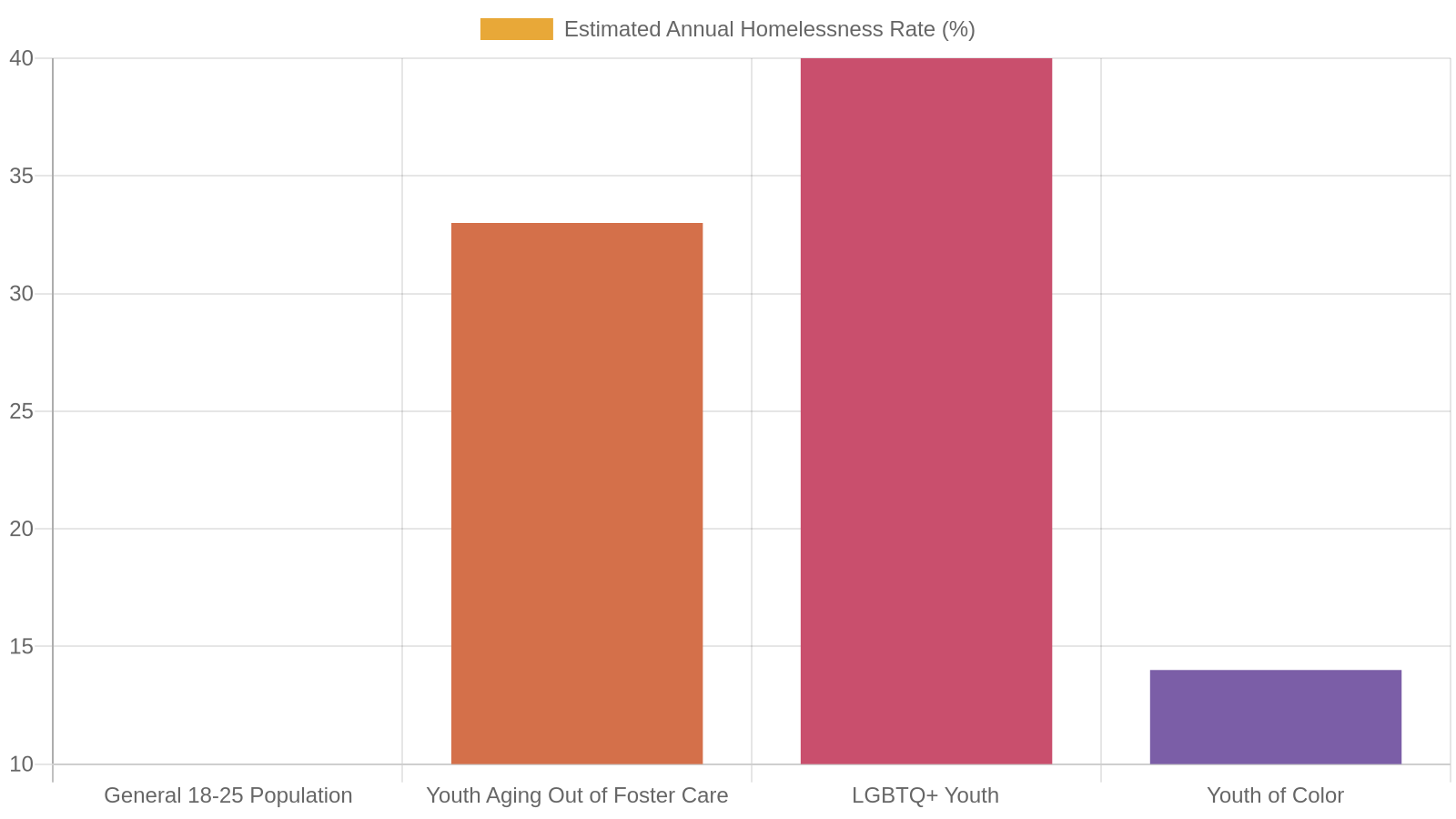
Research from Chapin Hall at the University of Chicago found that 1 in 10 young adults ages 18 to 25 in the U.S. experienced some form of homelessness in a single year — and that rate is nearly 1 in 3 for young adults who have aged out of foster care. In rural and semi-rural areas like much of West Tennessee, isolation compounds the problem: there are fewer drop-in centers, fewer youth-specific shelters, and fewer transportation options to reach services.
Why West Tennessee's Rural Geography Creates Unique Barriers
West Tennessee’s geography — spread-out towns, limited public transit, and long distances between counties — creates barriers that urban CoC regions don’t face in the same way. A young adult in rural Haywood or Crockett County may be hours from the nearest youth shelter in Jackson. Without a car or bus route, a referral to a service is nearly meaningless.
This is exactly why peer-to-peer outreach matters so much in the TN-507 region. YAAB members who live in the community can reach peers that formal outreach workers never encounter. They know which gas stations people hang out at, which churches leave their doors open, and which group chats are where people ask for help. That local, trusted knowledge is irreplaceable — and it’s what makes the West Tennessee YAAB chapter so valuable to the CoC.
How the TN-507 YAAB Shapes Policy and Programs

Advocacy isn’t just showing up and talking — it’s strategic, sustained, and system-level. The TN-507 YAAB engages with the West Tennessee CoC in ways that directly influence which programs get funded, how outreach is designed, and what policies get recommended to state and federal partners. Here’s how that work actually happens.
Advising the CoC: A Seat at the Table
One of the most concrete things a YAAB chapter does is participate in CoC planning meetings. These are the gatherings where service providers, housing authorities, government agencies, and funders decide how HUD dollars get allocated, which programs get renewed, and what gaps need to be filled. Historically, young people with lived experience were rarely in the room for these conversations — decisions were made about them, not with them.
YAAB changes that. TN-507 YAAB members attend CoC meetings as official participants, not observers. They bring youth-centered data, personal testimony, and peer-gathered insight that professional service providers simply cannot replicate. When a CoC is deciding whether to fund a new rapid rehousing program or a drop-in center, a YAAB member’s voice can be the difference between a program that works for young people and one that doesn’t.
Driving Advocacy Beyond the CoC
The TN-507 YAAB’s influence extends beyond local CoC meetings. YAAB Tennessee connects its regional chapters to state-level advocacy, including engagement with the Tennessee Interagency Council on Homelessness, the state legislature, and federal partners. Members have opportunities to testify at public hearings, participate in advocacy days in Nashville, and contribute to statewide policy reports that shape how Tennessee addresses youth homelessness.
This kind of multi-level advocacy — from the Jackson CoC table all the way to Capitol Hill — is what makes YAAB membership genuinely powerful. You’re not just sharing your story; you’re using it to change systems. Explore YAAB Tennessee’s advocacy work to see the campaigns and policy priorities members are driving right now.
Resources Available to Youth in the TN-507 Region

Knowing what resources exist in West Tennessee — and how to actually access them — is half the battle. The TN-507 CoC coordinates a range of programs for transition-age youth, from emergency shelter to long-term housing, and from GED pathways to job training. Here’s a practical overview of what’s out there.
Emergency Shelter and Housing Programs
West Tennessee’s TN-507 CoC coordinates several types of housing interventions for young adults. Emergency shelter provides immediate, short-term safety — typically 30 to 90 days — while a longer-term plan is developed. Transitional housing programs offer a step up: stable housing for up to 24 months, paired with case management and life skills support. Rapid rehousing is a HUD-preferred model that moves young people quickly into their own apartment or rental unit with short-term financial assistance and rental support.
Availability of these programs in the TN-507 region varies by county and changes as funding cycles shift. The best way to find out what’s currently available near you is to connect with the local YAAB or a CoC-partnered case manager who knows the current program landscape.
Education, Employment, and Financial Literacy Supports
Housing is the foundation, but it’s not the whole picture. Young adults in West Tennessee can also access supports through the CoC ecosystem for GED and high school equivalency programs, workforce development through Tennessee’s American Job Centers, and financial literacy coaching through nonprofit partners. Programs like Tennessee Reconnect offer tuition-free community college pathways for adults without a degree — a significant opportunity for young adults who had their education disrupted by housing instability.
YAAB members often serve as peer navigators, helping other young people understand what’s available and how to access it — cutting through the paperwork and confusion that can make systems feel impossible to navigate alone. Check the YAAB Tennessee resources page for an updated list of statewide and regional supports.
Comparing Tennessee's CoC Regions: How TN-507 Fits the Statewide Picture

Tennessee’s CoC system isn’t one-size-fits-all. Each of the nine regions has different resources, different challenges, and a different relationship with its local YAAB. Seeing how TN-507 compares helps you understand both the gaps and the opportunities in West Tennessee.
Tennessee's Nine CoC Regions at a Glance
Tennessee’s nine Continuum of Care regions each have their own local YAAB chapter, their own CoC lead agency, and their own mix of urban and rural communities. The largest CoCs by population — Memphis/Shelby County (TN-500) and Nashville/Davidson County (TN-502) — tend to have more shelter beds and more service providers, but they also have higher concentrations of youth experiencing homelessness. Smaller or more rural CoCs like TN-507 (West Tennessee) and TN-509 (Northeast Tennessee) face different challenges: fewer resources but also tighter community networks and stronger peer-to-peer trust.
Understanding where TN-507 sits in this landscape helps YAAB members make the case for equitable resource distribution — arguing that rural youth deserve the same quality of support as those in major metro areas.
What Makes TN-507 Distinct Among Tennessee CoCs
TN-507 is one of Tennessee’s most geographically expansive CoC regions, covering a large footprint of West Tennessee counties anchored by Jackson in Madison County. Unlike Memphis (TN-500) to the west or Nashville (TN-502) to the east, TN-507 does not have a single large urban center driving its service infrastructure. This means the CoC must be more creative and community-rooted in its approach — which is exactly the kind of environment where YAAB peer leadership thrives.
The TN-507 YAAB chapter has an opportunity to model what rural and semi-rural youth advocacy looks like for the rest of the state. Innovations developed here — mobile outreach, peer navigator models, community-based drop-in hours — can be replicated in other rural CoC regions across Tennessee.
What It Means to Be a YAAB Member: Roles, Rights, and Real Impact

Joining the TN-507 YAAB isn’t just about giving back — it’s about building your own future at the same time. Members gain real skills, real connections, and real influence over the systems that shape young people’s lives in West Tennessee. Here’s what membership actually looks like in practice.
What YAAB Members Actually Do Day-to-Day
YAAB membership isn’t a passive experience. Members in the TN-507 chapter engage in a range of activities depending on their availability and interests. These include attending CoC planning meetings and subcommittee sessions, participating in statewide YAAB convenings (often held virtually or in Nashville), conducting peer outreach in their communities, contributing to policy briefs and reports, and mentoring newer members. Some members take on formal leadership roles within their local chapter or the statewide YAAB network.
Time commitments vary. Some members are deeply involved — attending multiple meetings per month and leading advocacy campaigns. Others participate more occasionally, showing up when they can and contributing their perspective without a rigid schedule. YAAB is designed to meet young people where they are, not to add stress to already-complicated lives.
Stipends, Recognition, and What You Gain
YAAB membership is not unpaid labor dressed up as volunteerism. Many YAAB activities include stipends or honoraria for members’ time, recognizing that lived-experience expertise has real value. Specific compensation structures vary by chapter and funding cycle — the TN-507 chapter can provide current details directly. Beyond stipends, members gain leadership skills, professional connections, public speaking experience, and a network of peers across Tennessee who understand what they’ve been through.
For young adults building a resume or exploring careers in social work, policy, housing advocacy, or community organizing, YAAB membership is a meaningful credential. It demonstrates initiative, civic engagement, and the ability to translate personal experience into systemic change — qualities that employers and educational programs value.
Tennessee CoC Regions and Local YAAB Chapters at a Glance
Tennessee's nine Continuum of Care regions each have distinct geographic coverage, a CoC anchor city, and a local YAAB chapter. Use this table to find your region and understand how TN-507 West Tennessee fits into the statewide picture.
Aging Out of Foster Care in West Tennessee: A Specific Challenge

Aging out of foster care is one of the most common pathways into youth homelessness — and one of the most preventable, when the right supports are in place. In West Tennessee, the TN-507 YAAB is a key voice pushing for better transitions and stronger protections for young adults leaving the foster care system.
The Cliff Edge at 18: What Happens When Foster Care Ends
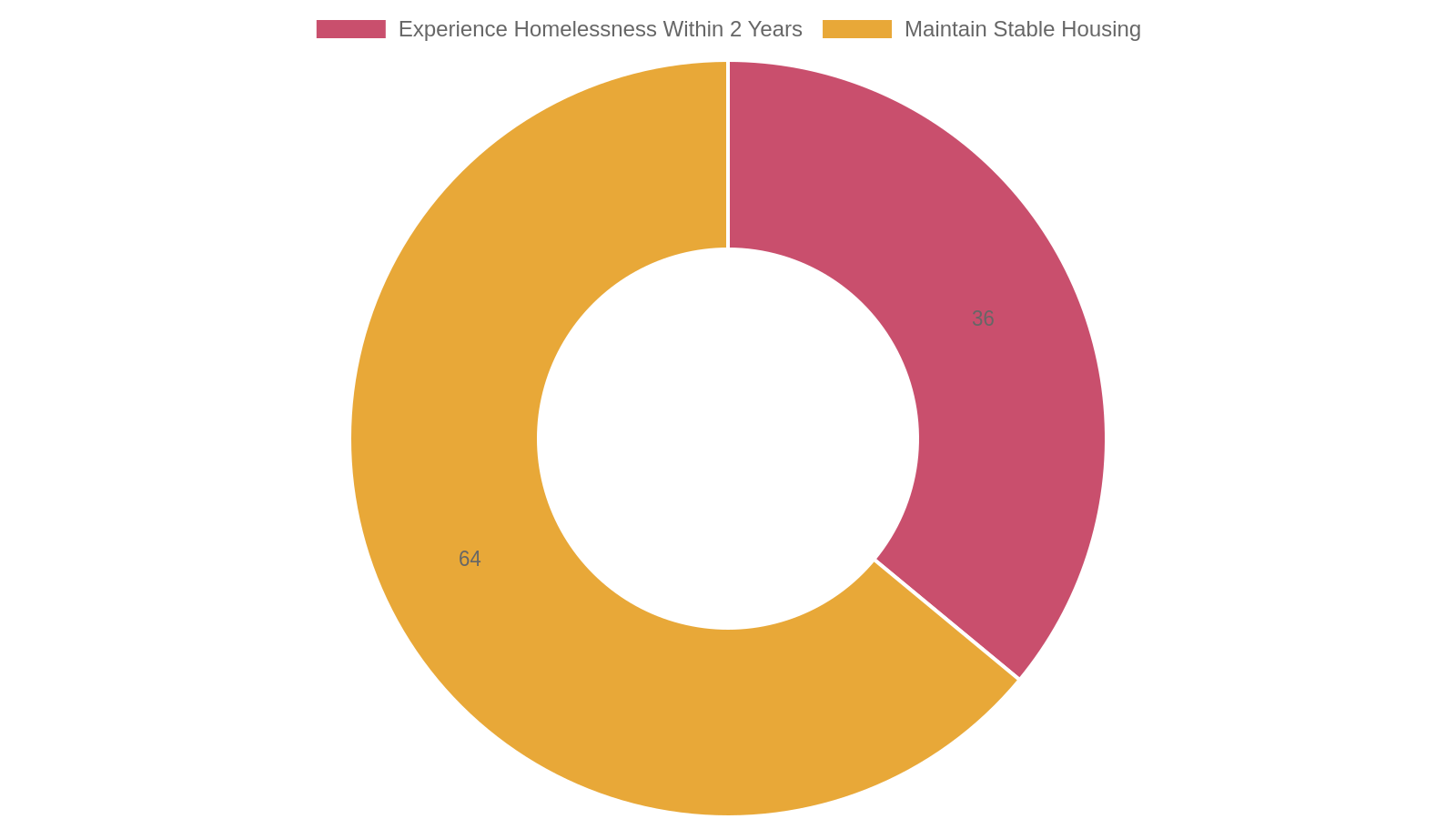
In Tennessee, young people in state custody typically age out of foster care at 18, though extended foster care support through the Tennessee Fostering Success program is available up to age 21 for those who qualify and opt in. For those who don’t — or who fall through the cracks — the transition can be sudden and destabilizing. Research consistently shows that youth who age out of foster care without stable housing or a support network are at dramatically higher risk of homelessness: up to 36% experience homelessness within two years of aging out, according to the National Foster Youth Institute.
In West Tennessee, where extended family networks may be strained and formal youth services are less concentrated than in urban areas, this transition can be especially isolating. YAAB members who have aged out of foster care bring firsthand knowledge of this experience to CoC planning conversations — advocating for better transition planning, extended support, and youth-friendly housing programs.
Programs and Protections for Foster Care Alumni
Tennessee offers several supports specifically for young adults who have aged out of foster care. Tennessee Fostering Success provides extended support services through age 21. The Education and Training Voucher (ETV) program offers up to $5,000 per year in postsecondary education funding for eligible foster care alumni. Chafee Independent Living funds support life skills, housing, and employment programs for youth transitioning out of care.
Knowing these programs exist is one thing — actually accessing them is another. YAAB peer navigators in the TN-507 region can help you figure out what you qualify for and how to apply, without the bureaucratic runaround that often makes these programs feel out of reach.
Knowing Your Rights as a Young Adult Experiencing Homelessness

You have rights — even when you’re experiencing homelessness. Knowing what federal and Tennessee law says about your situation can help you push back when systems fail you, access services you’re entitled to, and advocate for yourself and your peers. Here’s what every young adult in West Tennessee should know.
Federal Protections: McKinney-Vento and HEARTH Act
Two federal laws are especially important for young adults experiencing homelessness. The McKinney-Vento Homeless Assistance Act guarantees the right to immediate school enrollment for students experiencing homelessness — including those who are couch-surfing or staying in motels. If you are under 22 and trying to finish high school or a GED, your school district is legally required to provide transportation, enrollment assistance, and a school liaison to support you.
The HEARTH Act updated the federal definition of homelessness to include more situations — including doubled-up housing that is temporary and not your own — and directed CoC programs to prioritize youth-specific interventions. Understanding these laws means you can advocate for yourself when agencies tell you that you don’t qualify for help.
Tennessee-Specific Rights and Protections
In Tennessee, young adults ages 18 and older have full legal capacity to enter into contracts, sign leases, and access healthcare without parental consent. If you are 17 and legally emancipated, the same applies. This matters because some landlords or service providers may incorrectly tell young adults they can’t sign a lease or access services without a parent — that is not accurate for adults 18 and over.
Tennessee also has a Homeless Bill of Rights framework that advocates have pushed for at the local level, protecting the dignity and civil rights of people experiencing homelessness in public spaces. YAAB members in the TN-507 region are part of the statewide conversation about strengthening these protections. To learn more about the issues YAAB is working on, visit YAAB Tennessee’s youth homelessness resource hub.
How YAAB Connects to Other Tennessee CoC Chapters

West Tennessee’s TN-507 YAAB is one piece of a much larger statewide picture. Understanding how the chapters connect — and how they support each other — helps you see the full scope of what YAAB Tennessee is building across the state.
The Statewide YAAB Network: Stronger Together
The TN-507 YAAB doesn’t operate in isolation. It’s part of a statewide network of nine local YAAB chapters, each embedded in its own CoC region. These chapters share strategies, resources, and advocacy priorities through the statewide YAAB structure. When a chapter in Memphis (TN-500) develops an effective peer outreach model, that knowledge can be adapted and adopted by the West Tennessee chapter. When TN-507 members identify a policy gap specific to rural youth, they can bring that issue to the statewide table and build a coalition across regions.
This network model is one of YAAB Tennessee’s greatest strengths. Young people across the state — from Chattanooga to Knoxville to Jackson — are working on the same fundamental issues with the same peer-powered approach, and they can support each other across geographic lines.
Finding Your Regional Chapter Across Tennessee
If you’re not in the West Tennessee TN-507 region, there’s still a YAAB chapter for you. Tennessee’s nine CoC regions each have a local chapter: TN-500 (Memphis/Shelby), TN-501 (Nashville area), TN-502 (Nashville/Davidson), TN-503 (Knoxville/Knox), TN-504 (Chattanooga/Hamilton), TN-506 (Upper Cumberland), TN-507 (West Tennessee/Jackson), TN-509 (Northeast Tennessee), and more. Each chapter is designed for the young adults in that specific region.
You can find all local YAAB chapters and their contact information at the YAAB Tennessee local chapters directory — a good starting point if you’re not sure which region you fall under or if you’ve recently moved.
Ready to Get Involved? Your Next Step With the West Tennessee YAAB

Everything in this article points toward one practical question: what do you do next? Whether you’re looking for support, looking to give back, or both — the West Tennessee YAAB is the place to start. Here’s exactly how to take that first step.
How to Join or Connect With TN-507
Getting connected with the TN-507 West Tennessee YAAB is straightforward. You don’t need to have everything figured out, have a polished story, or be in a stable situation before you reach out. YAAB is designed for young adults in all kinds of circumstances — whether you’re currently experiencing housing instability, recently housed, or have been stable for a while and want to use your experience to help others.
The best first step is to visit the TN-507 West Tennessee YAAB chapter page to find current contact information, upcoming meeting dates, and details about how the chapter operates. From there, you can reach out directly to introduce yourself and ask questions — no formal application required to start a conversation.
What to Expect When You First Get Involved
Your first interaction with the TN-507 YAAB will likely be a conversation — a meeting, a call, or a message — where you can learn more about what the chapter is working on and share a bit about yourself. There’s no pressure to commit to anything immediately. Many members start by attending one meeting or event to get a feel for the group before deciding how they want to engage.
Over time, as you get more comfortable, you may take on more active roles — attending CoC meetings, leading peer outreach, contributing to advocacy campaigns, or mentoring newer members. YAAB grows with you. Whether you’re in Jackson, Humboldt, Dyersburg, or anywhere else in West Tennessee, there’s a place for you in this community. Your experience matters, your voice matters, and the TN-507 YAAB is ready to support you in using both.
Frequently Asked Questions
What is the Youth Action Board in West Tennessee?
The Youth Action Board (YAAB) in West Tennessee is the TN-507 local chapter of YAAB Tennessee — a peer-led network of young adults ages 17 to 25 with lived experience of homelessness or housing instability. Members advise the West Tennessee Continuum of Care, advocate for youth-friendly policies, and connect peers to housing and support resources in the Jackson area and surrounding counties.
Who can join the West Tennessee YAAB?
Any young adult between ages 17 and 25 who lives in West Tennessee and has experienced homelessness or housing instability — including couch-surfing, staying in unsafe situations, or aging out of foster care — is eligible to join. You don't need to currently be homeless or have a formal referral. Your lived experience is the qualification.
What is the TN-507 Continuum of Care?
TN-507 is the HUD-designated Continuum of Care region covering West Tennessee, anchored by Jackson in Madison County. It coordinates homeless services — including emergency shelter, transitional housing, and rapid rehousing — across a large footprint of rural and semi-rural West Tennessee counties.
Do YAAB members get paid for their time?
Many YAAB activities include stipends or honoraria to compensate members for their time and expertise. Specific amounts vary by chapter and funding cycle. Contact the TN-507 YAAB chapter directly for current details about compensation for member participation.
What resources are available for homeless youth in West Tennessee?
West Tennessee youth experiencing homelessness can access emergency shelter, transitional housing, and rapid rehousing programs through the TN-507 CoC. Additional supports include GED programs, Tennessee Reconnect tuition-free community college, American Job Center workforce services, and — for foster care alumni — Education and Training Vouchers (ETVs) worth up to $5,000 per year.
How is YAAB different from a homeless shelter or case management program?
YAAB is a peer-led advocacy and leadership organization, not a shelter or case management service. YAAB members are young adults who use their lived experience to shape policies and programs — they sit at CoC planning tables, advise service providers, and advocate for systemic change. YAAB can also help connect peers to services, but its primary role is advocacy and youth leadership, not direct service delivery.