Quick answer: Youth advisory boards — especially the Youth Action Board (YAAB) of Tennessee — give young adults ages 17 to 25 with lived experience of homelessness a real seat at the table in Nashville and Davidson County. YAAB members review housing policies, advise Continuum of Care leaders, and help design the programs that serve transition-age youth. If you've experienced housing instability in Nashville, your voice has power here — and this article breaks down exactly how that works and how to plug in.
What a Lived-Experience Youth Advisory Board Actually Is

Before diving into how youth advisory boards shape Nashville’s housing programs, it helps to understand what these boards actually are — and why they’re different from a typical community meeting or survey. A lot of systems say they want youth input. Fewer actually structure that input so it changes outcomes. Here’s what makes a genuine lived-experience board different.
More Than a Focus Group
A lived-experience advisory board isn’t a photo op or a checkbox. It’s a structured body where young people who have actually navigated homelessness, foster care, or housing instability hold real decision-making influence over the systems that affect their lives. Members review program data, give feedback on shelter policies, co-design outreach materials, and sometimes vote on funding priorities alongside adult professionals.
In Tennessee’s Continuum of Care system, these boards are called Youth Action Boards (YAABs). They operate in every major region of the state, including Nashville/Davidson County, and they’re built around one core belief: the people closest to the problem are closest to the solution.
Why 'Lived Experience' Is a Credential, Not a Limitation
The phrase lived experience means you’ve been there — you know what it feels like to couch-surf, age out of foster care with nowhere to go, or navigate a shelter intake process at 2 a.m. That knowledge is irreplaceable. Research from the U.S. Interagency Council on Homelessness consistently shows that programs co-designed with people who have experienced homelessness produce better outcomes and higher engagement rates than programs designed without that input.
- Peer credibility: Other young people trust advice from someone who’s been in their shoes.
- System knowledge: YAAB members spot gaps that case managers and administrators often miss.
- Accountability: Having youth at the table keeps adult-run agencies honest about whether services actually work.
1. How YAAB Tennessee Operates in Nashville/Davidson County

YAAB Tennessee isn’t one monolithic organization — it’s a network of regional boards, each embedded in a specific Continuum of Care area. Understanding how the Nashville chapter fits into that structure helps you see exactly where your voice lands when you participate.
The TN-502 Continuum of Care Region
Nashville and Davidson County fall under Tennessee’s TN-502 Continuum of Care (CoC) region, which is administered by the Metro Nashville Homelessness Planning Council. The CoC coordinates federal HUD funding, shelter bed allocation, rapid rehousing dollars, and permanent supportive housing placements for the entire county. YAAB Tennessee’s Nashville chapter plugs directly into this structure, meaning youth advisors have access to the same policy conversations that determine where millions of dollars in housing resources go each year.
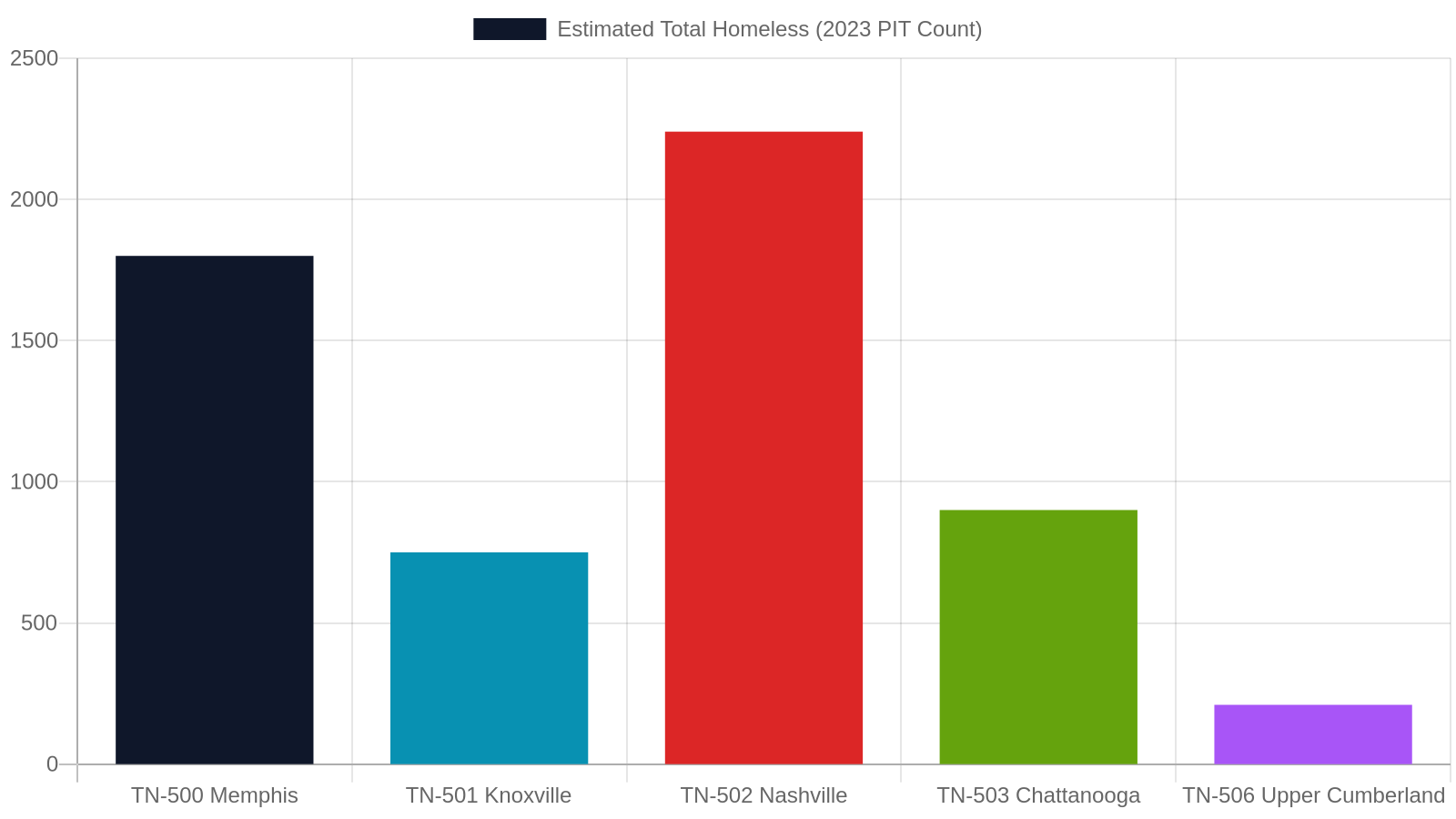
TN-502 serves a county where, according to the 2023 Point-in-Time Count, more than 2,200 individuals experienced homelessness on a single January night — and transition-age youth (ages 18–24) represented a significant and often undercounted share of that population.
Who Can Join the Nashville YAAB
Membership is open to young adults ages 17 to 25 who have personal experience with homelessness or housing instability in Tennessee. You don’t need a diploma, a job, or a permanent address to join. You need your story and the willingness to show up. Nashville YAAB members meet regularly, receive stipends for their time, and get access to leadership training, professional development workshops, and a statewide network of peers doing the same work in Memphis, Knoxville, Chattanooga, and beyond.
- No experience in advocacy required — training is provided.
- Members can participate even while still experiencing instability.
- Stipends recognize that your time and expertise have real value.
2. The 7 Ways YAAB Members Shape Davidson County Housing Programs

The influence of a lived-experience advisory board isn’t abstract — it shows up in specific, concrete changes to how programs are designed and funded. Here are the seven primary ways YAAB members in Nashville actively shape Davidson County’s housing ecosystem for transition-age youth.
1. Reviewing and Redesigning Intake Processes
Shelter and housing program intake forms are often designed by administrators who have never had to fill one out at a crisis moment. YAAB members in Nashville have flagged intake questions that were confusing, stigmatizing, or unnecessary — and worked with CoC partners to simplify them. Shorter, clearer intake processes mean more young people actually complete them and access services instead of walking away.
2. Advising on Rapid Rehousing and Emergency Shelter Priorities
Rapid rehousing programs provide short-term rental assistance and case management to move people out of homelessness quickly. YAAB advisors weigh in on eligibility criteria, rental assistance amounts, and how long support lasts. In Davidson County, youth advisors have advocated for longer subsidy periods — recognizing that 3 months of rental help often isn’t enough for a 19-year-old building credit and employment history from scratch.
3. Shaping Youth-Specific Permanent Supportive Housing
Permanent supportive housing (PSH) pairs long-term affordable housing with wraparound services like mental health care, employment support, and life-skills coaching. YAAB members help CoC planners understand what young adults actually need in a PSH unit — privacy, internet access, proximity to transit, and staff who don’t treat residents like children. Their feedback has directly influenced site selection and service design for youth-targeted PSH developments in the Nashville area.
3. The Four Remaining Ways YAAB Drives Change (Continued)
The first three mechanisms above focused on direct program design. These final four show how YAAB’s influence extends into federal planning cycles, workforce culture, peer networks, and state-level legislation — making the board’s reach far broader than any single housing program.
4. Participating in HUD Consolidated Plan Input
Every five years, Metro Nashville submits a Consolidated Plan to HUD that determines how the city spends its federal Community Development Block Grant (CDBG) and HOME Investment Partnership funds — money that pays for affordable housing construction, rehabilitation, and rental assistance. YAAB members participate in public comment periods and community forums that feed into this plan, ensuring that transition-age youth housing needs are documented and prioritized rather than lumped into general adult homelessness categories.
5. Training Service Providers on Youth-Centered Approaches
YAAB members don’t just advise from the outside — they train the people inside the system. Nashville YAAB participants have co-facilitated workshops for case managers, shelter staff, and CoC partners on topics like trauma-informed communication, why punitive shelter rules backfire with young adults, and how to build trust with youth who have been failed by institutions before. This peer-to-professional training shifts culture, not just policy.
6. Connecting Peers to Resources Directly
One of the most immediate ways YAAB members create impact is peer-to-peer outreach. When a young person in Nashville doesn’t trust a flyer from a nonprofit, they might trust a friend who’s been through the same thing. YAAB members share information about emergency shelter openings, rapid rehousing applications, and supportive services through their own networks — reaching young people that formal outreach often misses. This street-level connection work is hard to quantify but enormously valuable.
7. Advocating at the State Capitol
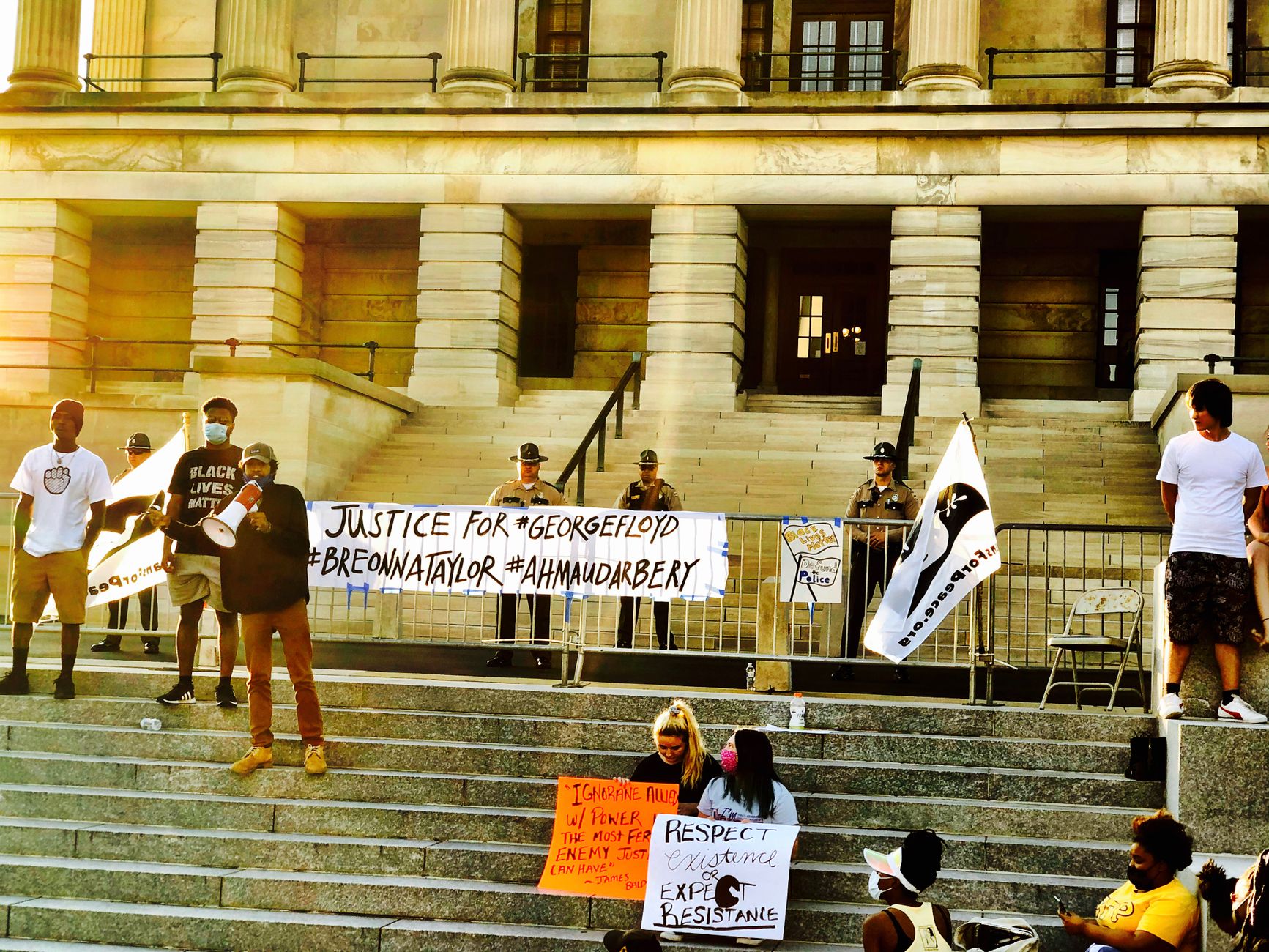
Nashville’s proximity to the Tennessee State Capitol means Davidson County YAAB members have a shorter trip to legislative hearings than their peers in other regions. YAAB members have testified before state committees on issues including foster care aging-out policies, the legal definition of youth homelessness, and funding for Homeless Youth Act programs. Their testimony puts a human face on data that legislators might otherwise treat as abstract numbers.
Nashville's Housing Landscape for Transition-Age Youth: Key Numbers

To understand why youth advisory boards matter in Nashville, you need to see the scale of the challenge they’re working against. These numbers aren’t meant to be discouraging — they’re meant to show why organized, strategic youth voice is so necessary in Davidson County’s housing ecosystem.
What the Data Shows About Youth Homelessness in Davidson County
The 2023 Tennessee Point-in-Time (PIT) Count recorded approximately 2,240 people experiencing homelessness in the TN-502 (Nashville/Davidson) CoC on the night of January 25, 2023. Of those, an estimated 18–22% were transition-age youth between 18 and 24 — roughly 400 to 490 individuals on a single night. Because PIT counts are snapshots and many youth avoid shelter systems entirely, researchers estimate the true annual number of youth experiencing homelessness in Davidson County is 3 to 5 times higher than the single-night count.
Key contributing factors in Nashville include: rising rents (median 1-bedroom rent in Nashville exceeded $1,450/month in 2023, a 40% increase from 2019), limited youth-specific shelter beds, and a significant population of young adults aging out of Tennessee’s foster care system without stable housing plans.
How Nashville Compares to Other Tennessee CoC Regions
Nashville’s CoC is the largest in Tennessee by total population served, but it isn’t the only one grappling with youth homelessness. Memphis/Shelby County (TN-500), Knoxville/Knox County (TN-501), and Chattanooga/Hamilton County (TN-503) each have their own YAAB chapters and CoC structures. Nashville tends to have more total resources but also more competition for those resources — which is exactly why having organized youth advisors at the table matters so much in the TN-502 region.
Major Nashville Housing Programs Where Youth Voice Has Made a Difference

Nashville has a range of housing programs funded through HUD, the Tennessee Housing Development Agency (THDA), and local government — but not all of them are youth-centered by default. Here’s where lived-experience advisory input has made a measurable difference in how specific program types operate in Davidson County.
Rapid Rehousing Programs in Davidson County
Nashville’s CoC funds several rapid rehousing (RRH) programs specifically for transition-age youth, including programs operated through organizations like Oasis Center and other local nonprofits. These programs provide short-term rental subsidies (typically 3 to 12 months), security deposit assistance, and case management. Youth advisors have pushed for flexible eligibility criteria — for example, allowing young adults without rental history or credit scores to qualify — and for case managers who specialize in the specific challenges of the 17–25 age group rather than treating youth like small adults or large children.
Permanent Supportive Housing for Youth in Nashville
Permanent supportive housing (PSH) in Nashville targets young adults with the highest barriers: those with disabilities, chronic homelessness histories, or complex trauma. YAAB input has shaped conversations about what PSH looks like for a 20-year-old versus a 45-year-old — including the importance of peer community within housing developments, access to broadband internet for education and employment, and staff who use motivational interviewing rather than punitive compliance rules. Several Nashville-area PSH projects have incorporated youth advisory feedback into their service models.
Emergency Shelter and Low-Barrier Access
Nashville has a limited number of youth-specific emergency shelter beds. YAAB members have been vocal about the need for low-barrier shelter — meaning shelters that don’t turn away youth for having a partner, a pet, or a substance use history. They’ve also raised concerns about curfews and rules that make shelter feel more like incarceration than safety, and advocated for shelter environments where young adults feel respected rather than surveilled. This feedback has influenced shelter policy conversations at the CoC level.
What Aging Out of Foster Care Means for Nashville Youth

One of the largest pipelines into youth homelessness in Nashville — and across Tennessee — is the foster care system. Young adults aging out of foster care without stable housing plans are significantly more likely to experience homelessness within the first year of exit. YAAB members with foster care experience are uniquely positioned to address this issue from the inside out.
The Cliff at 18 (and Why Tennessee Extended It)
In Tennessee, young people in foster care historically aged out of the system at 18 — meaning state support ended abruptly at their birthday. Tennessee’s Extended Foster Care program now allows youth to remain in care voluntarily until age 21, accessing housing support, educational assistance, and case management. Despite this, many young adults either don’t know about the extension or choose not to stay in a system that hasn’t always treated them well. YAAB members who have aged out of foster care bring firsthand knowledge of these gaps to policy conversations in Nashville and statewide.
Pathways from Foster Care to Stable Housing in Davidson County
For youth transitioning out of foster care in Davidson County, several pathways exist — but navigating them requires knowing they exist. Key resources include: Transitional Living Programs (TLPs) that provide 18–24 months of supervised housing with life-skills support; Rapid Rehousing for those who have already exited and are unstably housed; and Scattered-site PSH for those with the highest barriers. YAAB members help map these pathways for their peers and advocate for better coordination between the Tennessee Department of Children’s Services (DCS) and the Nashville CoC so young people don’t fall through the gap between the two systems.
How Youth Advocacy Translates Into Real Policy Wins

Advocacy isn’t just about showing up to meetings and hoping someone listens. When it’s organized and strategic, it produces concrete policy changes — new laws, new funding categories, new rules about who gets served and how. Here are two examples of how youth advocacy in Tennessee has translated into real wins that affect Nashville young adults directly.
Tennessee's Homeless Youth Act and What It Means for You
Tennessee’s Homeless Youth Act (TCA § 37-5-106) gives homeless youth ages 17 and older the legal right to consent to certain services — including shelter, medical care, and mental health treatment — without parental permission. This is a critical protection for young people who are fleeing unsafe home situations. YAAB members have been part of advocacy efforts to ensure service providers across Nashville actually know and apply this law, rather than turning away youth because they’re under 18 and don’t have a parent present.
CoC Governance and Youth Set-Asides
At the federal level, HUD’s CoC Program regulations require that Continuums prioritize youth in their funding applications and demonstrate community input from youth with lived experience. YAAB’s presence in Nashville’s TN-502 CoC governance structure helps the CoC meet this requirement — but more importantly, it ensures that youth priorities aren’t just checked off on a form. Members push for dedicated youth set-aside funding within CoC grant applications, so a portion of Nashville’s federal homelessness dollars is specifically reserved for programs serving transition-age youth rather than being absorbed into general adult programming.
Nashville Housing Program Types: A Side-by-Side Comparison for Transition-Age Youth
Not all housing programs work the same way or serve the same needs. Here's how the main program types available in Davidson County compare for young adults ages 17–25.
Beyond Housing: Education, Employment, and Mental Health Connections

Housing is the foundation, but it’s not the whole building. YAAB’s work in Nashville extends into the interconnected systems that determine whether a young person can stay housed long-term: education, employment, and mental health. These aren’t separate issues — they’re the same issue viewed from different angles.
Education Pathways for Housing-Unstable Youth in Nashville
Stable housing and education are deeply linked — it’s nearly impossible to focus on school when you don’t know where you’re sleeping. Nashville’s Metro Nashville Public Schools (MNPS) has a McKinney-Vento liaison who helps students experiencing homelessness stay enrolled and access transportation. For young adults who have already left high school, GED and HiSET programs are available through Tennessee College of Applied Technology (TCAT) Nashville and Nashville State Community College, often at reduced or no cost for qualifying youth. YAAB members help connect peers to these pathways and advocate for removing administrative barriers that make enrollment difficult for housing-unstable students.
Employment and Financial Stability Resources
Getting housed is step one — staying housed requires income. Nashville has several workforce programs targeting transition-age youth, including YouthBuild Nashville, which combines construction skills training with a high school diploma pathway, and various AmeriCorps programs. YAAB members advocate for employment-first approaches that don’t require young people to have stable housing before accessing job training — recognizing that the two goals need to happen simultaneously, not sequentially. Financial literacy workshops, bank account access programs, and credit-building tools are also part of the ecosystem YAAB helps connect peers to.
Mental Health and Trauma-Informed Support
Homelessness is traumatic. So is foster care, family instability, and the constant stress of not knowing where you’ll sleep. Nashville has mental health resources through Centerstone, Vanderbilt’s community mental health programs, and the Tennessee Department of Mental Health and Substance Abuse Services — but accessing them while housing-unstable is a real barrier. YAAB members advocate for co-located mental health services within housing programs so young people don’t have to navigate a separate system to get support. They also push for trauma-informed training for all staff who work with transition-age youth, so that help actually feels like help.
How to Get Involved with YAAB in Nashville and Across Tennessee

Reading about what YAAB does is one thing. Becoming part of it is another. If you’re a young adult ages 17 to 25 in Tennessee — whether you’re currently experiencing housing instability or you’ve been through it before — your experience is exactly what makes YAAB powerful. Here’s what getting involved actually looks like.
What Membership Looks Like Day to Day
Joining YAAB isn’t a full-time job — it’s designed to fit into the real, complicated lives of young adults who may be working, in school, or still navigating their own housing situation. Members typically attend monthly or bi-monthly meetings (in-person or virtual), participate in advocacy events when they’re available, and contribute to specific projects based on their interests and capacity. There’s no single path — some members focus on peer outreach, others on policy work, others on training service providers. You bring what you have, and you build from there.
Stipends are provided for participation, recognizing that your time and expertise have economic value. Leadership development, resume-building, and professional references are additional benefits that many YAAB alumni credit as turning points in their own stability journeys.
Finding Your Regional YAAB
YAAB Tennessee operates across multiple Continuum of Care regions. If you’re in Nashville or Davidson County, you’re in the TN-502 region. Other regions include Memphis/Shelby (TN-500), Knoxville/Knox (TN-501), Chattanooga/Hamilton (TN-503), and several others across the state. Each regional YAAB has its own meeting schedule and contact points, but all are connected through the statewide YAAB network. You can explore all regional chapters and find the one closest to you through the YAAB Tennessee local chapters page.
Resources for Young Adults in Nashville Right Now
Advocacy and policy work matter enormously — but if you need help right now, you don’t have to wait for a policy to change. Nashville has real resources available for transition-age youth today, and YAAB members are part of the network that helps connect peers to them.
Emergency and Short-Term Housing Options
If you need housing help in Nashville tonight or this week, here are key starting points:
- 2-1-1 Tennessee: Call or text 211 to reach a navigator who can connect you to shelter, food, and services in Davidson County.
- Oasis Center: Nashville’s primary youth-serving organization, offering shelter, drop-in services, and housing case management for youth up to age 24.
- Room in the Inn: Emergency shelter network active during cold months across Nashville congregations.
- Metro Social Services: Davidson County’s local government safety net, including emergency rental assistance programs.
Remember: under Tennessee’s Homeless Youth Act, if you’re 17 or older, you have the legal right to access shelter and many services without parental consent.
Online Resources and YAAB's Own Resource Hub
YAAB Tennessee maintains a curated list of housing, education, employment, and mental health resources specifically for transition-age youth across the state. You can browse the YAAB Tennessee resources page to find programs organized by need and region. For a deeper understanding of why youth homelessness happens and what the system looks like from the inside, the understanding youth homelessness section of the YAAB site is a clear, non-stigmatizing explainer written with young people in mind.
Ready to Join the Movement? Your Next Step Starts Here

You’ve read about what YAAB does, how it works in Nashville, and what’s at stake for transition-age youth in Davidson County. Now here’s the part that matters most: what you do next. Whether you’re looking for resources, ready to join, or just curious — YAAB Tennessee is a real organization run by real young people who have been where you are.
Your Story Is Your Power
Every policy that’s been changed, every shelter rule that’s been revised, every training that’s shifted how a case manager treats a young person — it started with someone deciding their experience was worth sharing. You don’t have to have it all figured out. You don’t have to be in a stable place. You just have to be willing to show up and say: I’ve been through this, and I have something to say about how it should work.
That’s what YAAB is built for. And Nashville needs your voice in that room.
Connect with the TN-502 Nashville YAAB Today
If you’re in Nashville or Davidson County and ready to get involved — or just want to learn more about what YAAB membership looks like — the best first step is connecting with the TN-502 regional chapter directly. You can find contact information, meeting details, and membership information on the YAAB Tennessee TN-504 local chapter page and explore the broader statewide network to find the chapter that serves your area. Whether you’re ready to dive into policy work or just want to show up to one meeting and see what it’s about, there’s a place for you here.
The systems that shape your life are being designed right now — in CoC meetings, in legislative hearings, in grant applications. YAAB makes sure young adults from Nashville and across Tennessee are in those rooms, not just talked about in them.
Frequently Asked Questions
What is a Youth Action Board and how does it work in Nashville?
A Youth Action Board (YAAB) is a group of young adults ages 17 to 25 with lived experience of homelessness who advise housing programs and Continuum of Care leaders. In Nashville, the YAAB operates within the TN-502 CoC region and gives youth a real voice in how housing resources are designed and distributed.
Can I join YAAB Tennessee if I'm currently experiencing homelessness?
Yes. YAAB membership is open to young adults ages 17 to 25 regardless of their current housing situation. You don't need a stable address, a diploma, or prior advocacy experience. Members receive stipends for their participation and access to leadership training.
What housing programs are available for young adults in Nashville right now?
Nashville has several options including emergency shelter through Oasis Center, rapid rehousing programs with short-term rental assistance, transitional living programs for up to 24 months, and permanent supportive housing for youth with the highest barriers. Call 2-1-1 to be connected to the right program for your situation.
What are my legal rights as a homeless youth in Tennessee?
Under Tennessee's Homeless Youth Act (TCA § 37-5-106), if you are 17 or older, you have the legal right to consent to shelter, medical care, and mental health services without parental permission. Service providers cannot legally turn you away solely because you don't have a parent or guardian present.
How does the Continuum of Care affect housing programs for youth in Davidson County?
The Continuum of Care (CoC) is the federally recognized planning body that coordinates HUD homelessness funding in a region. Nashville's TN-502 CoC determines how millions of dollars in housing resources are allocated each year. YAAB members participate in CoC governance to ensure transition-age youth needs are prioritized in those funding decisions.
What happens to youth who age out of foster care in Tennessee without stable housing?
Youth who age out of foster care without a housing plan are at significantly elevated risk of homelessness. Tennessee's Extended Foster Care program allows youth to voluntarily stay in care until age 21, but many don't know about it. YAAB members advocate for better coordination between the Tennessee Department of Children's Services and local CoC housing programs to close this gap.