10 Independent Living Skills Every Young Adult Ages 17–25 Needs to Build
Quick answer: Building independent living skills between ages 17 and 25 is one of the most powerful things you can do to create lasting stability. The core skills — budgeting, cooking, finding housing, managing health, navigating employment, and advocating for yourself — don’t come with a manual, but they can absolutely be learned. This guide breaks down 10 essential skills, explains why each one matters for transition-age youth in Tennessee, and points you toward real resources so you can start building your foundation today.
Why Independent Living Skills Matter for Transition-Age Youth in Tennessee
Independent living skills are the practical, social, and financial abilities that let you take care of yourself — and eventually thrive — without relying on a program, a shelter, or another person to keep you afloat. For transition-age youth in Tennessee, building these skills isn’t just useful; it’s often the difference between cycling back into instability and achieving lasting independence.
The Gap Between 18 and Stability
Turning 18 is a legal milestone, but it doesn’t come with a rulebook. For young adults who have experienced homelessness, housing instability, or aging out of foster care, that gap between legally adult and actually stable can feel enormous. Research from the National Alliance to End Homelessness shows that youth ages 18–25 make up roughly 24% of the unhoused population on any given night in the United States — and Tennessee is no exception.
The good news: independent living skills are learnable at any point. Whether you’re 17 and still in a program, 21 and couch-surfing, or 24 and ready to level up, every skill you add to your toolkit moves you closer to the life you want.
What Tennessee's Continuum of Care Offers
Tennessee’s Continuum of Care (CoC) regions — including Memphis/Shelby, Nashville/Davidson, Knoxville/Knox, Chattanooga/Hamilton, Jackson/West TN, Upper Cumberland, and Northeast TN — each have organizations specifically focused on transition-age youth (TAY). These programs often include life-skills workshops, transitional housing, rapid rehousing, and peer mentorship. Knowing these systems exist — and how to access them — is itself an independent living skill.
The YAAB Tennessee resources page is a solid starting point for finding CoC-connected services in your region of Tennessee.
1. Budgeting: Making Every Dollar Work for You
Budgeting is the foundation every other financial skill is built on. You don’t need to be a math genius — you just need a system that tells you where your money is going before it disappears. For young adults in Tennessee working entry-level jobs or receiving benefits, a clear budget is the single most powerful tool for avoiding crisis.
The 50/30/20 Rule — Adapted for Low Income
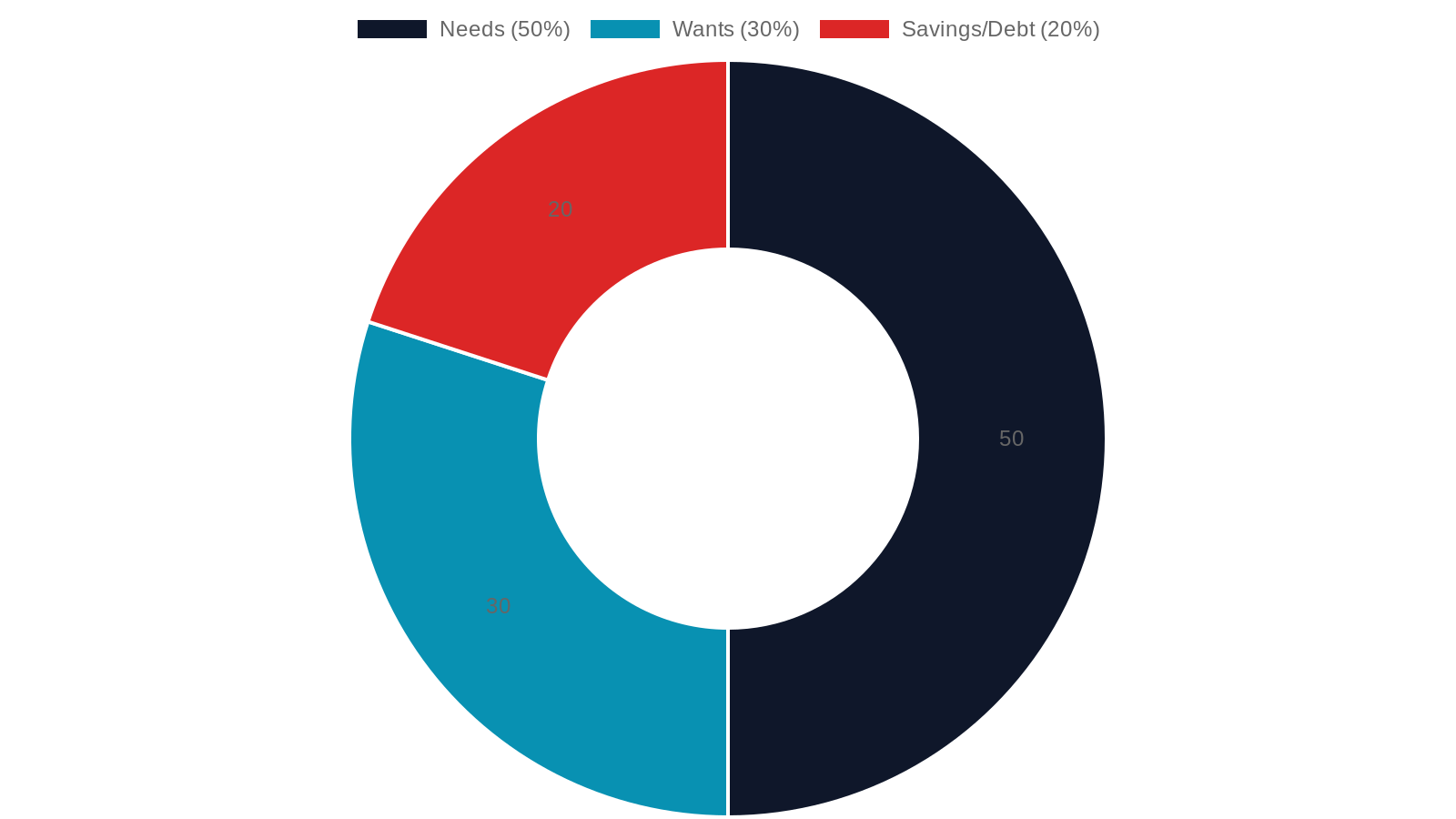
The classic 50/30/20 budget splits your take-home pay into 50% needs (rent, utilities, food), 30% wants (entertainment, clothing), and 20% savings or debt. When you’re earning minimum wage in Tennessee — currently $7.25/hour federally, though many employers pay $10–$15 — the 30% wants category may shrink significantly. That’s okay. A realistic budget is better than a perfect one you never use.
Start by writing down every dollar coming in and every dollar going out for one month. Free apps like Mint, YNAB (free for students), or even a Google Sheets template can make this visual and manageable.
Emergency Funds and Why $500 Changes Everything
Financial experts recommend a 3–6 month emergency fund, but for transition-age youth, even $500 saved dramatically reduces the risk of a single unexpected expense — a car repair, a medical bill, a security deposit — spiraling into housing loss. Set a micro-goal: save $10 per paycheck until you hit $500. Many Tennessee banks and credit unions, including Tennessee Credit Union and ORNL Federal Credit Union, offer free or low-fee accounts for young adults.
Some CoC programs in Tennessee also offer Individual Development Accounts (IDAs) — matched savings programs where your deposits are matched dollar-for-dollar up to a set amount. Ask your case manager or CoC contact if one is available in your region.
The 50/30/20 rule is a starting framework — adjust the percentages based on your actual income and local cost of living in Tennessee.
2. Finding and Keeping Housing in Tennessee
Housing is the cornerstone of stability. For transition-age youth in Tennessee, navigating the rental market — especially without a rental history, established credit, or a co-signer — can feel like a locked door. But there are real pathways in, and knowing the system is the first step to using it.
Understanding Leases Before You Sign
A lease is a legal contract — and breaking it can cost you hundreds of dollars and damage your rental history. Before signing, read every page and look for: lease length (month-to-month vs. 12-month), security deposit amount (typically 1–2 months’ rent in Tennessee), pet policies, early termination fees, and who pays which utilities. Tennessee law (TCA § 66-28) gives tenants specific rights around habitability and repairs — knowing these protects you.
If something in the lease looks wrong or confusing, organizations like Legal Aid Society of Middle Tennessee and Memphis Area Legal Services offer free tenant counseling for low-income young adults.
Rental History and Tenant Screening
Many landlords run a tenant screening that checks your credit score, eviction history, and criminal background. If you have no credit history or a past eviction, you’re not out of options. Strategies that work: offer a larger security deposit, get a co-signer, apply through a transitional housing program that has landlord partnerships, or look for private landlords (rather than large property management companies) who may be more flexible.
Programs like Rapid Rehousing and Permanent Supportive Housing through Tennessee’s CoC regions specifically help young adults with barriers to traditional renting. Your local CoC coordinated entry point is the best place to start.
Knowing Your Rights as a Tennessee Renter
Tennessee’s Uniform Residential Landlord and Tenant Act (URLTA) applies in counties with populations over 75,000 — which includes Shelby, Davidson, Knox, and Hamilton counties. Under URLTA, your landlord must: maintain habitable conditions, give 24-hour notice before entering (except emergencies), and return your security deposit within 30 days of move-out. If you live in a smaller county, common-law tenant protections still apply. Document everything in writing — texts and emails count.
3. Cooking and Nutrition on a Tight Budget
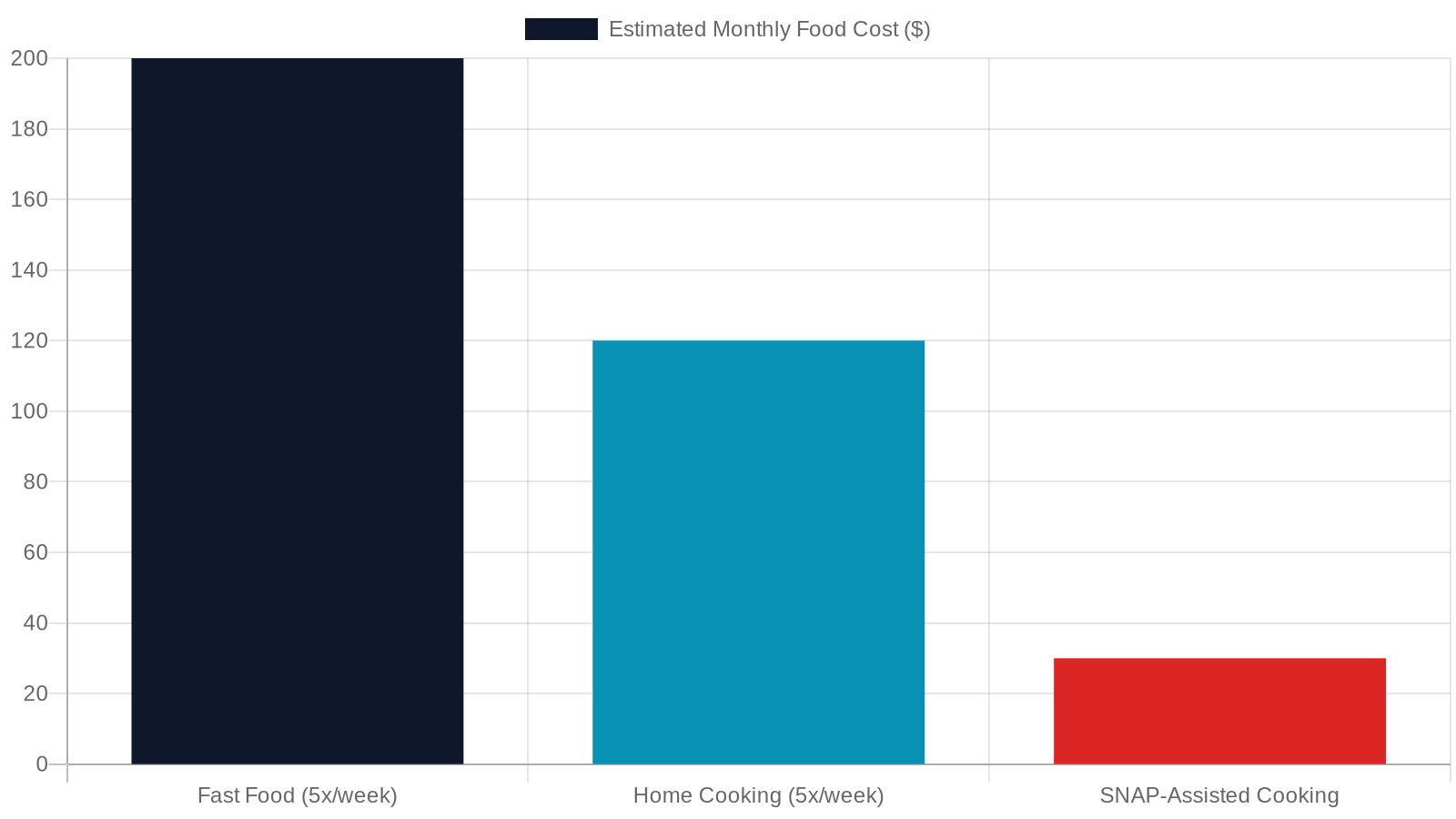
Food is fuel, and knowing how to feed yourself consistently is a genuine life skill. When money is tight, fast food feels easier — but a $10 fast food habit five days a week adds up to $200/month, while a week of home-cooked meals can cost under $30. Learning even a handful of simple recipes can free up significant cash for rent, savings, or other needs.
Five Meals Anyone Can Learn in a Week
You don’t need culinary school — you need five reliable meals. Start with: scrambled eggs and rice, pasta with canned tomatoes, bean and cheese burritos, stir-fried vegetables with ramen, and oatmeal with peanut butter. These five meals cost under $25/week in most Tennessee grocery stores and provide solid protein, carbohydrates, and calories. YouTube channels like Joshua Weissman’s Budget Eats or Ethan Chlebowski break down exactly how to make cheap food taste good.
SNAP, Food Banks, and Tennessee Resources
If you’re between 18–25 and have low or no income, you may qualify for SNAP benefits (food stamps) in Tennessee. As of 2024, a single adult can receive up to $291/month in SNAP benefits. Apply through the Tennessee Department of Human Services (TDHS) online portal or at a local DHS office. Processing typically takes 7–30 days.
Food banks are also a no-shame resource. Second Harvest Food Bank of Middle Tennessee, Mid-South Food Bank (Memphis), and Manna Food Bank (Knoxville) all serve young adults — no ID required at most locations. Many college campuses in Tennessee also have free food pantries open to enrolled students.
Estimates based on average Tennessee prices (2024). SNAP-assisted cost reflects out-of-pocket spending after maximum single-adult benefit of $291/month.
4. Building Credit From Zero
Credit affects your ability to rent an apartment, get a car loan, and even land certain jobs. Most young adults start with no credit history at all — which is different from bad credit, but still a barrier. The good news: with consistent effort, you can build a solid credit score within 12–18 months starting from zero.
What a Credit Score Actually Is
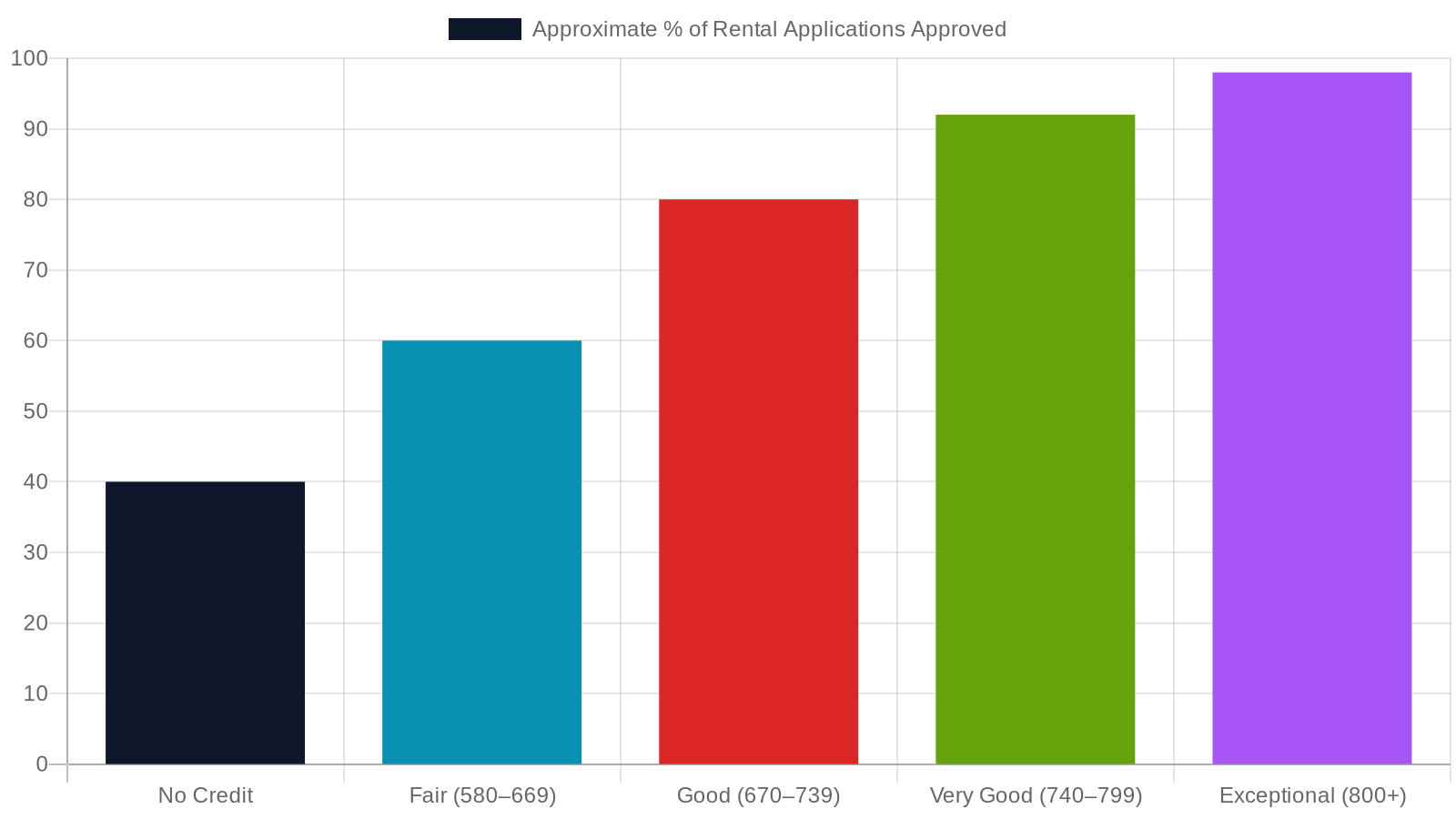
Your credit score is a number between 300 and 850 that tells lenders how reliably you pay back money. It’s calculated from five factors: payment history (35%), amounts owed (30%), length of credit history (15%), new credit (10%), and credit mix (10%). A score above 670 is generally considered good and will qualify you for most apartments and entry-level loans. Starting from zero — no credit at all — is actually easier to fix than bad credit.
Three Ways to Start Building Credit Today
1. Secured credit card: You deposit $200–$500 as collateral and get a card with that limit. Use it for one small purchase per month and pay the full balance. Capital One and Discover both offer secured cards with no annual fee for young adults. 2. Credit-builder loan: Offered by many credit unions in Tennessee, including Tennessee Valley Federal Credit Union and Ascend Federal Credit Union. You make monthly payments into a savings account; when the loan is paid off, you get the money AND a positive payment history. 3. Become an authorized user: If a trusted family member or mentor has good credit, ask to be added to their card. You don’t have to use it — just being listed can boost your score within 30–60 days.
Approval rates are industry estimates. Individual landlords vary — CoC transitional housing programs often have more flexible credit requirements.
5. Getting and Keeping a Job
Employment is one of the fastest routes to financial independence — but getting and keeping a job when you’re dealing with housing instability, gaps in your work history, or limited experience takes strategy. Tennessee has more free employment resources than most young adults realize, and knowing where to look makes a real difference.
Résumés, References, and the First Interview
A résumé doesn’t have to list years of experience to be effective. Focus on: any paid or volunteer work, skills (reliable transportation, bilingual, customer service, computer skills), and education (even if incomplete). Keep it to one page. Free résumé templates are available at Canva.com and through most Tennessee American Job Center locations.
References matter more than most young adults realize. A teacher, coach, case manager, or program supervisor makes a strong reference — you don’t need a former employer. Always ask permission before listing someone, and give them a heads-up when you’re actively applying.
Tennessee American Job Centers and Youth Employment Programs
Tennessee’s American Job Centers (AJCs) — also called Career Centers — are free to use and offer job search assistance, résumé help, interview coaching, and connections to training programs. There are over 60 locations statewide. Many also administer WIOA Youth Program funding, which provides paid work experience, occupational training, and support services for young adults ages 16–24 who face barriers to employment.
Programs like YouthBuild Tennessee and Job Corps (with locations in Memphis and Knoxville) combine job training with education and, in some cases, housing — making them especially relevant for transition-age youth.
Workplace Rights You Should Know
You have legal protections at work regardless of your age or housing situation. Key rights: minimum wage (currently $7.25/hour federally in Tennessee), overtime pay for hours over 40/week (1.5x your rate), protection from workplace harassment and discrimination, and the right to a safe work environment under OSHA. If you believe your rights are being violated, the Tennessee Department of Labor and Workforce Development handles wage complaints, and the EEOC handles discrimination complaints — both are free to contact.
6. Education Pathways: GED, College, and Trade Programs
Education — whether that’s a GED, a trade certification, or a college degree — is one of the most reliable long-term investments you can make in yourself. And in Tennessee, there are more free and low-cost pathways than most people know about. You don’t have to choose between stability now and education later.
Getting Your GED or HiSET in Tennessee
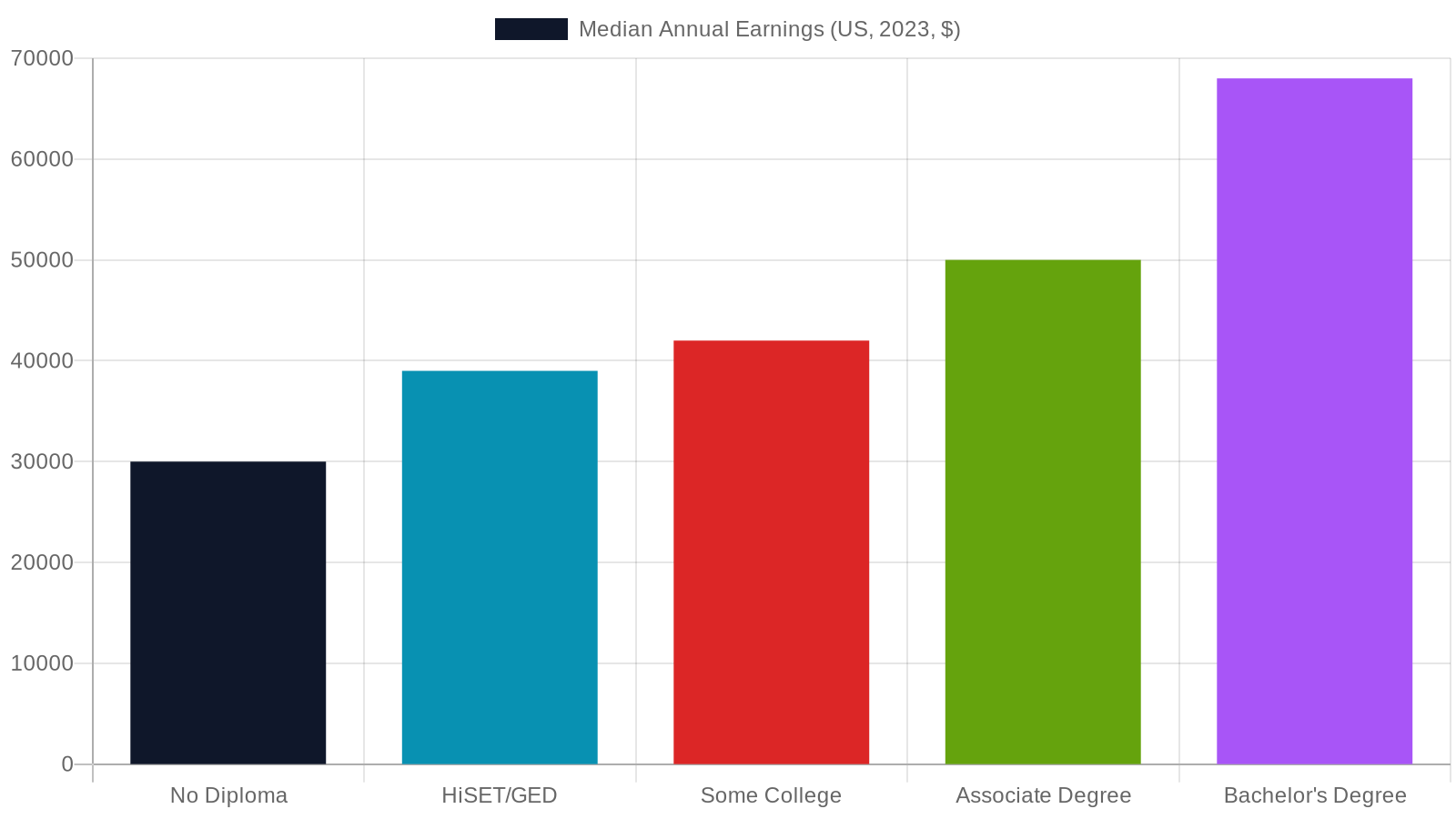
Tennessee offers the HiSET exam (similar to the GED) as its high school equivalency test. The exam costs $10.75 per subject (five subjects total), and Tennessee residents who meet income requirements can take it for free through the Tennessee Office of Adult Education. Free prep classes are available at most Tennessee Adult Education centers — find yours at adulteducation.tennessee.edu. Completing your HiSET opens doors to college, better jobs, and higher wages (high school graduates earn an average of $9,000 more per year than those without a diploma).
Tennessee Promise and HOPE Scholarship
If you graduated from a Tennessee high school (or earned your HiSET), you may qualify for Tennessee Promise — a last-dollar scholarship that covers tuition and fees at Tennessee’s community colleges and colleges of applied technology (TCATs). Tennessee Promise is available up to age 26 for eligible students. The HOPE Scholarship covers up to $3,500/year for four-year universities for students with a 3.0 GPA.
Students experiencing homelessness or who have aged out of foster care may also qualify for additional state and federal aid — including priority FAFSA processing and campus-based emergency funds. Talk to the financial aid office at any Tennessee college about your situation; they are required to have a homeless/foster youth liaison.
Source: Bureau of Labor Statistics, 2023. Earnings increase significantly with each additional credential — even a HiSET adds roughly $9,000/year over no diploma.
7. Managing Your Physical and Mental Health
You can’t build a stable life on a broken foundation. Physical and mental health are not extras to deal with later — they’re central to everything. The good news is that Tennessee has real, accessible options for young adults who need healthcare, mental health support, or both, even without insurance or money.
TennCare and Free Health Coverage Options
TennCare is Tennessee’s Medicaid program. If you’re between 18–25 and have low or no income, you may qualify — especially if you’re pregnant, have a disability, or are a former foster youth. Former foster youth in Tennessee can receive TennCare coverage until age 26 regardless of income under the Fostering Connections Act. Apply at tenncare.tn.gov or through a local DHS office.
If you don’t qualify for TennCare, Federally Qualified Health Centers (FQHCs) offer sliding-scale fees based on your income — meaning you could pay as little as $0–$20 per visit. Find one near you at findahealthcenter.hrsa.gov.
Mental Health Is Part of the Plan
Experiencing homelessness or housing instability is genuinely stressful, and the mental health effects are real — anxiety, depression, and trauma responses are common and nothing to be ashamed of. Tennessee has several free or low-cost mental health options for young adults:
Crisis Text Line: Text HOME to 741741 — free, 24/7, confidential
SAMHSA National Helpline: 1-800-662-4357 — free treatment referrals
Community Mental Health Centers: Tennessee has 16 regional centers offering sliding-scale therapy
Taking care of your mental health isn’t a luxury — it’s a prerequisite for building everything else on this list.
10 Independent Living Skills at a Glance — What to Learn and Where to Start
Use this table as a quick-reference checklist. Each skill includes the key action to take first and a Tennessee-specific resource to help you get started.
Skill
Why It Matters
First Action to Take
Tennessee Resource
1. Budgeting
Prevents financial crisis; builds savings
Track all spending for 30 days
Tennessee Credit Union (free youth accounts)
2. Finding Housing
Stable housing = stable everything else
Contact your CoC coordinated entry point
Local CoC / YAAB Tennessee resources page
3. Cooking & Nutrition
Saves $100–$170/month vs. fast food
Learn 5 basic meals; apply for SNAP
TDHS SNAP portal; local food banks
4. Building Credit
Required for renting, loans, some jobs
Open a secured card or credit-builder loan
Tennessee Valley FCU; Ascend FCU
5. Employment
Primary path to financial independence
Visit your nearest American Job Center
WIOA Youth Program; YouthBuild TN
6. Education
Each credential adds thousands in annual earnings
Enroll in HiSET prep or apply for TN Promise
adulteducation.tennessee.edu; TSAC.tn.gov
7. Health Management
Physical/mental health enables all other skills
Apply for TennCare or find an FQHC
tenncare.tn.gov; findahealthcenter.hrsa.gov
8. Transportation
Access to work, school, and services
Get a transit pass or plan a route
WeGo / MATA / KAT / CARTA transit systems
9. Self-Advocacy
Protects your rights; amplifies your voice
Join your local YAAB
yaabtn.org/local-yaabs
10. Support Network
Strongest predictor of long-term stability
Identify 1–2 trusted people in your corner
YAAB peer network; CoC case managers
8. Transportation: Getting Around Without a Car
Transportation is one of the most overlooked barriers to independence. Without reliable transportation, it’s harder to get to work, school, appointments, and services. In Tennessee, your options depend heavily on where you live — urban areas have public transit, while rural regions require more creative solutions. Either way, having a plan matters.
Public Transit Options Across Tennessee
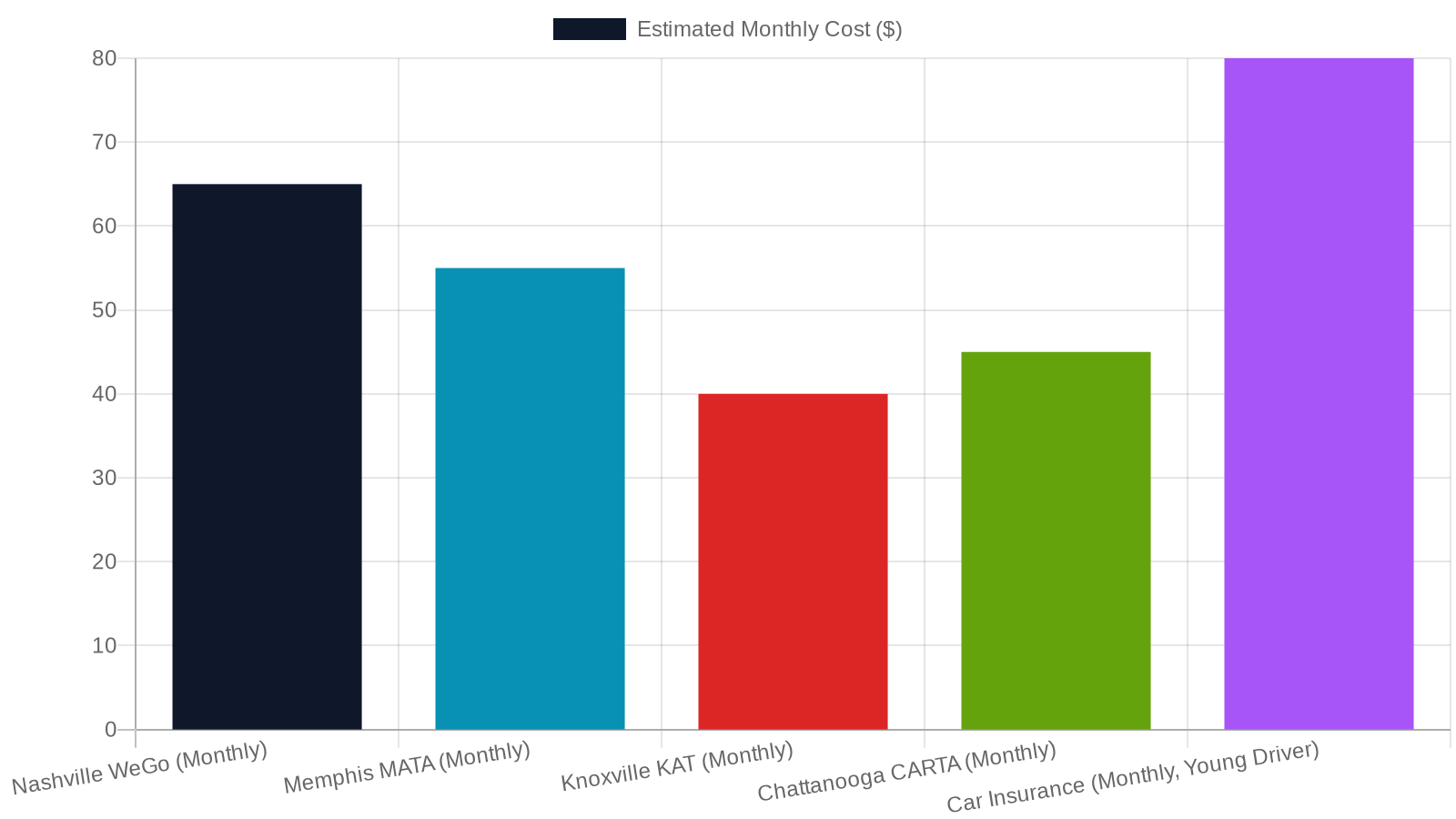
Tennessee’s major cities all have public transit systems: WeGo Public Transit (Nashville), MATA (Memphis), KAT (Knoxville), and CARTA (Chattanooga). Monthly passes range from $40–$65 in most systems, and reduced-fare or free passes are available for low-income riders through programs linked to SNAP or TennCare enrollment. Chattanooga’s downtown electric shuttle is actually free.
If you’re in a rural area of Tennessee — Upper Cumberland, Northeast TN, or West TN — transit options are more limited. In those regions, rideshare programs through local nonprofits, volunteer driver networks, and community action agency transportation services can help fill the gap.
Building Toward a Car and a License
A Tennessee driver’s license costs $26.50 for a standard license (Class D). If you don’t have a car yet, consider: saving specifically for a used vehicle ($2,000–$4,000 for a reliable used car in Tennessee), looking into WIOA-funded transportation assistance through your local AJC, or checking whether your CoC region has a vehicle donation program for low-income young adults. Some transitional housing programs also offer transportation stipends while you’re enrolled.
Car insurance is required in Tennessee — minimum liability coverage typically runs $60–$100/month for a young driver. Shop multiple providers and ask about good-student or low-mileage discounts.
Public transit monthly pass costs are approximate 2024 rates. Reduced-fare passes may be available through SNAP or TennCare enrollment.
9. Self-Advocacy: Knowing Your Rights and Using Your Voice
Every skill on this list is more powerful when you know how to advocate for yourself. Self-advocacy isn’t a personality trait — it’s a skill, and it’s one that gets stronger every time you use it. Young adults who know their rights and can communicate their needs clearly are harder to take advantage of and more likely to access the resources they’re entitled to.
What Self-Advocacy Actually Means
Self-advocacy means knowing what you need, knowing your rights, and being able to communicate both clearly — whether that’s to a landlord, an employer, a case manager, or a government agency. It’s not about being aggressive; it’s about being informed and confident. Practical self-advocacy skills include: asking for things in writing, keeping records of every important conversation, knowing how to file a complaint, and understanding when to escalate to a supervisor or legal aid attorney.
For transition-age youth in Tennessee, self-advocacy also means understanding the systems that affect your life — housing policy, CoC funding, state budget decisions — and knowing that your voice has real power in shaping those systems.
Getting Involved With Your Local YAAB
The Youth Action Board (YAAB) of Tennessee exists specifically to amplify the voices of young adults with lived experience of homelessness and housing instability. YAAB members advise CoC leaders, participate in policy discussions, and connect peers to resources — all while building their own leadership and advocacy skills. If you’re between 17 and 25 and have lived experience of housing instability, you belong at the table.
There are active YAABs across Tennessee’s CoC regions. To find your local YAAB and learn how to get involved, visit the local YAABs page on yaabtn.org — it’s one of the most direct ways to turn your experience into real change for other young people in your community.
10. Building a Support Network That Lasts
Independence doesn’t mean isolation. The most resilient young adults aren’t the ones who need nothing from anyone — they’re the ones who have built strong networks of people they can call on, learn from, and give back to. Building that network is itself a skill, and it starts with showing up.
Why Relationships Are a Survival Skill
Research consistently shows that social connection is one of the strongest predictors of long-term housing stability. Having even one or two trusted people in your corner — a mentor, a peer, a case manager, a faith community member — significantly reduces the risk of returning to homelessness after housing is achieved. This isn’t about being dependent on others; it’s about building a web of mutual support that everyone benefits from.
Intentional community-building looks like: showing up consistently to programs or groups, being honest about what you need, and being willing to support others too. Peer relationships formed in transitional housing programs, YAAB meetings, or job training cohorts often become some of the most durable support networks young adults have.
Mentorship, Case Management, and Knowing When to Ask for Help
There is no award for doing everything alone. Case managers, youth advocates, and mentors exist specifically to help you navigate systems that were not designed to be easy. Using these relationships is a sign of strategic thinking, not weakness. If you’re connected to a CoC program in Tennessee, your case manager can help you access benefits, navigate crises, and plan for the future.
If you’re not currently connected to services, the YAAB Tennessee resources page and the get involved page are good starting points for finding peer support and program connections across the state.
Ready to Start Building? Your Next Move in Tennessee
You’ve made it through a lot — and the fact that you’re reading a guide like this means you’re already thinking ahead. Every young adult in Tennessee who builds these skills is not just helping themselves — they’re part of a larger shift toward a state where transition-age youth have real pathways to stability, not just survival. That shift is already happening, and you can be part of it.
Start With One Skill This Week
You don’t have to master all 10 skills at once. Pick the one that feels most urgent right now — whether that’s opening a savings account, finding out if you qualify for TennCare, or looking up your local American Job Center — and take one concrete step this week. Progress compounds: each skill you build makes the next one easier.
If you’re not sure where to start, talking to a peer who’s been through it can help more than any article. That’s exactly what YAAB members do — share real knowledge, real strategies, and real encouragement with other young adults navigating the same systems across Tennessee.
Connect With YAAB Tennessee
If you’re between 17 and 25 and have lived experience of homelessness or housing instability in Tennessee — in Memphis, Nashville, Knoxville, Chattanooga, Jackson, the Upper Cumberland, or Northeast TN — the Youth Action Board wants to hear from you. Whether you want to join a local YAAB, connect to resources, or just find out what’s available in your region, the team is here.
Visit yaabtn.org/join to learn how to become a YAAB member, or head to yaabtn.org/contact to reach out directly. Your experience matters, your voice matters, and the door is open.
Frequently Asked Questions
What independent living skills should I focus on first at age 17 or 18?
Start with budgeting and housing basics — these two skills have the most immediate impact on your stability. Once you have a handle on where your money goes and what your housing rights are, layer in credit building and employment skills. You don’t have to learn everything at once; one skill at a time adds up fast.
Can I get help with independent living skills if I'm aging out of foster care in Tennessee?
Yes. Tennessee’s Independent Living Program (ILP) provides services for current and former foster youth up to age 21, including life skills training, housing assistance, and educational support. Former foster youth also qualify for TennCare until age 26 and may receive priority access to Tennessee Promise scholarships. Contact your DCS case manager or a local CoC program to learn what you qualify for.
What if I don't have any ID or documents — can I still access services in Tennessee?
Many Tennessee services — including food banks, crisis shelters, and some healthcare — don’t require ID. For services that do, organizations like the Tennessee Justice Center and local legal aid offices can help you obtain a birth certificate, state ID, or Social Security card at low or no cost. Having ID is a key independent living goal, and there’s help getting there.
How do I find out if there's a Youth Action Board in my part of Tennessee?
YAAB Tennessee has members and regional boards across the state’s Continuum of Care regions, including Memphis/Shelby, Nashville/Davidson, Knoxville/Knox, Chattanooga/Hamilton, Jackson/West TN, Upper Cumberland, and Northeast TN. Visit yaabtn.org/local-yaabs to find the YAAB closest to you and learn how to connect.
Is it possible to build credit with no job and no credit history?
Yes. A credit-builder loan through a local credit union doesn’t require income verification in the traditional sense — your monthly payment is what builds the history. Some secured credit cards also have very low income requirements. Even being added as an authorized user on a trusted person’s existing card can start building your score within 30–60 days.
What mental health resources are free for young adults in Tennessee?
The Crisis Text Line (text HOME to 741741) and Tennessee’s Statewide Crisis Line (1-855-274-7471) are free and available 24/7. Tennessee’s 16 regional community mental health centers offer sliding-scale therapy, meaning cost is based on your income. Former foster youth and TennCare enrollees may have full mental health coverage at no cost.