Quick answer: The Youth Action Board (YAAB) Northeast Tennessee — part of the TN-509 Continuum of Care — is a paid leadership program for young adults ages 17 to 25 who have experienced homelessness or housing instability. To join, you connect with the local YAAB, confirm your eligibility, attend an orientation, and begin advising real housing policy. Members earn stipends, build job skills, and shape the resources that affect their own communities across Johnson City, Kingsport, Bristol, and surrounding counties. The process is straightforward, the support is real, and your voice is exactly what the board needs.
1. What Is YAAB Northeast Tennessee and Why Does It Exist?

Before you fill out a single form, it helps to understand what you’re actually joining. YAAB Northeast Tennessee is not a support group and it’s not a class — it’s a youth-led advocacy board embedded inside the official homeless services planning structure for the region. That means your opinions, your ideas, and your lived experience carry real institutional weight.
The TN-509 Continuum of Care Region
Northeast Tennessee falls under the TN-509 Continuum of Care (CoC) region, which covers a wide swath of Appalachian Tennessee — including Sullivan, Washington, Carter, Unicoi, Johnson, and surrounding counties. Cities like Johnson City, Kingsport, and Bristol anchor this region. The CoC is the federally recognized planning body that coordinates housing and homeless services, and YAAB is the youth voice inside that system.
Without young people at the table, decisions about shelter beds, rapid rehousing programs, and youth drop-in centers get made by adults who have never lived those experiences. YAAB TN-509 changes that equation.
Who Founded YAAB and What Does It Actually Do?
YAAB — the Youth Action Board of Tennessee — is a statewide network of young adults with lived experience of homelessness who advise local and state leaders, shape policy, and connect peers to resources. The Northeast Tennessee chapter (TN-509) is one of eight regional boards across the state, each embedded in its own CoC.
In practice, YAAB members attend CoC planning meetings, give public testimony, co-design programs, and run peer outreach. This is not a volunteer club — it is a structured advocacy role with real decision-making influence and, in most cases, a paid stipend for your time.
2. Are You Eligible? The 4 Criteria That Matter

One of the most common questions young people ask is: “Do I even qualify?” The answer is probably yes — and the criteria are more inclusive than most people expect. Here are the four things that actually matter when it comes to eligibility for YAAB Northeast Tennessee.
Age: 17 to 25 Years Old
YAAB is specifically designed for transition-age youth (TAY), defined federally as individuals ages 16 to 24, though YAAB Tennessee opens membership to ages 17 through 25. If you’re 26 or older, you may still be able to support YAAB as an ally or partner organization, but the voting membership seats are reserved for this age range so that the board truly reflects the people most affected by youth homelessness policy.
Lived Experience of Homelessness or Housing Instability
You don’t need to have slept on the street to qualify. Housing instability includes couch-surfing, staying in a motel, doubling up with friends or family because you had nowhere else to go, living in a car, aging out of foster care into an uncertain housing situation, or fleeing an unsafe home. If you’ve experienced any of these — even briefly — you likely meet this criterion.
YAAB uses the HUD definition of homelessness, which is broad enough to include many situations that young people don’t always label as “homelessness.” When in doubt, reach out and ask — the TN-509 team will help you figure it out without judgment.
Tennessee Residency and Regional Connection
To join the TN-509 board specifically, you should currently live in or have strong ties to the Northeast Tennessee CoC region. If you’re in Memphis, Nashville, or another part of the state, there are other regional YAAB chapters that may be a better fit. Residency doesn’t have to be permanent — if you’re currently staying in the region, that’s enough to get started.
3. What to Expect as a YAAB Member: Roles, Time, and Pay

Joining an advocacy board can sound intimidating, especially if you’ve never done anything like it before. Here’s the honest breakdown of what membership actually looks like day-to-day — the time commitment, the compensation, and the kinds of projects you’ll be part of.
How Much Time Does Membership Require?
YAAB membership is designed to be flexible enough for young adults who are also juggling work, school, or other responsibilities. Most members commit roughly 4 to 8 hours per month, which typically includes one board meeting, occasional CoC planning sessions, and any peer outreach or project work. Some members get more involved over time and take on leadership roles — that’s always optional, never required from day one.
Stipends and Compensation
Your time has value, and YAAB recognizes that. Members typically receive a stipend for attending meetings and participating in advocacy activities. Stipend amounts can vary by region and funding cycle, so the TN-509 team can give you the most current figures when you connect with them. What’s consistent is the principle: YAAB does not ask young people with lived experience to donate their expertise for free.
Beyond stipends, members gain access to training, professional references, and resume-building experience that carries real weight with future employers and educational programs.
What Will You Actually Work On?
YAAB Northeast Tennessee members work on issues that directly affect young people in the TN-509 region. Recent and ongoing focus areas across YAAB statewide have included:
- Reviewing and giving feedback on local CoC funding applications
- Advocating for youth-specific shelter beds and drop-in services
- Participating in the annual Point-in-Time Count of people experiencing homelessness
- Co-designing peer outreach campaigns
- Providing testimony to state legislators on housing and foster care policy
You won’t be handed a script. You’ll be asked for your real perspective — and that perspective will shape real outcomes.
4. The 8 Steps to Join YAAB Northeast Tennessee

The process of joining YAAB Northeast Tennessee is designed to be accessible — not bureaucratic. Here is the full path from first curiosity to first meeting, broken into eight concrete steps so you know exactly what to expect at every stage.
Steps 1–4: Making First Contact and Confirming Fit
Step 1 — Learn about the board. Start by reading the TN-509 YAAB page and understanding what the board does in your region. Knowledge is confidence.
Step 2 — Reach out directly. Visit the YAAB TN-509 page to find current contact information for the Northeast Tennessee chapter. You can also use the statewide contact form at yaabtn.org/contact-yaab.
Step 3 — Have an informal conversation. A staff member or current YAAB member will connect with you — usually by phone, text, or video call — to answer your questions and confirm that TN-509 is the right regional fit.
Step 4 — Confirm your eligibility. You’ll have a brief, judgment-free conversation about your housing history to confirm you meet the lived-experience requirement. This is not an interrogation — it’s a formality.
Steps 5–8: Orientation, Onboarding, and Your First Meeting
Step 5 — Complete a simple intake or interest form. Most YAAB chapters use a short intake form to gather basic contact information and availability. This takes about 10 minutes.
Step 6 — Attend orientation. New members go through a YAAB orientation that covers the CoC system, your rights as a member, how meetings work, and what support is available to you. This is typically 1 to 2 hours and can often be done virtually.
Step 7 — Sign your member agreement. This is a straightforward document outlining expectations on both sides — yours and YAAB’s. It’s not a contract that locks you in forever; it’s a mutual commitment to show up and engage in good faith.
Step 8 — Attend your first board meeting. You’re in. Your first meeting is a chance to listen, introduce yourself, and start building relationships with peers who get it.
5. What YAAB Members Gain: Skills, Connections, and Credentials

Joining YAAB is not just about giving back — it’s also about building something for yourself. Here’s a clear-eyed look at what members actually walk away with after their time on the board.
Professional Skills You Build in Real Time
YAAB is one of the few programs where young adults with lived experience of homelessness are treated as experts, not recipients. The skills you develop are real and transferable:
- Public speaking and testimony — presenting your perspective to city councils, CoC boards, and state legislators
- Policy analysis — reading and responding to housing program funding applications and policy proposals
- Community organizing — planning outreach events and connecting peers to resources
- Meeting facilitation — running or co-facilitating board meetings and working groups
These are skills that employers in nonprofit, government, social work, and community development fields actively look for.
Networking and Mentorship Opportunities
YAAB members build relationships with CoC directors, housing providers, state agency staff, and other young advocates across Tennessee. These connections open doors — to jobs, internships, educational programs, and housing resources — that are hard to access without a network. Many YAAB alumni have gone on to careers in social work, public policy, and community organizing, citing their YAAB experience as the turning point.
You’ll also be part of a statewide peer community. Regional YAABs connect across Tennessee, meaning your network isn’t limited to Northeast Tennessee — it spans the entire state.
Resume, References, and Educational Pathways
YAAB membership is a legitimate, citable credential. You can list it on a resume, reference it in college applications, and ask YAAB staff or fellow members to serve as professional references. For young adults who may have gaps in traditional employment history due to housing instability, this kind of verifiable leadership experience is genuinely valuable. Some YAAB members have used their advocacy work to fulfill service-learning requirements for GED programs, community college courses, and workforce development certifications.
6. How YAAB Northeast Tennessee Compares to Other Youth Programs

You have options when it comes to getting involved in your community. Here’s how YAAB Northeast Tennessee honestly compares to other paths — so you can make the choice that’s right for you right now.
Why Lived Experience Makes YAAB Different
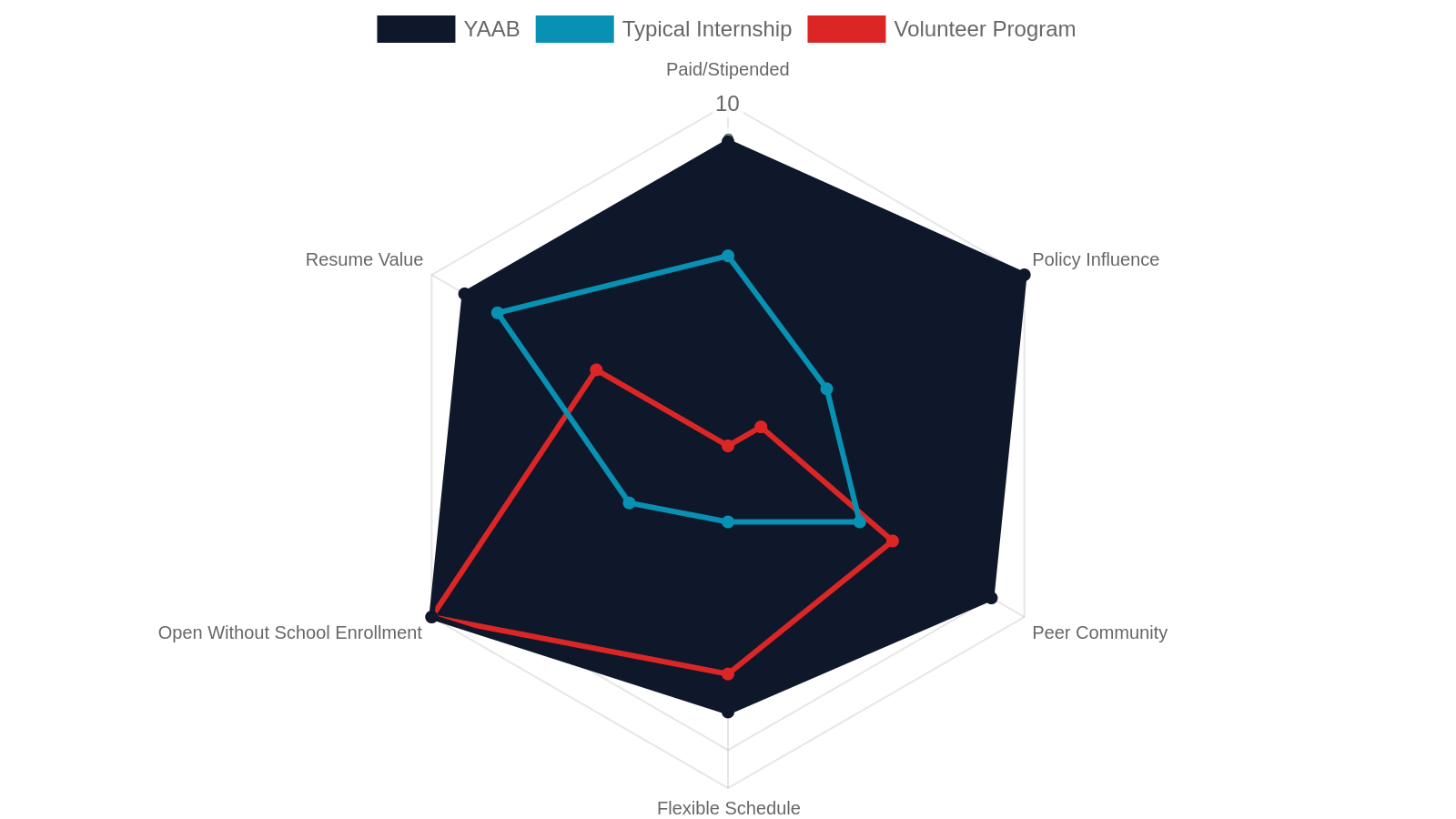
Most youth programs in the nonprofit and government space are designed for young people — YAAB is designed by and with young people. That’s a fundamental difference. In a traditional youth advisory council, young people might be invited to share opinions that adults then filter and act on (or ignore). In YAAB, members are embedded in the actual CoC governance structure, meaning their input is part of the official record and carries weight in funding decisions.
This is sometimes called “meaningful youth engagement” in policy language — but for YAAB members, it just means being treated like the experts they already are.
YAAB vs. Volunteer Programs vs. Internships
It’s worth being clear about how YAAB stacks up against other options a young adult in Northeast Tennessee might consider:
- Volunteer programs are unpaid and often task-focused (sorting donations, serving meals). YAAB is stipend-supported and strategy-focused.
- Internships are usually time-limited (8–12 weeks), often require enrollment in school, and may be unpaid. YAAB membership is ongoing and open to young adults whether or not they’re in school.
- Youth advisory councils at schools or nonprofits are valuable but rarely connect to real policy decisions. YAAB connects directly to federal CoC funding and state housing policy.
7. Common Barriers to Joining — and How to Get Past Them

Real talk: there are things that make joining harder for some people than others. Here are the three barriers we hear most often from young adults in Northeast Tennessee — and honest, practical ways through each one.
"I Don't Have Transportation"
Transportation is one of the most real and most common barriers for young adults in Northeast Tennessee, especially in rural areas of the region. YAAB is aware of this. Many board meetings are now held virtually or in hybrid format, meaning you can participate fully from your phone or a library computer. When in-person attendance is needed, ask the TN-509 team about transportation support — some regions have funds available, and the team can often help problem-solve alternatives.
"I'm Nervous About Sharing My Story"
You are never required to share more than you’re comfortable with. YAAB does not ask members to perform their trauma for an audience. Your lived experience qualifies you — you don’t have to narrate it in detail to anyone. Over time, many members choose to share their stories in advocacy settings because they want to, not because they have to. That’s a personal choice that YAAB will always respect.
The board is made up of peers who have been through similar things. The culture is built on mutual respect, confidentiality, and non-judgment.
"I'm Not Sure I'm 'Qualified' Enough"
This is the most common hesitation — and the most unfounded. YAAB is not looking for people with degrees, perfect attendance records, or polished public-speaking skills. It is looking for young adults who have lived through housing instability and have something to say about it. Your experience is the qualification. Everything else — facilitation skills, policy knowledge, public speaking — is something YAAB will help you build. Show up as you are. That’s enough.
YAAB Northeast Tennessee at a Glance: Key Facts Compared
Here's a quick-reference breakdown of what YAAB TN-509 membership looks like compared to common questions young adults ask before joining.
8. YAAB's Impact: What the Numbers Show

It’s fair to ask: does this actually make a difference? Here’s what the data says about youth homelessness in the region and what happens when young people are genuinely included in the systems designed to help them.
Youth Homelessness in Northeast Tennessee by the Numbers
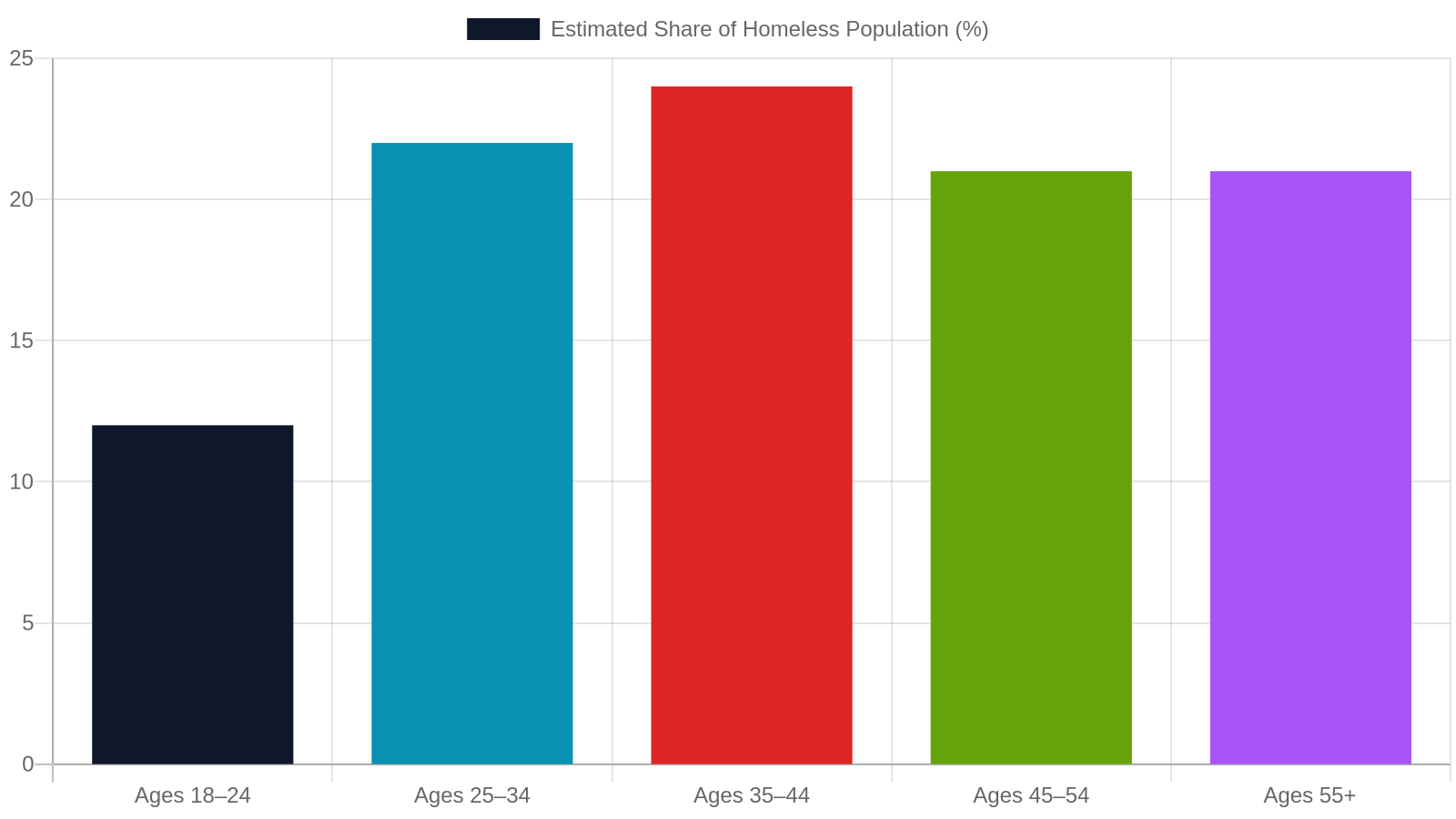
According to HUD’s annual Point-in-Time Count data, young adults ages 18 to 24 represent approximately 10–13% of the total homeless population counted on a single night nationally — and this figure is widely considered an undercount because youth homelessness is often hidden (couch-surfing, doubling up) rather than visible. In rural and Appalachian regions like TN-509, the hidden nature of youth homelessness makes it especially difficult to quantify — and especially important to have young people involved in the counting and planning process.
What Meaningful Youth Engagement Changes
Research from the National Alliance to End Homelessness and other housing policy organizations consistently shows that CoC regions with active youth advisory boards produce more youth-relevant programming, allocate more funding to youth-specific services, and see better housing outcomes for transition-age youth over time. YAAB’s statewide presence across eight Tennessee CoC regions is part of a national movement to make this kind of engagement the standard, not the exception.
When young people with lived experience are in the room where decisions are made, the decisions get better. That’s not idealism — it’s documented in program evaluations and funding outcomes across the country.
9. Other Ways to Support YAAB If You're Not Ready to Join Yet

Joining the board is the most direct way to get involved — but it’s not the only way. If you’re not quite ready to commit to membership, here are three things you can do right now that still make a real difference for YAAB Northeast Tennessee and the young people it serves.
Follow, Share, and Amplify
Not ready to commit to membership right now? That’s completely valid. One of the most useful things you can do is follow YAAB on social media, share their posts, and help spread the word to other young adults in Northeast Tennessee who might be a good fit. Awareness is the first step to access — and many young people who need YAAB most have never heard of it.
Attend a Public Event or Meeting
YAAB hosts and participates in public events across Tennessee throughout the year. Attending a meeting or community event as an observer is a low-pressure way to see what the board is actually like before you decide to join. Check the YAAB events calendar for upcoming opportunities in Northeast Tennessee and across the state.
Connect a Friend or Peer
If you know someone who is currently experiencing housing instability and is between 17 and 25, sharing information about YAAB could genuinely change their trajectory. You don’t have to be a formal member to be a connector. Word-of-mouth referrals from trusted peers are often how young people first learn about YAAB — and that kind of peer-to-peer outreach is itself a form of advocacy.
10. Resources for Young Adults in Northeast Tennessee Right Now

YAAB is about advocacy and leadership — but it also exists within a broader ecosystem of support. Here are concrete resources available to young adults in Northeast Tennessee right now, whether or not you’re ready to join the board.
Housing and Shelter Resources in the TN-509 Region
If you’re currently experiencing homelessness or housing instability in Northeast Tennessee, you don’t have to wait until you’re a YAAB member to access help. Key starting points include:
- 211 Tennessee — call or text 211 to be connected to local shelter, food, and housing resources 24/7
- Johnson City Community Services and local CoC-funded providers in Washington and Sullivan counties
- Frontier Health — provides behavioral health and some housing support services across Northeast Tennessee
- Local emergency shelters — the TN-509 CoC maintains a directory of emergency and transitional housing options; the YAAB team can help you navigate it
For a broader statewide resource list, visit yaabtn.org/resources.
Education, Employment, and Financial Support
Northeast Tennessee has several resources specifically for transition-age youth working toward stability:
- Tennessee College of Applied Technology (TCAT) campuses in Elizabethton and Morristown offer short-term workforce training programs, many with financial aid available
- American Job Centers in the region provide free job search support, resume help, and connections to paid training programs
- GED programs through local community colleges and adult education centers are free for Tennessee residents
- TennCare and CoverKids — if you’re uninsured, you may qualify for free or low-cost health coverage regardless of income
Ready to Join? Your Next Move Starts Here

You’ve read the whole guide. You know what YAAB is, how to join, what you’ll gain, and what barriers you might face. Now it’s time for one action — just one — to get the ball rolling. Here’s exactly what to do next.
Connect with the TN-509 YAAB Team Today
The single most important step is making first contact. Visit the YAAB Northeast Tennessee (TN-509) page to find current contact information, learn about upcoming meetings, and reach out to the team directly. There’s no application fee, no formal interview, and no requirement to have everything figured out before you show up. You just have to start.
If you want to learn more about YAAB as a whole before reaching out, the About YAAB page gives you the full picture of the statewide mission and how the regional boards fit together.
You Belong in the Room
Here’s the truth: the housing and homeless services system in Northeast Tennessee was built without young people in the room. YAAB exists to fix that. Every seat on the board that stays empty is a perspective that doesn’t get heard — a policy that gets made without the input of someone who’s actually lived through it.
You are 17 to 25. You have been through something hard. You have things to say about what works and what doesn’t. That is exactly what YAAB Northeast Tennessee is looking for. The board doesn’t need you to be polished or perfect. It needs you to be present.
Your experience is not a liability. It is your credential. And the young adults who come after you — the ones who will navigate this same system in five years — will benefit from the fact that you showed up today.
Frequently Asked Questions
How do I join YAAB Northeast Tennessee if I'm 17 years old?
Yes, YAAB Tennessee accepts members starting at age 17. Visit the TN-509 YAAB page at yaabtn.org/local-yaabs/tn-509/ to make first contact with the team, who will walk you through the simple intake process and answer any questions you have.
Do I have to have been literally homeless to join YAAB?
No. YAAB uses a broad definition of housing instability that includes couch-surfing, doubling up with others, staying in motels, living in a car, or aging out of foster care into an uncertain situation. If you've experienced any form of housing instability, you likely qualify.
Does YAAB Northeast Tennessee pay its members?
Yes, YAAB members typically receive a stipend for attending meetings and participating in advocacy activities. Exact amounts vary by region and funding cycle — contact the TN-509 team for current figures.
Can I join YAAB if I don't have reliable transportation in Northeast Tennessee?
Yes. Many YAAB meetings are held virtually or in hybrid format, so you can participate fully from a phone or computer. The TN-509 team can also help problem-solve transportation barriers when in-person attendance is needed.
What is the TN-509 Continuum of Care and why does it matter for YAAB?
TN-509 is the federally designated Continuum of Care region covering Northeast Tennessee, including Washington, Sullivan, Carter, Unicoi, Johnson, and surrounding counties. The CoC coordinates all local homeless services and funding — and YAAB is the youth voice embedded inside that planning body, giving members real influence over how resources are allocated.
I'm aging out of foster care in Northeast Tennessee. Is YAAB relevant to me?
Absolutely. Young adults aging out of foster care are one of the groups YAAB specifically centers. Housing instability related to foster care transitions qualifies as lived experience, and YAAB members frequently work on policy issues that directly affect youth exiting the foster care system.