Quick answer: Nashville and Davidson County's Youth Action Board (YAAB TN-504) is a peer-led advisory council made up of young adults ages 17 to 25 who have experienced homelessness or housing instability. Operating within Tennessee's Continuum of Care system, the Nashville YAAB gives transition-age youth a real seat at the table — advising service providers, shaping local housing policy, and connecting peers to shelter, employment, education, and mental health resources across the region. If you're a young adult in Middle Tennessee looking for support or a way to lead, this board was built for you.
1. What Is the Nashville/Davidson County Youth Action Board?

If you’ve ever felt like decisions about housing, shelter, and youth services were made without anyone asking you — the Nashville Youth Action Board exists to change exactly that. It’s a structured, statewide-recognized advisory body where young adults with lived experience of homelessness shape the programs and policies that affect their peers in Nashville and Davidson County.
A Board Built by and for Young Adults
The Nashville/Davidson County Youth Action Board — officially designated as YAAB TN-504 — is part of Tennessee’s statewide network of peer-led advisory boards for transition-age youth. Every member is between 17 and 25 years old and has firsthand experience with homelessness or housing instability. That lived experience isn’t just welcomed here — it’s the whole point.
Unlike traditional advisory committees dominated by service providers or elected officials, the Nashville YAAB centers the voices of the young people most directly affected by housing policy. Members attend Continuum of Care (CoC) meetings, review program data, and push for changes that reflect what young adults actually need on the ground in Davidson County.
How It Fits Into Tennessee's Continuum of Care
Tennessee’s Continuum of Care (CoC) is a federally recognized planning structure that coordinates homeless services across the state. Davidson County falls under CoC region TN-504, which covers Nashville and the surrounding metro area. The CoC brings together nonprofits, government agencies, healthcare providers, and housing programs — and the YAAB is the mechanism that makes sure young adults have a voice in all of it.
HUD (the U.S. Department of Housing and Urban Development) encourages CoC regions to include people with lived experience in their governance. Tennessee’s YAAB network takes that mandate seriously, and the Nashville chapter is one of the most active in the state.
2. Who Can Join the Nashville YAAB?

One of the most common questions young people ask is: “Is this really for someone like me?” The answer is yes — and the Nashville YAAB was specifically designed to lower the barriers to participation. Here’s a clear breakdown of who qualifies and what the process looks like.
The Core Eligibility Requirements
To participate in the Nashville/Davidson County YAAB, you generally need to meet three criteria:
- Age: You are between 17 and 25 years old (transition-age youth).
- Lived experience: You have personally experienced homelessness, housing instability, or housing insecurity at some point in your life — including couch-surfing, staying in a shelter, living in a car, or aging out of foster care without stable housing.
- Connection to Davidson County: You currently live in or have a connection to the Nashville/Davidson County area, though the statewide YAAB network welcomes youth from all Tennessee CoC regions.
You do not need to currently be homeless to join. Many YAAB members are in stable housing now and use their past experience to advocate for others still in crisis.
Youth Aging Out of Foster Care Are Especially Welcome
Young adults who are aging out of Tennessee’s foster care system face some of the highest risks of homelessness. Research consistently shows that up to 40% of youth who age out of foster care experience homelessness within two years of leaving the system. The Nashville YAAB specifically recognizes this population and creates space for foster care alumni to bring their perspective to CoC planning.
If you’re 17 to 21 and transitioning out of foster care in Davidson County, the YAAB can be both a support network and a platform. You don’t need a polished resume or a formal background in policy — your story and your insight are exactly what the board needs.
3. What Does the Nashville YAAB Actually Do?

Joining an advisory board might sound abstract, but the Nashville YAAB does concrete, measurable work. Here’s a breakdown of the three main ways members make an impact — from local CoC meetings to the Tennessee state capitol.
Advising the CoC and Local Service Providers
YAAB members attend Davidson County CoC meetings and serve on committees where they review program performance data, funding proposals, and new initiatives. When a shelter wants to change its intake process or a housing program is applying for HUD funding, YAAB members can weigh in with direct feedback about what works and what doesn’t from a young person’s perspective.
This isn’t symbolic participation. YAAB input has influenced how local programs prioritize transition-age youth, how outreach workers approach young people, and how data is collected about youth homelessness across Tennessee.
Peer-to-Peer Outreach and Resource Connection
YAAB members also serve as informal bridges between their peers and the services available in Nashville. Because they’ve navigated the system themselves, they can explain what a rapid rehousing program actually feels like, what to expect at a CoC intake appointment, or how to access emergency shelter without judgment.
This peer navigation role is especially powerful because young adults are far more likely to trust and accept help from someone who has lived through similar experiences than from a stranger in an office. The Nashville YAAB amplifies that trust at scale.
Statewide Advocacy and Policy Work
Beyond Davidson County, Nashville YAAB members participate in statewide advocacy efforts coordinated through the broader Tennessee YAAB network. This includes attending legislative briefings in Nashville, contributing to statewide reports on youth homelessness, and collaborating with YAABs in Memphis, Knoxville, Chattanooga, and other regions to push for systemic change.
In recent years, Tennessee YAAB members have advocated for increased funding for transitional housing, changes to ID documentation barriers that prevent young people from accessing services, and improved data collection on LGBTQ+ youth homelessness, which affects an estimated 40% of homeless youth nationally.
4. Understanding Youth Homelessness in Nashville and Davidson County

To understand why the Nashville YAAB matters, it helps to understand the scale of the problem it’s working to solve. Youth homelessness in Davidson County is both a visible crisis and a hidden one — and the data tells only part of the story.
How Many Young Adults Are Affected?
Davidson County’s annual Point-in-Time (PIT) count — a federally required census of people experiencing homelessness on a single night — consistently identifies hundreds of unaccompanied youth and young adults in the Nashville metro area. However, most housing experts agree that PIT counts significantly undercount youth homelessness because young people are more likely to be hidden — couch-surfing, staying in cars, or doubling up with friends rather than sleeping in visible outdoor locations.
National research suggests that for every youth counted in a PIT count, 3 to 10 more are experiencing hidden homelessness. Applied to Davidson County’s numbers, that means the true scope of youth housing instability in Nashville is far larger than official figures suggest.
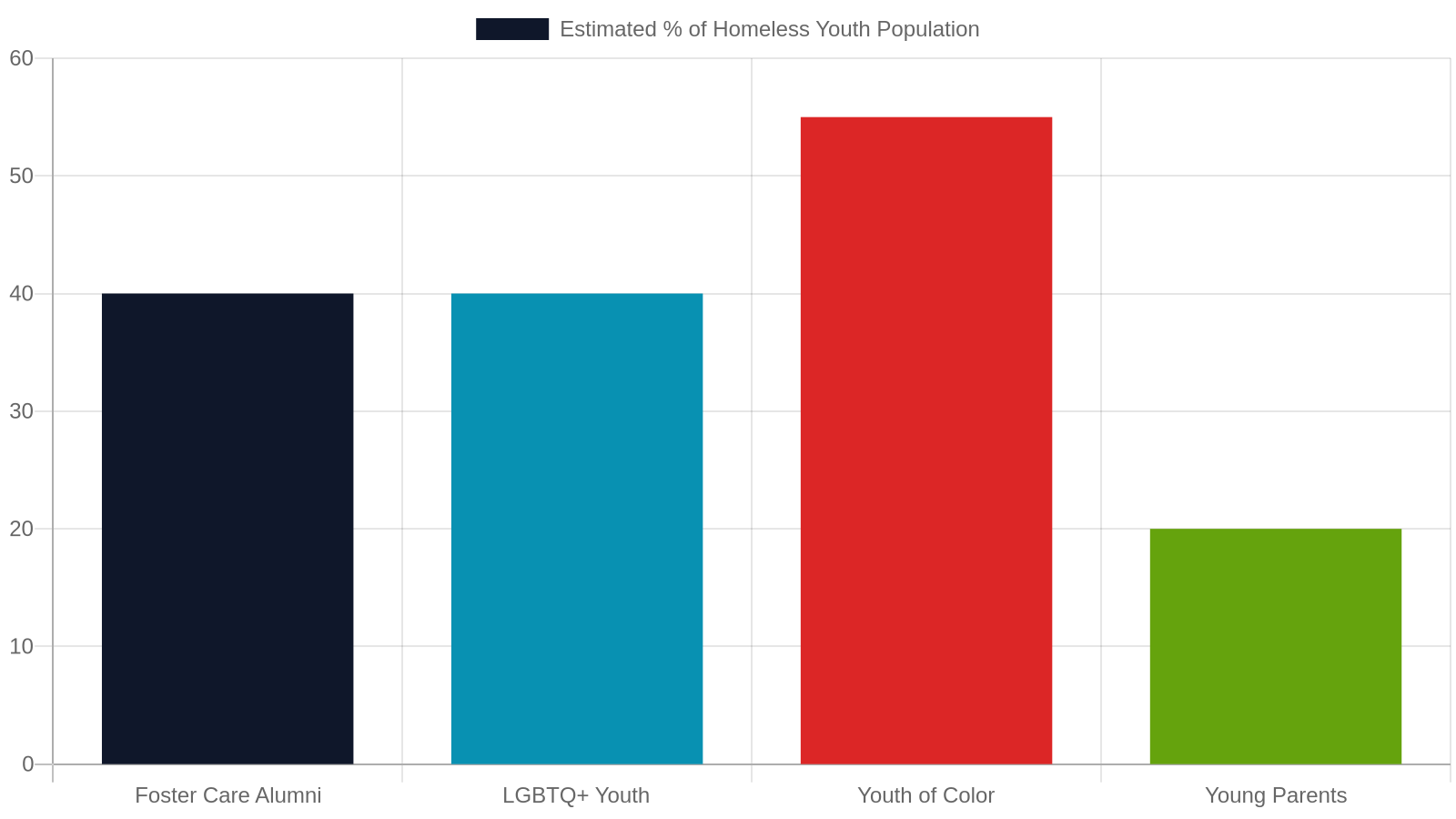
Who Is Most at Risk in Middle Tennessee?
Certain groups of young adults in Nashville face disproportionately high rates of housing instability:
- Foster care alumni: Young adults who aged out of Tennessee’s foster care system without a stable family network or housing plan.
- LGBTQ+ youth: Family rejection is the leading cause of homelessness for LGBTQ+ young people, who make up an estimated 40% of homeless youth despite being roughly 7% of the overall youth population.
- Young adults of color: Structural racism in housing, employment, and the child welfare system means Black and Latino young adults in Nashville are overrepresented in homelessness data.
- Young parents: Parenting young adults ages 17–25 face compounded barriers including childcare, employment gaps, and limited eligibility for some housing programs.
5. Resources Available to Young Adults in Nashville Through the CoC

Being connected to the Nashville YAAB means being connected to a broader ecosystem of support. Here’s a practical overview of the types of resources available to young adults in Davidson County through the CoC and its partner organizations.
Emergency Shelter and Safe Stays
Nashville’s CoC TN-504 includes several emergency shelter options specifically for transition-age youth. These are low-barrier programs designed to accept young adults quickly, without requiring sobriety, employment, or a referral from another agency. Key providers in the Nashville area include youth-focused shelters and drop-in centers where you can get a safe place to sleep, a meal, and a connection to a case manager.
If you’re not sure where to start, calling 211 (Tennessee’s statewide helpline) or texting your zip code to 898-211 will connect you with local shelter availability and intake information 24 hours a day.
Rapid Rehousing and Transitional Housing
Rapid rehousing programs provide short-term rental assistance and case management to help young adults move into their own apartment quickly. Unlike transitional housing (which places you in a program-run unit for 18–24 months), rapid rehousing gets you into a market-rate apartment and then supports you with rent subsidies and services while you stabilize.
Both models exist in Davidson County, and the Nashville YAAB has worked to ensure that CoC-funded programs prioritize transition-age youth in their intake processes. Ask your case manager specifically about youth-designated beds and funding streams when you’re navigating the system.
Education, Employment, and Financial Support
Housing stability is only one piece of the puzzle. Nashville’s CoC network also connects young adults to:
- GED and HiSET programs through Nashville Adult Literacy Council and Metro Nashville Public Schools adult education
- Workforce development through Tennessee Career Centers and youth-specific employment programs
- Benefits navigation — help applying for TennCare (Medicaid), SNAP, and SSI/SSDI if you qualify
- Financial literacy coaching through nonprofit partners focused on transition-age youth
The YAAB’s peer navigators can help you figure out which programs you’re eligible for and walk you through the application process without judgment. Explore the full list of statewide resources at yaabtn.org/resources.
6. How the Nashville YAAB Compares to Other Tennessee YAABs
Understanding how Nashville’s YAAB fits into the bigger picture helps you see both its unique strengths and the power of the statewide network it belongs to. Here’s how TN-504 relates to the other regional YAABs across Tennessee.
A Statewide Network, Locally Rooted
Tennessee has eight active CoC regions, and most have a corresponding YAAB chapter. While all chapters share the same core mission — centering youth lived experience in CoC governance — each one reflects the specific needs, resources, and demographics of its region. The Nashville/Davidson County YAAB (TN-504) operates in the state’s largest metro area, which means it has access to more service providers, more CoC funding, and more policy levers than smaller regional boards.
That scale comes with responsibility. The Nashville YAAB often serves as a model and resource for newer or smaller chapters across the state, sharing meeting structures, advocacy templates, and peer navigation strategies.
Collaboration Across Regions
Young adults don’t always stay in one place. Someone who experienced homelessness in Memphis might move to Nashville for work. A young adult from rural Northeast Tennessee might come to Nashville for medical care or education. The statewide YAAB network is designed to support young people across these transitions, with warm handoffs between regional chapters.
If you’re in Nashville but originally from another part of Tennessee, you can still engage with the TN-504 YAAB — and if you move, your YAAB connections can help you get plugged in wherever you land. Check out all Tennessee YAAB chapters to see which region covers your area.
7. What to Expect When You Get Involved

Thinking about showing up to a YAAB meeting for the first time can feel intimidating. Here’s an honest, practical look at what the experience is actually like — and what you stand to gain from getting involved.
Your First Meeting: No Experience Required
A lot of young adults hesitate to join an advisory board because they think they need to know policy language, have a certain level of education, or be “over” their housing instability before they can contribute. None of that is true. The Nashville YAAB is designed for people who are in the middle of figuring things out — not just those who have already arrived somewhere stable.
At your first meeting, you’ll typically be welcomed by other young adults, introduced to the group’s current focus areas, and given space to share as much or as little as you’re comfortable with. There’s no expectation that you’ll speak up immediately or take on a leadership role right away. You can observe, listen, and ease in at your own pace.
Stipends, Training, and Real Opportunities
YAAB participation isn’t just about giving back — it’s also an opportunity to build skills and, in many cases, earn a stipend for your time. Many YAAB chapters, including those in the Nashville region, work to compensate members for their participation because their expertise has real value and their time deserves respect.
Beyond stipends, active YAAB members often gain access to:
- Leadership and public speaking training
- Connections to employment and internship opportunities in the nonprofit and public sectors
- Resume-building experience that demonstrates civic engagement and advocacy skills
- A peer community of young adults who understand what you’ve been through
How to Handle Trauma-Informed Spaces
The Nashville YAAB operates with a trauma-informed approach, which means facilitators and fellow members understand that talking about housing instability can bring up difficult emotions and memories. You are never required to share your personal story in detail, and the group maintains confidentiality norms so that what’s shared in the room stays in the room.
If you ever feel overwhelmed during a meeting or need to step out, that’s completely okay. The goal is to create a space where your voice is powerful, not where your pain is on display. Your experience informs your advocacy — it doesn’t define your entire identity in the room.
Nashville YAAB vs. Other Youth Support Options: What Makes Each One Different
Young adults in Nashville have several options for support and engagement. Here's how the YAAB compares to other common pathways in terms of what they offer, who they're for, and what you get out of them.
8. Barriers Young Adults Face — and How the YAAB Addresses Them

The Nashville YAAB doesn’t just advise on solutions — it actively works to dismantle the barriers that prevent young adults from getting help in the first place. Here are three of the most common systemic barriers the board addresses in Davidson County.
ID and Documentation Barriers
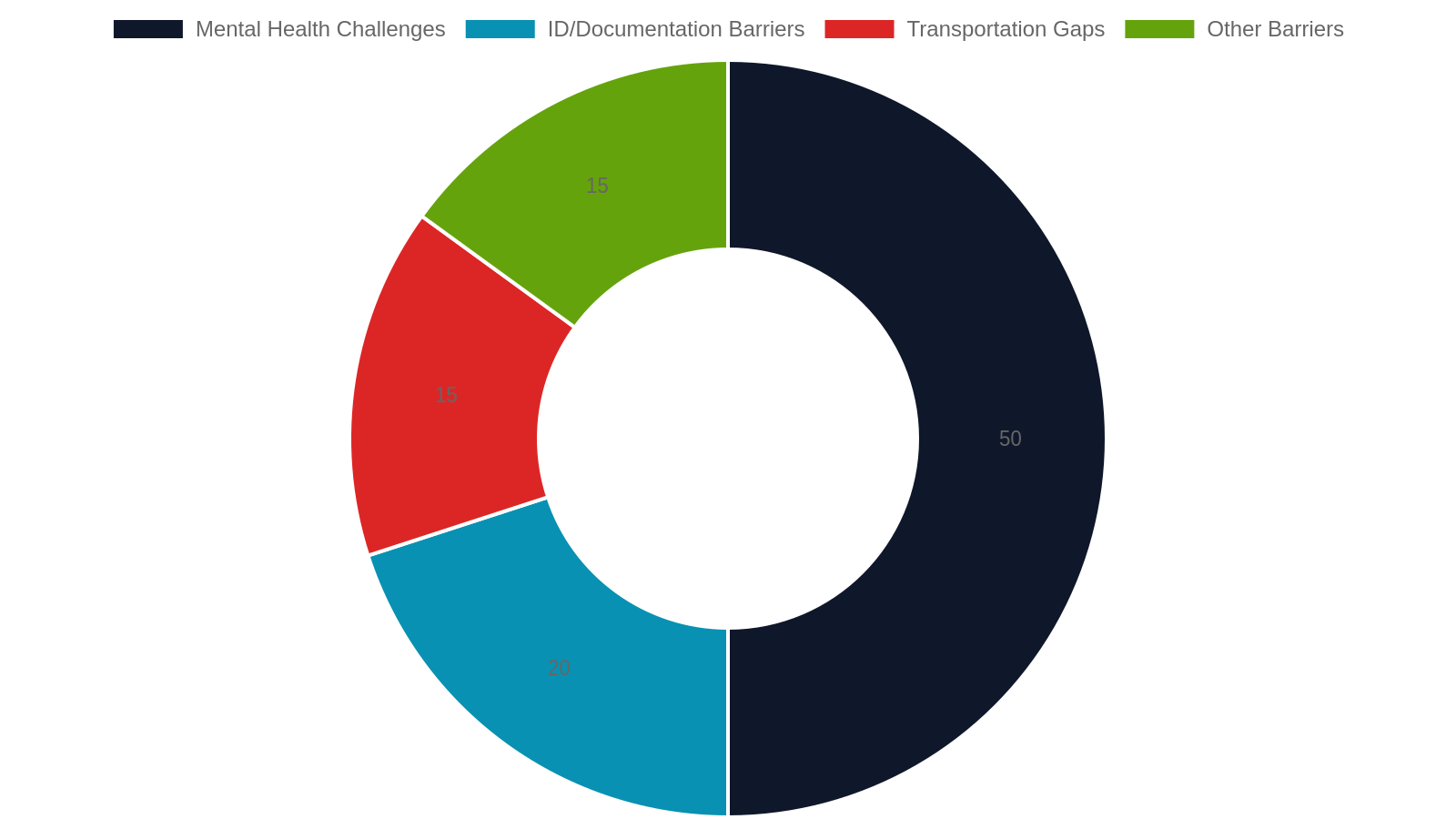
One of the most frustrating barriers for young adults trying to access housing and services is the requirement for government-issued ID. Many young people experiencing homelessness don’t have a birth certificate, Social Security card, or state ID — and getting those documents requires money, a stable address, and time. It’s a circular trap.
The Nashville YAAB has advocated within the CoC for programs to accept alternative forms of identification and to provide navigation support for young adults trying to obtain their documents. Several Nashville-area nonprofits now offer free ID recovery assistance specifically for transition-age youth, in part because of YAAB advocacy.
Transportation and Geographic Barriers
Nashville’s public transit system (WeGo Public Transit) covers much of Davidson County, but gaps in service — especially for late-night shelter access or early-morning work shifts — create real barriers for young adults without a car. The YAAB has raised transportation as a systemic issue in CoC planning conversations, pushing for service providers to offer bus passes, rideshare credits, or flexible meeting times that work with transit schedules.
If transportation is a barrier to your participation in the YAAB or to accessing services, let the board know. Many chapters have small funds or partnerships to help cover transit costs for members.
Mental Health and Substance Use Support
Youth homelessness and mental health challenges are deeply intertwined. Approximately 50% of homeless youth report a mental health diagnosis, and many have experienced trauma, abuse, or neglect. The Nashville CoC includes mental health providers who work specifically with transition-age youth, and the YAAB advocates for low-barrier, non-punitive access to these services.
This means pushing back against programs that require sobriety as a condition of shelter, advocating for mental health services that don’t require insurance, and ensuring that young adults aren’t discharged from programs without a housing plan in place.
9. The Role of Case Managers and Service Providers

The YAAB’s power comes from the partnership between young adults with lived experience and the professionals who work alongside them. Here’s how case managers and service providers in Nashville can engage with and support the TN-504 YAAB.
Why Provider Partnerships Matter
The Nashville YAAB isn’t only for young adults who want to advocate — it’s also a critical resource for the case managers, outreach workers, housing navigators, and program directors who serve transition-age youth in Davidson County. When providers engage with the YAAB, they get direct, unfiltered feedback about what’s working and what’s creating harm in their programs.
This kind of feedback loop is rare and valuable. A case manager might learn that their intake form uses language that feels stigmatizing, or that their office hours conflict with the bus schedule, or that young adults are avoiding their program because of a policy that feels punitive. The YAAB creates a structured, respectful channel for that feedback to reach decision-makers.
How to Refer a Young Adult to the YAAB
If you’re a service provider or case manager working with a young adult in Nashville who might benefit from YAAB involvement, the referral process is straightforward. You don’t need a formal referral form — you can simply share information about the YAAB with your client and encourage them to reach out directly. The most important thing is to frame it as an opportunity for leadership and community, not as another service program they need to comply with.
Providers can also engage with the YAAB as organizational partners — attending CoC meetings where YAAB members present, inviting YAAB members to review program materials, or funding stipends for youth participation. These partnerships strengthen the entire CoC ecosystem in Davidson County.
10. YAAB Advocacy in Action: Real Wins for Nashville Youth

It’s easy to talk about advocacy in the abstract. Here’s a look at the concrete ways Nashville YAAB members have moved the needle — and what that means for the next generation of young leaders in Davidson County.
Policy Changes Driven by Youth Voice
Across Tennessee, YAAB members have contributed to measurable policy changes at the CoC and state level. In the Nashville region, youth advocacy has helped push for dedicated youth-specific funding streams within the CoC, changes to how Coordinated Entry (the system that matches people to housing resources) prioritizes young adults, and improved data collection practices that better capture the true scope of youth homelessness.
These wins didn’t happen because a nonprofit wrote a report. They happened because young adults showed up to CoC meetings, shared their experiences, and made the case in their own words. That’s the model the Nashville YAAB is built on.
Building a Pipeline of Youth Leaders
One of the YAAB’s most lasting contributions is the leadership pipeline it creates. Many young adults who join the Nashville YAAB as members go on to work in the housing and social services sector, serve on nonprofit boards, or pursue careers in public policy, social work, or community organizing. The skills and connections gained through YAAB participation are genuinely career-building.
Tennessee’s broader YAAB network tracks these outcomes as part of its commitment to demonstrating impact — not just to funders, but to the young adults themselves, who deserve to see that their investment of time and trust leads somewhere real. Learn more about the statewide advocacy work at yaabtn.org/advocacy.
Ready to Join Nashville's YAAB? Here's Your Next Move

You’ve read about what the Nashville Youth Action Board is, who it’s for, and what it does. Now comes the part that matters most: taking a step toward getting involved. Here’s exactly how to do it — whether you’re a young adult ready to lead or a provider looking to partner.
Connect with TN-504 Directly
If you’re a young adult ages 17 to 25 in Nashville or Davidson County — whether you’re currently experiencing housing instability, have been through it before, or are aging out of foster care — the TN-504 YAAB wants to hear from you. You don’t need to have your life figured out. You don’t need to be a great public speaker. You just need to show up.
To get connected with the Nashville/Davidson County chapter, visit the TN-504 YAAB page for meeting information, contact details, and the latest updates on how to get involved. This is your board, your region, and your voice — use it.
Explore the Full YAAB Network
Not in Nashville? Tennessee’s YAAB network spans the entire state, from Memphis to Northeast Tennessee. Whether you’re in Knoxville, Chattanooga, Jackson, the Upper Cumberland region, or anywhere in between, there’s a local chapter working on the issues that matter to you. The statewide network also runs joint projects, training events, and advocacy campaigns that any Tennessee young adult can plug into.
Start at yaabtn.org to explore resources, find your local chapter, and learn about upcoming events. The work of changing how Tennessee serves young adults experiencing homelessness starts with young adults like you deciding to get involved — and in Nashville, that work is already underway.
Frequently Asked Questions
What is the Nashville youth homelessness advisory board and how do I join?
The Nashville youth homelessness advisory board is the YAAB TN-504, part of Tennessee's statewide Youth Action Board network. It's open to young adults ages 17 to 25 with lived experience of homelessness or housing instability in Davidson County. Visit yaabtn.org/local-yaabs/tn-504/ to find current meeting information and contact details.
Do I have to currently be homeless to join the Nashville YAAB?
No. Many YAAB members are in stable housing now and use their past experience to advocate for peers who are still in crisis. The requirement is that you have personal lived experience with homelessness or housing instability at some point in your life, not that you are currently unhoused.
What resources are available for homeless young adults in Nashville Tennessee?
Nashville's CoC TN-504 includes emergency shelter, rapid rehousing programs, transitional housing, GED and workforce programs, and benefits navigation. You can call 211 or text your zip code to 898-211 for 24/7 resource referrals. The YAAB also connects young adults to peer navigators who can walk them through the system.
How does the Tennessee Continuum of Care affect young adults aging out of foster care?
The Continuum of Care (CoC) coordinates housing and homeless services in each Tennessee region. Young adults aging out of foster care can access CoC-funded programs including transitional housing and rapid rehousing. The Nashville YAAB specifically advocates for foster care alumni within the CoC system and helps connect them to youth-designated resources.
Do YAAB members get paid for their time?
Many YAAB chapters, including those in the Nashville region, work to provide stipends for member participation because youth expertise has real value. Compensation structures vary by chapter and funding availability. Contact the TN-504 YAAB directly for current information on stipends and other benefits of membership.
How is the Nashville YAAB different from other Tennessee YAAB chapters?
The Nashville/Davidson County YAAB (TN-504) operates in Tennessee's largest metro area, giving it access to more service providers, CoC funding, and policy influence than smaller regional chapters. It also often serves as a model for other chapters statewide. All chapters share the same mission of centering youth lived experience in CoC governance.