Quick answer: If you're a young adult ages 17 to 25 dealing with housing instability in Upper Cumberland Tennessee — which covers Putnam, Cookeville, White, Overton, Fentress, and surrounding counties — your main regional resource is HART (Homeless Assistance of the Upper Cumberland). HART coordinates emergency shelter, rapid re-housing, and transitional housing through Tennessee's Continuum of Care (CoC) system. You can also connect with the local Youth Action Board (YAAB) chapter for peer support, advocacy, and help navigating every step from emergency shelter to stable housing and beyond.
1. What Is the Upper Cumberland Region and Why It Matters for Housing

Before diving into specific programs, it helps to understand the landscape you’re working in. The Upper Cumberland is a distinct region with its own CoC, its own lead agency, and its own set of resources — and knowing that context puts you in a stronger position to advocate for yourself and access what you need.
The Geography: 14 Counties, One Continuum of Care
The Upper Cumberland region of Tennessee spans roughly 14 counties in the north-central part of the state, including Putnam, White, Overton, Fentress, Cumberland, Pickett, Jackson, Clay, Smith, DeKalb, Van Buren, Warren, Macon, and Cannon. The hub city is Cookeville, home to Tennessee Tech University and the area’s largest concentration of social services.
Within the federal Continuum of Care (CoC) framework, this region falls under CoC TN-506, which is the official planning and funding body that coordinates homeless services across the Upper Cumberland. Understanding which CoC you’re in matters because it determines which programs you’re eligible for and which organizations receive HUD funding to serve you.
Why Transition-Age Youth Face Unique Challenges Here
Rural and semi-rural regions like Upper Cumberland present specific barriers for young adults ages 17 to 25. Limited public transportation, fewer drop-in centers, and longer distances between services can make it harder to access help compared to Memphis or Nashville. According to the 2023 Tennessee Point-in-Time Count, approximately 12–15% of people experiencing homelessness statewide are transition-age youth, and rural CoCs often undercount this population because youth are more likely to be couch-surfing or staying in unsafe situations rather than visible on the street.
- Sparse bus routes mean a shelter 20 miles away can be effectively unreachable
- Fewer youth-specific programs means TAY often end up in adult shelters
- Stigma in smaller communities can prevent young people from seeking help
2. HART: Your Primary Housing Resource in Upper Cumberland

HART is the backbone of housing assistance in the Upper Cumberland region. Understanding exactly what it does — and how to walk through its door — is the single most important piece of information for any young adult navigating housing instability in this part of Tennessee.
What HART Does and Who It Serves
HART — Homeless Assistance of the Upper Cumberland — is the lead coordinating agency for CoC TN-506. HART manages the region’s Coordinated Entry System (CES), which is the official front door to most federally funded homeless services in the area. If you’re a young adult experiencing homelessness or housing instability in Upper Cumberland Tennessee, HART is typically your first call.
HART’s programs include emergency shelter referrals, rapid re-housing assistance, transitional housing placements, and connections to prevention resources. They work with a network of local nonprofits, faith-based organizations, and government agencies to match people with the right level of support based on their assessed needs.
How to Access HART Services
To access HART’s services, you generally start with a Coordinated Entry assessment. This is a standardized intake process — often using a tool called the VI-SPDAT or a youth-specific version — that helps determine your level of need and match you to available resources. You do not need to be literally sleeping outside to qualify; couch-surfing, staying in a car, or living somewhere unsafe all count as housing instability.
- Phone: Contact HART directly through their Cookeville office or the regional 211 helpline
- Walk-in: HART and partner agencies have in-person intake options in Cookeville and surrounding areas
- 211 Tennessee: Dial or text 211 any time — it’s free, confidential, and connects you to local resources statewide
If you’re under 18, HART staff are trained to connect you with age-appropriate resources and are required to follow specific protocols to keep you safe.
HART and Youth-Specific Programming
HART has increasingly prioritized transition-age youth (TAY) as a distinct population within CoC TN-506, in alignment with HUD’s push to address youth homelessness through dedicated funding streams like the Youth Homelessness Demonstration Program (YHDP). This means youth-specific beds, youth-focused rapid re-housing dollars, and staff trained in trauma-informed, youth-centered approaches are part of the regional plan.
Ask specifically about youth set-aside beds and TAY rapid re-housing when you contact HART or a partner agency — these resources are sometimes separate from the general adult pool and may have shorter waitlists or different eligibility criteria.
3. Emergency Shelter Options for Young Adults in Upper Cumberland

Emergency shelter is the safety net for when you have nowhere safe to sleep tonight. Knowing what’s available in Upper Cumberland — and how to access it quickly — can make a critical difference in a crisis moment.
Shelter Resources in Cookeville and Putnam County
Cookeville is the regional hub for emergency shelter in Upper Cumberland. The Cookeville Rescue Mission provides emergency overnight shelter and operates year-round, serving men and women. While not exclusively youth-focused, staff can connect young adults to TAY-specific resources. Capacity is limited — typically fewer than 50 beds — so calling ahead or going through Coordinated Entry is strongly recommended.
Faith-based organizations across Putnam County also operate warming centers and short-term emergency housing, especially during winter months (November through March). These are often activated through HART’s network and announced via 211 Tennessee.
What to Expect When You Enter Emergency Shelter
Walking into a shelter for the first time can feel intimidating. Here’s what you should generally expect in Upper Cumberland facilities:
- Intake paperwork: You’ll answer questions about your housing history, health, and needs — this is confidential and used to connect you to the right programs
- Rules and curfews: Most shelters have check-in times, curfews, and behavioral expectations — ask about these upfront
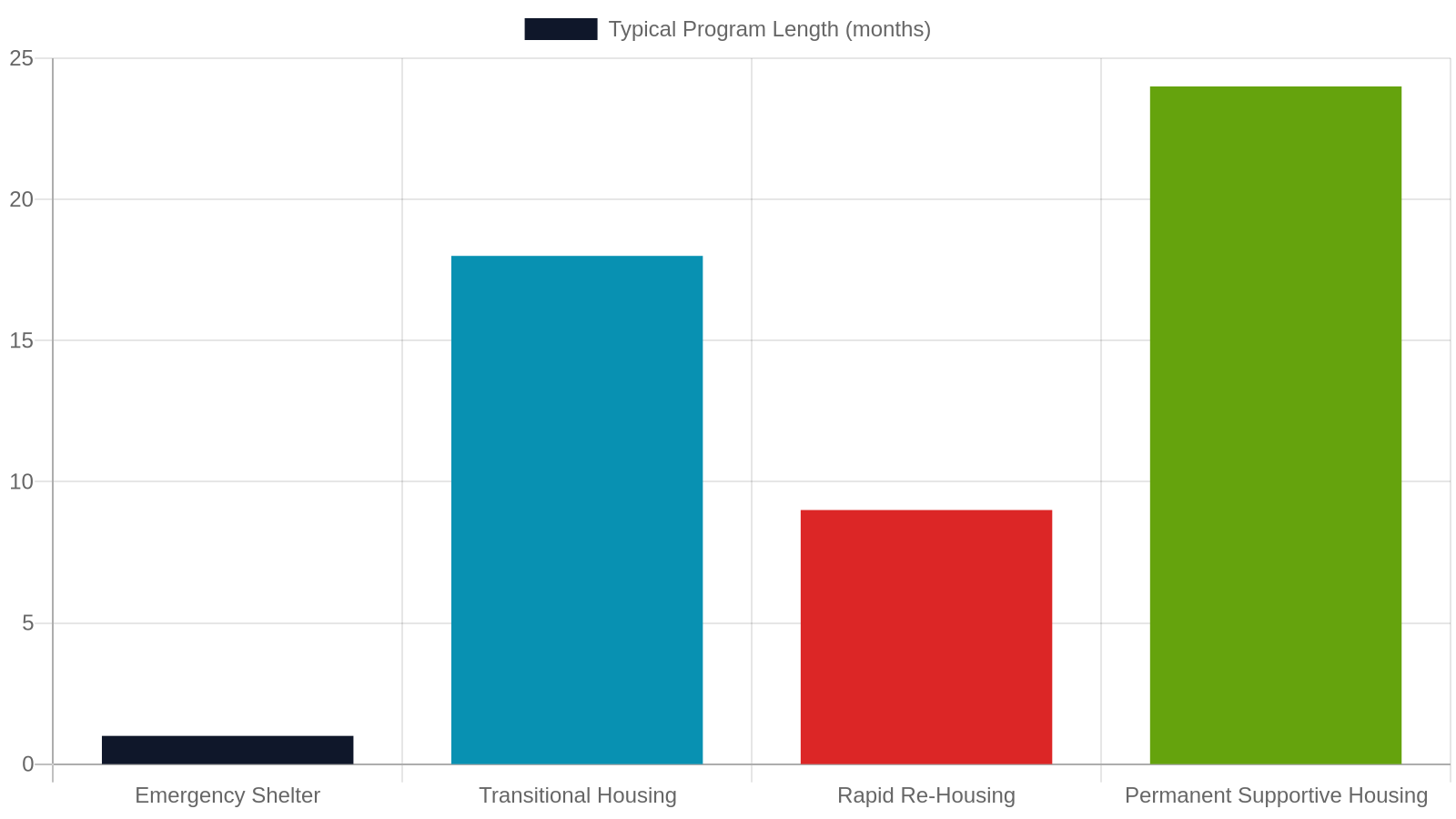
- Length of stay: Emergency shelter is typically short-term (7–30 days), with the goal of moving you into transitional or permanent housing
- Pets and partners: Policies vary — ask specifically if you have a pet or are with a partner or children
You have the right to be treated with dignity and respect. If you feel unsafe or mistreated at any shelter, contact HART or a YAAB member for support.
4. Transitional Housing and Rapid Re-Housing Programs

Emergency shelter gets you safe tonight. Transitional housing and rapid re-housing are about what comes next — building a foundation so you don’t cycle back into homelessness. These programs are the bridge between crisis and stability.
Transitional Housing: A Bridge to Stability
Transitional housing (TH) programs provide a place to live for a set period — typically 6 to 24 months — while you work on goals like employment, education, budgeting, and finding permanent housing. In Upper Cumberland, transitional housing slots for youth are limited but do exist through HART’s network of partners.
During a transitional housing stay, you’ll typically work with a case manager who helps you build skills and connect to services. Some programs are specifically designed for young adults aging out of foster care or those with histories of trauma. Ask HART about youth-specific TH programs and whether there are any with life-skills components or educational support built in.
Rapid Re-Housing: Get Housed Fast, Then Get Support
Rapid Re-Housing (RRH) is a HUD-funded model that prioritizes getting you into your own apartment or rental unit as quickly as possible, then providing financial assistance and case management support while you stabilize. For transition-age youth, RRH can be especially powerful because it respects your autonomy — you’re in your own space, not a group setting.
In CoC TN-506, RRH funds can cover:
- Security deposits and first/last month’s rent
- Short-term rental assistance (typically 3–12 months, sometimes longer)
- Utility deposits and arrears in some cases
- Case management to help you budget, job search, and maintain housing
The key requirement is that you must be literally homeless (or fleeing danger) to qualify. Couch-surfing may or may not qualify depending on the specific program — ask your intake worker directly.
5. Aging Out of Foster Care in Upper Cumberland: What You Need to Know

Aging out of foster care is one of the highest-risk moments for housing instability. In Tennessee, there are specific legal protections and funding streams designed for this exact transition — but you have to know they exist to use them.
Tennessee's Extended Foster Care and Voluntary Services
In Tennessee, young people who were in foster care can access voluntary extended foster care services through age 21 under the state’s Fostering Connections implementation. This means if you aged out of the system at 18, you may still be eligible for housing support, case management, and financial assistance through the Tennessee Department of Children’s Services (DCS).
Key programs include:
- Extended Foster Care (EFC): Continued placement and support up to age 21 for those who re-enroll
- Transitional Living Services (TLS): Life-skills training, housing assistance, and mentoring
- Education and Training Vouchers (ETV): Up to $5,000 per year for post-secondary education or vocational training for current and former foster youth
Chafee Funds and Housing Assistance for Former Foster Youth
The John H. Chafee Foster Care Program is a federal funding stream that Tennessee uses to support young people aging out of care. Chafee dollars can fund housing, education, employment, and life-skills programming. In Upper Cumberland, these funds flow through DCS and its contracted providers — ask your DCS case worker or a HART intake worker specifically about Chafee-funded housing options in your county.
If you’ve lost touch with DCS, you can reconnect by contacting the DCS Upper Cumberland regional office in Cookeville. You do not need to have stayed in care continuously to access some Chafee-funded services — former foster youth up to age 23 may qualify for certain programs.
6. Education and Employment Resources That Stabilize Housing

Housing stability doesn’t exist in a vacuum. Education and employment are the two biggest factors that determine whether a young person can stay housed long-term. Here’s what’s available in Upper Cumberland to help you build both.
GED and Adult Education in Upper Cumberland
Stable housing and stable income are deeply connected. If you didn’t finish high school, a GED or HiSET credential is one of the fastest paths to better employment. The Upper Cumberland Human Resource Agency (UCHRA) and Tennessee College of Applied Technology (TCAT) – Livingston and Crossville campuses both offer adult education and GED prep programs, many of which are free or low-cost.
Tennessee also offers the Drive to 55 Alliance scholarships and the Tennessee Reconnect Grant for adults without a college degree — these can cover tuition at community colleges and TCATs across the state, including those serving Upper Cumberland.
Workforce Programs for Young Adults
Employment is a key pillar of housing stability. In Upper Cumberland, several programs specifically target young adults:
- American Job Centers (AJC): The Cookeville AJC offers free job search assistance, resume help, skills assessments, and connections to training programs — all at no cost
- WIOA Youth Program: The Workforce Innovation and Opportunity Act funds intensive employment services for young adults ages 16–24, including paid work experiences, occupational skills training, and mentoring. UCHRA administers WIOA youth services in this region
- YouthBuild Tennessee: Combines construction skills training with GED/diploma completion and leadership development for young adults ages 16–24
When you’re housed and employed — even part-time — your ability to maintain that housing increases dramatically. These programs are designed to get you there faster.
7. Mental Health and Supportive Services That Keep You Housed

You can’t maintain housing if your mental and physical health are in crisis. The good news is that there are real, accessible supports in Upper Cumberland — and knowing about them before you need them puts you ahead.
Behavioral Health Resources in Upper Cumberland
Unaddressed mental health needs are one of the leading reasons young adults lose housing. In Upper Cumberland, Plateau Mental Health Center is the primary community mental health center, with offices in Cookeville, Crossville, and surrounding areas. They offer sliding-scale fees and accept TennCare (Tennessee’s Medicaid program), which most young adults experiencing housing instability qualify for.
If you’re in crisis, the 988 Suicide and Crisis Lifeline is available 24/7 by call or text — just dial or text 988. Tennessee also has mobile crisis teams in many regions that can come to you rather than requiring you to go to an ER.
TennCare and Health Coverage for Transition-Age Youth
Many young adults experiencing homelessness don’t realize they likely qualify for TennCare — Tennessee’s Medicaid program. TennCare covers doctor visits, mental health services, substance use treatment, prescriptions, and more at little to no cost. You can apply online at Tennessee’s Benefits Portal (tn.gov/tenncare) or in person at a local DHS office.
Key eligibility note: As of 2023, Tennessee has not expanded Medicaid under the ACA, so income limits apply. However, young adults who were in foster care are eligible for TennCare up to age 26 regardless of income under the federal Foster Care Medicaid extension — this is a significant benefit many former foster youth don’t know about.
8. Know Your Rights: Housing Protections for Young Adults in Tennessee

Knowledge is power — especially when you’re navigating systems that can feel overwhelming. Understanding your legal rights as a renter and as a young adult in Tennessee gives you real tools to protect yourself and push back when something isn’t right.
Tenant Rights and Lease Protections
If you’re renting in Tennessee, you have legal protections under the Tennessee Uniform Residential Landlord and Tenant Act (URLTA). Key rights include:
- Your landlord must give you at least 14 days’ notice before filing for eviction for non-payment of rent
- Your landlord cannot lock you out, remove your belongings, or shut off utilities without a court order — this is called an illegal lockout and is a crime in Tennessee
- You are entitled to a habitable unit — heat, running water, and basic safety are required by law
Note: URLTA applies in counties with populations over 75,000 — in smaller Upper Cumberland counties, different rules may apply. Contact Tennessee Legal Aid (Legal Aid Society of Middle Tennessee and the Cumberlands) for free legal help if you’re facing eviction or landlord issues.
Rights for Minors and Unaccompanied Youth
If you’re 17 and unaccompanied (not with a parent or guardian), you have specific rights under Tennessee law and federal McKinney-Vento Act protections:
- You have the right to enroll in school immediately, even without a permanent address, immunization records, or a parent signature
- You cannot be turned away from most emergency shelters solely because you’re a minor without a parent present — HART and its partners are trained on this
- You have the right to confidential services — providers generally cannot contact your parents without your consent if you’re at risk of harm
Knowing these rights means you can advocate for yourself in the moment. If a school or shelter is turning you away incorrectly, contact a YAAB member or Legal Aid immediately.
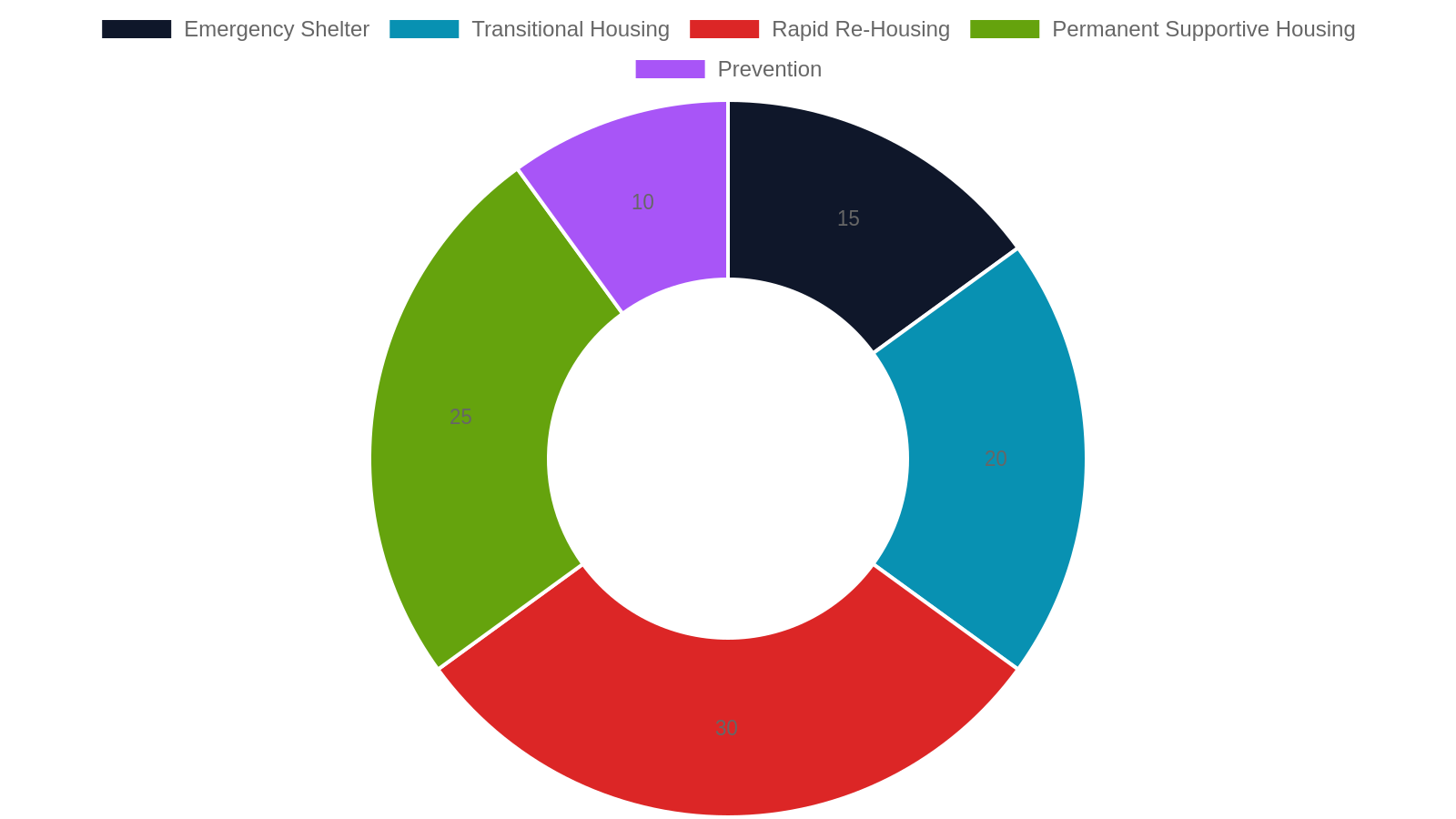
Upper Cumberland Housing Program Types at a Glance
Not sure which type of housing program fits your situation? This table breaks down the key differences so you can ask the right questions when you contact HART or 211.
9. How the Continuum of Care System Works for You

The CoC system can feel like bureaucratic alphabet soup — CoC, CES, HUD, TAY — but understanding the basics puts you in the driver’s seat. Here’s a plain-language breakdown of how it all fits together in Upper Cumberland.
What Is a Continuum of Care (CoC)?
A Continuum of Care (CoC) is a regional planning body funded by the U.S. Department of Housing and Urban Development (HUD) that coordinates homeless services across a defined geographic area. Tennessee has 10 CoCs, each covering different counties. Upper Cumberland falls under CoC TN-506, which is one of the state’s rural CoCs.
The CoC system matters for young adults because it determines:
- Which organizations receive HUD funding to serve you
- How the Coordinated Entry System works in your area
- What the regional priorities are (e.g., how much emphasis is placed on youth homelessness vs. chronic homelessness)
- How data is collected and used to advocate for more resources
Coordinated Entry: The Front Door to Services
Coordinated Entry (CE) is the process by which people experiencing homelessness are assessed, prioritized, and matched to available housing resources in a CoC. Think of it as a single front door that connects you to the right program rather than having to knock on 10 different doors yourself.
In CoC TN-506, HART manages the Coordinated Entry System. The process typically involves:
- An initial outreach contact or self-referral (via 211 or HART directly)
- A standardized assessment of your housing history and needs
- Being placed on a prioritization list matched to your level of need
- A referral to a specific program when a slot opens up
Youth-specific assessments are available — ask for a TAY assessment specifically, as it uses different tools designed for young adults and may result in faster access to youth-designated resources.
10. The Youth Action Board (YAAB) in Upper Cumberland: Your Peer Network

One of the most powerful things you can do — for yourself and for other young people in Upper Cumberland — is connect with peers who’ve been through it. YAAB is that connection, and it’s built specifically for and by transition-age youth in Tennessee.
What YAAB Does and Why It's Different
The Youth Action Board (YAAB) of Tennessee is a statewide network of young adults ages 17 to 25 with lived experience of homelessness and housing instability. YAAB members don’t just receive services — they shape the policies, programs, and resources that affect transition-age youth across Tennessee’s CoC regions, including Upper Cumberland (TN-506).
This is peer-driven advocacy, not a top-down program. YAAB members sit at tables where decisions are made, give feedback on how programs are working (or not working), and connect their peers to resources. If you’ve been through the system, your experience is not just valid — it’s valuable and needed.
How to Connect with the TN-506 YAAB Chapter
The local YAAB chapter for Upper Cumberland operates within the TN-506 CoC. Connecting with your regional YAAB means:
- Getting peer support from young adults who’ve navigated the same systems you’re dealing with
- Learning about resources and opportunities that aren’t always widely advertised
- Having a voice in how housing programs are designed and funded in your region
- Building leadership skills, advocacy experience, and a network that can open doors professionally
You can connect with the Upper Cumberland YAAB chapter for TN-506 to find out about meetings, current projects, and how to get involved. No experience required — just your story and your willingness to show up.
11. Additional Resources Across Tennessee's CoC Network

Upper Cumberland is one piece of a larger statewide system. Knowing what’s available both locally and across Tennessee means you can access help no matter where you are — and connect with a broader community of young people working toward the same goals.
Statewide Resources Available to Upper Cumberland Youth
Even if you’re in a rural part of Upper Cumberland, you can access several statewide resources:
- 211 Tennessee: Free, confidential, 24/7 referral service — dial or text 211 from anywhere in the state
- Tennessee’s Benefits Portal (tn.gov): Apply for TennCare, SNAP (food assistance), and other benefits online
- Tennessee Legal Aid (Legal Aid Society of Middle Tennessee and the Cumberlands): Free civil legal help for low-income Tennesseans, including housing cases
- National Runaway Safeline: 1-800-RUNAWAY — for young people in crisis, available 24/7
- Trevor Project: Crisis support for LGBTQ+ young people — 1-866-488-7386 or text START to 678-678
Other Tennessee YAAB Regional Chapters
If you’re moving around Tennessee or connecting with peers in other regions, YAAB has chapters across the state’s CoC network. Each chapter is rooted in local lived experience but connected to the statewide network. You can explore all Tennessee YAAB regional chapters to find the one closest to where you are now — whether that’s Memphis, Nashville, Knoxville, Chattanooga, or another region.
The statewide YAAB network also means that advocacy wins in one region can spread to others. When Upper Cumberland youth push for better youth-specific housing resources in TN-506, that work informs what advocates in TN-501 (Memphis) or TN-502 (Nashville) are doing too.
Ready to Take Your Next Step in Upper Cumberland?

You’ve made it through a lot of information. Here’s the bottom line: help exists in Upper Cumberland Tennessee, you deserve to access it, and you don’t have to figure it out alone. Here’s how to move forward today.
Start With One Phone Call or One Click
If you’re in a housing crisis right now, your first move is simple: dial 211. From there, you’ll be connected to HART and the Coordinated Entry System for CoC TN-506. If you have a few minutes to research before you call, knowing which program type fits your situation — emergency shelter, rapid re-housing, or transitional housing — will help you ask the right questions.
If you’re not in crisis but want to build your knowledge, skills, and network, connecting with YAAB is your move. You don’t need to have everything figured out. You just need to reach out.
Get Involved, Get Supported, Get Heard
Every young adult in Upper Cumberland Tennessee deserves safe, stable housing — and the system works better when the people who’ve lived through it have a seat at the table. Whether you’re looking for housing help, peer support, or a way to turn your experience into advocacy, there’s a place for you.
Explore the full range of what YAAB does and how it can work for you by visiting the YAAB About page, or check out the YAAB resources page for a curated list of housing, education, employment, and mental health tools across Tennessee. And when you’re ready to connect with peers in your region, the Upper Cumberland YAAB chapter (TN-506) is waiting for you.
Your story matters. Your voice matters. And in Upper Cumberland — and across Tennessee — there are people ready to walk alongside you.
Frequently Asked Questions
What is HART in Upper Cumberland Tennessee?
HART stands for Homeless Assistance of the Upper Cumberland. It is the lead coordinating agency for CoC TN-506, managing the Coordinated Entry System and connecting people to emergency shelter, rapid re-housing, transitional housing, and other services across the 14-county Upper Cumberland region. Contact them through 211 Tennessee or directly in Cookeville.
How do I get housing help as a young adult in Cookeville or Upper Cumberland?
Start by dialing or texting 211 — it's free, confidential, and available 24/7 across Tennessee. You'll be connected to HART and the Coordinated Entry System for CoC TN-506. Ask specifically for a youth (TAY) assessment, which may open access to youth-designated housing resources with shorter waitlists.
Can I get housing help if I'm couch-surfing and not literally on the street?
Yes. Couch-surfing, staying in a car, doubling up in unsafe or overcrowded conditions, and staying in motels without a stable lease all count as housing instability under federal definitions. You may qualify for prevention, diversion, or rapid re-housing programs — contact HART or 211 to find out what you're eligible for.
What housing rights do I have if I aged out of foster care in Tennessee?
If you aged out of Tennessee foster care, you may qualify for Extended Foster Care services up to age 21, Chafee-funded housing and education support up to age 23, and TennCare health coverage up to age 26 — regardless of income. Contact the DCS Upper Cumberland regional office in Cookeville to reconnect with these benefits.
What is the Youth Action Board (YAAB) and how do I join in Upper Cumberland?
YAAB is a statewide network of young adults ages 17–25 with lived experience of homelessness who advise policymakers and connect peers to resources across Tennessee. The Upper Cumberland chapter operates within CoC TN-506. You can connect with the local chapter at yaabtn.org/local-yaabs/tn-506/ — no prior experience is needed, just your story.
Are there free GED or job training programs for young adults in Upper Cumberland?
Yes. The Upper Cumberland Human Resource Agency (UCHRA) administers WIOA Youth employment services, and TCAT campuses in Livingston and Crossville offer adult education and vocational training. The Tennessee Reconnect Grant can cover tuition at community colleges and TCATs for adults without a degree. The Cookeville American Job Center also provides free job search and skills services.