Quick answer: In Chattanooga and Nashville, several youth-led and youth-centered housing programs are actively working to get transition-age young adults (ages 17–25) off the streets and into stable homes. From rapid rehousing and transitional living to host-home networks and peer-navigator models, these programs are shaped by young people with lived experience — not just designed for them. This article breaks down 7 of the most impactful initiatives, explains how each one works, who qualifies, and how you can connect with them or get involved in shaping them through Tennessee's Youth Action Board network.
Why Youth-Led Housing Programs Matter in Tennessee

Tennessee has made meaningful progress on youth homelessness over the past decade, but the work is far from done. What’s changing the game isn’t just more funding — it’s who is driving the solutions. Across Chattanooga and Nashville, a new generation of youth-led housing programs is proving that young adults with lived experience are the most powerful force for lasting change.
Understanding these programs — how they work, who they serve, and how they’re shaped by the people who use them — is the first step toward accessing them, supporting them, or joining the movement yourself.
The Scale of Youth Homelessness in Tennessee
On any given night in Tennessee, thousands of young adults between 17 and 25 are sleeping in shelters, cars, motels, or on friends’ couches. According to the Tennessee Interagency Council on Homelessness, transition-age youth (TAY) make up a significant and often undercounted share of the state’s unhoused population. In Hamilton County (Chattanooga) and Davidson County (Nashville) alone, Point-in-Time counts have consistently identified hundreds of youth experiencing homelessness each year — and advocates widely agree those numbers undercount the real total.
What makes youth homelessness distinct is its causes: aging out of foster care, family rejection (especially for LGBTQ+ youth), domestic violence, and the gap between teen services and adult systems. Young adults often fall through the cracks precisely because they’re too old for child welfare and too young to navigate adult bureaucracy alone.
What 'Youth-Led' Actually Means
Youth-led means that people with lived experience of homelessness and housing instability are in the room when decisions get made — not just as token voices, but as advisors, board members, program designers, and peer navigators. It’s the difference between a program built for young people and one built with and by them.
Research consistently shows that youth-informed programs have higher engagement rates, lower dropout rates, and better long-term housing outcomes. When a peer who has been through the system explains a housing application, the process feels less intimidating. When young adults help write shelter rules, those rules are more likely to be followed. Youth leadership isn’t just feel-good — it’s evidence-based strategy.
1. Rapid Rehousing for Youth in Nashville (Davidson County)

Nashville is Tennessee’s largest city and home to one of the state’s most developed youth housing ecosystems. Rapid Rehousing is the backbone of that system — a proven, cost-effective intervention that prioritizes getting young adults into stable housing fast, then building the support around them. Here’s how it works in Davidson County and how you can access it.
How Rapid Rehousing Works for Young Adults
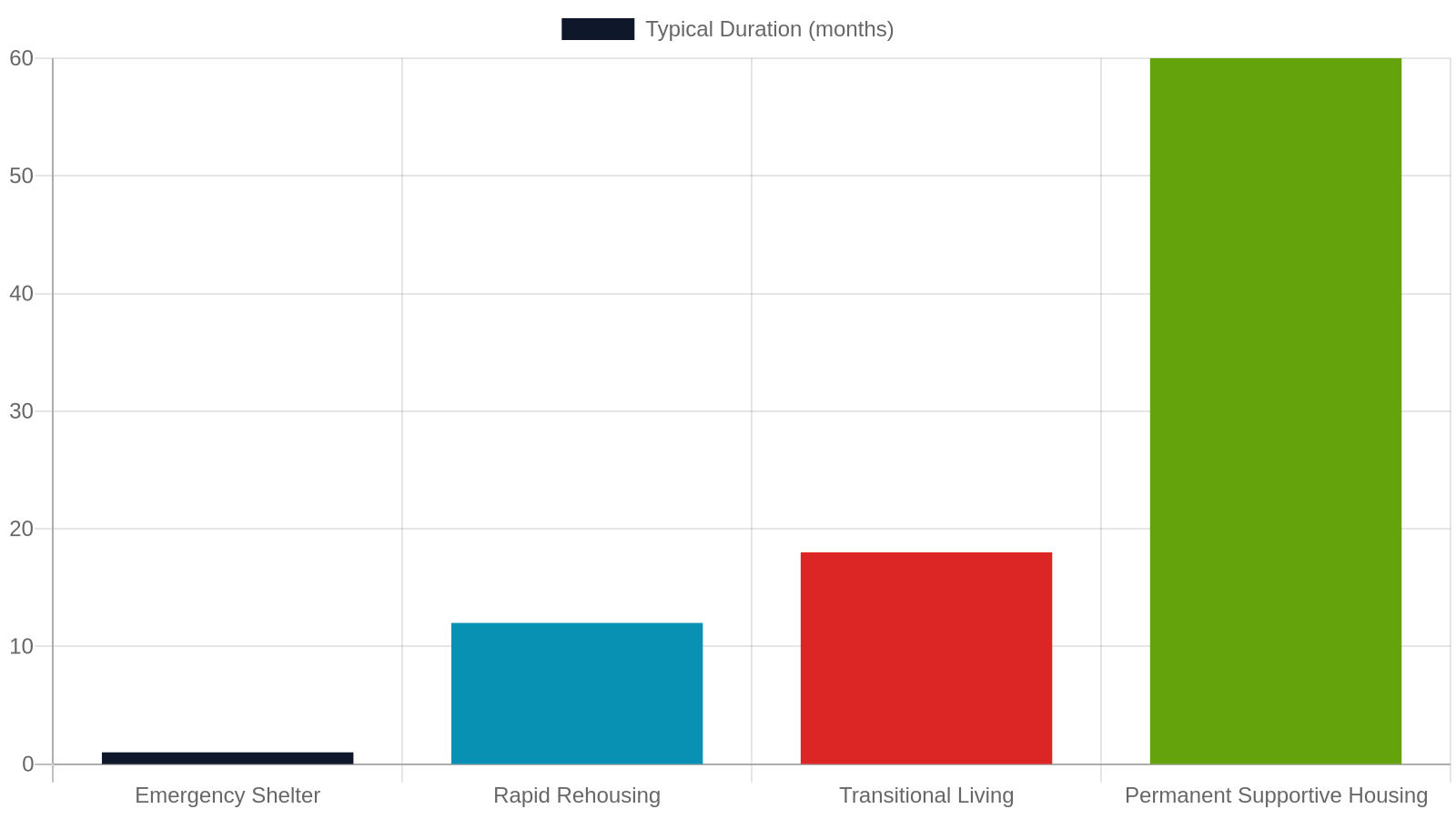
Rapid Rehousing (RRH) is a housing-first model that moves young adults out of homelessness and into their own apartment or rental unit as quickly as possible — typically within 30 to 90 days — and then provides short-term financial assistance and case management to help them stay housed. In Nashville’s Continuum of Care (CoC TN-500), RRH for youth is coordinated through the Metro Social Services system and several nonprofit partners including Conexión Américas and the Nashville YWCA.
For transition-age youth, RRH programs typically cover security deposits, first and last month’s rent, and up to 12–24 months of rental assistance, depending on need. Case managers — many of whom are peers with their own lived experience — help young adults build the skills to maintain housing long-term.
Who Qualifies and How to Access It
To access Rapid Rehousing in Nashville, young adults ages 17–25 typically need to be assessed through the Coordinated Entry System (CES), which is Nashville’s centralized intake process for homeless services. You can access CES by calling 211, visiting a walk-in assessment site, or connecting with a street outreach worker.
- Age: 17–25 (some programs extend to 24 or 25 specifically for TAY)
- Status: Currently experiencing homelessness or at imminent risk
- Documentation: Programs are designed to work with limited or no documentation — don’t let a missing ID stop you from asking
Youth who have aged out of foster care may have priority access through Tennessee’s Fostering Futures program, which provides additional rental subsidies for former foster youth up to age 26.
2. Transitional Living Programs in Chattanooga (Hamilton County)
For young adults who need more than a fast placement — who are working through trauma, building job skills, or navigating the transition out of foster care — Transitional Living Programs in Chattanooga offer a structured, supportive bridge to independence. These aren’t halfway houses. They’re launching pads.
What Transitional Living Looks Like in Chattanooga
Transitional Living Programs (TLPs) provide longer-term, structured housing — typically 6 to 24 months — for young adults who need more support than a rapid rehousing placement offers. In Chattanooga (CoC TN-503), the anchor TLP for youth is operated by Chambliss Center for Children, which runs a dedicated transitional living unit for young adults ages 18–21, with wraparound services including life skills coaching, mental health support, and employment readiness.
Unlike emergency shelters, TLPs give young adults their own room or shared apartment-style unit, a stable address for job applications and school enrollment, and consistent access to a case manager. The goal is to graduate participants into fully independent housing with the skills and income to sustain it.
Youth Voice Inside Chattanooga's TLPs
What sets Chattanooga’s transitional living landscape apart is the growing role of youth voice in shaping program rules and culture. Through partnerships with the local YAAB chapter for TN-503, residents in transitional living programs have participated in focus groups that directly changed intake procedures, curfew policies, and how staff communicate with residents.
This isn’t just goodwill — it’s policy. Tennessee’s Continuum of Care partners are increasingly required by HUD to demonstrate meaningful youth engagement as a condition of funding. That means the feedback young adults give in programs like Chattanooga’s TLPs actually shapes the dollars and rules that govern those programs statewide. Your voice has leverage.
3. Host Home Networks: A Community-Based Alternative

Not every young adult does well in a shelter or group setting — and that’s not a character flaw, it’s a reality. Host home programs offer a more intimate, community-rooted alternative that has proven especially effective for youth who need stability without the institutional feel of a traditional program. Both Nashville and Chattanooga have versions of this model, at different stages of development.
How Host Home Programs Work
Host home programs match young adults experiencing homelessness with community volunteers — screened, trained adults — who open their homes for a period of 3 to 12 months. The young adult gets a safe, private room; the host gets a small stipend and ongoing support from the coordinating nonprofit. A case manager stays connected to both parties throughout the match.
In Nashville, Oasis Center has operated one of the most established host home programs in Tennessee, placing youth ages 18–24 with vetted community hosts. The model is particularly effective for LGBTQ+ youth who may face rejection at home and feel unsafe in congregate shelter settings. Host home placements have a strong track record: national data shows roughly 80% of youth in host home programs move into stable independent housing after their placement ends.
Host Homes in Chattanooga: An Emerging Model
Chattanooga is in earlier stages of developing its host home infrastructure, with local faith communities and nonprofits piloting small-scale matching programs. The Chattanooga Room in the Inn network has historically focused on adults but has explored TAY-specific tracks in response to advocacy from young people and CoC partners.
If you’re a young adult in Chattanooga interested in a host home placement, the best first step is connecting with your local YAAB or calling 211 to ask specifically about host home options in Hamilton County. The landscape is growing — and youth advocates are pushing for more investment in this model precisely because it works for people who don’t thrive in shelter environments.
4. Peer Navigator Programs: Youth Helping Youth Find Housing

One of the most powerful shifts in youth housing services over the past decade has been the rise of peer navigator programs — models that hire young adults with lived experience to guide their peers through the housing system. In Tennessee, this model is growing fast, and it’s creating both better outcomes for youth seeking housing and real jobs for young adults who’ve been through it themselves.
What Peer Navigators Do
A peer navigator is someone who has been through the housing and homelessness system themselves and is now paid to help others navigate it. They’re not social workers in the traditional sense — they’re guides who speak from experience, not from a textbook. In both Nashville and Chattanooga, peer navigator roles have become a cornerstone of youth-centered housing programs.
Peer navigators help young adults with tasks like: completing housing applications, understanding lease agreements, accessing emergency rental assistance, connecting to mental health services, and advocating for themselves with landlords or case managers. Because they’ve been there, they know the shortcuts, the gotchas, and the questions worth asking. Studies show that peer-supported housing interventions can reduce the time to housing placement by up to 30% compared to traditional case management alone.
How to Find or Become a Peer Navigator in Tennessee
In Nashville, peer navigator roles are embedded in organizations like Oasis Center, Renewal House, and the Metro Homelessness Commission’s youth-specific programs. In Chattanooga, peer navigation is growing through the work of Chambliss Center and CoC TN-503 partners.
If you’re a young adult with lived experience of homelessness and want to turn that experience into paid work that helps others, peer navigation is a real career pathway. Most positions require: being 18 or older, having personal experience with homelessness or housing instability, and completing a brief paid training. Some positions are part-time with flexible hours — designed to work around school or other jobs. Ask your local YAAB chapter about current openings or training opportunities in your region.
5. Permanent Supportive Housing for High-Need Youth

For young adults facing the most complex barriers — serious mental health challenges, chronic homelessness, or both — Rapid Rehousing alone isn’t always enough. Permanent Supportive Housing offers a longer-term solution with the services built in. Here’s what’s available in Tennessee’s two largest cities and how to access it.
What Permanent Supportive Housing Offers
Permanent Supportive Housing (PSH) combines long-term, subsidized housing with on-site or closely connected support services — mental health care, substance use treatment, life skills, and employment help. It’s designed for young adults with the highest barriers to housing stability: those with serious mental health conditions, chronic health needs, or long histories of homelessness.
In Nashville, PSH for youth is available through several HUD-funded projects coordinated through the Metro CoC (TN-500). Units are typically studio or one-bedroom apartments where the tenant pays no more than 30% of their income in rent, with the rest covered by a federal subsidy. Waitlists can be long — sometimes 6 to 18 months — which is why connecting with the Coordinated Entry System early matters.
PSH in Chattanooga: What's Available
In Hamilton County, Permanent Supportive Housing for transition-age youth is more limited than in Nashville, but it exists and is expanding. The Chattanooga Regional Homeless Coalition coordinates PSH placements through CoC TN-503, with priority given to youth who are chronically homeless — defined as having experienced homelessness for at least 12 months continuously, or on at least 4 separate occasions totaling 12 months in the past 3 years.
Advocacy from YAAB members in the Chattanooga region has been central to pushing for more PSH units specifically designated for TAY. If you’re a young adult who needs this level of support, don’t self-screen out — let a case manager or peer navigator assess your eligibility. The criteria can be more flexible than they sound on paper.
6. LGBTQ+ Affirming Housing Programs in Nashville and Chattanooga

Any honest conversation about youth-led housing programs in Tennessee has to center LGBTQ+ young adults — because they are disproportionately affected by homelessness and because their needs are often poorly served by mainstream shelter programs. Both Nashville and Chattanooga have resources, though the landscape is still developing and advocacy is actively pushing it forward.
Why LGBTQ+ Youth Need Dedicated Housing Options
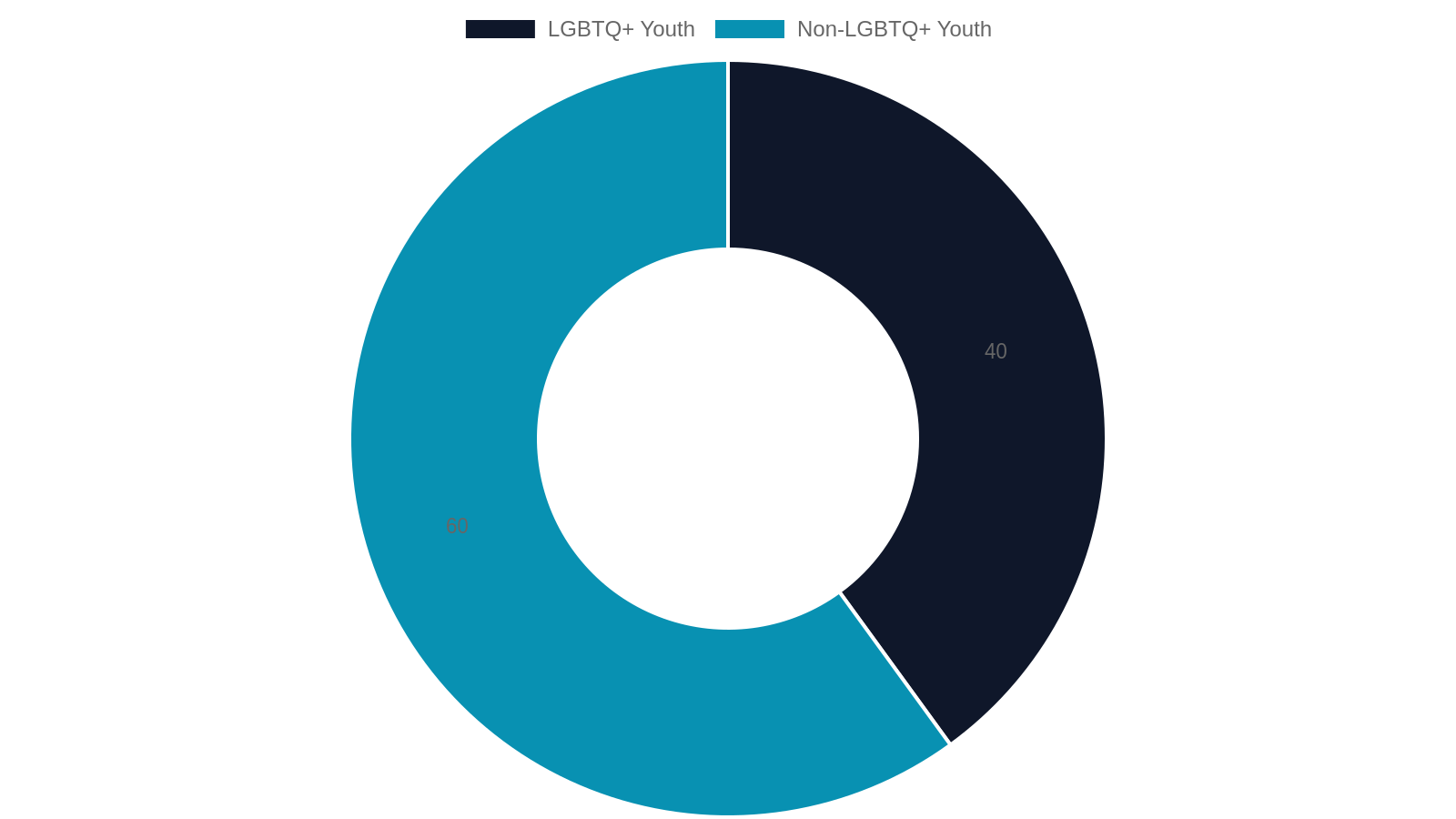
LGBTQ+ young adults are dramatically overrepresented in the youth homeless population. National research from the Trevor Project and True Colors United consistently finds that LGBTQ+ youth make up approximately 40% of all youth experiencing homelessness, despite being roughly 7–10% of the general youth population. The leading cause? Family rejection. In Tennessee, where LGBTQ+ youth may face particular hostility at home and in some shelter environments, affirming housing options are not a luxury — they’re a safety issue.
Many standard shelter environments are not safe for LGBTQ+ youth. Misgendering, harassment, and even violence in congregate settings push young people back onto the streets. Affirming programs address this by training staff, setting explicit anti-discrimination policies, and creating environments where every young person can be themselves.
Affirming Programs to Know in Nashville and Chattanooga
In Nashville, Oasis Center’s host home program is explicitly LGBTQ+ affirming, with host families screened for inclusivity. The organization also offers drop-in services, mental health referrals, and peer support specifically for LGBTQ+ youth. The Nashville LGBTQ+ Chamber and local advocacy organizations maintain updated resource lists for housing and emergency support.
In Chattanooga, the Chattanooga Pride Center maintains connections to housing resources and can help LGBTQ+ young adults navigate local services safely. While a dedicated LGBTQ+ youth shelter does not yet exist in Chattanooga, advocacy from YAAB members and CoC partners is actively pushing for one. In the meantime, peer navigators can help identify which existing programs have strong affirming policies and which to approach with caution.
7. Youth Action Board: Shaping the Programs Themselves

The most important youth-led housing program in Tennessee isn’t a shelter or a subsidy — it’s the Youth Action Board itself. YAAB is the mechanism through which young people with lived experience actually shape the policies and programs described throughout this article. Here’s how it works in Chattanooga and Nashville, and how you can be part of it.
What YAAB Does in Chattanooga and Nashville
The Youth Action Board of Tennessee (YAAB) isn’t just a resource — it’s a seat at the table. In both Chattanooga (CoC TN-503) and Nashville (CoC TN-500), local YAAB chapters bring together young adults ages 17–25 with lived experience of homelessness to advise Continuum of Care leadership, review funding applications, and push for policy changes that reflect what young people actually need.
YAAB members in Nashville have contributed to shaping the city’s Youth Action Plan, advocated for more TAY-specific housing units in the annual CoC funding competition, and participated in Point-in-Time Count planning to ensure youth are counted accurately. In Chattanooga, YAAB members have engaged Hamilton County leadership on shelter rules, transitional living policies, and LGBTQ+ affirming practices. This is real policy work — not performative consultation.
How to Join Your Local YAAB Chapter
Joining YAAB is one of the most powerful things a young adult with lived experience can do — not just for themselves, but for every young person who comes after them. Membership is open to young adults ages 17–25 who have experienced homelessness or housing instability. You don’t need a resume, a degree, or any prior advocacy experience. You need your story and your willingness to show up.
Local chapters meet regularly (in person and virtually), and members receive training, peer support, and in some cases stipends for their participation. To find your regional chapter — whether you’re in Nashville, Chattanooga, Memphis, Knoxville, or elsewhere in Tennessee — explore the full list of local YAAB chapters and connect with the one closest to you. Your voice is the whole point.
7 Youth Housing Program Types at a Glance
Use this table to quickly compare the seven program types covered in this article — what they offer, how long they last, who they're best for, and where to start in Nashville or Chattanooga.
How These Programs Compare: A Side-by-Side Look

With seven different program types across two cities, it can be hard to know where to start. This section breaks down the key differences so you can find the best fit for where you are right now — and where you want to go.
Choosing the Right Program for Your Situation
No two young adults have the same needs, and no single program is the right fit for everyone. The comparison table below is designed to help you quickly identify which type of program might match your current situation — whether you need housing tonight, a stable place for the next year, or a long-term subsidized unit with services built in.
A few things to keep in mind as you read it: eligibility criteria are guidelines, not walls. Always ask a peer navigator or case manager to walk through your specific situation before assuming you don’t qualify. And remember that programs in Nashville and Chattanooga are connected through the Coordinated Entry System — one assessment can open doors to multiple program types at once.
Know Your Rights as a Young Adult Experiencing Homelessness

Programs are only part of the picture. Knowing your rights is just as important as knowing what programs exist — because rights give you power even when programs fall short. Here are the key legal protections that apply to young adults experiencing homelessness in Tennessee, at both the federal and state level.
Federal Protections You Should Know
Young adults experiencing homelessness have legal rights — and knowing them can change what happens to you. Under the McKinney-Vento Homeless Assistance Act, youth who are unhoused have the right to enroll in school immediately, without proof of address, immunization records, or other documentation that housed students are required to provide. This applies through high school and to GED programs.
The HEARTH Act and HUD regulations require that Continuum of Care programs receiving federal funding be non-discriminatory and accessible. If you are denied services based on your gender identity, sexual orientation, race, or disability status, that may be a violation of federal law — and you have the right to file a complaint. YAAB members and peer navigators can help you document and report these situations.
Tennessee-Specific Rights and Protections
In Tennessee, young adults ages 18 and older can sign leases, access medical care, and make legal decisions without parental consent. For youth ages 16–17, Tennessee law allows for emancipation, which grants full legal adult status and the ability to enter into housing contracts independently.
Youth who have aged out of foster care in Tennessee may be eligible for Fostering Futures benefits, including rental assistance, educational support, and Medicaid coverage through age 26. If you were in Tennessee’s foster care system and didn’t know about these benefits, it’s not too late to ask — contact the Tennessee Department of Children’s Services or a local YAAB member who can connect you to the right resources.
Resources Beyond Housing: Education, Jobs, and Mental Health

Housing is the foundation — but it’s not the whole building. Once you have a stable place to live, or even while you’re working toward one, connecting to education, employment, and mental health resources dramatically increases your chances of long-term stability. Here’s what’s available in Nashville and Chattanooga beyond the housing programs themselves.
Education and GED Pathways in Nashville and Chattanooga
Stable housing and education go hand in hand — it’s nearly impossible to focus on school when you don’t know where you’re sleeping. Both Nashville and Chattanooga have resources specifically designed to help young adults experiencing homelessness continue or restart their education.
In Nashville, Tennessee Achieves and the Nashville Adult Literacy Council offer free GED prep and adult education. In Chattanooga, Chattanooga State Community College has a dedicated program for students experiencing homelessness, including priority registration and emergency funds. Under McKinney-Vento, school liaisons are required in every Tennessee district — ask your shelter or case manager to connect you with yours.
Employment and Mental Health Support
Employment programs specifically for transition-age youth exist in both cities. In Nashville, The Next Door and Conexión Américas offer job training and placement with wraparound support. In Chattanooga, Workforce Connections and the Hamilton County Department of Education’s career pathways programs are accessible to youth who are out of school.
Mental health is inseparable from housing stability. Both cities have community mental health centers that operate on sliding-scale fees, and Tennessee’s TennCare (Medicaid) covers mental health services for eligible young adults. If you’re uninsured and under 26, you may qualify — ask a peer navigator or visit the YAAB resources page for a curated list of mental health and support services across Tennessee.
Ready to Get Involved? Your Next Move in Tennessee

You’ve read about seven youth-led housing programs making a real difference in Chattanooga and Nashville. Now the question is: what’s your next move? Whether you need housing, want to help others find it, or are ready to shape the policies behind it — there’s a place for you in this work. Here’s how to take that first step.
Connect With a Program or a Local YAAB Today
Whether you’re looking for housing right now, want to support a friend who is, or you’re ready to turn your lived experience into advocacy — there’s a clear next step for you. Start by calling 211, Tennessee’s statewide information and referral line, which can connect you to housing programs, shelter, food, and other services in your county. It’s free, confidential, and available 24/7.
If you’re in Nashville or Chattanooga and want to go deeper — to help shape the programs, not just use them — reach out to your local YAAB chapter. You can explore current YAAB projects and initiatives to see the real policy and program work that young adults across Tennessee are driving right now. This is where lived experience becomes leadership.
Spread the Word to Peers Who Need It
One of the most powerful things you can do is share what you know. If you’ve found a program that helped you, tell someone else about it. If you know a young adult who is sleeping in their car or couch-surfing, walk them through the 211 call or offer to go with them to an assessment. Peer-to-peer connection is how most young adults actually find housing resources — not through official channels, but through people they trust.
You can also share this article, bookmark the YAAB guide to understanding youth homelessness in Tennessee, and follow YAAB on social media to stay current on new programs, advocacy wins, and opportunities to get involved across all seven Tennessee CoC regions — from Memphis and Nashville to Chattanooga, Knoxville, and beyond.
Frequently Asked Questions
What housing programs are available for young adults ages 17 to 25 in Nashville Tennessee?
Nashville (CoC TN-500) offers Rapid Rehousing, Permanent Supportive Housing, host home programs through Oasis Center, and peer navigator services. Access starts with a call to 211, which connects you to the Coordinated Entry System for a needs assessment.
Are there youth-specific homeless shelters in Chattanooga Tennessee?
Yes. Chambliss Center for Children operates transitional living and shelter services for youth in Chattanooga (Hamilton County, CoC TN-503). The Chattanooga Regional Homeless Coalition coordinates additional resources. Call 211 to find current availability and get assessed.
What is the Youth Action Board of Tennessee and how do I join?
YAAB is a statewide network of young adults ages 17–25 with lived experience of homelessness who advise Tennessee's Continuum of Care regions on policy and programs. You can join by visiting yaabtn.org/join or contacting your nearest local YAAB chapter. No prior experience required.
Can I access housing help in Tennessee without an ID or documents?
Yes. Most youth housing programs in Tennessee are designed to work with young adults who have limited or no documentation. Don't let a missing ID stop you from reaching out. Peer navigators and case managers can help you obtain documents while you're being housed.
What housing rights do LGBTQ+ youth have in Tennessee?
LGBTQ+ youth have the right to be free from discrimination in HUD-funded housing programs under federal equal access rules. If you're denied services or mistreated based on your gender identity or sexual orientation in a federally funded program, you can file a complaint. Organizations like Oasis Center in Nashville can help you navigate this.
What benefits are available for young adults who aged out of foster care in Tennessee?
Tennessee's Fostering Futures program provides rental assistance, Medicaid coverage, and educational support for former foster youth up to age 26. If you aged out of the Tennessee foster care system and weren't connected to these benefits, contact the Tennessee Department of Children's Services or a local YAAB member for help.