Quick answer: Memphis-area Youth Action Board (YAAB) members — young adults ages 17 to 25 with lived experience of homelessness — have a clear message for case managers: slow down, listen first, and treat youth as partners rather than case files. The nine pieces of advice in this article come directly from transition-age youth navigating Tennessee's Continuum of Care (CoC) system in Shelby County and beyond. They cover trust-building, trauma-informed communication, practical navigation of housing and benefits, and how to connect youth to peer-led spaces like the local YAAB so they can lead their own recovery.
Why Youth Voices Must Drive Case Management Practice

The Youth Action Board of Tennessee’s Memphis/Shelby County region (CoC TN-502) is made up of young adults who have navigated the very systems their case managers work within. Their perspective isn’t theoretical — it’s earned. Before diving into specific recommendations, it’s worth understanding why centering youth voice in case management practice isn’t just a feel-good idea: it’s a measurable strategy for better outcomes.
Lived Experience Is Expertise
When a young person has spent months couch-surfing, sleeping in shelters, or aging out of foster care with nowhere to go, they have accumulated knowledge that no textbook can replicate. They know which shelters enforce curfews that conflict with second-shift jobs. They know which landlords will actually rent to someone with an eviction on their record. They know how long the waitlist at a particular transitional housing program really runs — not the number on the website, but the real number.
Case managers who treat that knowledge as equal to their own professional training build faster, more durable plans. Those who don’t often find that youth disengage, miss appointments, or simply disappear from the system entirely — not because they don’t want help, but because the help didn’t feel relevant to their actual lives.
The Data Behind Youth Disengagement
Nationally, studies from Chapin Hall’s Voices of Youth Count initiative found that 4.2 million young adults ages 18 to 25 experience homelessness in a given year in the United States, and a significant share cycle in and out of services without achieving stable housing. In Tennessee, the statewide Point-in-Time count consistently shows transition-age youth (TAY) as one of the fastest-growing subpopulations experiencing homelessness.
Disengagement from services is rarely random. Research repeatedly links it to feeling unheard, judged, or over-managed by providers. That’s exactly what Memphis YAAB members report when they reflect on their own experiences with case managers — and it’s what drives the nine recommendations below.
1. Start With Relationship, Not Paperwork

Every YAAB member interviewed for this article named the same starting point: relationship before paperwork. This isn’t a soft suggestion — it’s the single most frequently cited factor in whether a young person stays engaged with services or walks away. Case managers in Shelby County’s CoC system often carry caseloads of 30 or more clients, and the pressure to complete intake documentation quickly is real. But rushing past relationship-building costs far more time in the long run when youth disengage and have to be re-enrolled.
The First Appointment Sets the Tone for Everything
YAAB members consistently describe the first encounter with a case manager as make-or-break. When a young person walks in — often having navigated multiple bus transfers, rearranged a work shift, or worked up significant courage — and the first thing they see is a clipboard full of intake forms, it signals that the system cares more about its own data than about them as a person.
What works instead: Spend the first 10 to 15 minutes just talking. Ask open-ended questions: “What’s been going on lately?” or “What would make the biggest difference in your life right now?” Let the young person set the agenda for that first conversation. The paperwork will still be there — and it will be filled out more accurately once trust exists.
Consistency Builds Trust Over Time
Many transition-age youth in Memphis and across Tennessee have experienced repeated disruptions in relationships with adults — foster care placement changes, school transfers, family instability. A case manager who shows up consistently, returns calls within 24 hours, and remembers details from previous conversations is, for some young people, one of the most stable adult relationships they’ve ever had.
That’s a significant responsibility, and YAAB members want case managers to take it seriously. High caseloads are real, and no one is asking for the impossible — but even small acts of consistency (a quick check-in text, remembering a young person’s job interview date) compound into genuine trust over weeks and months.
2. Learn How Tennessee's CoC System Actually Works — From a Youth Perspective

Understanding the Continuum of Care from the inside is very different from understanding it from a training manual. Memphis YAAB members want case managers to invest time in learning the lived experience of navigating the TN-502 CoC — including its friction points, its waitlists, and the informal knowledge that determines who actually gets housed fastest. That kind of on-the-ground knowledge makes case managers dramatically more effective.
The Gap Between Policy and Experience
Tennessee’s Continuum of Care network is organized into regional CoCs — TN-500 through TN-509 — each with its own coordinated entry process, prioritization criteria, and local service landscape. Case managers are trained in how these systems work on paper. But the youth experience of navigating them is often radically different.
In Memphis (TN-502), young adults report that coordinated entry assessments can feel intimidating and that the connection between completing an assessment and actually getting housed is opaque. “Nobody told me what happened after I filled out the form,” is a phrase YAAB members hear constantly from peers. Case managers can close this gap by walking youth through each step explicitly — not assuming that because the process makes sense to a professional, it makes sense to someone experiencing it for the first time.
Youth-Specific Programs and Eligibility Cliffs
Tennessee has several youth-specific housing and support programs, including Rapid Re-Housing for youth, transitional housing programs, and host home models. Each has age eligibility windows that can cut off abruptly — a young person who turns 25 may suddenly lose access to programs they were counting on.
YAAB members want case managers to proactively plan for eligibility transitions, not address them at the last minute. If a 24-year-old is in a youth-specific program, their case manager should be building a bridge to adult CoC resources at least six months before the birthday, not six weeks. This kind of forward planning is one of the most concrete ways case managers can demonstrate that they see the young person’s future, not just their current crisis.
3. Use Trauma-Informed Language — and Know What It Actually Means

Language shapes power dynamics. In a case management relationship, the professional holds significant formal power — they control access to housing assessments, referrals, and documentation. The words they choose either reinforce that power imbalance or begin to level it. Memphis YAAB members are specific and consistent about which phrases build trust and which ones erode it almost instantly.
Words That Help vs. Words That Harm
“Trauma-informed” has become a buzzword in social services, but YAAB members say they can tell immediately whether a case manager has internalized it or is just using the vocabulary. Harmful language patterns they identify most often include: labeling youth as “non-compliant” when they miss appointments without exploring why; describing young people as “resistant to services” when they push back on plans that don’t fit their lives; and using deficit-focused language like “at-risk” or “troubled” in front of the young person.
Language that works: Strength-based framing — “You’ve navigated a lot to get here” rather than “You’ve been through a lot of trauma.” Asking permission before discussing difficult topics. Normalizing that some days are harder than others without making it pathological.
Understanding Trauma Responses as Logical Adaptations
A young person who is guarded, skeptical, or slow to share personal information is not being difficult. They are behaving in ways that kept them safe when adults in their lives were unreliable or harmful. YAAB members want case managers to hold that frame consistently — not just in training, but in the moment when a youth is late, argumentative, or seems uninterested.
The question to ask internally is: “What happened to this person that makes this response make sense?” That single reframe, drawn from the work of Dr. Bruce Perry and widely adopted in trauma-informed care frameworks, changes the entire dynamic of a case management relationship. It moves the case manager from frustration to curiosity — and youth can feel that difference.
4. Meet Youth Where They Are — Literally and Figuratively

“Meeting youth where they are” is a phrase that appears in nearly every social services training. But YAAB members in Memphis want to make it concrete: it means accounting for the actual geography, transportation infrastructure, technology access, and daily schedules of young adults who are often working irregular hours, navigating shelter rules, or caring for younger siblings. Flexibility isn’t a courtesy — it’s a prerequisite for effective case management with this population.
Transportation Is a Real Barrier in Memphis
Memphis has one of the most car-dependent urban geographies in the South. The MATA bus system covers significant ground, but trip times of 60 to 90 minutes each way for a single appointment are common for youth living in outer Shelby County or North Memphis. A young person who misses an appointment because of a missed bus connection is not non-compliant — they are navigating a transit system that was not designed with them in mind.
Case managers can help by: offering flexible appointment times that don’t require rush-hour travel; conducting some meetings by phone or video when appropriate; knowing which bus routes serve their office and sharing that information proactively; and connecting youth to MATA’s reduced-fare programs or local transportation assistance funds when available.
Digital Access and Communication Preferences
Not every young person has reliable smartphone data. Prepaid plans run out, phones get lost or stolen, and chargers aren’t always available in shelter environments. Case managers who rely exclusively on email or app-based communication will lose touch with a significant portion of their caseload.
YAAB members recommend asking each young person at intake: “What’s the best way to reach you, and does that change depending on the week?” Some youth prefer text. Some prefer a specific social media platform. Some have a friend’s number that’s more reliable than their own. Building a communication plan that reflects the young person’s actual situation — not an assumed one — dramatically reduces missed contacts and no-shows.
5. Know the Difference Between a Crisis and a Pattern

One of the most sophisticated skills in case management with transition-age youth is the ability to distinguish between a one-time crisis and a recurring pattern — and to respond appropriately to each. YAAB members note that case managers who treat every crisis as equally urgent burn out quickly and inadvertently teach youth that crises are the only way to get attention. Those who can triage effectively, while maintaining a long-term plan, build the kind of stability that actually leads to housing permanence.
Responding to Immediate Needs Without Losing the Long View
Transition-age youth experiencing homelessness often present in crisis — they need a bed tonight, a meal today, a replacement ID this week. Effective case managers respond to immediate needs without letting crisis response consume the entire relationship. YAAB members describe case managers they’ve found most helpful as people who could hold two things at once: “Let’s figure out where you’re sleeping tonight, AND let’s keep working toward your longer-term goal of your own apartment.”
This dual focus requires case managers to maintain a written, shared plan with the young person — one that the youth themselves helped create and can access. When the plan exists and is visible, a crisis becomes a detour rather than a derailment.
Recognizing When a Pattern Signals a Systemic Gap
If multiple young people on a caseload are experiencing the same crisis repeatedly — losing housing because of the same lease clause, losing jobs because of the same transportation issue, losing benefits because of the same paperwork deadline — that’s not individual failure. That’s a systemic gap. YAAB members want case managers to document these patterns and bring them to their supervisors and CoC partners as advocacy data.
This is exactly the kind of information that feeds into YAAB’s policy work. When case managers and youth advocates share data about recurring barriers, it creates the evidence base for changing programs and policies — not just patching individual crises. That’s the connective tissue between direct service and systems change.
6. Understand the Foster Care to Homelessness Pipeline in Tennessee

A disproportionate number of young adults experiencing homelessness in Memphis and across Tennessee have histories in the foster care system. Understanding this pipeline — and the specific vulnerabilities and strengths it creates — is essential for any case manager working with transition-age youth in TN-502. This isn’t background knowledge; it’s front-line practice knowledge that shapes everything from documentation approaches to benefit eligibility screening.
What Aging Out Looks Like in Shelby County
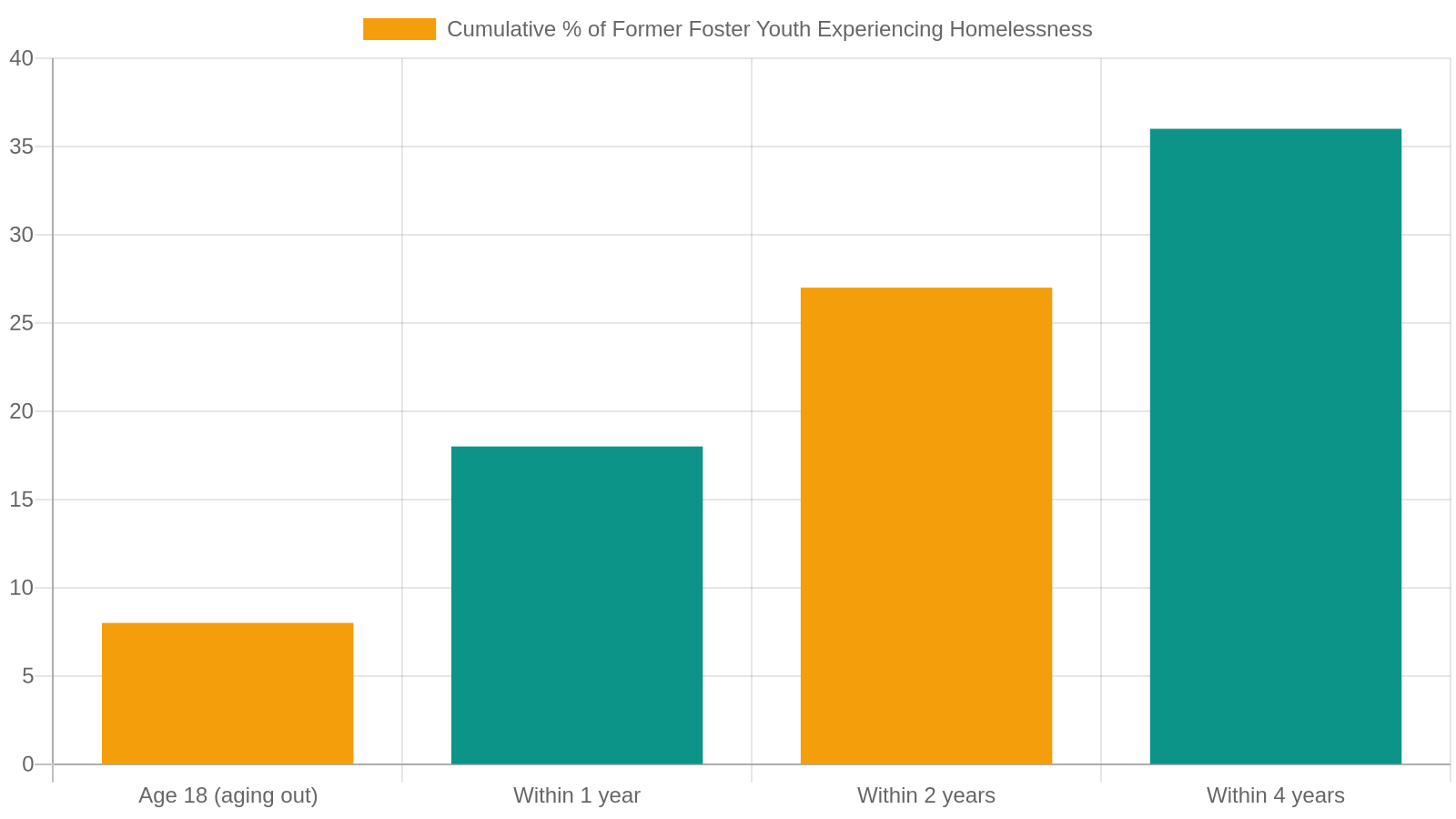
In Tennessee, youth in foster care can remain in care until age 21 under extended foster care (EFC) provisions — but many age out at 18 without adequate housing plans in place. Research from Chapin Hall estimates that one in three youth who age out of foster care will experience homelessness within two to four years. In Shelby County, where the foster care system is administered through the Tennessee Department of Children’s Services (DCS), the transition planning process varies significantly in quality depending on the young person’s caseworker and placement history.
Case managers working in the CoC should proactively identify youth who have recently aged out of foster care, as this population often arrives at coordinated entry with limited documentation, no rental history, and no family financial safety net.
Tennessee-Specific Benefits for Former Foster Youth
Tennessee offers several benefits specifically for young adults who were in foster care, including: tuition-free community college and university attendance through the Tennessee Education Lottery Scholarship for foster youth; Medicaid coverage extended to age 26 for former foster youth under the federal Fostering Connections Act; and priority status in some federally funded housing programs.
YAAB members report that many young adults who qualify for these benefits don’t know they exist — and neither do all of their case managers. Building a working knowledge of these programs and checking eligibility proactively (rather than waiting for a young person to ask) is one of the highest-value things a case manager can do for this subpopulation. A single benefit connection can change the entire trajectory of a young person’s housing stability.
7. Connect Youth to Peer Support — Not Just Professional Services

Case managers are trained as professionals, and that professional role is important. But it also creates an inherent power differential that peer relationships don’t carry. YAAB members are clear: the most effective case managers they’ve worked with understood that their job was to complement peer support, not replace it. Building a warm referral network that includes peer-led spaces is a mark of sophisticated, youth-centered practice.
Why Peer Connection Changes Outcomes
Professional case management is valuable. Peer support is different — and both are necessary. YAAB members describe the experience of talking to another young person who has been through homelessness as uniquely powerful: “They know what it actually feels like. They’re not guessing.” Research on peer support models in behavioral health and housing consistently shows that peer-delivered services improve engagement, reduce isolation, and increase the likelihood of sustained housing stability.
Case managers don’t need to become peer supporters themselves — that would blur important professional boundaries. But they should know what peer support resources exist in Memphis and actively refer youth to them, rather than treating peer connection as optional or supplementary.
The YAAB as a Peer Leadership Pathway
One of the most powerful peer connections a case manager can facilitate is a referral to the local Youth Action Board. The Memphis/Shelby County YAAB (TN-502) is a space where young adults with lived experience of homelessness come together to support each other, develop leadership skills, and shape the policies that affect their lives. It is not a support group or a therapy program — it is a leadership and advocacy body run by and for young people.
For a young person who has spent months or years being managed by systems, joining a space where their voice actually drives decisions can be transformative. Case managers who understand this and make YAAB referrals a standard part of their practice are giving youth access to something that professional services alone cannot provide: genuine agency and community. Learn more and connect youth to the Memphis/Shelby County YAAB (TN-502) — it could be one of the most impactful referrals you make.
9-Point Case Manager Self-Assessment: Gap vs. Strong Practice
Use this table to honestly assess where your current practice aligns with what Memphis YAAB members say works — and where there's room to grow.
8. Support Youth Employment and Education Without Gatekeeping

Housing stability and economic stability are inseparable. A young person who gets housed but has no income pathway will cycle back into homelessness. Case managers who treat employment and education as secondary concerns — something to address after housing is secured — are missing half the picture. YAAB members want to see employment and education planning integrated into housing case management from the very first conversation, not added later as an afterthought.
Employment Goals Are Youth Goals, Not Case Manager Goals
YAAB members describe a frustrating pattern: case managers who push employment or education goals that reflect what the professional thinks the young person should want, rather than what the young person has actually said they want. A young adult who wants to work in music production, start a small business, or get a CDL license deserves the same level of support and resource connection as one pursuing a four-year college degree.
Tennessee has a range of workforce development resources relevant to transition-age youth, including Tennessee Reconnect (free community college for adults without a degree), Jobs for Tennessee Graduates (JTG), and local workforce development boards in Shelby County. Case managers who know these programs and match them to individual youth goals — rather than defaulting to a standard referral list — build far more effective employment pathways.
GED and Alternative Education Pathways
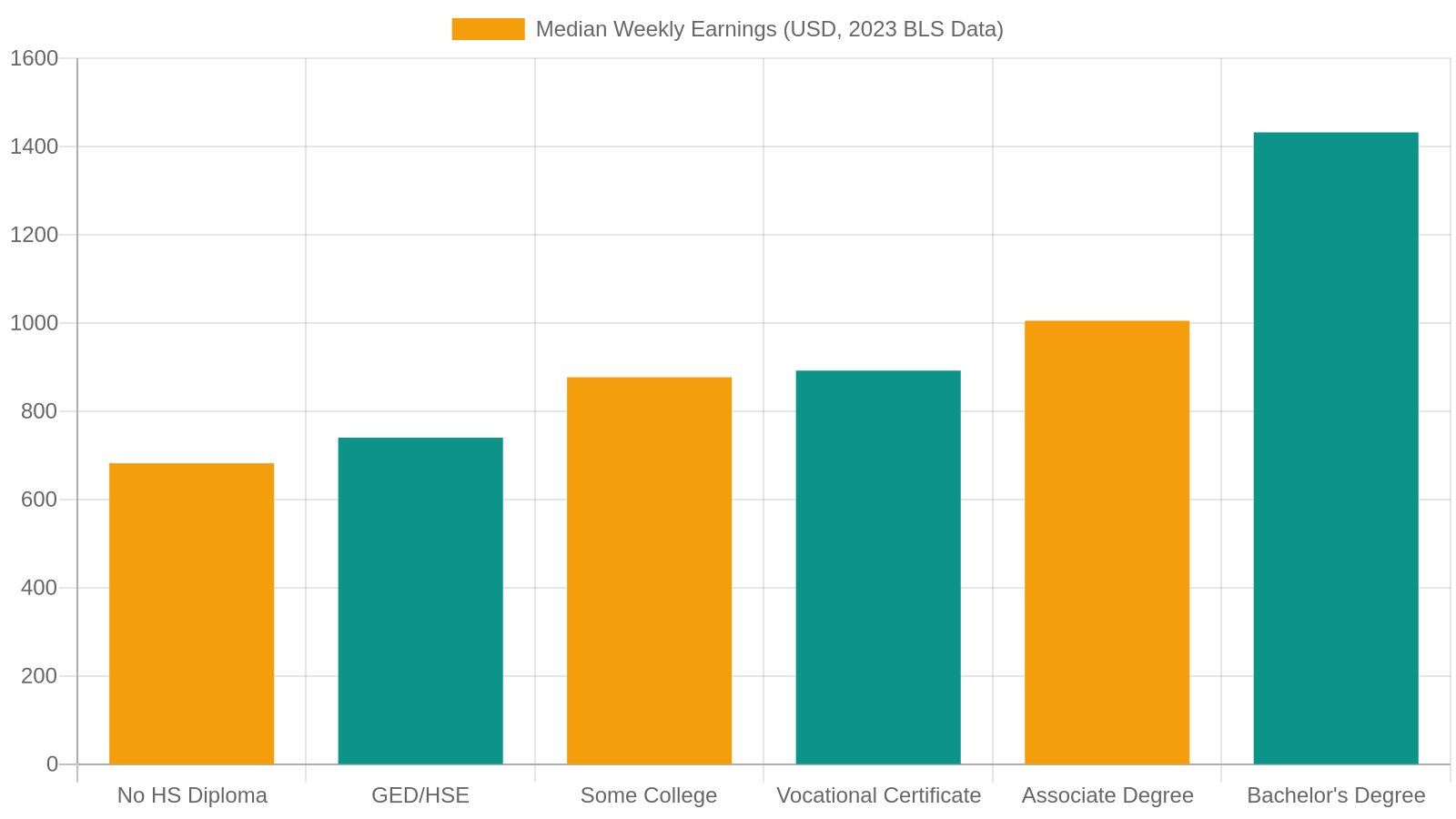
Not every young person experiencing homelessness completed high school, and the path back to education looks different for everyone. In Memphis, options include GED preparation through Shelby County Schools’ adult education program, the Tennessee College of Applied Technology (TCAT) Memphis for vocational credentials, and online GED programs that can be completed without a fixed address.
YAAB members want case managers to destigmatize alternative education pathways and present them as legitimate routes to good careers — not consolation prizes. A TCAT certificate in HVAC or medical coding can lead to a higher starting wage than many bachelor’s degrees, and the timeline is months rather than years. Framing matters enormously when a young person is weighing whether education is even worth pursuing.
9. Advocate Alongside Youth — Not Just for Them

The ninth and perhaps most important piece of advice from Memphis YAAB members is also the most challenging: case managers need to examine their own role in systems that have historically harmed the young people they serve. That’s not an indictment — it’s an invitation. The case managers who have made the biggest difference in YAAB members’ lives are the ones who showed up as genuine allies, willing to use their professional position to amplify youth voices rather than substitute for them.
The Difference Between Advocacy and Saviorism
There is a meaningful difference between advocating for a young person — speaking on their behalf, making decisions about what they need — and advocating alongside them, which means supporting their own voice in systems that were not designed to hear it. YAAB members are direct about this distinction: they have experienced both, and they know which one actually helps.
Advocacy alongside youth looks like: preparing a young person for a housing authority hearing rather than just attending it for them; helping them write their own appeal letter rather than writing it yourself; connecting them to YAAB so they can shape policy rather than just receive services. It means treating youth as the primary agents of their own lives, with the case manager as a skilled navigator and resource connector — not the decision-maker.
Using Your Professional Platform to Amplify Youth Voices
Case managers sit in rooms that young people often don’t have access to — CoC planning meetings, agency leadership discussions, funder conversations. YAAB members want case managers to use that access intentionally: to bring anonymized data about youth experiences, to advocate for youth-specific funding and programming, and to push back when policies are being made about young people without young people in the room.
The most powerful thing a case manager can say in a CoC planning meeting is: “I talked to three young people this week who all hit the same barrier. Here’s what they said, and here’s what needs to change.” That kind of professional advocacy, grounded in direct youth experience, is exactly what moves systems. It’s also what YAAB’s statewide advocacy work is built on — and case managers can be powerful allies in that effort.
How These 9 Practices Compare: a Case Manager Self-Assessment

Use the comparison table below as a quick self-assessment. It maps each of the nine recommendations to a concrete practice indicator — what it looks like when this is done well versus when it’s a gap area. Case managers can use this in supervision conversations or team reflections. CoC partners and program managers can use it to identify training priorities. And young adults can use it to name what they need from the professionals in their lives.
There’s no scoring system here — this isn’t about judgment. It’s about honest reflection. The case managers who make the biggest difference for transition-age youth in Memphis and across Tennessee are the ones who keep asking: “Am I actually doing this, or do I just think I am?”
Ready to Connect Youth to Peer Leadership in Memphis?

The nine recommendations in this article came from real young adults in Memphis who have sat across the desk from case managers, navigated coordinated entry, aged out of foster care, and found their way to leadership through peer connection. Their advice isn’t abstract — it’s a direct invitation to do this work better, together. Tennessee’s transition-age youth deserve case managers who see them fully, advocate alongside them fiercely, and connect them to the peer-led spaces where their voices actually matter.
Making the YAAB Referral Part of Your Standard Practice
If you’re a case manager, service provider, or CoC partner in Shelby County, one of the most concrete actions you can take after reading this article is to add a YAAB referral to your standard intake and case planning process. The Memphis/Shelby County Youth Action Board is actively welcoming young adults ages 17 to 25 who want to connect with peers, develop leadership skills, and have a real voice in shaping the programs and policies that affect their lives.
A referral to the Memphis/Shelby County YAAB (TN-502) takes two minutes and can open a door that professional services alone cannot open. If you’re working in another part of Tennessee, find your regional YAAB — there are active boards across the state, from Nashville and Knoxville to Chattanooga, Jackson, and Northeast Tennessee.
For Young Adults: Your Voice Belongs in This Work
If you’re a young adult in Memphis or anywhere in Tennessee who has experienced homelessness or housing instability, this article was written with you in mind — and the Youth Action Board was built for you. YAAB isn’t a service program. It’s a leadership space where your experience is recognized as expertise and your voice drives real change in the systems that affect young people like you.
You don’t need a perfect story, a stable address, or any prior experience in advocacy to join. You just need to show up. Explore what YAAB is all about at yaabtn.org/about-yaab and take the first step toward turning your lived experience into lasting change for transition-age youth across Tennessee.
Frequently Asked Questions
What is the Memphis YAAB and how can a case manager refer a young person to it?
The Memphis/Shelby County Youth Action Board (YAAB TN-502) is a peer-led leadership body for young adults ages 17 to 25 with lived experience of homelessness or housing instability in the Memphis area. Case managers can refer youth by visiting yaabtn.org/local-yaabs/tn-502/ for current contact information and meeting schedules. A warm referral — personally introducing the young person to the concept and expressing genuine enthusiasm — is far more effective than simply handing over a flyer.
What does 'trauma-informed case management' actually mean in practice for transition-age youth?
Trauma-informed case management means consistently asking 'What happened to this person?' rather than 'What is wrong with this person?' In practice, it includes using strength-based language, asking permission before discussing difficult topics, understanding that behaviors like guardedness or missed appointments are often adaptive responses to past harm, and never labeling youth as non-compliant without first exploring barriers. It's a daily practice, not a one-time training.
What Tennessee-specific benefits are available to young adults who aged out of foster care?
Former foster youth in Tennessee may qualify for: tuition-free attendance at Tennessee colleges and universities through the Tennessee Education Lottery Scholarship for foster youth; Medicaid coverage extended to age 26 under the federal Fostering Connections Act; and priority status in some federally funded housing programs. Case managers should screen for foster care history proactively, as many eligible youth are unaware of these benefits.
How can case managers help transition-age youth in Memphis with transportation barriers?
Case managers can reduce transportation barriers by offering flexible appointment times, conducting some meetings by phone or video, proactively sharing MATA bus route information, connecting youth to MATA's reduced-fare programs, and asking at intake how the young person prefers to be contacted and whether that changes week to week. Never assume a missed appointment means disengagement — always check for logistical barriers first.
What is the difference between advocating for youth versus advocating alongside youth?
Advocating for youth means speaking on their behalf, which can inadvertently reinforce the idea that they cannot speak for themselves. Advocating alongside youth means preparing them to use their own voice in hearings, appeals, and planning meetings; connecting them to peer leadership spaces like YAAB; and using your professional platform to amplify their perspectives in rooms they don't yet have access to. The goal is to build youth agency, not dependency.
Are there YAAB chapters outside of Memphis for case managers in other parts of Tennessee?
Yes. The Youth Action Board of Tennessee has regional chapters across the state's Continuum of Care regions, including Nashville/Davidson (TN-500), Knoxville/Knox (TN-501), Chattanooga/Hamilton (TN-503), and others. Case managers and service providers outside of Memphis can find their regional YAAB at yaabtn.org/local-yaabs/ and connect youth to the peer leadership body closest to them.