Quick answer: If you're a young adult ages 17 to 25 in Jackson or West Tennessee who is experiencing homelessness or housing instability, you don't have to figure it out alone. The West Tennessee Youth Action Board (YAAB, serving the TN-507 Continuum of Care region) connects you to emergency shelter, rapid rehousing, rental assistance, employment pathways, and peer leadership opportunities. Whether you want a safe place to sleep tonight or a seat at the table shaping the policies that affect your life, the Jackson and West Tennessee YAAB is your starting point.
1. What the West Tennessee YAAB Actually Is — and Why It Exists

Before you can use a resource or join a movement, you need to understand what it is. The West Tennessee Youth Action Board sits at the intersection of peer support, policy advocacy, and practical resource navigation for young adults across the TN-507 region. Here’s what that means in plain language — and why it matters specifically if you’re in Jackson or the surrounding West Tennessee area.
Lived Experience at the Center
The Youth Action Board of Tennessee is not a program that happens to young people — it is a network led by young people. Every YAAB member is a young adult between 17 and 25 who has personally experienced homelessness or housing instability. That lived experience is the credential that matters most.
In West Tennessee, the YAAB operates within the TN-507 Continuum of Care, which covers Jackson, Madison County, and the surrounding West Tennessee counties. The CoC is the federally recognized planning body that coordinates housing and homeless services in the region, and the YAAB holds a formal advisory role within it — meaning your voice can directly shape how federal HUD dollars are spent locally.
How YAAB Is Different from a Service Provider
A lot of organizations serve young adults experiencing homelessness. YAAB is different because it is a peer-led advocacy and leadership body, not a shelter or case management program. Think of it as the place where young adults who have been through the system come together to fix the system — and to make sure their peers know what resources exist right now.
YAAB members attend CoC meetings, review funding applications, advise local governments, and build connections across Tennessee’s seven regional CoC areas. If you’ve ever felt like the rules were made by people who have never lived your reality, YAAB is the answer to that frustration.
2. Who Is Eligible — and Who the TN-507 Region Covers

One of the first questions young adults ask is: Does this apply to me? The answer for most transition-age youth in West Tennessee is yes — but let’s be specific about who the TN-507 region serves and what the eligibility criteria look like in practice.
Age and Experience Requirements
To participate in YAAB — either as a member or to access peer navigation support — you generally need to be between 17 and 25 years old and have some personal experience with homelessness or housing instability. That includes:
- Sleeping in a shelter, car, abandoned building, or other place not meant for human habitation
- Couch-surfing or staying temporarily with friends or family because you have nowhere else to go
- Aging out of foster care or the juvenile justice system with no stable housing plan
- Fleeing an unsafe home situation
You do not need to be currently homeless to get involved. Many YAAB members are now stably housed and use their experience to advocate for peers who are still in crisis.
Counties and Communities in TN-507
The TN-507 Continuum of Care covers Jackson and West Tennessee, a region that stretches from the Mississippi River eastward and includes both urban and deeply rural communities. Key counties in the region include Madison, Haywood, Hardeman, Fayette, Tipton, and several others across the western part of the state.
This geography matters because housing instability looks different in a rural county than it does in Jackson proper. The West Tennessee YAAB understands that reality — members come from across the region, not just the city — and advocacy efforts address both urban shelter gaps and rural transportation and service deserts.
3. Emergency Shelter Options in Jackson and West Tennessee

When housing instability hits a crisis point, the most urgent need is a safe place to sleep. West Tennessee has emergency shelter resources coordinated through the TN-507 CoC, and knowing how to access them quickly can make a critical difference. Here’s what you need to know about emergency shelter in the Jackson area.
What to Do If You Need Shelter Tonight
If you are unsafe or unsheltered right now, your first call should be to 211 — Tennessee’s statewide resource hotline, available 24 hours a day, 7 days a week. Dial or text 211 and tell the operator you are a young adult who needs emergency shelter in West Tennessee. They can connect you to the nearest available bed and walk you through what to bring and what to expect.
In Jackson, the primary emergency shelter serving adults and youth is coordinated through the local CoC. Shelter availability changes frequently, so calling 211 gives you real-time information rather than a list that may be outdated.
Youth-Specific and Low-Barrier Shelter Considerations
Not all shelters are safe or appropriate for young adults ages 17 to 25. When you call 211 or speak with a navigator, specifically ask about:
- Low-barrier shelters that do not require sobriety, ID, or employment as a condition of entry
- Youth-specific beds or programs that separate young adults from older adult populations
- LGBTQ+-affirming shelters if that is a safety concern for you
- Domestic violence or trauma-informed options if you are fleeing an unsafe situation
YAAB peer navigators in the TN-507 region can help you identify which local options fit your specific situation — including options that may not appear in a standard 211 search.
4. Rapid Rehousing and Rental Assistance Programs in West Tennessee

Emergency shelter is a first step — but the real goal is stable, permanent housing. Rapid rehousing and rental assistance programs in West Tennessee are designed to bridge that gap for young adults who are ready to move into their own place but need financial support to get there.
What Rapid Rehousing Means for You
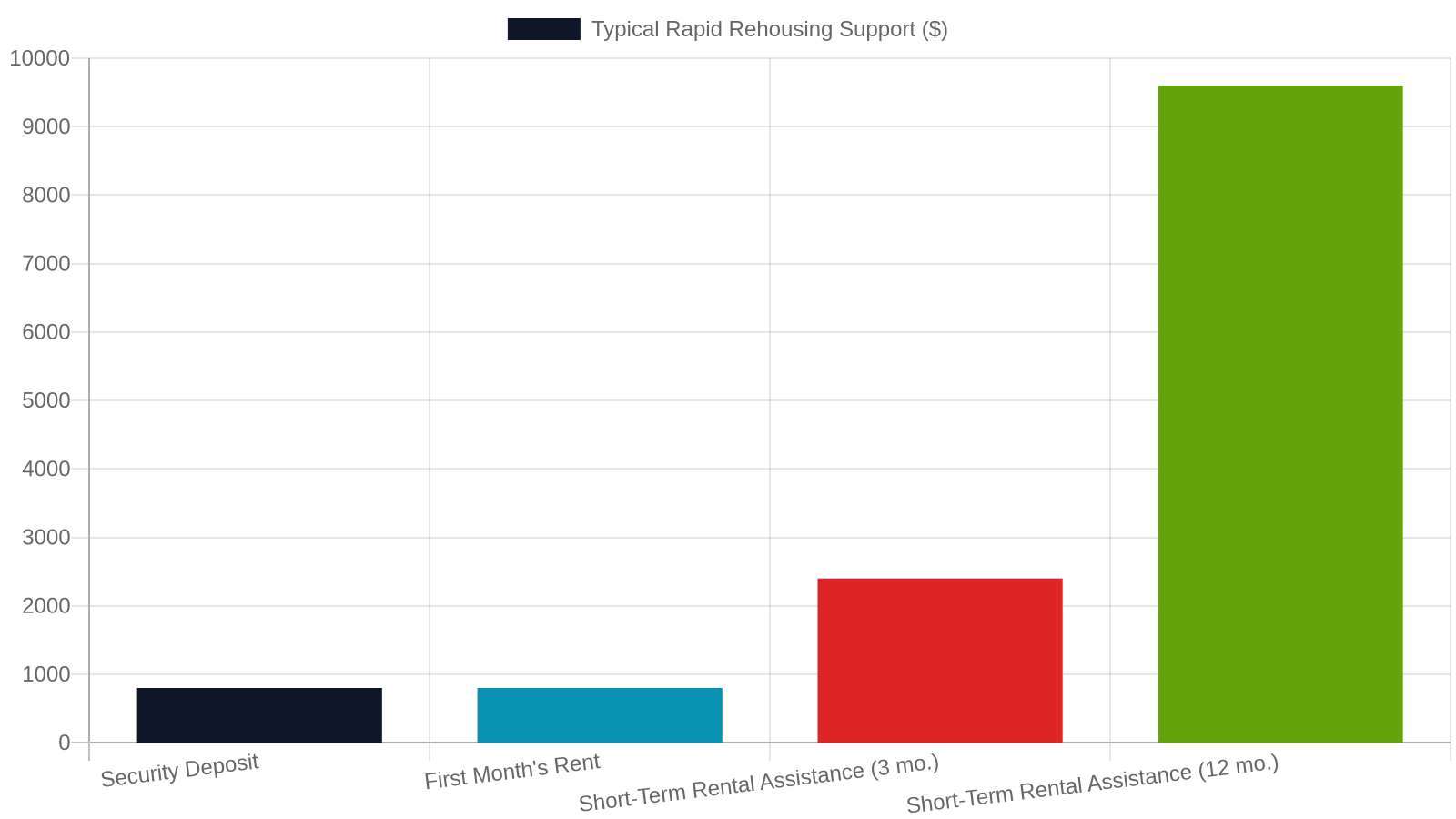
Rapid Rehousing (RRH) is a HUD-funded program model designed to move people out of homelessness and into stable housing as quickly as possible — usually within 30 to 90 days. For young adults in TN-507, rapid rehousing typically includes:
- Help paying a security deposit and first month’s rent
- Short-term rental assistance (usually 3 to 12 months) while you build financial stability
- A housing case manager who helps you find a landlord willing to work with you
- Connection to employment and income support so you can eventually pay rent independently
Rapid rehousing is designed to be temporary bridge support, not permanent housing. The goal is to get you stable fast so you can build from there.
How to Access Rental Assistance in Jackson and West TN
Rental assistance in the TN-507 region is typically accessed through a Coordinated Entry process — a standardized assessment that helps CoC partners match people to the right level of housing support. To enter coordinated entry in West Tennessee:
- Call 211 and ask to be connected to the coordinated entry system for housing
- Be prepared to answer questions about your current living situation, income, and any barriers to housing
- Ask specifically about youth-dedicated rapid rehousing slots, which are sometimes separate from the general adult pool
Wait times vary. Having a YAAB peer navigator or a case manager help you navigate the system can significantly speed up the process and make sure your paperwork is complete.
5. Permanent Supportive Housing and Transitional Living in TN-507

Not every housing solution is a quick fix, and that’s okay. For some young adults in West Tennessee, the path to stability runs through transitional living programs or permanent supportive housing — longer-term options that provide both a roof and the support services needed to thrive underneath it.
Transitional Housing: A Stepping Stone
Transitional housing programs provide a structured living environment — usually for 6 to 24 months — where young adults can stabilize while working toward independent living. These programs typically include on-site case management, life skills training (budgeting, cooking, job readiness), and peer community. They are especially well-suited for young adults who:
- Are aging out of foster care with no family support
- Need time to build income before signing an independent lease
- Are working through trauma or mental health challenges that make immediate independent living difficult
Ask your 211 navigator or YAAB peer contact specifically about transitional housing programs for youth in the Jackson area, as availability changes with funding cycles.
Permanent Supportive Housing for Young Adults with Disabilities
Permanent Supportive Housing (PSH) combines affordable housing with long-term wraparound services for people with serious mental health conditions, substance use disorders, or physical disabilities. For young adults in TN-507 who have a qualifying disability and a history of chronic homelessness, PSH can be a life-changing placement.
PSH slots are limited and often have waiting lists, but they are prioritized through the coordinated entry system. If you or someone you know may qualify, it is critical to complete a coordinated entry assessment as early as possible so you are in the queue. A YAAB peer navigator can help you understand whether PSH is the right fit and how to advocate for yourself in the process.
6. Employment and Income Resources for Young Adults in West Tennessee

Stable housing and stable income are inseparable. Without income, it’s nearly impossible to maintain a lease — and without stable housing, holding a job becomes exponentially harder. West Tennessee has employment resources specifically designed for young adults navigating both challenges at once.
Tennessee's American Job Centers
Tennessee’s American Job Centers (AJCs) — part of the statewide Tennessee Career Center network — offer free employment services to young adults, including:
- Resume writing and interview coaching
- Job placement assistance and employer connections
- Occupational skills training funded through the Workforce Innovation and Opportunity Act (WIOA), which prioritizes out-of-school youth ages 16 to 24
- Support for obtaining a GED or high school equivalency credential
The Jackson-area Tennessee Career Center is located in Madison County. If transportation is a barrier, ask about virtual services or whether a case manager can accompany you to your first appointment.
Youth-Specific Employment Programs
Several programs in West Tennessee specifically target young adults who face barriers to employment, including those with justice involvement, no high school diploma, or gaps in work history:
- YouthBuild: A federally funded program combining job training in construction and other trades with GED preparation and leadership development. YouthBuild programs serve young adults 16 to 24 who have dropped out of school.
- Workforce Innovation and Opportunity Act (WIOA) Youth Formula Funds: Local workforce boards in West Tennessee use these funds to provide paid work experiences, tutoring, financial literacy training, and mentorship to out-of-school youth.
- AmeriCorps programs: Some AmeriCorps placements in Tennessee provide a living stipend and education award while you serve your community — a way to earn income and build your resume simultaneously.
7. Education Pathways: GED, College, and Vocational Training in West Tennessee

Education is one of the most powerful tools for long-term housing stability — and young adults who have experienced homelessness have legal rights and financial aid advantages that most people don’t know about. Here’s what’s available in West Tennessee and how to access it.
Getting Your High School Equivalency
A high school diploma or equivalent is the foundation for most employment and higher education opportunities. If you did not finish high school, Tennessee offers several free pathways to a credential:
- Tennessee Colleges of Applied Technology (TCATs): Adult Education programs at TCATs across West Tennessee offer free GED preparation classes. The Jackson TCAT campus serves the region and has flexible scheduling designed for working adults.
- Adult Education through Tennessee Department of Labor: Free classes available at multiple community sites across Madison and surrounding counties.
- Online GED prep: Platforms like GED.com offer free study materials, and some local programs provide devices and internet access to youth who need them.
College Access and Financial Aid for Homeless Youth
If you have experienced homelessness or are an unaccompanied youth, you have special protections and advantages when applying for federal financial aid:
- You can file the FAFSA as an independent student without your parents’ financial information, which often results in more grant aid
- Tennessee’s Tennessee Promise and Tennessee Reconnect programs cover tuition at community colleges and TCATs for eligible students — and homeless youth often qualify
- Many Tennessee colleges have Basic Needs Centers or emergency aid funds specifically for students experiencing housing instability
Ask your YAAB peer navigator or a college’s financial aid office specifically about homeless youth provisions — these are legal protections under the McKinney-Vento Act that many students never learn about.
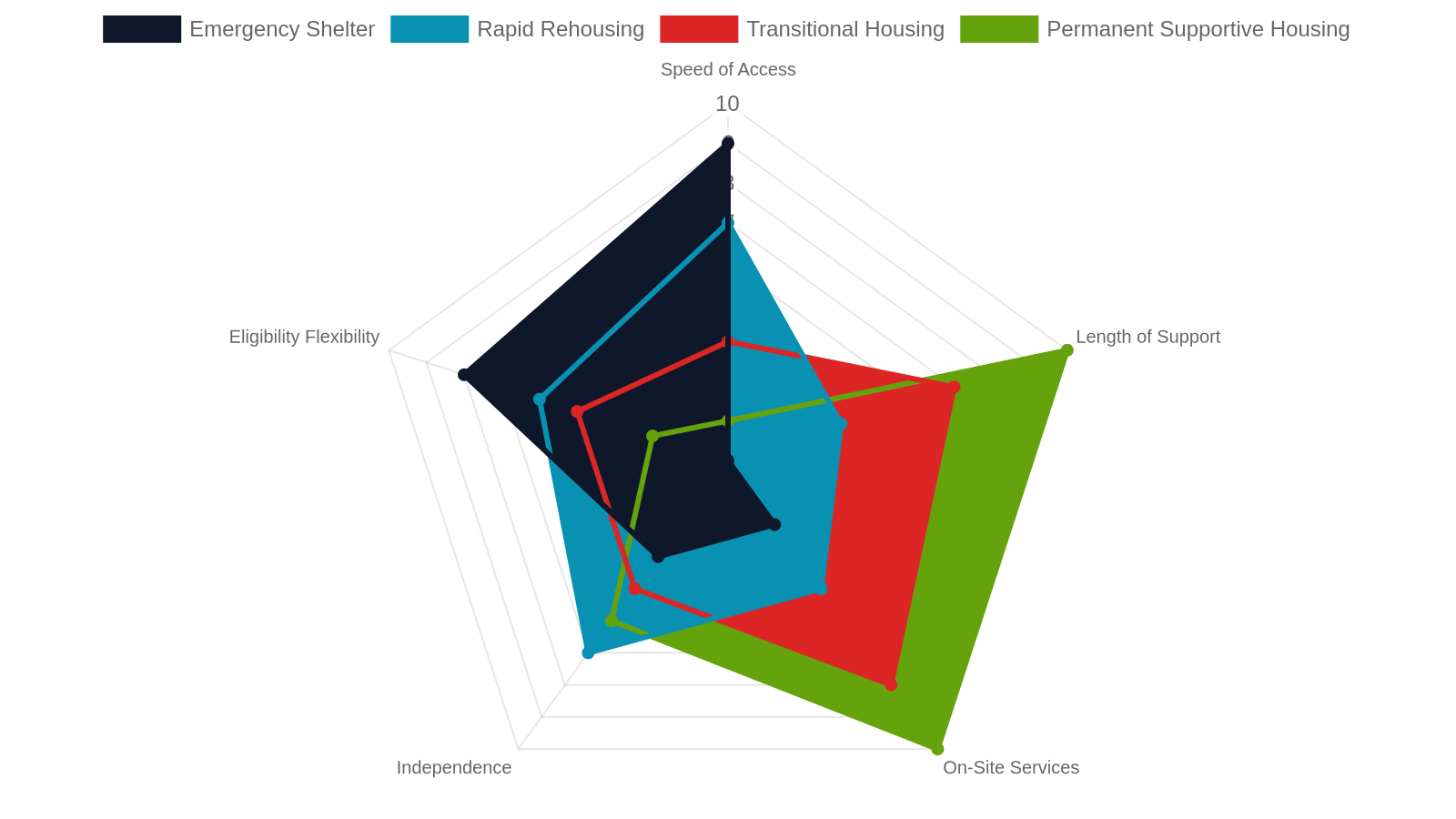
West Tennessee Housing Program Options at a Glance
Use this table to quickly compare the main housing program types available to young adults in the TN-507 region — from emergency shelter to permanent housing.
8. Mental Health and Wellness Support for Transition-Age Youth in TN-507

Taking care of your mental health is not a luxury — it’s a survival strategy. For young adults in West Tennessee navigating housing instability, mental health support is often the missing piece that makes everything else sustainable. Here’s what’s available and how to access it without judgment.
Why Mental Health Is a Housing Issue
Homelessness and housing instability are traumatic — and trauma affects mental health. Research consistently shows that unaddressed mental health needs are one of the leading reasons young adults cycle in and out of homelessness. That’s not a character flaw; it’s a systemic gap. The good news is that the TN-507 CoC increasingly integrates mental health services into housing programs, meaning you don’t have to choose between getting housed and getting support.
If you are in a mental health crisis right now, call or text 988 — Tennessee’s Suicide and Crisis Lifeline, available 24/7. You can also text HOME to 741741 to reach the Crisis Text Line.
Accessing Ongoing Mental Health Services
For ongoing mental health support in West Tennessee, young adults have several options:
- Pathways of Tennessee: A major behavioral health provider serving West Tennessee with sliding-scale fees and Medicaid acceptance. They offer individual therapy, psychiatric medication management, and crisis services.
- TennCare/Medicaid: If you are uninsured, you may qualify for TennCare, Tennessee’s Medicaid program. Young adults aging out of foster care are eligible for TennCare until age 26 under federal law.
- Federally Qualified Health Centers (FQHCs): Community health centers in West Tennessee offer mental health services on a sliding-scale fee regardless of insurance status.
- Peer support specialists: Many CoC programs in TN-507 employ peer support specialists — adults with their own lived experience of mental health challenges — who can walk alongside you in your recovery.
9. Know Your Rights: Legal Protections for Homeless Youth in Tennessee

Knowledge is power — and knowing your legal rights can be the difference between losing your housing and keeping it. Young adults in Tennessee have specific legal protections under federal and state law that many people never learn about. Here’s a plain-language breakdown of the most important ones.
McKinney-Vento Act Protections
The McKinney-Vento Homeless Assistance Act is a federal law that gives homeless youth specific rights, especially around education. Under McKinney-Vento, if you are an unaccompanied youth experiencing homelessness, you have the right to:
- Enroll in school immediately, even without a permanent address, records, or a parent or guardian
- Remain enrolled in your school of origin even if you move to a different area
- Receive transportation assistance to your school of origin
- Be classified as an independent student on the FAFSA for college financial aid purposes
Every Tennessee school district is required to have a McKinney-Vento liaison. If you are being denied enrollment or services, you can request to speak with that liaison directly.
Tenant Rights and Eviction Protections
If you are renting — or have been renting — in West Tennessee, you have legal rights as a tenant regardless of your age. Key protections include:
- A landlord must give you written notice before eviction — typically 14 days for nonpayment of rent and 30 days for other lease violations in Tennessee
- A landlord cannot lock you out, remove your belongings, or shut off utilities as a way to force you to leave — this is called an illegal self-help eviction and is against Tennessee law
- You have the right to a habitable unit — meaning working heat, plumbing, and no serious safety hazards
For free legal help in West Tennessee, contact West Tennessee Legal Services, which provides civil legal aid to low-income residents including young adults facing eviction or housing discrimination.
10. How to Join the West Tennessee YAAB and Lead Change

Everything described in this article — the resources, the rights, the pathways — is more powerful when young adults are in the room where decisions get made. The West Tennessee YAAB exists because the people closest to the problem are also closest to the solution. Here’s how to get involved and what membership actually looks like day to day.
What YAAB Membership Actually Looks Like
Joining the West Tennessee YAAB is not a formal job application — it’s an invitation to show up as yourself and contribute your perspective. Members participate in ways that fit their lives, which might include:
- Attending monthly YAAB meetings (in-person or virtual) to discuss local housing issues and policy priorities
- Reviewing funding applications and service plans submitted to the TN-507 CoC
- Participating in statewide YAAB convenings where members from all seven Tennessee CoC regions connect
- Sharing your story (on your own terms) with policymakers, funders, or the media to humanize the data behind youth homelessness
- Connecting peers to resources and acting as an informal navigator in your community
What You Get Out of Being a YAAB Member
YAAB membership is not just about giving — it’s about growing. Members report gaining:
- Leadership and public speaking skills that translate directly to employment and education
- A professional network of CoC partners, nonprofit leaders, and government officials across Tennessee
- Stipends and compensation for participation in certain meetings and advocacy activities — because your time and expertise have value
- A community of peers who understand your experience without explanation
- A sense of purpose and agency — the knowledge that your voice is actively shaping the systems that affect thousands of young people across West Tennessee and the state
To learn more about joining and to connect with the West Tennessee YAAB, visit the TN-507 YAAB page and reach out directly — the team is made up of people who have been exactly where you are.
Your Next Move: Connect, Advocate, and Build Your Future in West Tennessee

West Tennessee is a big region with real challenges — but it also has a growing network of young adults who refuse to accept that homelessness and instability are inevitable. The resources in this article are real, the rights are real, and the YAAB community is real. Here’s how to take your first step.
Start With One Step
You don’t have to do everything at once. If you’re in crisis right now, call 211 and ask for emergency housing help in West Tennessee. If you’re stable but want to get connected to peers and opportunities, reach out to the YAAB. If you’re a case manager or CoC partner reading this, share it with the young adults you serve — and consider how your organization can better support youth leadership in the TN-507 region.
The YAAB Tennessee resources page is a good place to explore additional tools, guides, and connections across all regions of the state. And if you want to understand the bigger picture of youth homelessness in Tennessee, the understanding youth homelessness page breaks it down in plain language.
You Belong in This Movement
Housing instability does not define you — but your experience of it gives you insight that no policy paper or academic study can replicate. The West Tennessee YAAB was built on the belief that young adults with lived experience are the most qualified people to shape the solutions. That includes you.
Whether you’re in Jackson, Brownsville, Dyersburg, Covington, or anywhere else across West Tennessee, there is a seat at the table for you. The West Tennessee TN-507 YAAB is ready to connect you to resources, to peers, and to a leadership role that can change your life — and the lives of young adults across the region for years to come.
Frequently Asked Questions
How do I contact the West Tennessee YAAB in Jackson?
Visit the TN-507 YAAB page at yaabtn.org/local-yaabs/tn-507/ to find current contact information and learn how to connect with the West Tennessee YAAB team. You can also reach out through the main YAAB Tennessee website at yaabtn.org/contact-yaab/.
What if I'm 17 and homeless in West Tennessee — can I get help without a parent?
Yes. Under the McKinney-Vento Act, unaccompanied youth ages 17 and older have the right to access shelter, enroll in school, and apply for services independently. Call 211 and tell them you are an unaccompanied minor or transition-age youth — they can connect you to youth-specific resources in the Jackson area.
Do I have to be currently homeless to join the West Tennessee YAAB?
No. YAAB membership is open to young adults ages 17 to 25 who have any lived experience of homelessness or housing instability, including past experiences. Many members are now stably housed and use their experience to advocate for peers who are still in crisis.
What is Coordinated Entry and how does it work in TN-507?
Coordinated Entry is a standardized process used by the TN-507 Continuum of Care to assess people's housing needs and match them to the right program — shelter, rapid rehousing, or permanent supportive housing. You start by calling 211 and asking to be connected to coordinated entry for housing in West Tennessee.
Can I get college financial aid if I've been homeless?
Yes. Under federal law, homeless and unaccompanied youth can file the FAFSA as independent students without parental financial information, which often results in more grant aid. Tennessee Promise and Tennessee Reconnect can also cover community college tuition for eligible students. Ask your college's financial aid office about McKinney-Vento provisions.
Are there YAAB chapters in other parts of Tennessee besides West Tennessee?
Yes. YAAB operates in all seven of Tennessee's Continuum of Care regions, including Memphis, Nashville, Knoxville, Chattanooga, Northeast Tennessee, and the Upper Cumberland area. Visit yaabtn.org/local-yaabs/ to find the YAAB chapter closest to you.