Quick answer: If you're a young adult ages 17 to 25 experiencing homelessness or housing instability in Memphis or Shelby County, you have real options right now. Start by calling 2-1-1 Tennessee to be connected to the Coordinated Entry system, which screens you for emergency shelter, rapid rehousing funds, and other supports. Local organizations like Memphis Union Mission, Door of Hope, and the Salvation Army offer immediate beds, while rapid rehousing programs can cover deposits and rent so you can move into stable housing fast. YAAB Memphis members with lived experience can help you navigate every step.
1. Understand What 'Housing Instability' Actually Means for You

Before you can access the right resources in Memphis, it helps to understand exactly what housing instability means in the context of federal and local programs. The labels matter — not because they define who you are, but because they unlock specific doors to funding and services. Here’s what you need to know so you can walk into any intake conversation with confidence.
The HUD Definition — and Why It Matters for Getting Help
The U.S. Department of Housing and Urban Development (HUD) defines homelessness across four categories. Category 1 is literal homelessness — sleeping outside, in a car, in a shelter, or in a place not meant for human habitation. Category 2 is imminent risk — you’ll lose your housing within 14 days. Category 3 covers people fleeing domestic violence. Category 4 is chronic homelessness.
Why does this matter? Because which category you fall into determines which programs you can access. Emergency shelter is typically for Category 1. Rapid rehousing is often targeted at people who are literally homeless or at imminent risk. Knowing your situation before you call 2-1-1 or walk into a shelter helps you describe your needs clearly and get the right resource faster.
Situations That Count as Housing Instability for Youth
You don’t have to be sleeping under a bridge to qualify for help. For transition-age youth (TAY) ages 17–25 in Memphis and Shelby County, housing instability includes:
- Couch-surfing or doubling up with friends or family with no lease of your own
- Staying in a motel paid for by someone else with no guarantee of tomorrow
- Aging out of foster care with no stable place to go
- Fleeing an unsafe or abusive home situation
- Receiving an eviction notice or being locked out
- Living in a car, tent, or abandoned building
All of these situations can make you eligible for services in Shelby County’s Continuum of Care (CoC) region, known as TN-500.
2. Call 2-1-1 Tennessee — Your First and Most Important Step

In a crisis, knowing where to start is half the battle. For any young adult in Memphis experiencing homelessness or housing instability, dialing 2-1-1 is step one — full stop. It’s free, anonymous, and available around the clock. Here’s exactly what to expect when you make that call and why it’s the gateway to almost every other resource on this list.
What Happens When You Dial 2-1-1
Dialing 2-1-1 (or texting your zip code to 898-211) connects you to Tennessee’s statewide information and referral service, available 24 hours a day, 7 days a week, 365 days a year. When you call, a trained specialist will ask you a few questions about your situation and location, then connect you to the most relevant local resources — including emergency shelter openings, food pantries, mental health services, and Coordinated Entry access points in Shelby County.
The call is free, confidential, and available in multiple languages. You do not need an ID, insurance, or a permanent address to call. If you’re nervous about what to say, just tell them: “I’m a young adult and I need help finding a safe place to stay tonight.” That’s enough to get the conversation started.
Coordinated Entry: The Gateway to All CoC Programs
In Memphis and Shelby County, 2-1-1 is linked to the Coordinated Entry (CE) system managed by the Memphis and Shelby County Continuum of Care (TN-500). Coordinated Entry is a standardized process that assesses your needs and vulnerability using a tool called the VI-SPDAT (Vulnerability Index – Service Prioritization Decision Assistance Tool) and then matches you to available housing programs based on your score and situation.
Getting into Coordinated Entry is essential because most federally funded rapid rehousing and permanent supportive housing programs in Memphis require a CE referral. You can’t just walk up and apply on your own — you need to be in the system. Calling 2-1-1 or visiting a designated CE access point is how you get in.
3. Know Your Emergency Shelter Options in Memphis and Shelby County
Emergency shelter is the immediate safety net — a place to sleep tonight while you work on longer-term housing. Memphis has several options, and knowing which ones are best suited for transition-age youth (ages 17–25) can save you time and stress. Below is a breakdown of key shelters in Shelby County, what they offer, and what to expect when you walk through the door.
Youth-Specific and Young-Adult-Friendly Shelters
Not every shelter is the same, and as a young adult you have the right to ask about youth-specific or young-adult-friendly options before accepting a placement. In Memphis, key resources include:
- Door of Hope Memphis — Focuses on young adults and families experiencing homelessness, offering case management alongside shelter.
- Memphis Union Mission — Provides emergency shelter beds for men; also runs the Manna House drop-in center for immediate needs like showers and meals.
- Salvation Army Memphis — Offers emergency shelter for men, women, and families, with case management and rapid rehousing referrals on-site.
- YWCA Greater Memphis — Provides emergency shelter specifically for women and children fleeing domestic violence, with advocacy services.
Bed availability changes daily. Always call ahead or ask 2-1-1 for the most current openings before traveling to a location.
What to Expect at Intake and During Your Stay
Walking into a shelter for the first time can feel overwhelming. Here’s what typically happens: you’ll complete an intake form, provide basic identifying information (though many shelters will work with you if you lack an ID — see Section 5 on documents), and be assessed for any immediate health or safety needs. Most shelters have rules around curfews, substance use, and guest policies.
During your stay, a case manager should meet with you within the first 48–72 hours to begin building a housing plan. Ask for this meeting if it doesn’t happen automatically. Your time in emergency shelter is meant to be a bridge — not a permanent situation — so start planning your next step from day one.
4. Learn How Rapid Rehousing Works — and Who Qualifies

Rapid rehousing is one of the most powerful tools available to young adults in Memphis who are experiencing homelessness. Unlike emergency shelter, which is a short-term fix, rapid rehousing gets you into your own place — an apartment, a room, a unit you can call yours — with financial help and a case manager in your corner. Here’s how the program works and whether you’re likely to qualify.
What Rapid Rehousing Actually Pays For
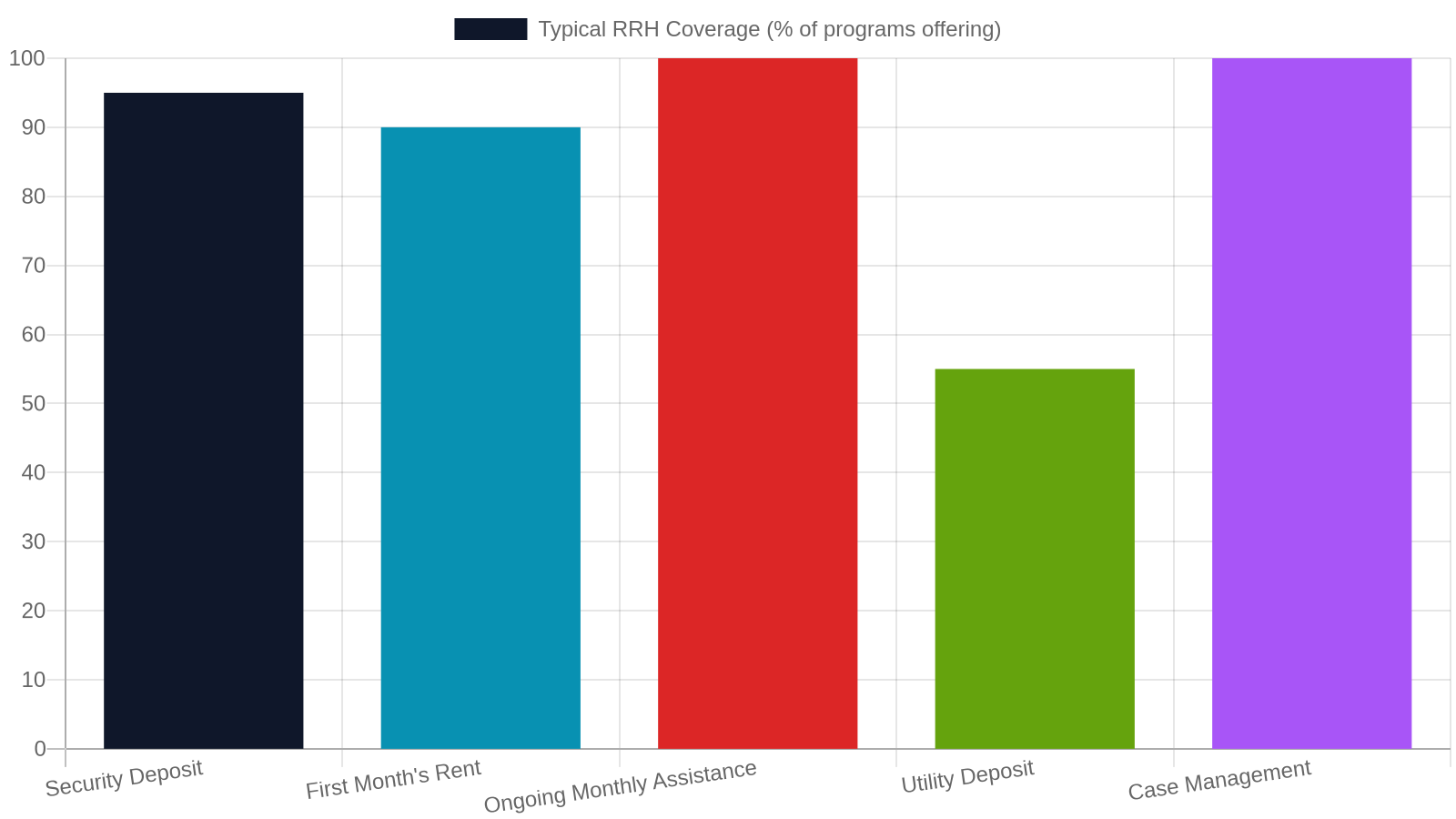
Rapid Rehousing (RRH) is a short-to-medium-term rental assistance program funded primarily through HUD’s Emergency Solutions Grant (ESG) and Continuum of Care grants. In Memphis and Shelby County, RRH programs typically cover:
- Security deposit — usually one month’s rent
- First and last month’s rent at move-in
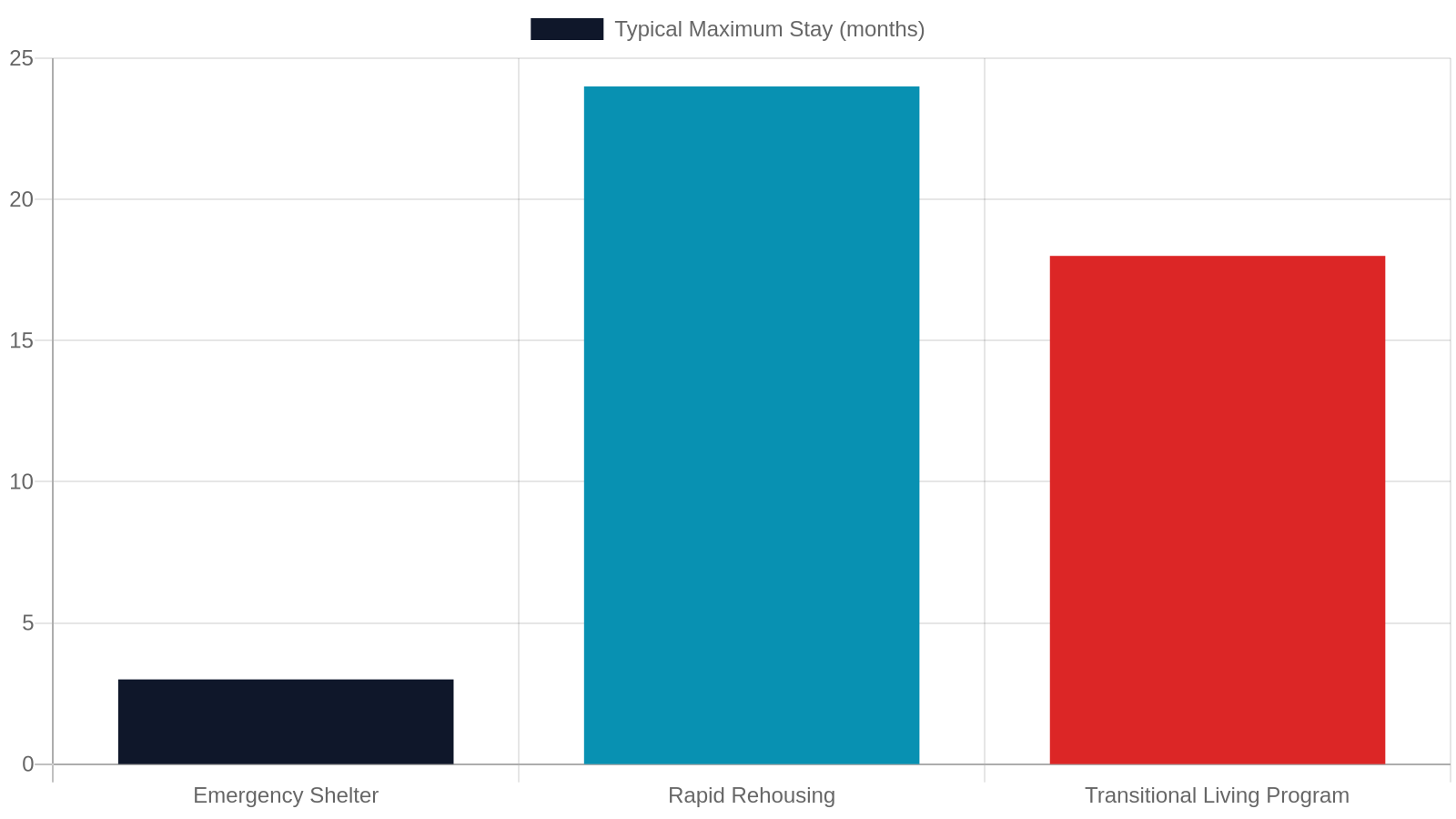
- Ongoing rental assistance for 3 to 24 months, depending on the program and your needs
- Utility deposits in some programs
- Case management — a housing specialist who helps you find a unit, negotiate with landlords, and build stability
RRH is designed to move you into your own apartment or room as quickly as possible — often within 30 to 90 days of program entry — rather than keeping you in shelter for months.
Eligibility Requirements for Youth in Shelby County
To qualify for rapid rehousing in Memphis’s TN-500 CoC region, you generally need to:
- Be experiencing literal homelessness (HUD Category 1) or be at imminent risk (Category 2)
- Have a household income at or below 30% of the Area Median Income (AMI) — in Shelby County in 2024, that’s approximately $18,150/year for a single person
- Be able to sustain housing independently after the subsidy ends, with case management support
- Be referred through Coordinated Entry (which is why calling 2-1-1 first is so important)
Age alone doesn’t disqualify you — young adults 17–25 are a priority population in most Memphis CoC programs. If you’re under 18 and unaccompanied, ask specifically about youth-designated RRH slots, which have different requirements than adult programs.
5. Get Your Documents Together — Even Without a Permanent Address

One of the biggest fears young people have about accessing housing services is not having the right paperwork. The good news: most Memphis programs are designed to work with you even if your documents are incomplete or missing. Here’s what you’ll typically need, how to get it fast, and what to do if you’re starting from zero.
The Core Documents Most Programs Ask For
Most housing programs in Memphis will ask for some combination of the following documents. Don’t panic if you don’t have them all — there are ways to get them:
- Photo ID — Tennessee driver’s license, state ID, or passport. If you don’t have one, the Tennessee Department of Safety and Homeland Security offers a state ID for $8 (or free if you meet income requirements).
- Social Security card or number — Needed for most federal programs. If yours is lost, you can request a replacement at ssa.gov for free (up to 3 per year).
- Birth certificate — Tennessee vital records can be requested online through the TN Department of Health for $15.
- Proof of income — Pay stubs, SSI/SSDI award letters, or a zero-income self-declaration if you have no income.
- Proof of homelessness — A shelter stay letter, a self-certification form, or a third-party verification from a case manager.
What to Do If You Have No ID and No Documents
Many young adults experiencing homelessness lost their documents when they lost their housing — or never had them in the first place. This does not disqualify you from getting help. Here’s what to do:
- Ask your shelter case manager or a street outreach worker to write a third-party verification letter confirming your homelessness status — this substitutes for many document requirements.
- Contact Memphis Legal Services or Legal Aid Society of Middle Tennessee and the Cumberlands for free help obtaining vital records and IDs.
- Ask 2-1-1 about local organizations that run document recovery programs specifically for people experiencing homelessness.
- Tennessee’s REAL ID requirements allow homeless individuals to use a shelter address or a caseworker’s address on their application.
Getting your documents is a process, not a barrier. Start with whatever you have and let your case manager help you fill in the gaps.
6. Tap Into Street Outreach and Drop-In Services Across Memphis

Not everyone is ready to walk into a shelter or make a phone call on day one — and that’s okay. Memphis has street outreach teams and drop-in centers specifically designed to meet you where you are, literally and figuratively. These services are low-barrier, meaning you don’t need an ID, a referral, or a plan to access them. They’re a valid starting point.
How Street Outreach Teams Find and Help You
Street outreach workers are trained professionals — and sometimes peer navigators with their own lived experience — who go to where young people are: parks, encampments, transit stations, fast-food restaurants, and other locations where people experiencing homelessness spend time. In Memphis, street outreach teams funded through HUD’s CoC program are required to conduct regular outreach and connect people to Coordinated Entry.
If you don’t feel ready to call 2-1-1 or walk into a shelter, street outreach is a no-pressure first contact. Outreach workers can bring you food, hygiene supplies, and information, and they will not force you into any program. Over time, they build trust and can help you take the next step when you’re ready.
Drop-In Centers: A Safe Space to Start
Drop-in centers are low-barrier spaces where you can access basic needs — showers, laundry, meals, phone charging, Wi-Fi, and a safe place to sit — without having to commit to a program or shelter. In Memphis, key drop-in resources include:
- Manna House — Offers showers, laundry, clothing, and hospitality Monday through Saturday for people experiencing homelessness.
- Catholic Charities of West Tennessee — Provides a range of services including food, case management, and referrals.
- Room in the Inn Memphis — Operates a network of faith community partners offering overnight hospitality during winter months (typically November through March).
Drop-in centers are also great places to meet peer navigators and outreach workers who can help you access Coordinated Entry and housing programs without the pressure of a formal intake.
7. Know Your Rights as a Young Adult Accessing Housing Services
Accessing housing services can feel intimidating, especially if you’ve had bad experiences with systems in the past. But you have rights — real, enforceable rights — that protect you when you interact with shelters, case managers, and housing programs in Memphis. Knowing these rights helps you advocate for yourself and push back if something isn’t right.
Your Right to Equal Access Regardless of Age, Identity, or Background
Under HUD’s Equal Access Rule, federally funded housing programs cannot discriminate based on sexual orientation, gender identity, or marital status. This means LGBTQ+ young adults — who are disproportionately represented among youth experiencing homelessness, making up an estimated 40% of homeless youth nationally despite being roughly 7% of the general youth population — have the legal right to access shelters and programs that match their gender identity.
In Tennessee, it’s important to know that while state-level protections vary, HUD-funded programs must follow federal non-discrimination rules. If you’re denied access to a shelter based on your gender identity or sexual orientation, you can file a complaint with HUD’s Office of Fair Housing and Equal Opportunity (FHEO) at 1-800-669-9777.
Unaccompanied Youth: Special Protections and Considerations
If you’re between 17 and 18 years old and unaccompanied (without a parent or guardian), you have specific rights that differ from both younger minors and adults over 18. In Tennessee:
- You may consent to your own shelter stay at most youth-serving programs without parental permission.
- You cannot be forced to return home if your home is unsafe — tell your case manager if you have safety concerns.
- You may qualify for Runaway and Homeless Youth (RHY) programs funded by the Family and Youth Services Bureau (FYSB), which have different (often more flexible) eligibility rules than HUD CoC programs.
- If you are aging out of foster care in Tennessee, you may be eligible for Transitional Living Program (TLP) beds, which offer up to 18 months of housing with wraparound support.
Always ask a case manager specifically about youth-designated program slots — they exist and they are set aside for people exactly like you.
Emergency Shelter vs. Rapid Rehousing vs. Transitional Living: At a Glance
Not sure which program type fits your situation? Use this comparison to understand the key differences before you call 2-1-1 or walk into an intake appointment in Memphis.
Housing Options Compared: Emergency Shelter vs. Rapid Rehousing vs. Transitional Living

Understanding the difference between your housing options helps you ask the right questions and set realistic expectations. Here’s a side-by-side look at the three main program types available to transition-age youth in Memphis and Shelby County, so you can see which one fits your situation right now.
Wraparound Supports That Come With Housing Programs in Memphis

Housing stability is about more than just a roof. The best programs in Memphis pair rental assistance with wraparound services that help you build a life — not just survive a crisis. Here’s what you can expect to be connected to when you enter a housing program, and how to ask for these supports if they’re not offered automatically.
Employment and Education Connections
Stable housing is the foundation, but it’s not the whole picture. Most rapid rehousing and transitional living programs in Memphis connect young adults to employment and education services as part of their case plan. Key resources include:
- Tennessee Career Centers (Memphis) — Free job search assistance, resume help, skills training, and connections to apprenticeships. Located at 1550 Poplar Ave and other Shelby County locations.
- Memphis City Schools Adult Education — GED preparation and adult diploma programs for young adults who need to complete their high school credential.
- Southwest Tennessee Community College — Offers workforce development programs, some with financial aid available for students experiencing homelessness under the McKinney-Vento Act’s postsecondary provisions.
- Tennessee Promise and Tennessee Reconnect — Free community college tuition programs available to eligible Tennessee residents, including young adults who have experienced homelessness.
Mental Health and Substance Use Support
Experiencing homelessness is traumatic, and many young people carry the weight of adverse childhood experiences (ACEs), untreated mental health conditions, or substance use challenges. Memphis has resources specifically designed for young adults:
- Centerstone Tennessee (Memphis) — Offers outpatient mental health and substance use treatment on a sliding-fee scale, with telehealth options.
- Youth Villages — Provides intensive mental health and family support services for young adults up to age 25 in Tennessee.
- SAMHSA National Helpline — 1-800-662-4357, free, confidential, 24/7, in English and Spanish for mental health and substance use support.
Many housing case managers are trained in trauma-informed care and can connect you to these services without judgment. You don’t have to have your mental health “figured out” before you can access housing — the two go hand in hand.
How YAAB Memphis Members Can Help You Navigate the System

Navigating Memphis’s housing system alone is hard. Navigating it with someone who has already been through it — and came out the other side — is a completely different experience. That’s what the Youth Action Board (YAAB) of Tennessee offers through its Memphis chapter: real peer support from young adults who know the system from the inside.
What Peer Navigators with Lived Experience Offer
There’s a difference between a professional who has studied homelessness and a peer who has lived it. YAAB Memphis members — young adults ages 17 to 25 who have their own experience with housing instability — serve as peer navigators, advocates, and connectors within the TN-500 Continuum of Care. They can:
- Walk you through the Coordinated Entry process step by step
- Accompany you to intake appointments if you want support
- Help you understand your rights and what to expect from programs
- Connect you to resources that aren’t always listed on official websites
- Share their own story so you know you’re not alone
Peer support is not charity — it’s solidarity. YAAB members have been where you are, and they chose to use that experience to make the system better for everyone coming behind them.
Getting Connected to the Memphis YAAB
The Memphis YAAB operates within the TN-500 Continuum of Care region (Shelby County). To connect with local YAAB members or learn about upcoming meetings and events, visit the Memphis/Shelby County YAAB page on the YAAB Tennessee website. You can also explore YAAB’s full resource library for housing guides, rights information, and service directories specific to Tennessee’s CoC regions.
YAAB meetings are open to young adults with lived experience of homelessness or housing instability. You don’t need to have everything figured out to show up — you just need to be willing to connect. Many members say that joining YAAB was the first time they felt like their experience was an asset, not a liability.
Your Next Move: Take Action Today in Memphis

You’ve made it through a lot of information — and now it’s time to act. Whether you need a safe place to sleep tonight, help finding an apartment, or a community of peers who understand what you’ve been through, Memphis has resources for you and YAAB Tennessee is here to help you access them. Here’s your concrete next move.
A Step-by-Step Action Plan for Right Now
If you’re in a housing crisis in Memphis right now, here’s your immediate action plan:
- Step 1: Call 2-1-1 (or text your zip code to 898-211) to access Coordinated Entry and find out about shelter availability tonight.
- Step 2: If you’re not ready to call, visit a drop-in center like Manna House to access basic needs and meet an outreach worker in person.
- Step 3: Ask your intake worker or case manager specifically about youth-designated rapid rehousing slots in the TN-500 CoC.
- Step 4: Start gathering your documents — even one piece of ID gets the process moving.
- Step 5: Connect with the Memphis YAAB for peer support, advocacy, and a community of young people who get it.
You don’t have to do all of this at once. Start with Step 1 and let the system work for you — that’s what it’s there for.
Get Involved: Turn Your Experience Into Advocacy
Once you’ve found stability, or even while you’re still working toward it, you can become part of the solution. The Youth Action Board of Tennessee is always looking for young adults with lived experience to join local YAABs, advise policymakers, and help shape the programs that serve transition-age youth across Tennessee — from Memphis to Nashville to Knoxville and beyond.
Your voice matters. The people making decisions about housing policy, shelter funding, and youth services need to hear from people who have actually used those systems. Join the Youth Action Board of Tennessee and add your experience to a statewide movement that is changing how Tennessee serves young people experiencing homelessness. To learn more about YAAB’s work, mission, and how to get connected in your region, visit yaabtn.org — your starting point for everything YAAB.
Frequently Asked Questions
Can I access emergency shelter in Memphis if I'm under 18?
Yes. Unaccompanied youth ages 17 and older can access most emergency shelters in Memphis without parental consent. Some shelters have youth-specific beds or programs. Call 2-1-1 and tell them your age so they can connect you to the most appropriate resource, including Runaway and Homeless Youth (RHY) programs that serve minors.
What if I don't have an ID — can I still get help with housing in Memphis?
Yes. Many shelters and outreach programs in Memphis will work with you even without a photo ID. A case manager can write a third-party verification letter to substitute for some document requirements, and organizations like Memphis Legal Services can help you obtain a state ID or birth certificate for free or at low cost.
How long does rapid rehousing take in Memphis?
The goal of rapid rehousing is to move you into stable housing within 30 to 90 days of program entry, though timelines vary depending on unit availability in the Memphis rental market and how quickly you complete intake steps. Getting into Coordinated Entry via 2-1-1 as soon as possible speeds up the process.
What is the Continuum of Care and why does it matter for Memphis youth?
The Continuum of Care (CoC) is a federally recognized planning body that coordinates homeless services in a geographic area. Memphis and Shelby County fall under CoC region TN-500. Most federally funded housing programs — including rapid rehousing and permanent supportive housing — require a referral through the CoC's Coordinated Entry system, which you access by calling 2-1-1.
I'm aging out of foster care in Tennessee — what housing help is available to me?
Tennessee has Transitional Living Programs (TLPs) specifically for youth aging out of foster care, offering up to 18 months of supported housing. You may also qualify for the Tennessee Department of Children's Services (DCS) Extended Foster Care program up to age 21, which can include housing assistance. Ask your case manager or call 2-1-1 and mention your foster care background.
How do I join the Youth Action Board in Memphis?
Visit the Memphis/Shelby County YAAB page at yaabtn.org/local-yaabs/tn-500/ or go to yaabtn.org/join/ to learn about membership. YAAB is open to young adults ages 17 to 25 with lived experience of homelessness or housing instability. No prior advocacy experience is required — just your story and your willingness to show up.