Quick answer: Central Tennessee YAAB members ages 17 to 25 can access affordable housing in Nashville/Davidson through a layered network of Continuum of Care programs, rapid rehousing funds, transitional housing sites, and tenant-rights protections. The TN-503 Continuum of Care covers Davidson County and connects young adults to coordinated entry, emergency shelter, and long-term rental assistance. YAAB members don't just use these resources — they help shape them. Whether you need a place to stay tonight or a path to a stable lease, this guide walks you through every major option available right now.
What the TN-503 Continuum of Care Actually Means for You

Before you can use any housing resource in Nashville, it helps to understand the system behind it. The TN-503 Continuum of Care is the official HUD-recognized planning region for Davidson County, and it is the backbone of every major housing program available to transition-age youth in the area. Knowing how it works puts you in the driver’s seat.
The CoC in Plain Language
A Continuum of Care (CoC) is a regional planning body funded by the U.S. Department of Housing and Urban Development (HUD). It coordinates every major homeless-services provider in a geographic area so that people don’t fall through the cracks between programs. TN-503 is the CoC designation for Davidson County (Nashville). It includes emergency shelters, transitional housing, rapid rehousing programs, and permanent supportive housing — all connected through a single coordinated entry system.
For transition-age youth (TAY), ages 17–25, TN-503 is the gateway. When you call 211 or walk into a partnering agency, your information enters the coordinated entry system and gets matched to the program that fits your situation best.
Why Youth-Specific Pathways Exist Inside TN-503
Adult shelter systems were not designed with young adults in mind. Recognizing this, HUD created youth-specific funding streams — including the Youth Homelessness Demonstration Program (YHDP) — that TN-503 has drawn on to build dedicated TAY beds and services in Nashville. These pathways prioritize young adults who are fleeing unsafe situations, aging out of foster care, or experiencing their first episode of homelessness, because early intervention dramatically reduces the risk of long-term housing instability.
- Coordinated entry assessment — a standardized tool that measures your housing barriers without judgment
- Youth-specific shelter beds — lower barriers than adult-only facilities
- Priority matching — highest-need youth are matched first to available units
Emergency Shelter Options in Nashville for Ages 17–25
When you need a safe place tonight, emergency shelter is the first step. Nashville’s shelter landscape has grown significantly since 2020, with youth-specific beds increasing by roughly 40% between 2020 and 2024 according to HUD Point-in-Time count data for TN-503. Here is what is available and how to access it.
Key Emergency Shelter Sites in Davidson County
Nashville has several emergency shelter options that accept or prioritize transition-age youth. Campus for Human Development (downtown Nashville) operates a low-barrier shelter and connects guests to coordinated entry on-site. Oasis Center specifically serves youth up to age 24 and offers a drop-in center, crisis beds, and case management. Room In The Inn provides overnight shelter through a faith-community network during colder months and has expanded year-round programming.
- Oasis Center: 1704 Charlotte Ave, Nashville — (615) 327-4455
- Campus for Human Development: 233 7th Ave N, Nashville — (615) 780-9471
- Room In The Inn: 1 Courtyard at Campus for Human Development — (615) 255-2475
Calling 211 (Tennessee’s social-services hotline) will connect you to the most current bed availability and coordinated entry intake.
What to Expect When You Walk In
Walking into a shelter for the first time can feel overwhelming. Here is what typically happens: you will complete a brief intake form, show ID if you have it (most low-barrier shelters will work with you if you don’t), and be assigned a case manager within 24–72 hours. That case manager helps you complete a VI-SPDAT or youth-specific assessment — a short questionnaire that determines your priority level in the coordinated entry system. You are not judged on your answers. The goal is to match you to the right resource as quickly as possible.
Bring any documents you have — birth certificate, Social Security card, TennCare card — but lack of documents should never be a reason to turn you away from emergency shelter in Nashville.
Rapid Rehousing: Getting Into Your Own Place Fast

Rapid Rehousing is one of the most powerful tools available to transition-age youth in Nashville because it skips the long waitlists common in traditional affordable housing and places you directly into a private apartment — with financial and case management support to help you stay there.
How Rapid Rehousing Works
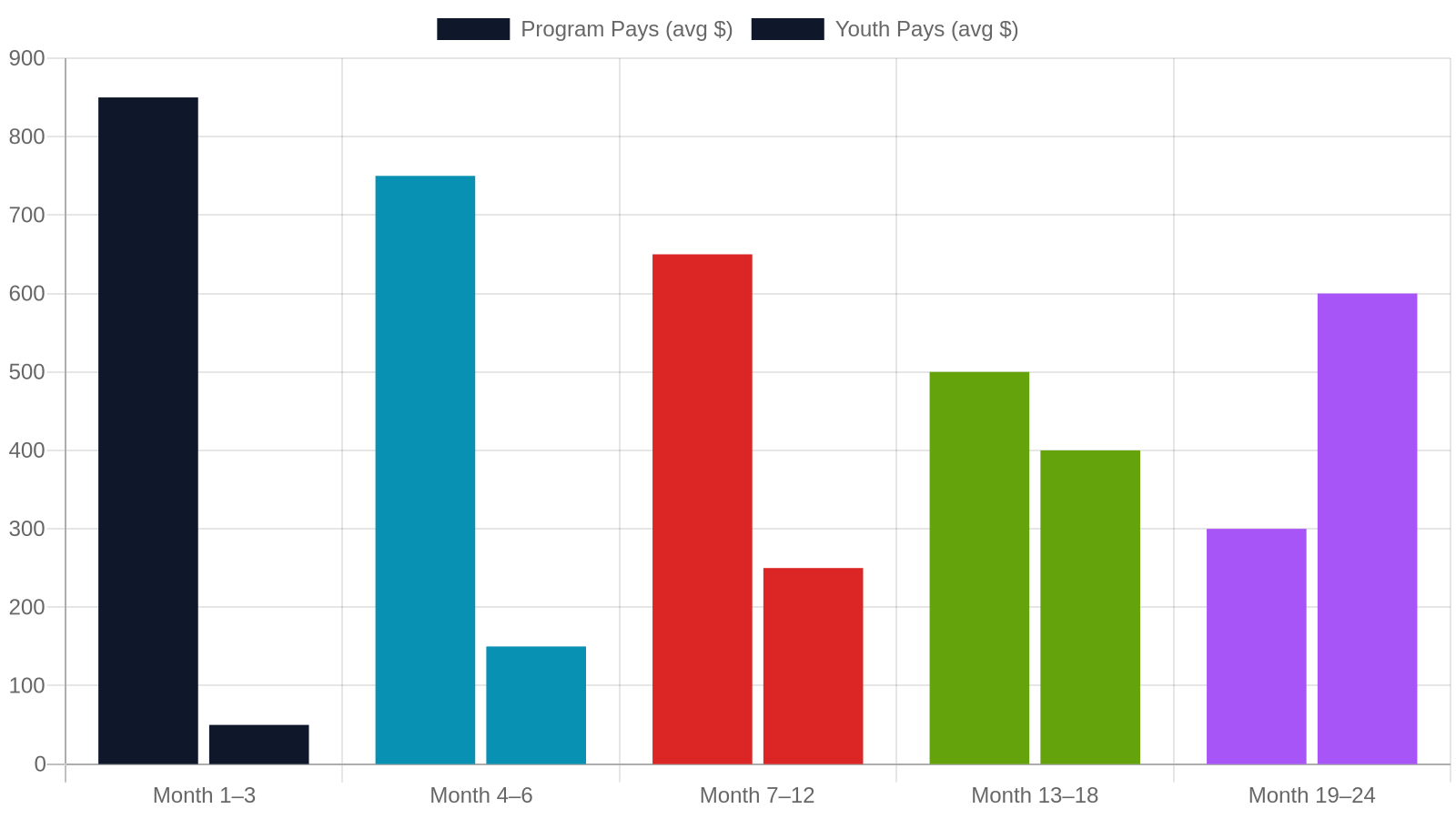
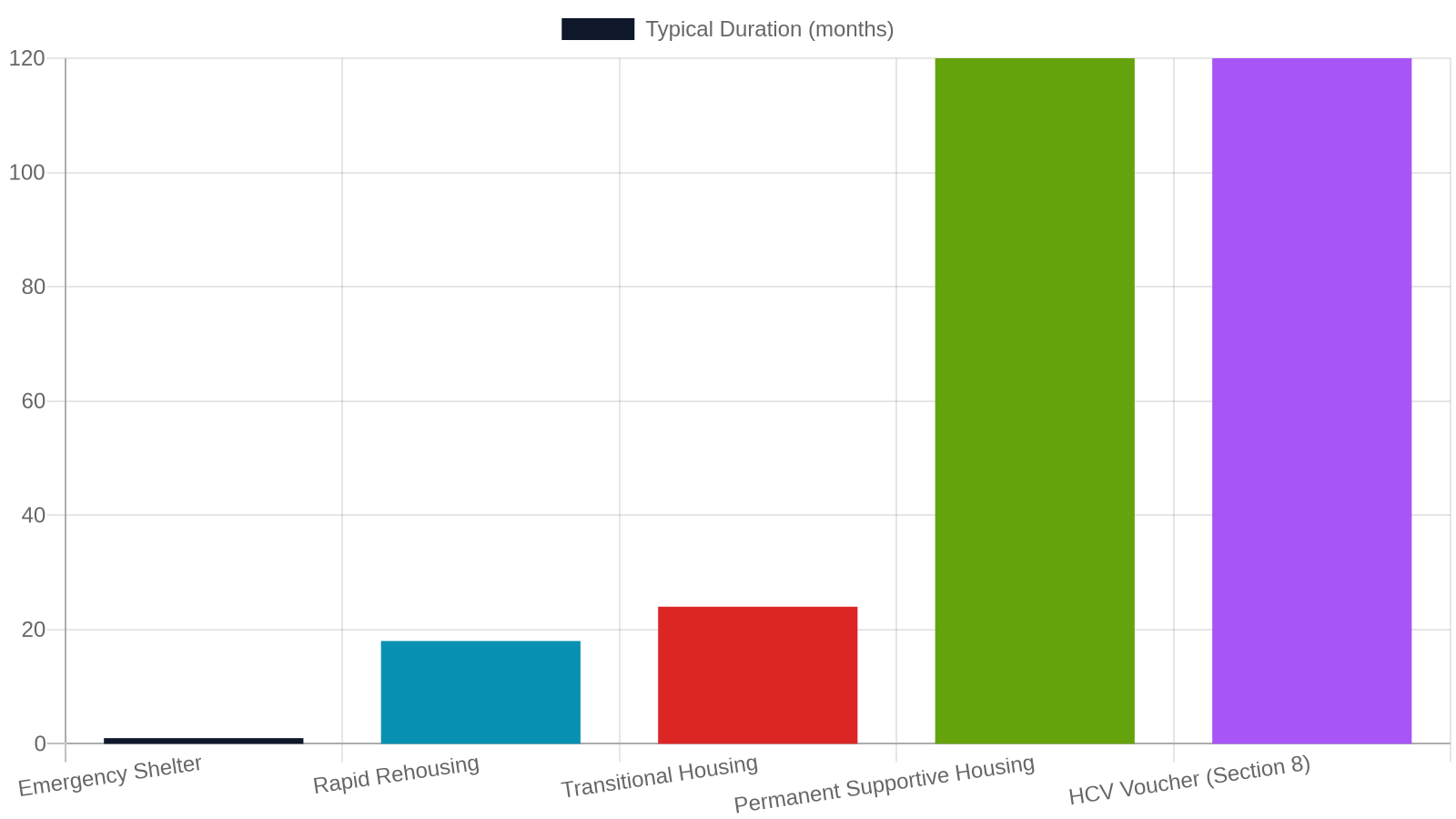
Rapid Rehousing (RRH) is a HUD-funded program that pays your first month’s rent, security deposit, and a portion of ongoing rent for a limited period — typically 3 to 24 months — while you build income and stability. In Nashville/Davidson County, RRH for youth is administered through agencies like Oasis Center, Conexión Américas, and other TN-503 partners. You do not have to be employed to qualify, but you do need to demonstrate a path toward self-sufficiency.
RRH is designed to move you into a private-market apartment quickly — often within 30 to 60 days of enrollment. A housing navigator helps you find a landlord willing to participate, negotiates on your behalf, and stays connected to you after move-in.
Eligibility and What the Process Looks Like
To access Rapid Rehousing in TN-503 you must:
- Be experiencing homelessness as defined by HUD (including couch-surfing and unsafe housing)
- Be ages 17–25 for youth-specific RRH slots
- Complete a coordinated entry assessment through 211 or a partnering agency
- Work with a case manager on a housing stability plan
The average monthly rental assistance through youth RRH programs in Nashville is approximately $600–$900, covering a significant portion of a one-bedroom apartment. As your income grows, your share increases gradually — a model called income-based step-down — so you are never hit with a sudden rent cliff.
Transitional Housing Programs in Nashville for Young Adults

For young adults who need more time and support before moving into fully independent housing, transitional housing programs in Nashville offer a middle step — a safe, stable place to live while you build the skills and resources you need to thrive long-term.
What Makes Transitional Housing Different
Transitional housing (TH) provides a structured living environment — usually a shared house or apartment building — for up to 24 months while you work on goals like finishing school, getting a job, or saving money. Unlike emergency shelter, transitional housing gives you your own room or unit and a consistent address, which is essential for applying to jobs, enrolling in school, and accessing benefits.
In Nashville, transitional housing programs for TAY include Oasis Center’s transitional living program, Renewal House (for young parents), and programs operated through faith-based and nonprofit partners in the TN-503 network. Slots are limited — typically 20 to 60 beds per program — so coordinated entry prioritization matters.
Life Skills and Support Inside TH Programs
Good transitional housing is more than a roof. Programs in Nashville typically include:
- Weekly case management — setting and tracking personal goals
- Life skills workshops — budgeting, cooking, renter’s rights, job readiness
- Mental health and substance use support — on-site or via referral
- Education navigation — GED enrollment, FAFSA assistance, college connections
- Employment coaching — résumé help, interview prep, job placement partnerships
The structured environment is not about rules for rules’ sake — it is about giving you the time and support to build the skills that make your next move permanent. Most programs in Nashville report that over 65% of TAY who complete transitional housing move into stable, independent housing afterward.
Permanent Supportive Housing and Long-Term Rental Assistance

For young adults who need long-term housing stability — not just a bridge — permanent supportive housing and federal rental assistance vouchers are the most powerful tools in Nashville’s housing toolkit. Understanding how to access them can change the entire trajectory of your housing journey.
Permanent Supportive Housing (PSH) for High-Need Youth
Permanent Supportive Housing (PSH) combines a long-term, subsidized apartment with ongoing wraparound services — mental health care, disability support, case management — for young adults with the highest barriers to housing stability. In TN-503, PSH slots for TAY are limited and prioritized through coordinated entry for youth with serious mental illness, chronic health conditions, or multiple episodes of homelessness.
HUD’s definition of chronically homeless — which unlocks PSH priority — includes individuals who have been homeless for 12 consecutive months or 4 or more times in 3 years totaling at least 12 months. If you meet this definition, make sure your coordinated entry assessment reflects it.
Section 8 and HCV Vouchers in Davidson County
The Metropolitan Development and Housing Agency (MDHA) administers Housing Choice Vouchers (Section 8) in Davidson County. As of 2024, the MDHA waitlist for standard HCV vouchers is closed to new applicants due to overwhelming demand — Nashville’s rental market has seen average one-bedroom rents rise above $1,400/month, making vouchers more critical than ever.
However, youth-specific voucher programs — including Family Unification Program (FUP) Youth Vouchers for young adults aging out of foster care — have separate allocations and may have shorter waitlists. Ask your case manager or coordinated entry worker specifically about FUP Youth Vouchers if you have a foster care history. MDHA’s main line is (615) 252-8400.
Knowing Your Renter's Rights as a Young Adult in Tennessee

Knowing your rights as a renter is just as important as finding housing in the first place. Tennessee law gives you real protections — and understanding them means you are less likely to be taken advantage of and more likely to keep the housing you work hard to secure.
Tennessee Landlord-Tenant Law Basics
Tennessee’s Uniform Residential Landlord and Tenant Act (URLTA) applies in counties with populations over 75,000 — which includes Davidson County. Under URLTA, your landlord must:
- Provide a written lease and a copy of it to you
- Maintain the unit in a habitable condition (heat, water, safe structure)
- Give 14 days’ written notice before entering your unit (except emergencies)
- Return your security deposit within 30 days of move-out with an itemized list of any deductions
If your landlord violates these rules, you have legal remedies — including withholding rent into escrow, terminating the lease, or filing a complaint. You do not need a lawyer to start this process, but free legal help is available through Legal Aid Society of Middle Tennessee and the Cumberlands at (615) 244-6610.
Eviction Protections and What to Do If You Get a Notice
In Tennessee, a landlord must give you written notice before filing for eviction — 14 days for nonpayment of rent and 30 days for lease violations. If you receive an eviction notice, do not ignore it. Take these steps immediately:
- Call Legal Aid Society of Middle Tennessee — they provide free representation for income-eligible tenants
- Contact your case manager or coordinated entry — emergency rental assistance may be available
- Attend your court date — failure to appear almost always results in a default judgment against you
- Ask about diversion programs — Nashville’s General Sessions Court has an eviction diversion program that can pause proceedings while you access assistance
A formal eviction on your record makes it significantly harder to rent in the future, so acting quickly is critical.
Financial Resources That Make Housing Affordable in Nashville

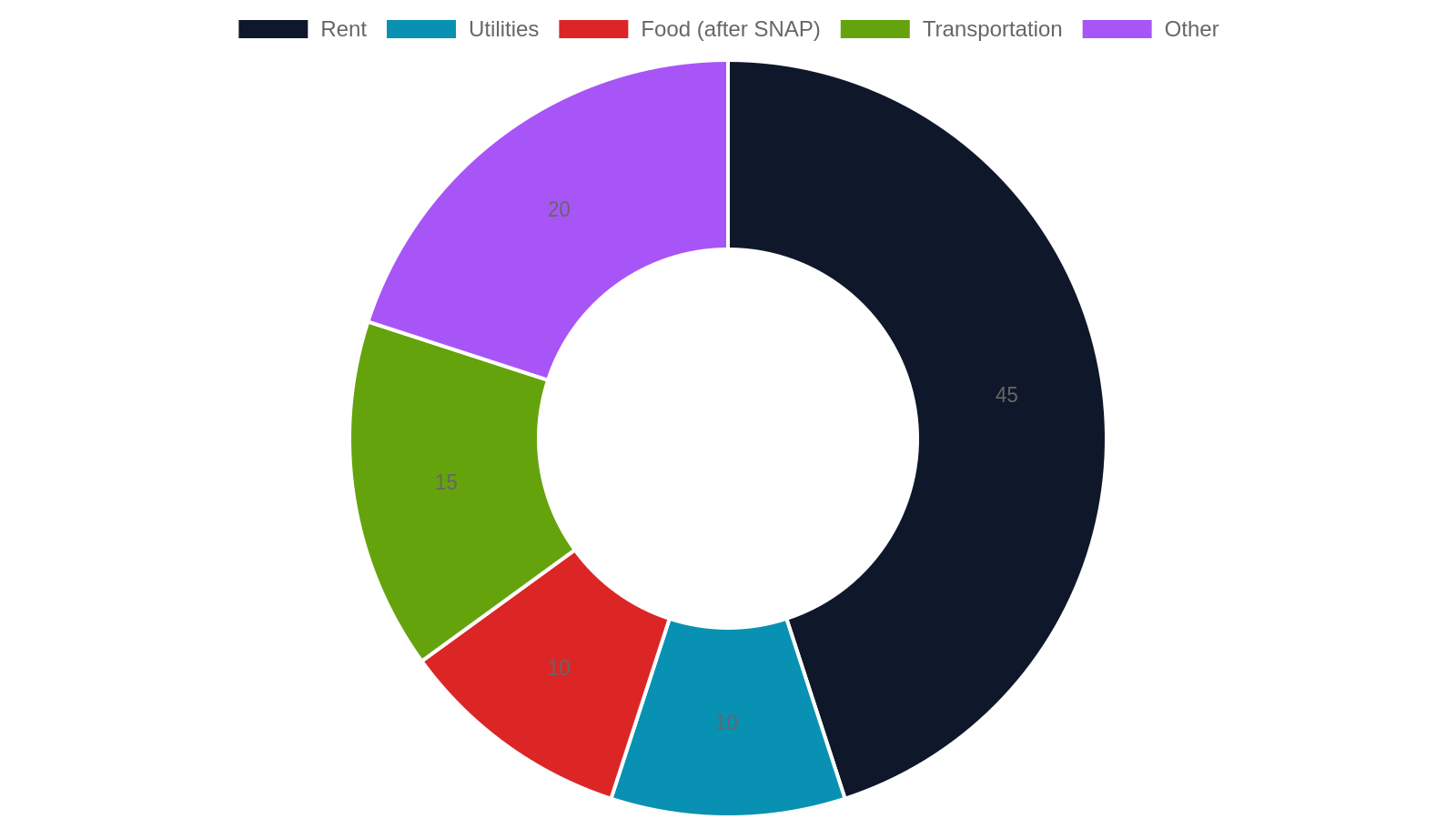
Affordable housing is not just about finding a low-cost unit — it is about having enough financial stability to stay housed. Nashville has a range of financial resources specifically for transition-age youth that can bridge the gap between what you earn and what housing costs.
Emergency Rental Assistance Programs
Nashville has several emergency rental assistance (ERA) programs that can pay past-due rent or utility bills to prevent eviction or help you move into a new unit. Key sources include:
- Metro Action Commission (MAC) — Davidson County’s community action agency; offers utility and rental assistance for income-eligible residents. Call (615) 862-8860.
- Catholic Charities of Tennessee — rental and utility assistance regardless of religious affiliation
- Oasis Center — emergency funds specifically for TAY
- United Way 211 — call or text 211 to be connected to the most current ERA programs
Most ERA programs require proof of income (or lack thereof), a current lease or landlord contact, and documentation of the financial hardship. Your case manager can help you gather these documents quickly.
Benefits That Stretch Your Housing Dollar
Several public benefits directly reduce how much of your paycheck goes toward housing costs:
- TennCare (Medicaid) — free or low-cost health coverage for income-eligible Tennesseans; apply at tennessee.gov/tenncare
- SNAP (food stamps) — reduces food costs so more income goes to rent; apply through Tennessee DHS
- TANF — cash assistance for eligible young parents
- Earned Income Tax Credit (EITC) — a federal tax refund that can return $500–$6,000+ per year to low-income workers; free filing help is available through VITA sites in Nashville every tax season
Stacking these benefits is not a workaround — it is exactly what they are designed for. A case manager or financial coach can help you identify every benefit you qualify for.
Education and Employment Pathways That Support Housing Stability

Housing stability and economic stability reinforce each other. When you have income and credentials, you have more housing options. When you have stable housing, you can focus on school and work. Nashville’s education and workforce ecosystem has real pathways built for young adults who are navigating both at the same time.
GED, Workforce Training, and School Enrollment in Nashville
Stable housing and stable income are deeply connected. In Nashville, transition-age youth can access free GED preparation and testing through Tennessee College of Applied Technology (TCAT Nashville) and Nashville State Community College’s Adult Education program. Both offer flexible scheduling designed for people who are working or in unstable living situations.
Workforce development programs like Nashville Career Advancement Center (NCAC) offer free job training in high-demand fields — healthcare, IT, construction trades — along with job placement support. Many programs also provide transportation assistance and childcare referrals so that logistics don’t stand between you and a credential.
Youth-Specific Employment Programs
Several Nashville programs specifically target TAY who are experiencing homelessness or housing instability:
- Oasis Center’s workforce programs — job readiness, paid internships, employer connections
- YouthBuild Nashville — earn a GED and construction credential simultaneously, with a living stipend
- AmeriCorps VISTA and City Year — paid service positions with education awards
- Tennessee Promise and Tennessee Reconnect — tuition-free community college for eligible youth
Even a part-time job earning Tennessee’s minimum wage of $7.25/hour (federal floor as of 2024) combined with rental assistance can be enough to maintain housing stability while you build toward a higher-wage career. The goal is momentum, not perfection.
Nashville Housing Options for Transition-Age Youth at a Glance
Use this table to quickly compare the main housing program types available to young adults ages 17–25 in Nashville/Davidson County (TN-503). Availability and eligibility vary — always confirm with a case manager or coordinated entry worker.
Mental Health and Wellness Resources Connected to Housing

Accessing housing is not just a logistical challenge — it is an emotional one. Nashville’s best housing programs recognize this and weave mental health and wellness support directly into their services, because stable housing requires stable wellbeing.
Why Mental Health Support Is Part of the Housing Conversation
Housing instability and mental health are deeply intertwined. Research consistently shows that over 30% of homeless youth experience depression, anxiety, or PTSD — and that untreated mental health challenges are one of the leading causes of housing loss among TAY. This is not a personal failing. It is a predictable response to trauma, instability, and systems that were not built for young adults.
In Nashville, mental health support is integrated into many housing programs. Centerstone Tennessee provides outpatient mental health and substance use services on a sliding-fee scale and accepts TennCare. Oasis Center has licensed counselors on staff. The Tennessee Crisis Line is available 24/7 at 1-855-CRISIS-1 (1-855-274-7471).
Peer Support and Trauma-Informed Care
The most effective mental health support for transition-age youth is trauma-informed — meaning providers understand that your experiences are real, that your reactions make sense given what you have been through, and that healing happens at your pace. Peer support specialists — people with their own lived experience of homelessness or mental health challenges who are now trained to support others — are increasingly embedded in Nashville’s housing programs.
Peer support is not therapy, but it is powerful. Having someone who has been where you are tell you what worked for them, walk with you to an appointment, or just listen without judgment can be the difference between staying housed and losing everything again. Ask any housing program in Nashville whether they have peer support staff — many do, and it is free.
How YAAB Members Shape Housing Policy in Nashville and Beyond

YAAB members are not just recipients of housing services — they are architects of the systems that deliver those services. In Nashville and across Tennessee, young adults with lived experience are changing the rules of the game from the inside.
What YAAB Members Actually Do
The Youth Action Board of Tennessee (YAAB) is not a passive advisory group. Members with lived experience of homelessness and housing instability sit at the table with CoC leaders, city officials, and state policymakers to make sure that youth voices drive decisions — not just inform them. In the TN-503 region, YAAB members have contributed to:
- Reviewing and scoring HUD grant applications for youth housing programs
- Advocating for lower-barrier shelter policies that remove ID and sobriety requirements
- Shaping the design of youth-specific coordinated entry assessments
- Presenting at Nashville Metro Council meetings on TAY housing needs
This is real power. And it starts with young adults who know the system from the inside deciding to use that knowledge to change it.
The Ripple Effect of Youth-Led Advocacy
When YAAB members advocate for better policies, the impact is felt by every young adult who comes after them. A shelter that removes its sobriety requirement because a YAAB member made the case means dozens of young adults can access safety who couldn’t before. A rapid rehousing program that extends its duration from 12 to 18 months because youth data showed 12 wasn’t enough — that is YAAB advocacy in action.
Tennessee’s statewide YAAB network connects members across all CoC regions, meaning that a win in Nashville can become a model for Memphis, Knoxville, Chattanooga, and beyond. You can learn more about the full statewide network and YAAB’s advocacy work across Tennessee on the main site.
Comparing Nashville's Main Housing Options for Transition-Age Youth

Every housing situation is different, and the right program depends on where you are right now — not where you think you should be. Use this comparison to understand which option might fit your current needs, then talk to a case manager or coordinated entry worker to confirm eligibility and availability in Nashville/Davidson County.
Ready to Connect? Join the Central Tennessee YAAB in Nashville

Nashville’s housing landscape is complicated — but you have more options, more rights, and more support than you might realize. And in Central Tennessee, there is a community of young adults who have been where you are and are working every day to make the path easier for everyone who comes next.
How to Access Housing Resources Starting Today
You do not have to figure this out alone. Here is a simple action plan to get started in Nashville right now:
- Call or text 211 — Tennessee’s free social-services hotline, available 24/7, connects you to coordinated entry and current shelter availability
- Visit Oasis Center at 1704 Charlotte Ave — walk-ins welcome for youth up to age 24
- Contact Legal Aid Society of Middle Tennessee at (615) 244-6610 if you are facing eviction or have a landlord dispute
- Ask about FUP Youth Vouchers if you have a foster care history — contact MDHA at (615) 252-8400
- Explore YAAB’s full resource library at yaabtn.org/resources for statewide and regional housing, employment, and education tools
Get Involved With the Central Tennessee YAAB
If you are a young adult ages 17–25 in Nashville or Davidson County with lived experience of homelessness or housing instability, your voice belongs in the room. The Central Tennessee YAAB (TN-503) meets regularly, provides peer support, and gives members real opportunities to shape the programs and policies that affect their lives and the lives of their peers.
Joining YAAB is not about having all the answers — it is about bringing your experience and being willing to use it. Members receive training, mentorship, and the chance to advocate at local and state levels. To learn more and connect with the Central Tennessee YAAB, visit the TN-503 local YAAB page and reach out today. You can also apply to join YAAB statewide if you want to get involved across Tennessee’s regions.
Frequently Asked Questions
How do I access housing help in Nashville if I'm between 17 and 25?
Call or text 211 to connect to Nashville's coordinated entry system, which matches you to the right housing program based on your situation. You can also walk into Oasis Center at 1704 Charlotte Ave — they specialize in youth up to age 24 and accept walk-ins.
What is the TN-503 Continuum of Care and why does it matter?
TN-503 is the HUD-designated Continuum of Care for Davidson County (Nashville). It coordinates all major homeless-services providers — shelters, rapid rehousing, transitional housing, and permanent supportive housing — through a single coordinated entry system so that young adults are matched to the right resource quickly.
Can I get housing help in Nashville if I don't have an ID or Social Security card?
Yes. Low-barrier programs in Nashville, including Oasis Center and Campus for Human Development, are designed to work with you even if you lack documents. Lack of ID should never be used to turn you away from emergency shelter, and case managers can help you obtain documents once you are safe.
What is a Youth Action Board and how do I join the one in Nashville?
The Youth Action Board (YAAB) is a statewide network of young adults ages 17–25 with lived experience of homelessness who advise policymakers and shape housing programs. The Central Tennessee YAAB covers the TN-503 region (Nashville/Davidson County). Visit yaabtn.org/local-yaabs/tn-503/ to learn how to connect and get involved.
Does Tennessee have renter protections for young adults facing eviction in Nashville?
Yes. Under Tennessee's URLTA, Davidson County landlords must give 14 days' written notice before filing for eviction for nonpayment of rent. If you receive an eviction notice, contact Legal Aid Society of Middle Tennessee at (615) 244-6610 immediately — they provide free legal help for income-eligible tenants.
Are there housing vouchers specifically for youth aging out of foster care in Nashville?
Yes. The Family Unification Program (FUP) Youth Voucher is a HUD-funded rental subsidy specifically for young adults ages 18–24 who aged out of foster care and are homeless or at risk. Contact MDHA at (615) 252-8400 and ask specifically about FUP Youth Vouchers, as they have separate allocations from the standard Section 8 waitlist.