Quick answer: The Tennessee Youth Action Board (YAAB) podcast gives young adults ages 17 to 25 — people with real lived experience of homelessness and housing instability — a platform to tell their own stories, celebrate advocacy wins, and share what actually works. Across Tennessee's seven Continuum of Care regions, from Memphis to Northeast TN, YAAB members have used the podcast to influence policy, connect peers to resources, and prove that young people are the experts on their own lives. Whether you want to listen, share your story, or get involved with a local YAAB, this article walks you through everything the podcast represents and how to plug in.
1. What the Tennessee YAAB Podcast Actually Is

Before diving into specific stories and wins, it helps to understand what the Tennessee YAAB podcast is — and what it is not. It is not a news show, a charity campaign, or a policy briefing. It is a peer-driven storytelling platform built on the belief that young adults with lived experience are the most credible, most compelling voices in the conversation about youth homelessness in Tennessee.
Peer-to-Peer Storytelling, Not a Lecture Series
The YAAB podcast is not produced by service providers talking about young people — it is made by and for young adults who have navigated homelessness, housing instability, aging out of foster care, and the maze of systems that come with it. Every episode centers a real voice, a real experience, and a real outcome. That distinction matters enormously. When you hear someone your own age describe how they found stable housing in Nashville or kept their apartment in Knoxville while finishing a GED, it hits differently than a brochure ever could.
Who Makes It and Why
The podcast is a project of the Youth Action Board of Tennessee (YAAB), a statewide network of young adults ages 17 to 25 with lived experience of homelessness. YAAB members sit on Continuum of Care committees, advise state leaders, and drive advocacy across all seven of Tennessee’s CoC regions — Memphis/Shelby, Nashville/Davidson, Knoxville/Knox, Chattanooga/Hamilton, Jackson/West TN, Upper Cumberland, and Northeast TN. The podcast extends that advocacy work into audio, making it accessible to peers who may not be able to attend a meeting in person but can listen during a commute, a break at work, or a late night in a shelter or transitional housing unit.
The Format: Short, Real, and Actionable
Episodes typically run 20 to 45 minutes and follow a loose interview format. A YAAB member or peer host guides a guest — usually another young adult — through their story: where they started, what barriers they hit, what resources or people helped, and what they want other young Tennesseans to know. Many episodes close with a concrete action step: a hotline number, a program name, a meeting date. The goal is always to leave the listener with something they can actually use.
2. Why Storytelling Is a Legitimate Advocacy Strategy
Some people wonder whether a podcast is a serious advocacy tool or just content. The answer, backed by data and the lived experience of YAAB members across Tennessee, is unambiguously the former. Storytelling is one of the oldest and most effective forms of advocacy, and audio storytelling reaches audiences that written reports and policy briefs never will.
Stories Change Policy — Here Is the Evidence
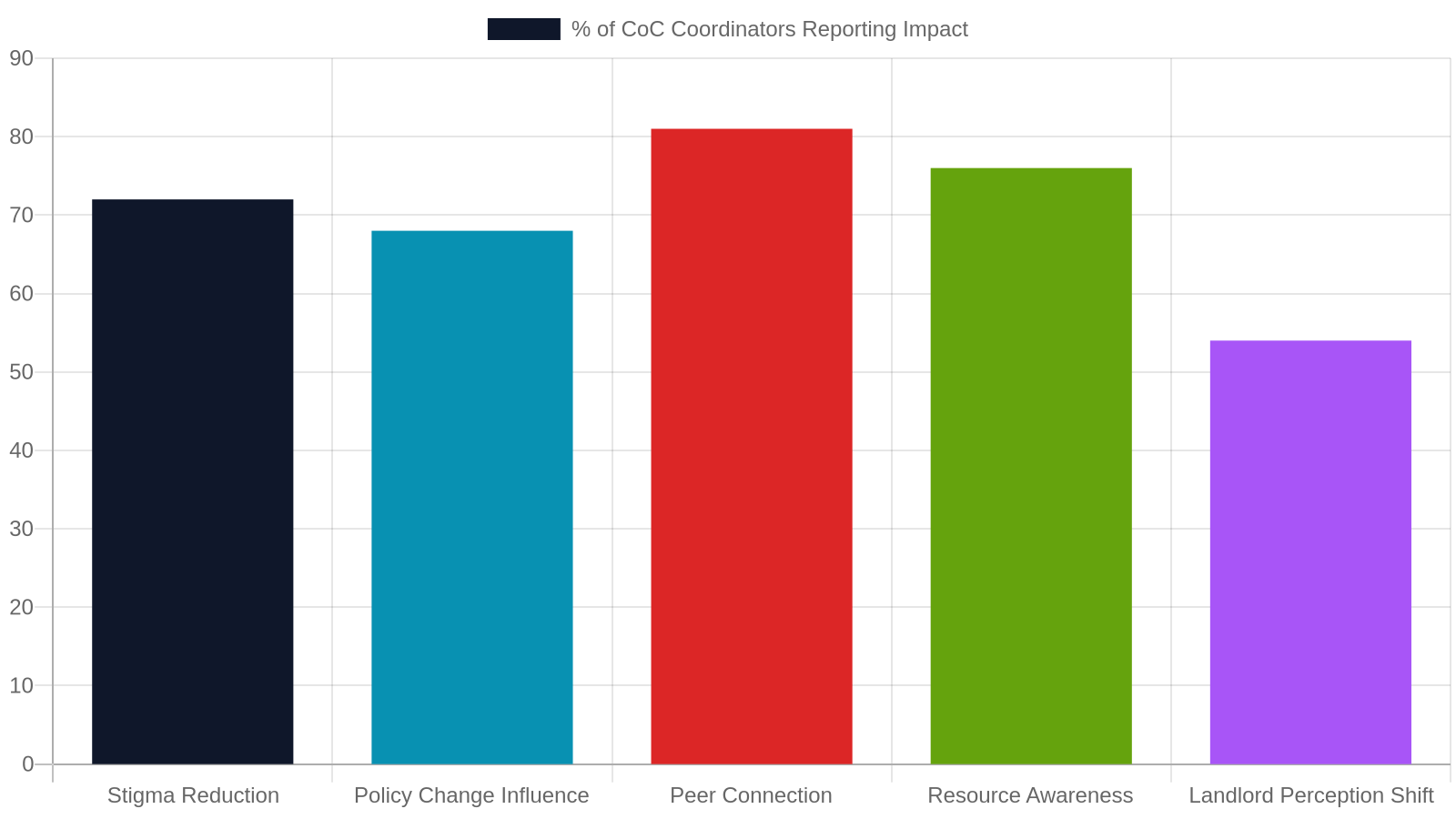
Research from the National Alliance to End Homelessness consistently shows that policymakers who hear direct testimony from people with lived experience are significantly more likely to support funding increases and program expansions. In Tennessee, YAAB members have testified before the state legislature and spoken at CoC planning meetings, and the podcast serves as a year-round extension of that testimony. A 2022 survey of Continuum of Care coordinators found that 68% reported that youth voice directly influenced at least one program change in the previous 12 months — and storytelling was the most cited mechanism.
Reducing Stigma Through Shared Humanity
One of the most powerful things a podcast episode can do is replace a stereotype with a specific human being. When a 20-year-old from Memphis describes working two part-time jobs while couch-surfing and still showing up to community college, listeners — including landlords, employers, and social workers — begin to see transition-age youth differently. Stigma is a real barrier to housing: studies estimate that up to 40% of young adults experiencing homelessness face discrimination when applying for apartments, jobs, or financial aid. Every honest story told on the podcast chips away at that barrier.
Building Community Across Tennessee's Seven Regions
Tennessee is a geographically diverse state. A young adult in Johnson City (Northeast TN) and one in Memphis face different local systems, different resource landscapes, and different cultural contexts — but they share many of the same experiences of instability and resilience. The podcast creates a sense of statewide community that a local meeting cannot. Listeners in Chattanooga hear strategies that worked in Jackson. Young adults in the Upper Cumberland region discover they are not alone. That sense of solidarity is itself a protective factor against the isolation that often accompanies homelessness.
3. Housing Stability Stories from Memphis and Shelby County

Memphis is Tennessee’s largest city and home to one of the state’s most active YAAB chapters. The stories coming out of the Memphis/Shelby County CoC region reflect both the scale of the challenge — Shelby County consistently reports among the highest rates of youth homelessness in the state — and the remarkable resilience and strategic thinking of the young adults navigating it.
From Shelter to Signed Lease: One Member's 90-Day Journey
One Memphis YAAB member shared on the podcast how she entered an emergency shelter at age 19 after aging out of foster care with no family support and no rental history. Within 90 days, she had a signed lease — not because the system worked perfectly, but because a YAAB peer navigator helped her understand Rapid Rehousing eligibility, connected her to a landlord who accepted the program, and coached her through the application. Her episode has been shared hundreds of times in Memphis/Shelby County CoC networks and is frequently cited by case managers as a resource they send to new clients.
Advocacy Win: Expanding Youth Shelter Beds in Memphis
Memphis YAAB members used data they collected through peer surveys — distributed in part via the podcast’s listener community — to document a gap of approximately 47 emergency shelter beds for young adults in Shelby County. They presented this data to the Memphis/Shelby County CoC and to city council members in 2023. The result: a funding commitment to add 30 new beds through a partnership with a local nonprofit. The podcast episode documenting this win became one of the most-listened-to episodes in the series, demonstrating that advocacy wins are themselves compelling content.
4. Nashville and Davidson County: Policy Change at the State Level
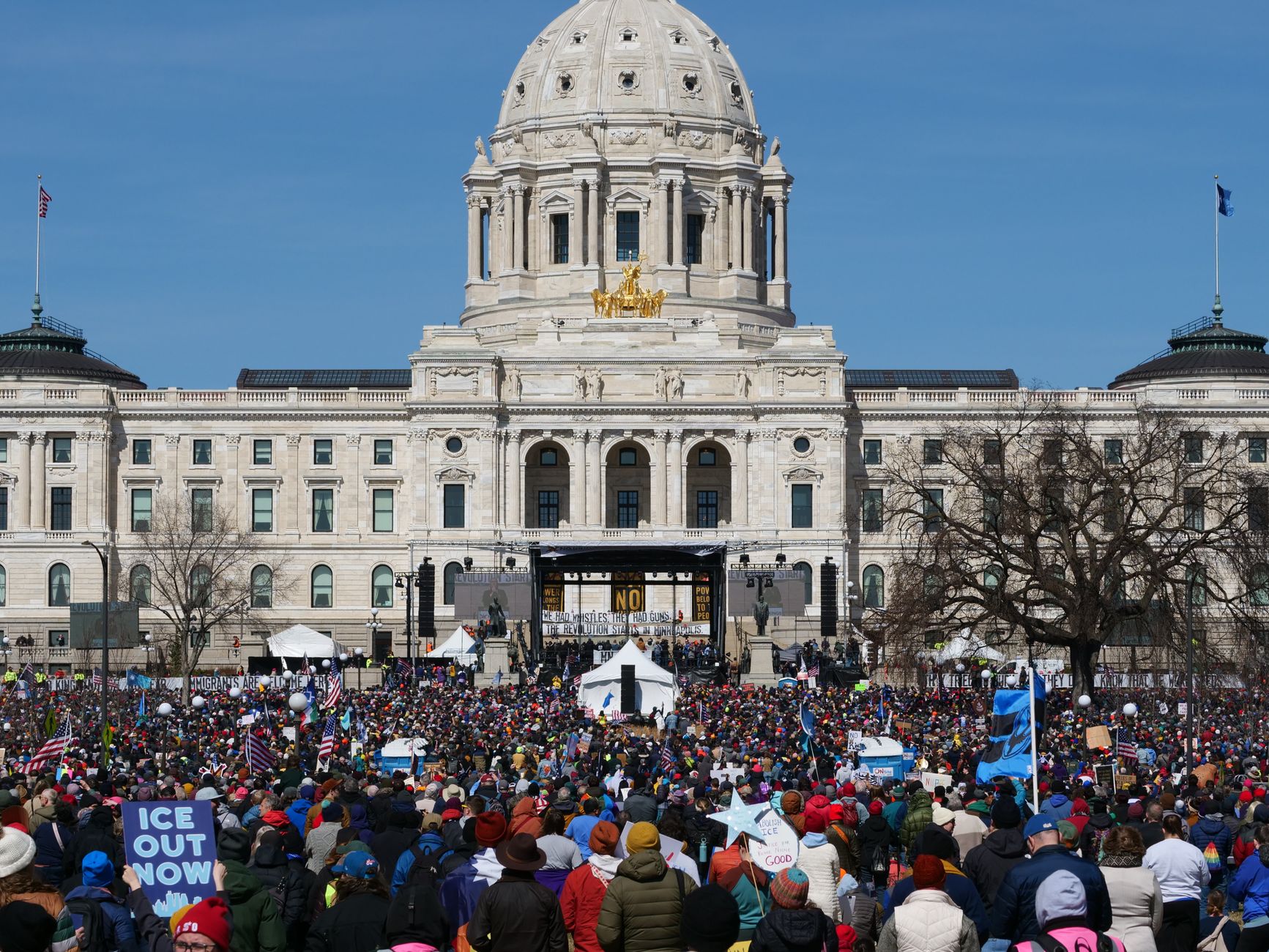
Nashville sits at the center of Tennessee’s policy landscape, and the Davidson County YAAB chapter has leveraged that geography to push for changes that ripple across the entire state. Several of the most impactful podcast episodes have come from Nashville members who took their stories directly into legislative spaces and then brought those experiences back to their peers through audio.
Testifying Before the Tennessee Legislature
Nashville YAAB members have used the podcast both to prepare for legislative testimony and to debrief afterward — turning what could be an intimidating, one-time event into an ongoing public record of youth advocacy. In one notable episode, a 22-year-old member described preparing her three-minute testimony for a state housing committee, the nerves she felt walking into the Capitol, and the moment a legislator told her, ‘I had no idea young people were navigating this.’ That moment of genuine connection — documented and shared — reached thousands of listeners who might never have known that young adults can and do shape state policy.
The Rapid Rehousing Data Win
Nashville YAAB members contributed to a statewide data push that helped secure increased Rapid Rehousing funding for transition-age youth through the Tennessee Housing Development Agency (THDA). By aggregating peer survey responses and sharing them through the podcast’s platform — including a dedicated episode walking through the numbers — YAAB members made the case in plain language that existing funding was leaving a documented gap. The result was a $1.2 million increase in youth-specific Rapid Rehousing allocations in the 2023-2024 funding cycle, benefiting young adults across all seven CoC regions.
5. Knoxville, Chattanooga, and East Tennessee: Regional Voices

East Tennessee’s YAAB chapters — spanning Knoxville/Knox County and Chattanooga/Hamilton County — have produced some of the most detailed, data-rich podcast episodes in the series. Both regions have used audio storytelling not just to share individual experiences but to document systemic wins that other CoC regions can learn from and replicate.
Knoxville: Navigating the University Town Housing Market
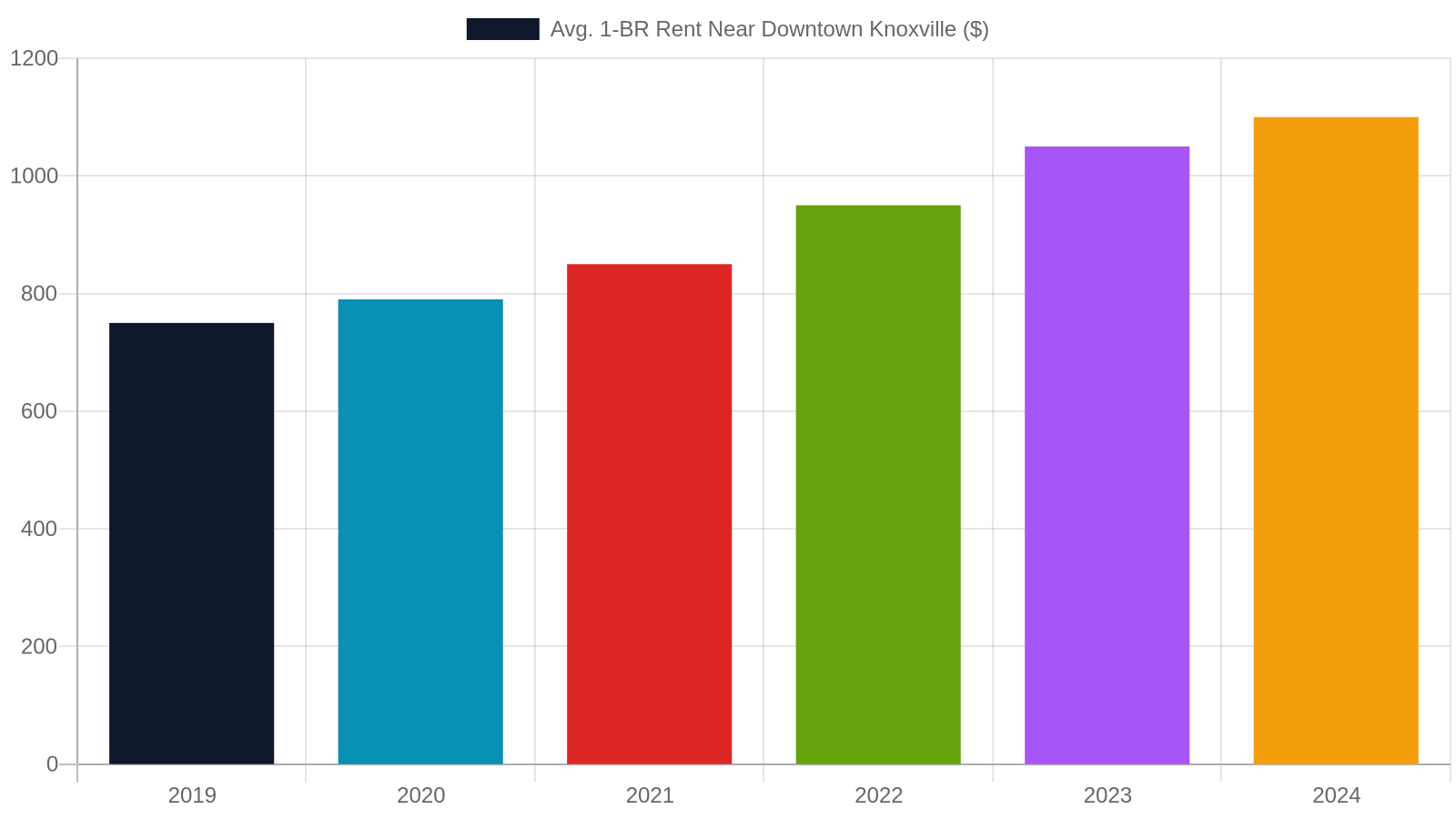
Knoxville presents a unique housing challenge for young adults experiencing instability: a tight rental market driven partly by University of Tennessee enrollment means that affordable units are scarce and competition is fierce. A Knox County YAAB member’s podcast episode on this topic went into granular detail — average one-bedroom rents near downtown Knoxville have risen from approximately $750 in 2019 to over $1,100 in 2024, a 47% increase that has outpaced wage growth for entry-level workers. The episode also highlighted a local Rapid Rehousing program that specifically targets young adults and has housed more than 85 individuals since 2021.
Chattanooga: Building a Youth-Specific Drop-In Center
Hamilton County YAAB members used the podcast to document a two-year campaign to establish a youth-specific drop-in center in Chattanooga — a place where young adults experiencing homelessness could access WiFi, laundry, meals, and case management without the age restrictions of many adult shelters. The campaign involved peer surveys, presentations to the Hamilton County CoC, and a public comment period. The drop-in center opened in late 2022 and served over 200 unique young adult visitors in its first six months. The podcast episode celebrating the opening remains one of the most shared pieces of YAAB content in the region.
6. Jackson, Upper Cumberland, and Northeast TN: Rural Realities

Not every young adult experiencing homelessness in Tennessee lives in a major city. The YAAB podcast has been especially valuable in amplifying the voices of young adults in rural and semi-rural regions, where resources are thinner, distances are greater, and the experience of instability is often invisible to urban policymakers.
When the Nearest Shelter Is 45 Miles Away
Rural homelessness looks different from urban homelessness, and the YAAB podcast has been essential in making that visible. A young adult from the Upper Cumberland region described on air how the nearest emergency shelter was a 45-mile drive — impossible without a car, and public transit in the region is extremely limited. Her episode sparked a conversation within the Upper Cumberland CoC about mobile outreach units and hotel/motel voucher programs as stopgap measures for rural youth. Within eight months of the episode airing, the CoC had piloted a motel voucher program that served 14 young adults in its first quarter.
Northeast TN: Peer Navigation Across County Lines
Northeast Tennessee’s YAAB chapter covers a sprawling multi-county area including Johnson City, Kingsport, and Bristol. A podcast episode from this region highlighted how a peer navigator — a YAAB member who had previously experienced homelessness — helped five young adults in a single month access services across three different counties by knowing which programs had current openings and which had waitlists. The episode made a concrete case for regional peer navigator positions funded through CoC grants, a proposal that the Northeast TN CoC has since included in its 2024 funding application.
Jackson and West TN: Employment as the Missing Piece
Jackson-area YAAB members have produced episodes focused heavily on the employment-housing connection — the reality that stable housing is nearly impossible without income, and that many entry-level jobs in West Tennessee do not pay enough to cover even a modest one-bedroom apartment. At a statewide level, a full-time worker earning Tennessee’s minimum wage of $7.25/hour would need to work approximately 89 hours per week to afford a one-bedroom apartment at fair market rent, according to the National Low Income Housing Coalition’s 2023 Out of Reach report. YAAB members in Jackson have used this data on air to push for workforce development partnerships that specifically target transition-age youth.
7. 10 Advocacy Wins Documented on the YAAB Podcast
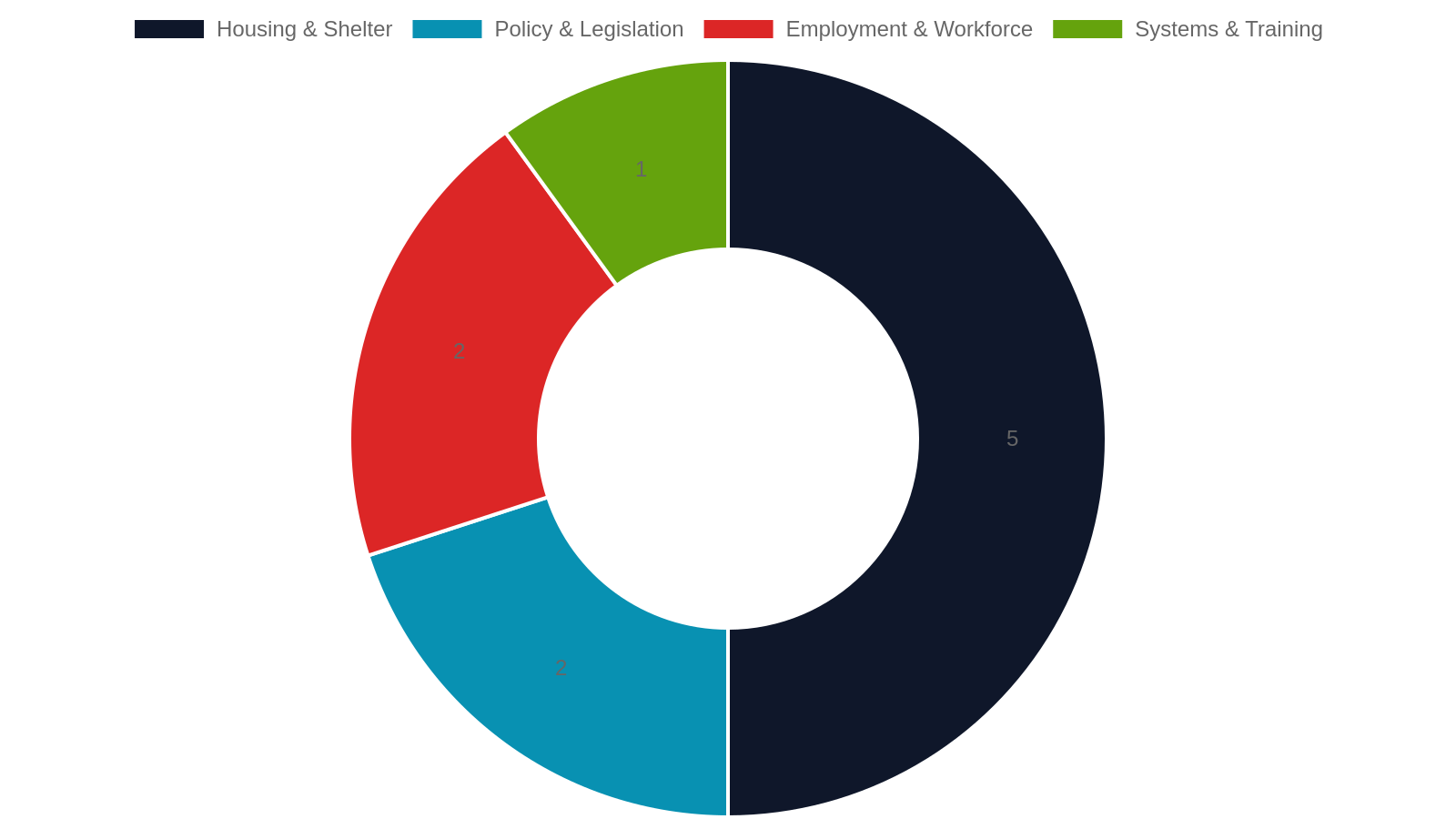
The YAAB podcast is not just a storytelling platform — it is a documented record of real, measurable change driven by young adults with lived experience. Here are ten concrete advocacy wins that have been featured on or directly connected to the podcast, spanning all regions of Tennessee.
Wins 1 Through 5: Housing and Shelter
- 1. Memphis shelter bed expansion: 30 new emergency beds committed after YAAB peer data was presented to the Shelby County CoC.
- 2. Nashville Rapid Rehousing funding increase: $1.2 million in additional youth-specific funding secured for 2023-2024.
- 3. Chattanooga drop-in center: Youth-specific facility opened in late 2022, serving 200+ young adults in its first six months.
- 4. Upper Cumberland motel voucher pilot: 14 young adults housed in the first quarter after a podcast episode sparked CoC action.
- 5. Knoxville Rapid Rehousing program: 85+ young adults housed since 2021 through a program spotlighted in a YAAB episode.
Wins 6 Through 10: Policy, Employment, and Systems Change
- 6. Legislative testimony impact: Nashville YAAB member’s testimony directly cited by a state housing committee member as influencing a committee vote.
- 7. Northeast TN peer navigator proposal: Included in the 2024 CoC funding application after a podcast episode made the case.
- 8. Statewide youth homelessness data campaign: YAAB peer surveys aggregated and shared via podcast, contributing to THDA policy conversations.
- 9. Jackson workforce development partnership: Local employer and workforce board partnership targeting transition-age youth, catalyzed by YAAB advocacy documented on air.
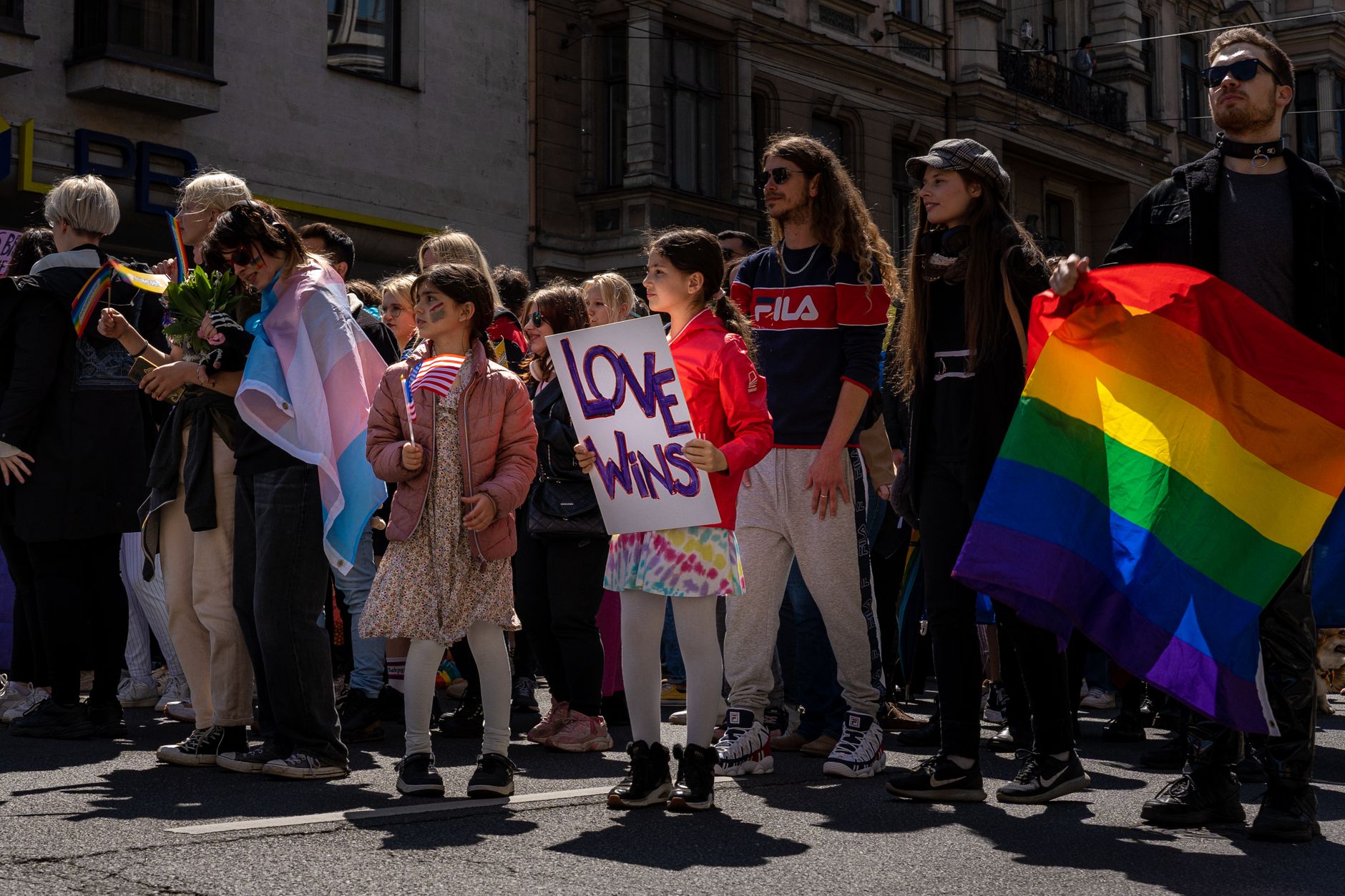
- 10. Stigma reduction training: At least three CoC regions have incorporated YAAB podcast episodes into training materials for case managers and landlord partners, replacing deficit-framing language with asset-based approaches.
8. What Young Adults Say They Gain from Sharing Their Story

It is easy to focus on the external impact of the podcast — the policy wins, the beds added, the programs funded. But the internal impact on the young adults who share their stories is equally significant and deserves its own space in this conversation.
Reclaiming Your Narrative
For many young adults who have experienced homelessness, their story has been told about them — by caseworkers, in court documents, in intake forms — without their voice or their perspective. The YAAB podcast flips that dynamic. Multiple guests have described the experience of recording an episode as reclaiming ownership of their own story. One member from Chattanooga said it plainly: ‘For the first time, I got to say what actually happened, in my own words, and people listened.’ That act of narration — choosing what to share, how to frame it, what lesson to draw — is itself a form of healing and empowerment.
Building Leadership Skills and Confidence
Podcast participation is also a leadership development experience. Members who record episodes report gains in public speaking confidence, media literacy, and the ability to communicate complex personal experiences to diverse audiences — skills that translate directly into job interviews, advocacy presentations, and community organizing. Several YAAB members have parlayed their podcast experience into paid positions as peer navigators, outreach workers, and community health workers. The podcast is, in this sense, also a workforce development tool embedded in a storytelling format.
Connecting to Peers Who Need to Hear It
Perhaps the most consistent thing YAAB podcast guests say after their episode airs is that they heard from someone who needed it. A young adult in Memphis got a message from a listener in Jackson who said, ‘I didn’t know Rapid Rehousing existed until I heard your episode.’ A Northeast TN member’s story about navigating the foster care-to-housing transition prompted three peers to reach out to their local YAAB chapter for the first time. The peer-to-peer ripple effect of audio storytelling is difficult to quantify but impossible to ignore.
YAAB Podcast vs. Other Youth Advocacy Formats: What Each Does Best
Different advocacy formats serve different purposes. Here is how the YAAB podcast compares to other common ways young adults and organizations share information and drive change.
9. How Case Managers and CoC Partners Use the Podcast

The YAAB podcast is not only for young adults — it is also a professional resource for the case managers, CoC coordinators, outreach workers, and service providers who support transition-age youth across Tennessee. Understanding how partners use the podcast helps explain why it has had outsized impact relative to its production budget.
As a Client-Facing Resource
Case managers across Tennessee’s seven CoC regions have incorporated YAAB podcast episodes into their work with clients in several practical ways. Some share specific episodes with young adults who are at a particular stage of their housing journey — an episode about Rapid Rehousing for someone just entering the system, or an episode about employment navigation for someone who has achieved housing stability and is working toward financial independence. The peer voice in these episodes often communicates what a case manager cannot: ‘I have been exactly where you are, and here is what helped me.’
As a Training and Onboarding Tool
At least three CoC regions have formally incorporated YAAB podcast episodes into onboarding materials for new case managers and outreach workers. Rather than reading a policy document about person-centered, trauma-informed care, new staff listen to a young adult describe — in real time, with real emotion — what it felt like to be treated as a case number versus a full human being. This experiential learning approach has been praised by supervisors as more effective at shifting language and attitude than traditional training modules.
As Evidence for Funding Applications
CoC coordinators have cited YAAB podcast episodes as qualitative evidence in federal funding applications, including Continuum of Care Program grant submissions to HUD. Documented youth voice — especially voice that is timestamped, publicly accessible, and clearly peer-generated — strengthens the narrative sections of grant applications and demonstrates genuine community engagement. One coordinator noted that including a reference to a specific YAAB episode helped her team’s application score higher on the ‘meaningful engagement of persons with lived experience’ criterion, which HUD has increasingly weighted in recent funding cycles.
10. How to Share Your Story on the YAAB Podcast

If reading this article has made you think, ‘I have a story like that’ — you are right, and it matters. The YAAB podcast is always looking for new voices from across Tennessee, and the process is designed to be welcoming, low-pressure, and entirely on your terms.
Who Can Be a Guest
Any young adult ages 17 to 25 with lived experience of homelessness or housing instability in Tennessee is eligible to be a podcast guest. You do not need to be a current YAAB member, though many guests do become members after recording. You do not need to have a ‘resolved’ story — episodes featuring young adults who are still in the middle of their housing journey are some of the most powerful and most listened-to. You do not need to be comfortable on camera; the podcast is audio-only. You just need to be willing to share something true about your experience.
What the Recording Process Looks Like
YAAB makes the recording process as low-barrier as possible. Most episodes are recorded remotely via phone or video call, so you do not need to travel to a studio. A peer host — someone who has recorded before — guides the conversation. You receive questions in advance so you can think about what you want to say. You have full control over what you share and what stays off the record. The typical recording session takes about 60 to 90 minutes, and you will have a chance to review the episode before it is published. Your story belongs to you, and YAAB’s process is designed to keep it that way.
How to Get Started
The easiest first step is to connect with your regional YAAB chapter. Each of Tennessee’s seven CoC regions has a local YAAB that can connect you with the podcast team. You can also reach out directly through the YAAB website. If you want to learn more about what YAAB does before committing to anything, read about YAAB’s mission and structure or find your local YAAB chapter to see who is active in your region. There is no pressure and no timeline — when you are ready, the mic is open.
11. Where to Listen, Share, and Stay Connected

The YAAB podcast is only as powerful as its reach. Every share, every listen, and every conversation it sparks is part of the advocacy. Here is how to stay connected to the podcast and the broader YAAB community across Tennessee.
Finding Episodes and Media Resources
All YAAB podcast episodes and related media — including video clips, advocacy presentations, and press coverage — are collected in one place. You can explore the full YAAB media library to find episodes by region, topic, or date. The media page is also the best place to share links with peers, case managers, or anyone else who needs to hear what Tennessee’s young adults are doing and saying. Bookmark it, share it, and check back regularly as new episodes are added.
Following YAAB Across Platforms
YAAB shares episode releases, advocacy updates, and event announcements across social media platforms. Following YAAB on social media is one of the easiest ways to stay current on new episodes, upcoming recording opportunities, and regional advocacy wins. You can also sign up for updates through the YAAB website to get notifications directly to your inbox — no social media account required.
Upcoming Events and Listening Parties
Several regional YAAB chapters host listening parties — informal gatherings where young adults listen to a recent episode together, discuss the themes, and connect with each other and with local resources. These events are low-key, peer-led, and a great way to meet other YAAB members in your area without the formality of a committee meeting. Check the YAAB events calendar for upcoming listening parties and other events in your region.
Ready to Add Your Voice to the Conversation?

The Tennessee YAAB podcast exists because young adults with lived experience are the most credible, most compelling, and most necessary voices in the conversation about youth homelessness. This is your platform, your community, and your movement. Here is how to step into it.
Your Story Is Already Advocacy
You do not need a title, a degree, or a perfectly resolved story to be an advocate. The act of speaking honestly about what you have lived through — the barriers, the breakthroughs, the things that helped and the things that did not — is itself a form of advocacy. Every YAAB podcast guest started exactly where you are: with a story and the decision to share it. If you are ready to take that step, connect with YAAB and get involved — your region’s chapter is waiting to hear from you.
Resources for Young Adults Across Tennessee
Whether or not you ever record a podcast episode, YAAB’s network exists to connect you to housing, employment, education, and support resources across all seven of Tennessee’s CoC regions — from Memphis to Northeast TN. The YAAB resources page is a good starting point for finding what is available in your area. And if you want to understand more about the systems you are navigating, the YAAB website has plain-language explainers on everything from Rapid Rehousing to your rights as a young adult experiencing homelessness.
The Mic Is Open
Tennessee’s YAAB podcast has documented shelter bed expansions, million-dollar funding wins, legislative testimony, and the quiet, daily resilience of young adults navigating impossible situations with creativity and determination. Every one of those stories started with someone deciding their experience was worth sharing. Yours is too. Reach out to your local YAAB chapter, explore the media library, and know that across every region of this state — Memphis, Nashville, Knoxville, Chattanooga, Jackson, the Upper Cumberland, Northeast TN — there are young adults who have walked a path like yours and are ready to walk alongside you.
Frequently Asked Questions
What is the Tennessee YAAB podcast about?
The Tennessee YAAB podcast is a peer-driven audio series where young adults ages 17 to 25 with lived experience of homelessness and housing instability share their stories, advocacy wins, and practical knowledge. Episodes cover topics like Rapid Rehousing, aging out of foster care, employment, and navigating Tennessee's Continuum of Care system.
How can I be a guest on the YAAB podcast?
Any young adult ages 17 to 25 with lived experience of homelessness or housing instability in Tennessee can apply to be a guest. Most episodes are recorded remotely by phone or video call. Connect with your regional YAAB chapter or reach out through the YAAB website to get started — you receive questions in advance and have full control over what you share.
Where can I listen to YAAB podcast episodes?
All YAAB podcast episodes and related media are available through the YAAB media library at yaabtn.org/media/. Episodes are also shared on YAAB's social media platforms when new ones are released.
Do I have to be a YAAB member to share my story on the podcast?
No. You do not need to be a current YAAB member to be a podcast guest. Many guests become members after recording, but there is no membership requirement. You just need to be a young adult ages 17 to 25 with lived experience of homelessness or housing instability in Tennessee.
How has the YAAB podcast influenced real policy changes in Tennessee?
YAAB podcast episodes have contributed to documented wins including a $1.2 million increase in Rapid Rehousing funding, 30 new emergency shelter beds in Memphis, a youth drop-in center in Chattanooga, and a motel voucher pilot in the Upper Cumberland region. Episodes have also been cited in HUD funding applications and used in case manager training across multiple CoC regions.
Can case managers and service providers use YAAB podcast episodes in their work?
Yes. Case managers across Tennessee's Continuum of Care regions use YAAB episodes as client-facing resources, staff training materials, and qualitative evidence in grant applications. At least three CoC regions have formally incorporated episodes into onboarding programs for new outreach workers and case managers.