Quick answer: The Jackson West Tennessee Youth Action Board (YAAB) is a regional network of young adults ages 17 to 25 with lived experience of homelessness who help shape housing programs and connect peers to real resources across West Tennessee. Whether you need emergency shelter, help navigating the Continuum of Care, rental assistance, employment support, or just want to get involved in advocacy, the Jackson West TN YAAB and its local partners have pathways built specifically for transition-age youth — by people who have been there themselves.
1. What the Jackson West Tennessee YAAB Actually Is

Before you can use the YAAB as a resource, it helps to understand exactly what it is and what it is not. The Jackson West Tennessee YAAB is not a shelter, a case management office, or a government hotline — it is a peer advocacy and advisory body that works alongside those systems to make them more responsive to young adults. Think of it as the bridge between you and the programs that exist to help you.
A Peer-Led Network, Not a Government Agency
The Jackson West Tennessee YAAB is one of eight regional boards that make up the statewide Youth Action Board of Tennessee (YAAB TN) network. What makes it different from a typical social-services office is simple: it is run by young people with lived experience of housing instability, for young people in the same situation. Members are ages 17 to 25, and they bring firsthand knowledge of what it actually feels like to navigate West Tennessee’s shelter system, age out of foster care, or couch-surf while trying to hold down a job.
The board operates within the TN-507 Continuum of Care region, which covers Jackson and the surrounding counties of West Tennessee. That Continuum of Care (CoC) designation is important — it means YAAB members have a formal seat at the table when federal housing dollars and local program decisions are made.
Why Lived Experience Matters in Policy
Research consistently shows that programs designed with input from the people they serve produce better outcomes. A 2021 report from the National Alliance to End Homelessness found that youth-informed housing programs had up to 40% higher retention rates than programs designed without youth input. The Jackson West TN YAAB puts that principle into practice every time a member testifies before a local CoC board, reviews a new shelter policy, or helps a peer understand their rights.
Members are not volunteers in name only — they receive training in advocacy, public speaking, data literacy, and systems navigation so they can show up as credible, prepared voices in rooms where decisions get made.
2. Understanding the TN-507 Continuum of Care Region

To get the most out of any housing resource in West Tennessee, it helps to understand the system those resources operate within. The Continuum of Care (CoC) is the framework — and knowing how it works gives you real power to navigate it.
Which Counties Does TN-507 Cover?
The TN-507 CoC region is centered on Jackson and Madison County but extends across a broad swath of West Tennessee. The Continuum of Care is a federally recognized planning body — funded through the U.S. Department of Housing and Urban Development (HUD) — that coordinates housing and homeless services across its geography. For transition-age youth (TAY), this means that the organizations receiving HUD money in your area are required to follow specific guidelines about serving young adults, including those aging out of foster care.
Key counties in the West Tennessee service area include Madison, Chester, Hardeman, Haywood, Henderson, and McNairy, among others. If you are unsure whether your county falls within TN-507, the YAAB can help you figure out which CoC covers your location.
How the CoC Connects to Real Resources
The CoC is not just a planning body on paper. It is the mechanism through which Rapid Rehousing grants, Transitional Housing funds, and Permanent Supportive Housing slots flow to local agencies. When YAAB members participate in CoC meetings, they are directly influencing how those dollars get allocated — which types of programs get funded, what eligibility rules look like, and whether youth-specific beds are prioritized.
For a young adult in Jackson looking for help, the practical takeaway is this: the agencies that can connect you to housing assistance — whether that is a rapid rehousing voucher, a transitional housing bed, or a host-home placement — are all operating under the TN-507 CoC umbrella, and the YAAB has a voice in shaping how those agencies serve you.
3. Emergency Shelter Options for Young Adults in West Tennessee

When you need a safe place to sleep tonight, emergency shelter is the immediate answer. Here is what the landscape looks like for young adults in West Tennessee and how to access it quickly.
Low-Barrier Shelters and Youth-Specific Beds
Emergency shelter is often the first step when someone is in crisis. In the Jackson area, several organizations operate shelter programs that accept transition-age youth. Low-barrier shelters are specifically designed to reduce the rules that often exclude young people — things like sobriety requirements, curfews that conflict with work schedules, or documentation requirements. HUD guidelines encourage CoC-funded shelters to adopt low-barrier practices, and the YAAB advocates for those standards locally.
Youth-specific shelter beds — separate from adult general population — are a priority the Jackson West TN YAAB actively pushes for, because research from the Chapin Hall Center for Youth found that youth in mixed-age shelters face significantly higher risks of victimization and trauma than those in youth-designated spaces.
What to Bring and What to Expect
If you are heading to an emergency shelter for the first time, knowing what to expect reduces the stress. Most shelters in the TN-507 region will ask for a photo ID if you have one, but lack of ID should not automatically disqualify you from receiving services — and the YAAB advocates for that policy. You may be asked to complete a VI-SPDAT (Vulnerability Index) or a youth-specific assessment tool, which is a short questionnaire that helps prioritize who gets connected to longer-term housing resources first.
Bring any documents you have: birth certificate, Social Security card, any benefits letters. If you do not have these, case managers at most shelters can help you obtain them — a process sometimes called document recovery. Expect an intake interview, a brief health screening, and an explanation of house rules.
4. Rapid Rehousing: Getting into Your Own Place Faster

Rapid Rehousing is one of the most powerful tools in the West Tennessee housing system for young adults who are ready to move into their own place. Here is how it works and how to get connected.
How Rapid Rehousing Works for Youth
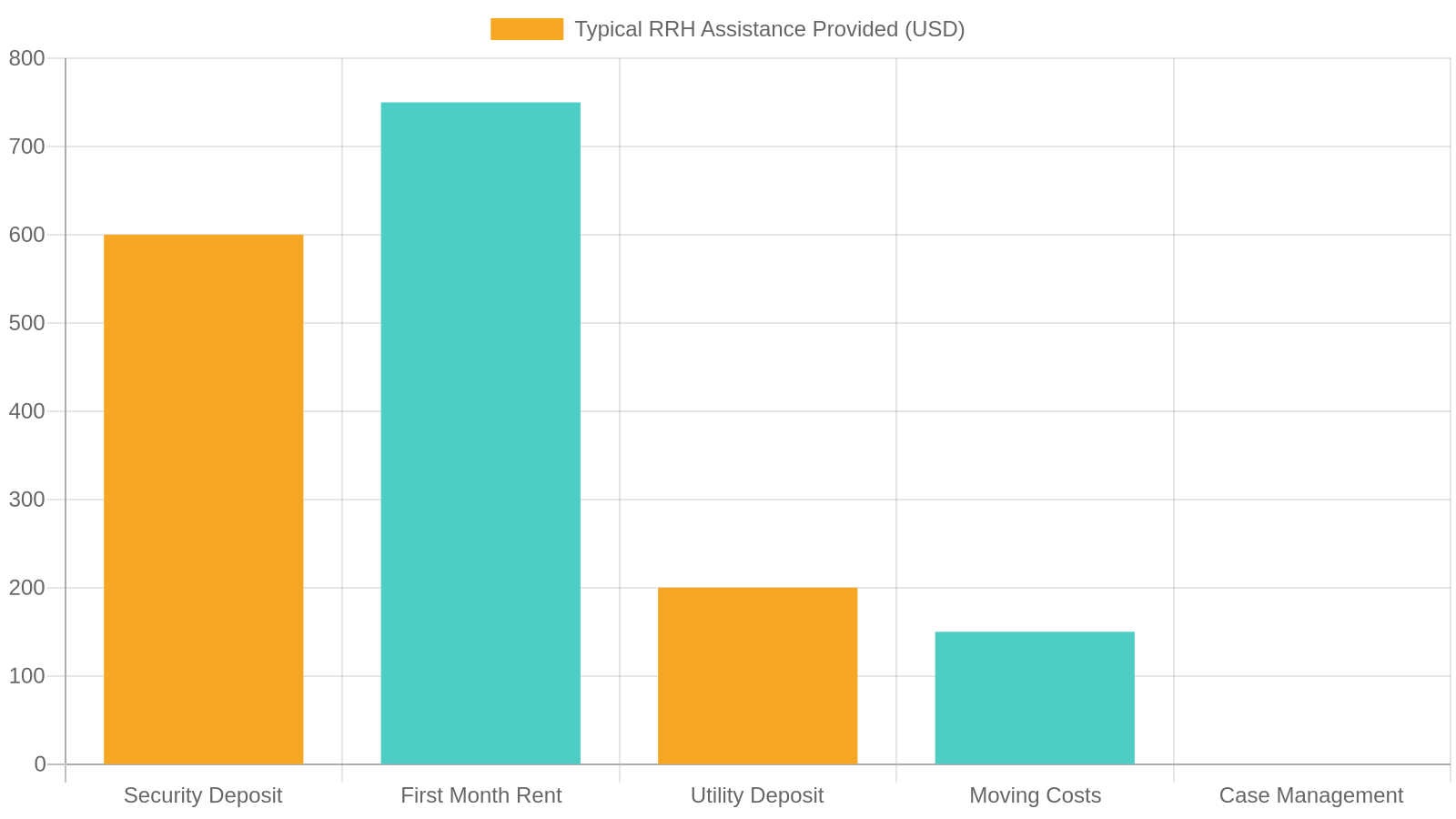
Rapid Rehousing (RRH) is a housing intervention that moves people out of homelessness and into their own apartment or rental unit as quickly as possible, then provides short-term financial assistance and case management to help them stay housed. For transition-age youth, RRH is often the fastest path from a shelter or couch-surfing situation to having your own keys.
Typical RRH packages in Tennessee include 1 to 24 months of rental assistance, help with security deposits and utility deposits, and a case manager who meets with you regularly to connect you to employment, benefits, and other supports. The goal is to get you stable fast, then build the skills and income to sustain housing on your own.
Eligibility and How to Apply in West Tennessee
To access Rapid Rehousing in the TN-507 region, you typically need to be literally homeless (sleeping in a shelter, on the street, or in a place not meant for human habitation) or fleeing a dangerous situation. Youth aging out of foster care may also qualify under specific HUD definitions. The entry point is usually through a Coordinated Entry System (CES) — a standardized intake process that the CoC uses to match people to the right resources.
Ask any shelter, outreach worker, or YAAB member to connect you to the Coordinated Entry process in your area. You do not have to figure this out alone. The assessment is free, and completing it puts you on the list for available housing resources in the region. Average wait times for RRH slots in rural West Tennessee CoC regions have ranged from 2 to 8 weeks depending on program capacity and funding cycles.
5. Transitional Housing Programs for Ages 17 to 25

Transitional housing programs give young adults in West Tennessee a stable base to build from — more structure than a shelter, more support than going it alone. Here is what to look for and how these programs work.
What Makes Transitional Housing Different from a Shelter
Transitional housing sits between emergency shelter and permanent housing on the continuum. Instead of a night-by-night stay, transitional housing offers a stable place to live for 6 to 24 months while you work toward long-term goals like finishing school, finding steady employment, or saving money. Programs typically include structured life-skills training, financial coaching, and regular check-ins with a case manager.
For young adults who are not quite ready to manage an apartment independently — maybe because of an inconsistent income, a lack of rental history, or the need for more intensive support — transitional housing can be the right bridge. It is not a step backward; it is a strategic move toward lasting stability.
Host Home and Scattered-Site Models
Not all transitional housing looks like a group home. Two models are increasingly common for youth in West Tennessee:
- Host Home Programs: A vetted community member opens their home to a young adult for a period of months. This model is particularly effective for LGBTQ+ youth who may face discrimination in group settings, and for young adults who thrive in a family-style environment.
- Scattered-Site Transitional Housing: The program leases individual apartments in the community and subleases them to youth participants. This gives you the experience of living independently while still having case management support on call.
The YAAB advocates for expanding both models in West Tennessee because they offer more dignity and privacy than traditional group-home settings.
6. Employment and Income Support Tied to Housing Stability

Stable housing and stable income reinforce each other. The Jackson West TN YAAB and its partner organizations connect young adults to employment resources that make housing stick for the long term.
Why Employment and Housing Are Inseparable
You cannot sustain housing without income, and it is hard to hold a job without stable housing. This chicken-and-egg problem is one the Jackson West TN YAAB understands from lived experience. That is why the most effective housing programs in the TN-507 region pair housing assistance with employment navigation services — help with job applications, interview prep, work-appropriate clothing, and transportation to interviews.
Tennessee’s American Job Centers (formerly called WorkSource Tennessee) have locations in Jackson that offer free job-search assistance, résumé help, and access to training programs. Youth under 24 may also qualify for WIOA Youth Program funding — the Workforce Innovation and Opportunity Act sets aside resources specifically for young adults facing barriers to employment, including those experiencing homelessness.
Benefits Screening: Don't Leave Money on the Table
Many young adults in West Tennessee are eligible for public benefits they have never applied for. A quick benefits screening — which YAAB members and case managers can help you complete — might reveal eligibility for:
- TennCare (Medicaid): Free or low-cost health coverage for qualifying low-income young adults
- SNAP (food assistance): Monthly grocery benefits loaded onto an EBT card
- SSI/SSDI: For young adults with qualifying disabilities
- TANF: Temporary cash assistance for eligible youth who are parents
In 2023, the average SNAP benefit for a single adult in Tennessee was approximately $228 per month — money that directly frees up income for rent and utilities. Not applying is leaving real dollars behind.
7. Education Pathways: GED, College, and Vocational Training

Education is one of the most reliable paths to long-term housing stability — and West Tennessee has real options for young adults at every stage of their educational journey, including those who are currently in crisis.
GED and High School Equivalency in West Tennessee
If you left high school before graduating, a GED or High School Equivalency (HSE) credential opens doors to better jobs and higher education. In West Tennessee, Tennessee College of Applied Technology (TCAT) Jackson and Jackson State Community College both offer adult education and GED preparation programs, many of which are free or low-cost for qualifying students. The state of Tennessee covers GED testing fees for residents who meet income requirements.
Completing your GED while experiencing housing instability is hard — but it is possible, especially when you have a stable place to sleep through a transitional housing program. YAAB members who have walked this path can connect you to study resources, tutoring, and flexible program schedules that work around work and shelter curfews.
College Access and the FAFSA for Homeless Youth
Did you know that young adults who are homeless or self-supporting can qualify as independent students on the FAFSA? This means you do not need a parent’s financial information to apply for federal financial aid — which can make the difference between college being accessible or not. A financial aid officer at any Tennessee community college can help you document your independent status.
Additionally, Tennessee’s Tennessee Promise and Tennessee Reconnect programs offer free community college tuition for eligible residents. Youth aging out of foster care may also qualify for the Education and Training Voucher (ETV) program, which provides up to $5,000 per year for education-related expenses including tuition, books, and housing near campus.
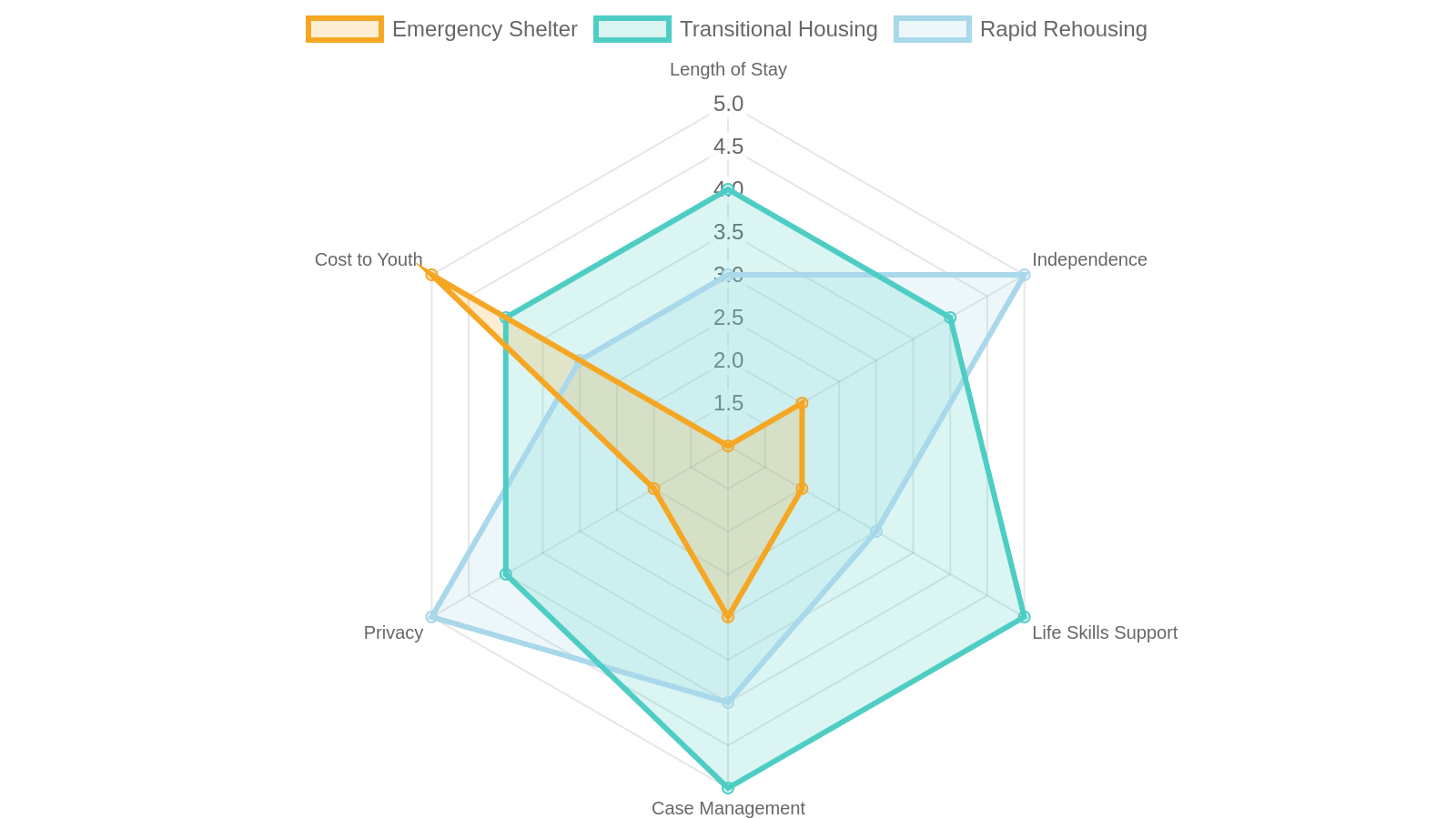
West Tennessee Housing Options at a Glance
Not every housing resource is right for every situation. Use this table to quickly compare the main options available to transition-age youth in the TN-507 region.
8. Mental Health and Wellness Resources in West Tennessee

Taking care of your mental health is not separate from your housing journey — it is central to it. West Tennessee has resources designed to meet you where you are, with no judgment attached.
The Connection Between Mental Health and Housing
Housing instability and mental health challenges are deeply connected — each can cause and worsen the other. A 2022 study from Chapin Hall found that nearly 50% of young adults experiencing homelessness reported symptoms consistent with a mental health condition. This is not a character flaw; it is a predictable response to trauma, instability, and unmet needs.
The Jackson West TN YAAB does not stigmatize mental health struggles — members talk openly about therapy, medication, and coping strategies because normalizing help-seeking is part of the peer-support model. Getting mental health support is not a sign of weakness; it is a strategic move toward the stability you deserve.
Free and Low-Cost Mental Health Services in West TN
Several options exist for young adults in the Jackson area who need mental health support but cannot afford private therapy:
- Pathways of Tennessee: A community mental health center serving West Tennessee with sliding-scale fees and TennCare-accepted services
- Crisis Text Line: Text HOME to 741741 — free, 24/7, confidential crisis support from anywhere in Tennessee
- 988 Suicide and Crisis Lifeline: Call or text 988 for immediate support
- Federally Qualified Health Centers (FQHCs): Offer integrated mental health and primary care on a sliding-scale fee basis
Many transitional housing programs in the TN-507 region also have on-site or embedded mental health counselors. Ask your case manager what is available through your specific program.
9. Know Your Rights: What Young Adults Are Entitled To

Understanding your rights is not just academic — it is a practical tool for getting the services you are entitled to. The Jackson West TN YAAB trains members to know these rights and share them with peers.
Your Rights in the Shelter and Housing System
Every person accessing HUD-funded services in Tennessee has specific rights, and knowing them puts power back in your hands. Key rights include:
- Right to a grievance process: If a shelter or program denies you services or asks you to leave, you have the right to appeal that decision through a formal grievance process.
- Right to non-discrimination: HUD-funded programs cannot discriminate based on race, color, national origin, sex, disability, religion, or familial status. Many programs also have additional protections for LGBTQ+ individuals.
- Right to privacy: Your personal information and case records cannot be shared without your written consent except in specific legal circumstances.
- Right to be treated with dignity: No program has the right to demean, belittle, or disrespect you as a condition of receiving services.
McKinney-Vento Rights for Youth in Education
If you are under 21 and still pursuing a high school diploma, the McKinney-Vento Homeless Assistance Act gives you specific educational rights. You have the right to enroll in school immediately — even without proof of residency, immunization records, or previous school records. You have the right to stay enrolled in your school of origin even if you move to a different shelter or address. And you have the right to receive transportation to that school.
Every Tennessee school district is required to have a McKinney-Vento liaison — a staff member whose job is to help homeless youth access education. If you are not being connected to these rights, the YAAB can help you advocate for yourself. You do not have to accept barriers that the law says should not exist.
10. How to Get Involved with the Jackson West Tennessee YAAB

The Jackson West Tennessee YAAB is always looking for young adults who want to turn their experience into power. Here is what getting involved actually looks like — and why it is worth your time.
Who Can Join and What Membership Looks Like
YAAB membership is open to young adults ages 17 to 25 who have lived experience of homelessness or housing instability — including couch-surfing, staying in a shelter, sleeping in a car, or being kicked out of a family home. You do not have to be currently homeless to join. Many members are in stable housing now and want to use their experience to make things better for others coming up behind them.
Membership is not a huge time commitment to start. You can attend a local meeting, participate in a training, or join a specific project that interests you — whether that is reviewing shelter policies, helping design a resource guide, or speaking at a public hearing. The level of involvement grows with your interest and capacity.
What You Get Out of Membership
YAAB membership is not just about giving — it is about growing. Members gain:
- Leadership and advocacy training that looks good on a résumé and in a college application
- A peer network of young adults across Tennessee who understand your experience
- Stipends and compensation for certain advocacy activities — your time and expertise have value
- A direct line to resources — members often hear about new housing programs, job openings, and educational opportunities before they are publicly announced
- The knowledge that your voice is changing real policy in West Tennessee and across the state
To learn more about joining the Jackson West Tennessee YAAB, visit the TN-507 local YAAB page for contact information and upcoming meeting dates.
Ready to Connect? Your Next Step Starts Here

You have read the guide — now here is how to turn information into action. No matter where you are in your journey right now, there is a next step that makes sense for you in West Tennessee.
Finding the Right Resource for Where You Are Right Now
Whether you need a safe place to sleep tonight, help understanding your rights, a path to your GED, or a community of peers who get it — the resources exist in West Tennessee. The hardest part is often knowing where to start. Here is a simple framework:
- In immediate crisis (no safe place tonight): Call 211 Tennessee — a free, 24/7 helpline that connects you to local emergency shelter and services
- Stable but need housing support: Ask to be connected to the Coordinated Entry System through a local agency or the YAAB
- Ready to get involved: Reach out to the Jackson West TN YAAB directly through the TN-507 page
- Looking for a broader resource hub: Explore the YAAB Tennessee resources page for statewide and regional tools
You Are Not Alone in This
Every YAAB member in West Tennessee started somewhere — in a shelter, on a couch, in a car, or in a situation that felt impossible. What changed was not luck; it was connection to the right people and the right information at the right time. That is exactly what the Youth Action Board exists to provide.
The work of the Jackson West Tennessee YAAB is bigger than any one person’s story — it is about reshaping the systems that affect every young adult in this region. And that work needs you. Whether you are looking for help right now or ready to help others, the door is open.
Start by visiting YAAB Tennessee’s homepage to learn more about the statewide network, find your local board, and take your next step — whatever that looks like for you today.
Frequently Asked Questions
How do I contact the Jackson West Tennessee YAAB?
You can find contact information and upcoming meeting details on the TN-507 local YAAB page at yaabtn.org/local-yaabs/tn-507/. You can also reach out through the main YAAB Tennessee website at yaabtn.org or call 211 Tennessee to be connected to local youth services.
Do I have to be currently homeless to get help from the YAAB or join as a member?
No. The YAAB serves young adults ages 17 to 25 who have lived experience of homelessness or housing instability — including past experiences. Many members are currently housed and use their experience to advocate for others. For housing services, eligibility varies by program, but peer support and advocacy involvement are open to anyone with lived experience.
What is Coordinated Entry and how do I access it in West Tennessee?
Coordinated Entry is a standardized intake process used by the TN-507 Continuum of Care to assess your needs and match you to available housing resources like Rapid Rehousing or Transitional Housing. You can access it by calling 211, visiting a local shelter, or asking a YAAB member or case manager to connect you.
Can I get help with housing in West Tennessee if I don't have an ID or documents?
Yes. Lack of identification should not automatically bar you from emergency shelter or services in HUD-funded programs, and YAAB advocates for low-barrier access policies. Case managers at most shelters can also help you with document recovery — obtaining a birth certificate, Social Security card, or state ID.
What is the difference between the YAAB and a homeless shelter?
The YAAB is not a shelter — it is a peer advocacy and advisory board made up of young adults with lived experience of homelessness. The YAAB works alongside shelters and housing programs to make those systems better, and can connect you to the right resources, but it does not provide beds or direct case management itself.
Are there housing resources specifically for LGBTQ+ youth in West Tennessee?
Yes. Host home programs and some transitional housing providers in the TN-507 region specifically offer LGBTQ+-affirming placements. HUD-funded programs are also prohibited from discriminating based on sexual orientation or gender identity. The YAAB can help connect LGBTQ+ youth to providers with explicit affirming policies.