Transitional Housing Programs for Young Adults Ages 18-24 in Tennessee
Quick answer: Transitional housing programs for young adults ages 18 to 24 in Tennessee provide short- to medium-term housing — typically 6 to 24 months — paired with case management, life skills training, employment support, and mental health services. Programs operate across all major regions, including Memphis/Shelby County, Nashville/Davidson County, Knoxville/Knox County, Chattanooga/Hamilton County, and rural areas through Continuum of Care networks. Eligibility, application steps, and available services vary by program, but most are free or low-cost and designed specifically for transition-age youth who are experiencing or have experienced homelessness or housing instability.
What Is Transitional Housing — and Who Is It For?
If you’re between 18 and 24 and struggling to find stable housing in Tennessee, transitional housing programs were built specifically with you in mind. Unlike a shelter — which is meant for immediate crisis — transitional housing gives you time, space, and support to get on your feet. Understanding exactly what these programs offer (and what they don’t) is the first step to finding the right fit.
The Difference Between Emergency, Transitional, and Permanent Housing
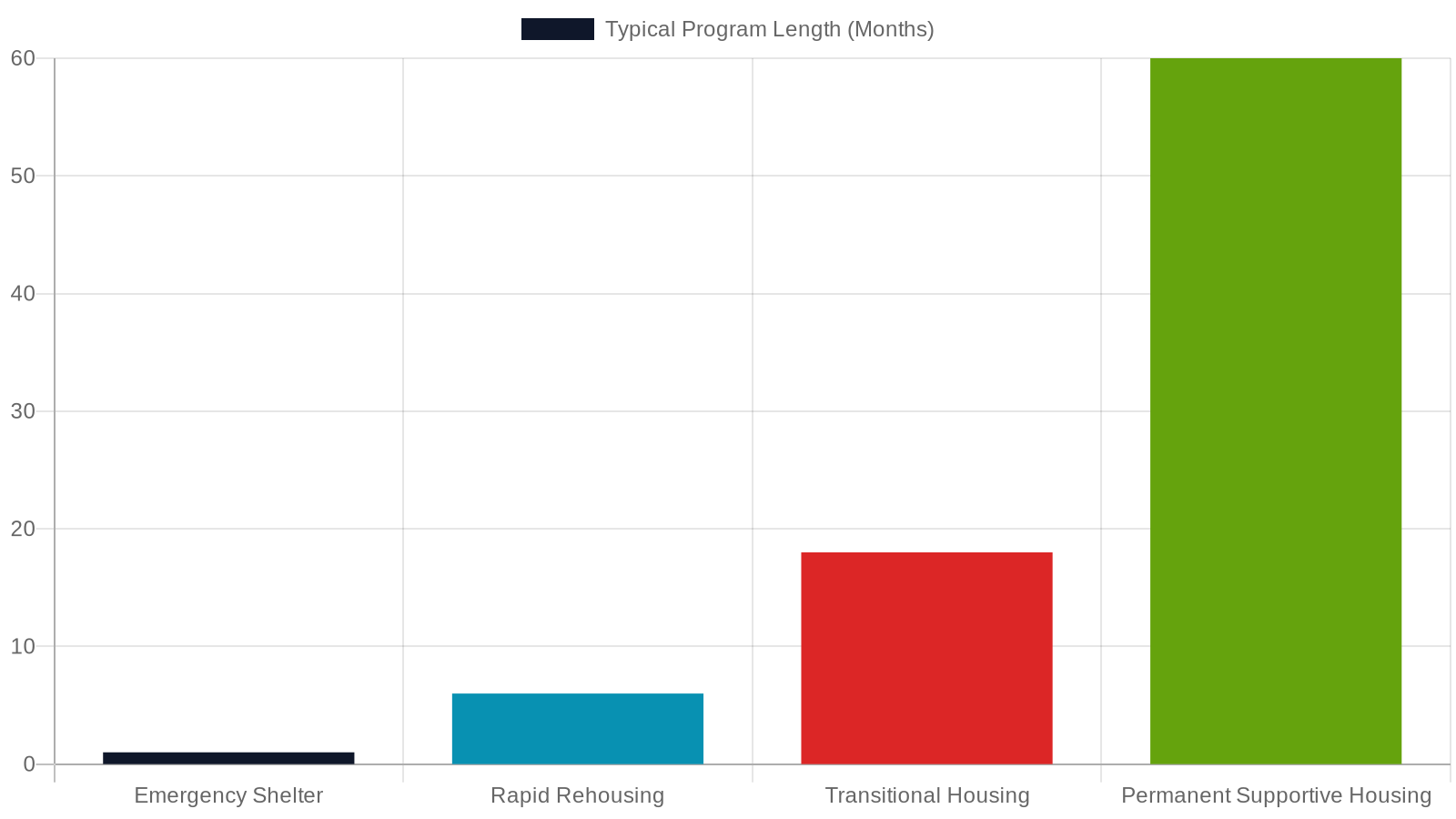
Housing programs exist on a spectrum. Emergency shelters are short-term — usually 30 to 90 days — and focus on immediate safety. Transitional housing is the middle step: it gives you a stable place to live for 6 to 24 months while you build the skills, savings, and connections you need to move into your own permanent place. Permanent supportive housing is long-term and often paired with ongoing services for people with higher needs.
Transitional housing is specifically designed to be a bridge, not a destination. The goal is for you to leave with a lease in your name, a job or enrollment in school, and a support network — not just a roof.
Who Qualifies as a Transition-Age Youth (TAY)?
Most transitional housing programs in Tennessee use the federal definition of transition-age youth (TAY): young adults ages 18 to 24. Some programs extend eligibility to age 25, and a few serve youth as young as 16 or 17 with parental consent or through youth-specific pathways. Programs funded through the U.S. Department of Housing and Urban Development (HUD) and the Tennessee Homeless Programs Office (THPO) must follow these age guidelines to receive federal dollars.
You do not have to be literally sleeping outside to qualify. Housing instability — couch-surfing, staying in a motel paid by someone else, doubling up with family in overcrowded conditions, or being at imminent risk of losing your current housing — all count as homelessness under the McKinney-Vento definition used by most programs.
How Transitional Housing Programs Work in Tennessee
Transitional housing in Tennessee isn’t one single program — it’s a network of locally run programs coordinated through state and federal systems. Understanding how the pieces fit together helps you find the right door to knock on and know what to expect once you’re inside.
The Role of the Continuum of Care (CoC)
Tennessee’s housing system is organized through regional Continuums of Care (CoC) — networks of nonprofits, government agencies, and service providers that coordinate homeless services in a given area. HUD funds most transitional housing through these CoCs. Tennessee has multiple CoCs, including the Memphis/Shelby County CoC, the Nashville/Davidson County CoC (MDHA), the Knoxville/Knox County CoC, the Chattanooga/Hamilton County CoC, and regional CoCs covering West Tennessee, the Upper Cumberland, and Northeast Tennessee.
Each CoC sets local priorities and may have a coordinated entry system — a single point of access where you get assessed and referred to the right program. Knowing your local CoC is key to navigating the system efficiently.
What Services Come with Transitional Housing?
Most transitional housing programs for young adults in Tennessee bundle housing with a package of wraparound services. These commonly include:
Case management: A dedicated case manager meets with you regularly to track your goals and connect you to resources.
Life skills training: Budgeting, cooking, renter’s rights, and conflict resolution workshops.
Employment and education support: Help with job applications, resume writing, GED enrollment, and college financial aid.
Mental health and substance use services: On-site counseling or referrals to community providers.
Peer mentorship: Connection to other young adults who have navigated similar challenges.
The intensity of services varies — some programs are highly structured with curfews and mandatory programming, while others are more independent-living models with lighter check-ins.
Typical Program Length and Cost
Most transitional housing programs in Tennessee run 12 to 24 months. A smaller number of rapid rehousing-linked programs operate on a 6-month model. In HUD-funded programs, participants typically pay 30% of their income toward rent — or nothing if they have no income — with the program covering the rest. Some programs charge a flat program fee of $50 to $150 per month to teach budgeting habits. Always ask upfront what the cost structure is before you apply.
Transitional housing sits between rapid rehousing and permanent supportive housing in both duration and intensity of services.
Transitional Housing Programs in Memphis and Shelby County
Memphis is Tennessee’s largest city and has one of the state’s most developed networks of youth-serving housing programs. The Memphis/Shelby County Continuum of Care coordinates dozens of providers, and transition-age youth have several dedicated pathways to transitional housing.
MIFA and the Memphis CoC Youth Programs
Metropolitan Inter-Faith Association (MIFA) is one of Memphis’s largest social service organizations and operates housing programs for young adults. MIFA’s Transitional Housing program serves adults 18 and older, with specific capacity for transition-age youth, offering furnished units, case management, and employment readiness. The Memphis/Shelby County CoC coordinates referrals through a centralized intake process — contact the CoC directly or call 211 (Tennessee’s statewide helpline) to get an assessment.
Memphis Youth Villages and Specialized TAY Programs
Youth Villages operates the Transitional Living program in Memphis, serving young adults ages 17 to 22 who are aging out of foster care or the juvenile justice system. Participants live in supervised apartments and receive intensive coaching on budgeting, employment, and independent living skills. The program typically lasts 12 to 18 months. Youth Villages also operates in Nashville, making it one of the few statewide providers with multi-city reach.
Other Memphis-area resources include Door of Hope and Hospitality Hub, which offer shelter and transitional support. Shelby County’s coordinated entry system can connect you to the current open programs — availability changes frequently, so calling 211 or visiting a walk-in assessment site is the fastest path.
Transitional Housing Programs in Nashville and Davidson County
Nashville’s rapid population growth has made affordable housing harder to find — but it has also attracted significant investment in youth housing programs. Davidson County has a robust network of providers, and the coordinated entry system is one of the more organized in the state.
Oasis Center has served Nashville youth for over 50 years and operates one of Tennessee’s most comprehensive transitional housing programs for young adults ages 18 to 24. Their Transitional Living Program provides furnished apartments, monthly case management, life skills classes, and connections to employment and education. Oasis also runs a street outreach team that actively finds young people who are unsheltered and connects them to services. Their housing programs are free to participants and funded through a combination of HUD CoC grants and private philanthropy.
MDHA Coordinated Entry and Other Nashville Resources
The Metropolitan Development and Housing Agency (MDHA) administers Nashville’s CoC and runs the coordinated entry system. To access any HUD-funded transitional or permanent housing in Davidson County, you typically start with a coordinated entry assessment — call 615-862-6530 or visit a community access point. Other Nashville providers serving TAY include Conexión Américas (for Latinx youth), Tennessee Recovery Navigators (for youth with substance use histories), and Dismas House (for justice-involved young adults). Nashville’s housing market is competitive, so waitlists are common — apply to multiple programs simultaneously.
Transitional Housing in Knoxville, Chattanooga, and East Tennessee
East Tennessee’s transitional housing landscape is shaped by both its urban centers and its rural geography. Knoxville and Chattanooga have established CoC networks, while young adults in smaller cities and rural counties often navigate regional programs with fewer local options.
Knoxville/Knox County: KARM and Young Adult Pathways
Knox Area Rescue Ministries (KARM) operates emergency and transitional housing in Knoxville, with specific programming for young adults. The Knoxville/Knox County CoC also funds several smaller transitional housing providers. Positively Living serves young adults with HIV/AIDS and housing instability. For coordinated entry in Knox County, contact the CoC or dial 211. Knoxville’s University of Tennessee campus area also means there are student-adjacent resources — some young adults can access emergency housing through UT’s Dean of Students office if enrolled.
Chattanooga/Hamilton County: CARES and Local CoC Programs
In Chattanooga, CARES (Chattanooga Area Resources for Empowerment and Support) and the Hamilton County CoC coordinate transitional housing for young adults. Chattanooga Room in the Inn provides emergency shelter with pathways to transitional programs. The Chattanooga CoC has invested in rapid rehousing for youth as an alternative to traditional transitional housing, meaning some young adults can move directly into their own apartment with rental assistance rather than a group-living program. Northeast Tennessee and the Upper Cumberland region have fewer urban providers but access programs through rural CoC networks — calling 211 remains the most reliable first step.
Rural and Regional Programs: West Tennessee, Upper Cumberland, and Northeast TN
Young adults in rural Tennessee face unique barriers: fewer programs, longer distances to services, and less public transportation. But regional CoC networks and state-funded programs are working to close those gaps — and knowing where to look makes all the difference.
West Tennessee and Jackson-Area Resources
Outside of Memphis, West Tennessee is largely rural, and transitional housing options are more limited. RIFA (Relief, Inc. Food & Advocacy) in Jackson serves Madison County and surrounding areas. The West Tennessee CoC coordinates services across a large geographic area — young adults in towns like Jackson, Dyersburg, and Martin should contact the CoC or call 211 to identify the closest available program. Some young adults in rural West Tennessee access transitional housing through faith-based organizations or regional nonprofits that receive state funding through the Tennessee Homeless Programs Office (THPO).
Upper Cumberland and Northeast Tennessee
The Upper Cumberland region (Cookeville, Crossville, and surrounding counties) and Northeast Tennessee (Johnson City, Kingsport, Bristol — the Tri-Cities) both have active CoC networks but fewer dedicated TAY transitional housing beds than urban areas. Frontier Health in Northeast Tennessee provides mental health and housing support services for young adults. Plateau Mental Health Center serves the Upper Cumberland. In these regions, rapid rehousing — where a case manager helps you secure a private-market apartment with short-term rental assistance — is often more available than a traditional transitional housing program. Don’t rule it out; for many young adults, it’s actually a faster path to independence.
Special Populations: Foster Care, LGBTQ+ Youth, and Justice-Involved Young Adults
Not all transitional housing programs are created equal when it comes to serving young adults with specific histories or identities. Knowing which programs are designed — or at least equipped — for your situation can save you time and protect your dignity in the process.
Aging Out of Foster Care in Tennessee
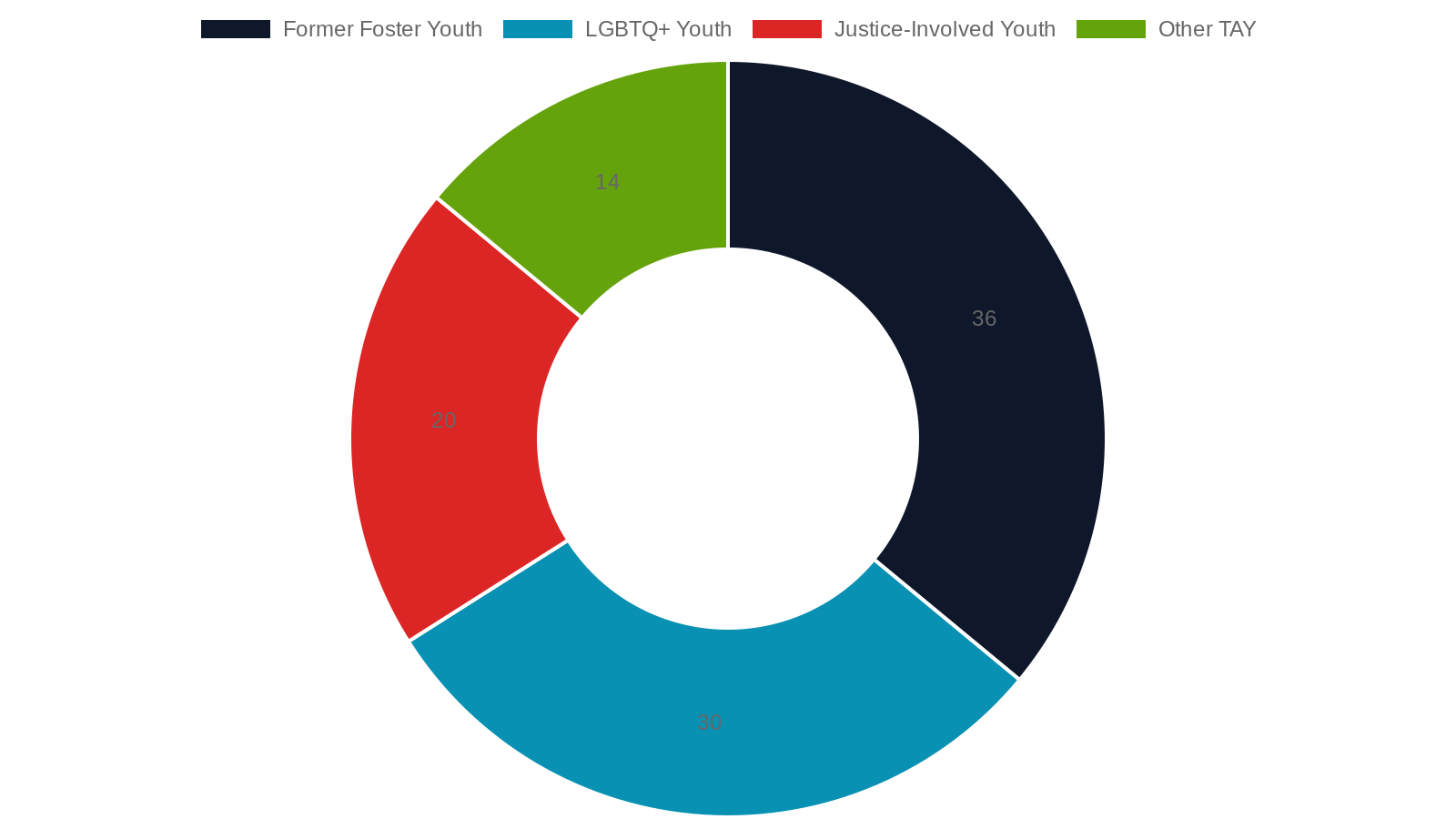
Young adults who age out of Tennessee’s foster care system at 18 face a statistically high risk of homelessness — studies show that up to 36% of former foster youth experience homelessness within two years of aging out. Tennessee’s Extended Foster Care program (Fostering Futures) allows eligible youth to remain in care until age 21, with housing support included. After 21, programs like Youth Villages’ Transitional Living and Oasis Center’s housing programs are key resources. If you aged out of foster care, make sure to tell any program you apply to — many have reserved beds or priority access for former foster youth.
LGBTQ+ Youth and Affirming Housing Programs
LGBTQ+ young adults are disproportionately represented in the homeless youth population, accounting for an estimated 20 to 40% of homeless youth nationally despite being roughly 7% of the general youth population. Family rejection is the leading driver. In Tennessee, Oasis Center in Nashville is explicitly LGBTQ+-affirming and has staff trained in gender-affirming care. When researching any program, it’s reasonable to ask directly about their non-discrimination policy and whether staff have LGBTQ+ competency training. The YAAB Tennessee resources page maintains updated listings of affirming providers across the state.
Justice-Involved Young Adults
A criminal record — even a juvenile record — can make it harder to qualify for housing. Many HUD-funded programs are prohibited from excluding applicants based solely on arrest records without conviction, and some are specifically designed for justice-involved youth. Dismas House in Nashville and Renewal House serve people with justice involvement. If you’ve been told you don’t qualify for a program because of your record, ask to speak with a supervisor or contact a legal aid organization — you may have more rights than you realize.
Former foster youth, LGBTQ+ youth, and justice-involved young adults make up a disproportionate share of the homeless youth population. Estimates are approximate and vary by region.
How to Apply for Transitional Housing in Tennessee: A Step-by-Step Guide
The application process for transitional housing can feel overwhelming, especially when you’re already in a stressful situation. Breaking it into concrete steps — and knowing exactly what to expect — makes it much more manageable.
Step 1 — Call 211 or Contact Coordinated Entry
The fastest first step anywhere in Tennessee is to dial 211 (free from any phone, 24/7). Tell the operator you are a young adult between 18 and 24 looking for transitional housing. They will connect you to your local Continuum of Care’s coordinated entry system. Coordinated entry uses a standardized assessment tool (often the VI-SPDAT or a youth-specific version) to determine your level of need and match you to the most appropriate program. This assessment does not guarantee placement, but it gets you into the queue.
Step 2 — Gather Your Documents
Most programs will ask for some combination of the following. Start collecting these as early as possible:
Photo ID (state ID, driver’s license, or passport)
Social Security card or number
Birth certificate
Proof of income (pay stubs, benefit letters, or a letter stating you have no income)
Any medical or mental health records relevant to your housing needs
If you don’t have these documents, many programs can help you obtain them — ask your case manager or contact a local legal aid office. Tennessee’s Legal Aid Society and Tennessee Justice Center both provide free document recovery assistance.
Step 3 — Apply to Multiple Programs Simultaneously
Waitlists are real. In Nashville, some transitional housing programs have wait times of 3 to 6 months. In Memphis, availability shifts frequently. Apply to every program you qualify for at the same time — you can always decline an offer if a better fit comes through. While you wait, ask your coordinated entry case manager about bridge options: emergency shelter, rapid rehousing, or short-term motel vouchers that can keep you housed while a transitional bed opens up.
Transitional Housing Program Comparison: Key Features at a Glance
Programs vary significantly in length, cost, eligibility, and services. Use this comparison to identify which type of program best fits your current situation.
Program Type
Typical Length
Cost to Participant
Key Services
Best For
Emergency Shelter
30–90 days
Free
Immediate safety, meals, basic case management
Crisis stabilization, first night safe
Transitional Housing (Group Model)
12–24 months
30% of income or $0
Case management, life skills, employment, mental health
Young adults needing structure and intensive support
Transitional Housing (Scattered Site)
12–24 months
30% of income or $0
Case management, independent living skills, peer support
Young adults ready for more independence
Rapid Rehousing
3–6 months
Graduated rental assistance
Housing placement, short-term rental help, case management
Young adults who can sustain housing with short-term help
Permanent Supportive Housing
Long-term (2+ years)
30% of income
Ongoing case management, mental health, disability support
Young adults with high needs or disabilities
Host Home / Safe Family
3–12 months
Free
Stable family environment, mentorship, basic needs
LGBTQ+ youth, youth fleeing unsafe situations
Extended Foster Care (Fostering Futures)
Up to age 21
Free
Housing, education, employment, life skills coaching
Young adults who aged out of Tennessee foster care
Your Rights as a Tenant in Transitional Housing
Knowing your rights isn’t just useful — it’s protective. Too many young adults accept unfair treatment in housing programs because they don’t know they have options. Here’s what you’re entitled to, regardless of your housing situation.
Fair Housing Protections That Apply to You
Even in a transitional housing program, you have legal rights. The Fair Housing Act prohibits discrimination based on race, color, national origin, religion, sex, familial status, and disability. Tennessee state law adds additional protections. Programs cannot discriminate against you because of your sexual orientation or gender identity in programs that receive federal funding (under HUD’s Equal Access Rule). If you believe you’ve been discriminated against, you can file a complaint with HUD’s Office of Fair Housing at 1-800-669-9777 or contact Tennessee’s Human Rights Commission.
Program Rules, Lease Agreements, and Eviction Protections
Transitional housing programs have rules — curfews, sobriety requirements, mandatory programming — and violating them can result in removal. But removal from a transitional housing program is not the same as a formal eviction, and the protections vary. Always ask for a written copy of program rules before you move in, and read them carefully. If you are asked to leave, you have the right to ask for the reason in writing and to appeal the decision through the program’s grievance process. If you believe you are being removed unfairly or illegally, contact Legal Aid Society of Middle Tennessee (Nashville: 615-244-6610) or Memphis Area Legal Services (Memphis: 901-523-8822).
Beyond Housing: Education, Employment, and Financial Stability
Transitional housing is the foundation — but the real goal is long-term stability. The best programs don’t just give you a place to sleep; they help you build the skills and resources to never need emergency housing again. Here’s what to look for and take advantage of.
Education Pathways While in Transitional Housing
Most transitional housing programs actively support education. Tennessee’s Adult Education program (run through the Tennessee Department of Labor and Workforce Development) offers free GED preparation and testing at locations across the state. If you have a high school diploma or GED, Tennessee Promise and Tennessee Reconnect provide last-dollar scholarship funding for community college — meaning tuition is covered after other aid is applied. Many transitional housing programs have staff who can help you navigate FAFSA and enrollment. Don’t put education on hold because you’re in transitional housing — many programs consider school enrollment equivalent to employment for program compliance purposes.
Employment and Financial Literacy Support
Tennessee’s American Job Centers (formerly One-Stop Career Centers) are located in every major region and provide free job search assistance, resume help, skills training, and connections to apprenticeship programs. Many transitional housing programs partner directly with local American Job Centers. On the financial side, look for programs that offer Individual Development Accounts (IDAs) — matched savings accounts where your deposits are matched 2:1 or 3:1 by program funds, helping you build a security deposit or first month’s rent for your next place. United Way’s VITA (Volunteer Income Tax Assistance) sites across Tennessee also provide free tax preparation, which can mean hundreds or thousands of dollars back in your pocket at tax time.
How YAAB Tennessee Connects Young Adults to Housing and Advocacy
Navigating Tennessee’s housing system is easier when you have people in your corner who’ve been through it themselves. That’s exactly what YAAB Tennessee was built for — peer-to-peer connection, advocacy, and making sure young adults have a real seat at the table where housing decisions get made.
What the Youth Action Board Does for TAY in Tennessee
The Youth Action Board (YAAB) of Tennessee is a statewide network of young adults ages 17 to 25 with lived experience of homelessness and housing instability. YAAB members don’t just receive services — they shape them. YAAB advisors sit on Continuum of Care boards, provide input on state housing policy, and help design programs that actually work for young people. If you’ve been through the housing system and want your experience to matter beyond your own story, YAAB is the place to do that. Learn how to get involved with YAAB Tennessee and find out how your voice can change the system for the next young person who walks through those doors.
Local YAABs Across Tennessee's Regions
YAAB operates through regional chapters aligned with Tennessee’s Continuum of Care regions — including Memphis/Shelby, Nashville/Davidson, Knoxville/Knox, Chattanooga/Hamilton, Jackson/West TN, Upper Cumberland, and Northeast Tennessee. Each local YAAB connects young adults to peer support, leadership opportunities, and direct connections to housing resources in their area. If you’re not sure whether there’s a local YAAB near you, visit the local YAABs page to find your regional chapter and get connected.
Ready to Find Your Next Step? Start Here
Finding stable housing as a young adult in Tennessee is genuinely hard — but it’s not impossible, and you’re not alone. Across every region of the state, there are programs, people, and networks built specifically for young adults ages 18 to 24 who are ready to build something stable. Here’s how to take the first step today.
Your Immediate Action Checklist
If you’re looking for transitional housing in Tennessee right now, here’s your starting list:
Call 211 — free, 24/7, available statewide. Ask specifically for youth transitional housing and coordinated entry.
Gather your documents — ID, Social Security card, birth certificate. If you don’t have them, ask for help getting them.
Apply to multiple programs — don’t wait for one answer before applying to others.
Ask about bridge options — emergency shelter, rapid rehousing, or motel vouchers while you wait.
Know your rights — get program rules in writing and know who to call if something feels wrong.
Connect with YAAB and Peer Support Across Tennessee
You don’t have to figure this out alone. YAAB Tennessee connects young adults across Memphis, Nashville, Knoxville, Chattanooga, Jackson, the Upper Cumberland, and Northeast Tennessee to peers who’ve been through the same system and come out the other side. Whether you need housing resources, want to share your story, or are ready to get involved in advocacy, YAAB is your community. Visit yaabtn.org/join to connect with your regional YAAB today, or explore the full Tennessee resources directory for housing, employment, education, and mental health support near you.
Frequently Asked Questions
What is transitional housing for young adults in Tennessee?
Transitional housing is a medium-term housing program — typically 12 to 24 months — that gives young adults ages 18 to 24 a stable place to live while they build skills, income, and connections needed for permanent housing. Programs are usually free or low-cost and include case management, life skills training, and employment support.
Do I have to be literally homeless to qualify for transitional housing in Tennessee?
No. You qualify if you are couch-surfing, staying in a motel paid by someone else, living in overcrowded conditions, or at imminent risk of losing your current housing. These all count as homelessness under the McKinney-Vento definition used by most Tennessee programs.
How do I apply for transitional housing in Tennessee?
Start by calling 211 — it’s free, available 24/7, and works anywhere in Tennessee. Tell them you’re a young adult ages 18 to 24 looking for transitional housing. They’ll connect you to your local Continuum of Care’s coordinated entry system, which assesses your needs and matches you to available programs.
Are there transitional housing programs in rural Tennessee, not just big cities?
Yes, though options are more limited. West Tennessee, the Upper Cumberland, and Northeast Tennessee all have regional Continuum of Care networks that coordinate housing services. Rapid rehousing — where you move directly into a private apartment with rental assistance — is often more available than traditional transitional housing in rural areas. Call 211 to find what’s available near you.
Can I get transitional housing if I have a criminal record?
Many programs can still serve you. HUD guidelines prohibit programs from rejecting applicants solely based on an arrest record without conviction. Some programs are specifically designed for justice-involved young adults. If you’re denied, ask for the reason in writing and consider contacting a legal aid organization to understand your options.
What is the Youth Action Board (YAAB) of Tennessee and how can it help me?
YAAB Tennessee is a statewide network of young adults ages 17 to 25 with lived experience of homelessness who advise on housing policy and connect peers to resources. YAAB has regional chapters across Tennessee — in Memphis, Nashville, Knoxville, Chattanooga, Jackson, the Upper Cumberland, and Northeast Tennessee — and can connect you to local housing resources and peer support.