Quick answer: The Youth Action Board (YAAB) of Tennessee is a statewide network of young adults ages 17 to 25 who have lived through homelessness or housing instability. YAAB members advise local and state leaders, shape housing policies, connect peers to shelter and services, and lead advocacy campaigns across Tennessee's eight Continuum of Care regions — including Memphis, Nashville, Knoxville, Chattanooga, and Jackson. By centering the voices of young people with real lived experience, YAAB ensures that the systems meant to help transition-age youth actually reflect what those youth need.
1. What YAAB Is — and Why It Exists

The Youth Action Board of Tennessee — known as YAAB — was established to do something deceptively simple and genuinely radical: put young people with lived experience of homelessness in charge of shaping the systems that are supposed to help them. YAAB operates as a statewide network, with local chapters embedded in each of Tennessee’s Continuum of Care (CoC) regions, so that the voices driving change are always rooted in local reality.
A Network Built on Lived Experience
Most organizations that try to solve youth homelessness are run by adults who study the problem from the outside. YAAB flips that model. Every member of the Youth Action Board has personally experienced homelessness or housing instability between the ages of 17 and 25 — the exact window when young people are most vulnerable to falling through the cracks of a system designed for either children or adults, but rarely for the in-between.
That lived experience is not a footnote — it is the entire point. When a young person who has slept in a car, couch-surfed, or aged out of foster care into an empty apartment sits at a policy table, the conversation changes. Real barriers get named. Real solutions get proposed.
The Transition-Age Youth Gap
Transition-age youth (TAY) — generally defined as ages 16 to 24 — represent roughly 4.2 million young people experiencing homelessness in the United States in any given year, according to Chapin Hall’s Voices of Youth Count research. In Tennessee, youth homelessness touches every county, from urban Memphis to rural Upper Cumberland.
The gap exists because child welfare systems typically end at 18, adult shelter systems are often unsafe or inaccessible for young people, and affordable housing is scarce. YAAB was created specifically to address this gap by giving transition-age Tennesseans a formal seat at the table where decisions get made.
2. How YAAB Is Organized Across Tennessee

YAAB’s statewide reach is one of its most important features. Youth homelessness looks different in Memphis than it does in the rural Upper Cumberland, and the solutions need to reflect that. By organizing locally within each Continuum of Care region while staying connected statewide, YAAB can advocate for both hyper-local fixes and systemic change at the Tennessee state level.
Eight Continuum of Care Regions, Eight Local YAABs
Tennessee’s homeless services system is organized into eight federally recognized Continuum of Care (CoC) regions. Each CoC coordinates the housing and service resources in its area and reports to the U.S. Department of Housing and Urban Development (HUD). YAAB has a local chapter — or is actively building one — in every region:
- TN-500: Memphis/Shelby County
- TN-501: Nashville/Davidson County
- TN-502: Knoxville/Knox County
- TN-503: Chattanooga/Hamilton County
- TN-504: Murfreesboro/Rutherford County area
- TN-506: Upper Cumberland region
- TN-507: Northeast Tennessee
- TN-509: Jackson/West Tennessee
Each local YAAB feeds into the statewide network, so a policy win in Nashville can be shared and replicated in Knoxville or Jackson.
Who Can Join YAAB
Membership is open to young adults ages 17 to 25 who have personally experienced homelessness or housing instability at some point in their lives. You do not have to be currently homeless to join — many members are now stably housed and want to use their experience to help others. YAAB welcomes youth aging out of foster care, young people who have experienced the juvenile justice system, LGBTQ+ youth (who are disproportionately represented in homeless populations), and any young Tennessean who has known what it means to not have a safe place to sleep.
Members are not volunteers in the traditional sense — they are advisors, advocates, and leaders who bring expertise that no degree program can replicate.
3. Advising the Continuum of Care — What That Actually Means

The word “advisory” can sound passive, like young people are being consulted and then ignored. YAAB is built to avoid that trap. Members are embedded in formal governance structures with real decision-making influence, not just invited to share their stories and then escorted out of the room. Here is what genuine advisory power looks like in practice.
Sitting at the Policy Table
Each Continuum of Care region holds regular planning meetings where local leaders — nonprofit directors, government officials, service providers, and funders — decide how to allocate resources for homeless services. Historically, the young people those resources are meant to serve were rarely in the room. YAAB changes that by placing trained youth advisors directly inside those CoC governance structures.
In practical terms, this means YAAB members review grant applications, comment on local homeless action plans, and vote on priorities that determine which programs receive HUD funding. When a CoC is deciding whether to invest in rapid rehousing for youth versus emergency shelter beds, a YAAB member who has used both can speak to what actually works.
Influencing State-Level Policy
Beyond local CoC meetings, YAAB engages with Tennessee state agencies including the Tennessee Housing Development Agency (THDA) and the Department of Children’s Services (DCS). Members have participated in legislative advocacy days in Nashville, testified before state committees, and contributed to the development of Tennessee’s statewide homeless plans.
This kind of systemic influence is rare for young people, especially young people who have experienced homelessness. YAAB treats advocacy not as a nice add-on but as a core function — because the fastest way to help thousands of youth is to fix the systems that serve them, not just help one person at a time.
4. Connecting Youth to Housing and Shelter Resources

Advocacy and policy work matter enormously, but young people in crisis need help right now. YAAB bridges the gap between systemic change and immediate need by helping peers understand and access the housing resources that already exist across Tennessee — and by pushing to create more of them where gaps remain. You can also explore the YAAB resources page for a curated list of housing, employment, and support services organized by region.
Navigating the System When You Don't Know Where to Start
One of the most immediate ways YAAB helps transition-age youth is by acting as a peer navigation network. When you are 19 years old and don’t know where to sleep tonight, a government website full of acronyms is not helpful. A peer who has been through the same system and can walk you through it — that is helpful.
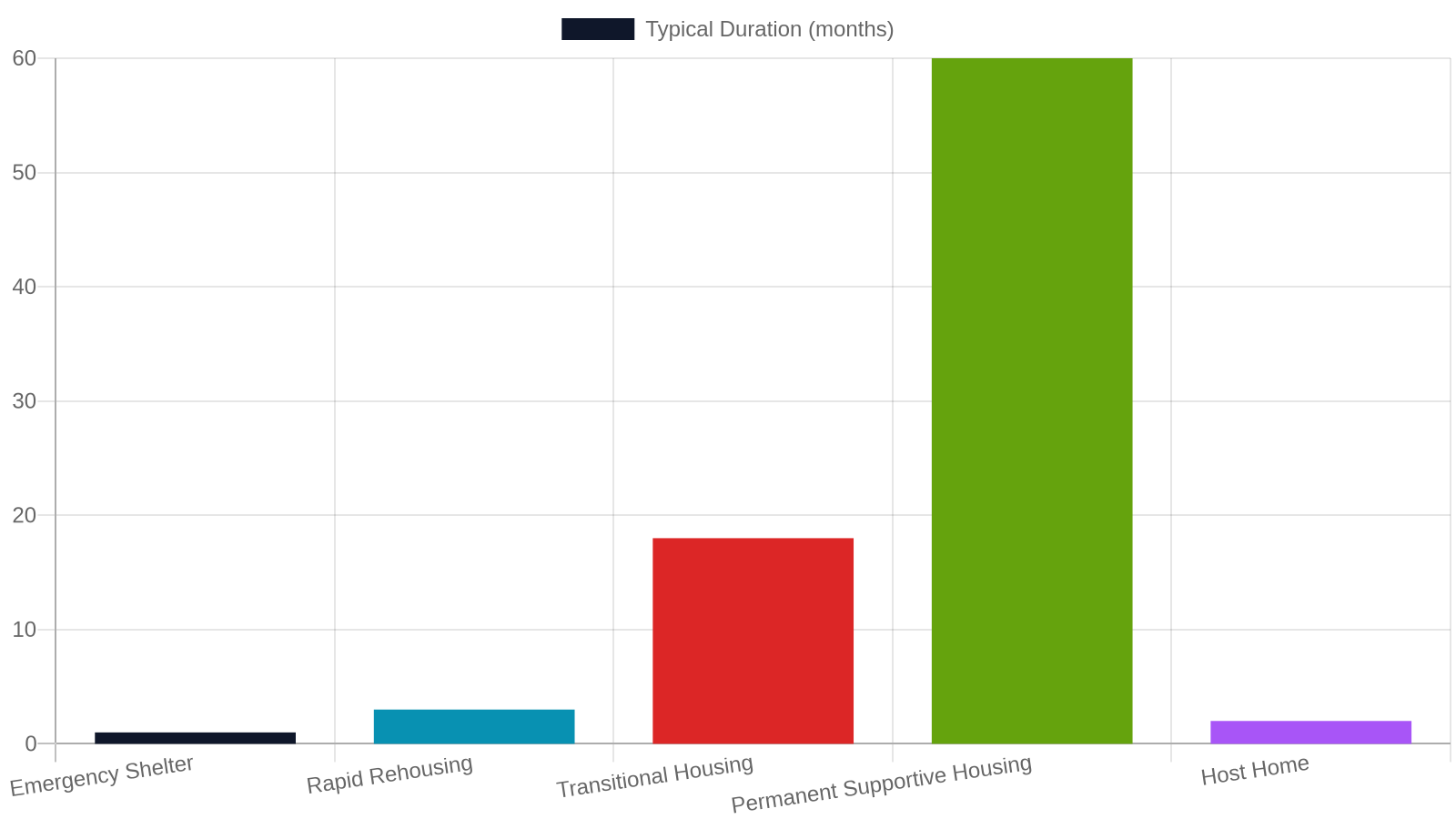
YAAB members and staff can point young people toward emergency shelter options, rapid rehousing programs, transitional housing, and Permanent Supportive Housing (PSH) in their region. They understand the difference between a low-barrier shelter and a program with strict rules, and they can help a young person figure out which option fits their situation right now.
Key Housing Pathways for Transition-Age Youth in Tennessee
Tennessee’s housing continuum for TAY includes several distinct pathways, each suited to different circumstances:
- Emergency Shelter: Immediate, short-term safety. Many Tennessee cities have youth-specific shelters with lower barriers to entry.
- Rapid Rehousing (RRH): Short-term rental assistance plus case management to get youth into their own apartment quickly — typically within 30 to 90 days.
- Transitional Housing: Longer-term (up to 24 months) housing with wraparound services for youth who need more support before living independently.
- Permanent Supportive Housing (PSH): Long-term subsidized housing paired with ongoing services, typically for youth with significant disabilities or mental health needs.
- Host Home Programs: A newer model where screened community volunteers open their homes to youth on a short-term basis.
YAAB members can help you understand which door to knock on first — and what to expect when you do.
5. Supporting Education and Employment for Homeless Youth

A safe place to sleep is the foundation, but it is not the whole building. YAAB understands that housing stability for young adults is only sustainable when it comes alongside education and employment — and that those systems have their own barriers that need to be dismantled. YAAB’s work in this area is both direct (connecting individuals to resources) and systemic (pushing programs to remove unfair barriers).
Education Pathways When School Feels Out of Reach
Housing instability and education rarely coexist easily. Frequent moves mean school transfers, lost credits, and interrupted relationships with teachers who might have helped. Many transition-age youth experiencing homelessness have left traditional high school and need an alternative path to a diploma or equivalency credential.
YAAB connects peers to GED preparation programs, adult education centers, and community college pathways available across Tennessee. The Tennessee Reconnect Grant, for example, provides tuition-free community college for adults without a degree — a resource many young people don’t know they qualify for. YAAB members who have used these pathways themselves can make the application process feel less intimidating.
Getting to Work — and Staying There
Employment is both a solution to homelessness and a challenge when you don’t have a stable address, reliable transportation, or professional clothing. YAAB advocates for youth-friendly employment programs that account for these realities — programs that offer flexible scheduling, help with work-ready documents like IDs and Social Security cards, and don’t automatically screen out applicants with justice system involvement.
Tennessee’s American Job Centers (AJCs) serve young adults and offer resume help, job training, and connections to employers. YAAB members can help peers navigate these systems and advocate for removing barriers — like the lack of a permanent address — that unfairly disqualify young people from jobs and training programs.
6. Mental Health, Wellness, and Trauma-Informed Support

YAAB does not treat mental health as separate from housing work. For transition-age youth who have experienced trauma — whether from homelessness itself, foster care, family instability, or other adverse experiences — emotional wellbeing and stable housing are deeply intertwined. YAAB advocates for systems that recognize this connection and respond accordingly.
Why Mental Health Is a Housing Issue
Research consistently shows that the experience of homelessness itself — the stress, the danger, the instability — causes and worsens mental health challenges. According to the Substance Abuse and Mental Health Services Administration (SAMHSA), young people experiencing homelessness are 3 to 6 times more likely to report depression, anxiety, and post-traumatic stress than their housed peers. This is not a character flaw — it is a predictable response to an impossible situation.
YAAB advocates for mental health services that are trauma-informed, youth-friendly, and integrated with housing programs rather than siloed separately. A young person should not have to choose between keeping a shelter bed and attending a therapy appointment across town.
Peer Support as a Mental Health Tool
One of the most powerful mental health interventions available to young people experiencing homelessness is connection with a peer who has been through something similar and come out the other side. YAAB’s peer-to-peer model is not just logistically efficient — it is therapeutically meaningful. Knowing that someone who once slept in a car is now advocating in a state capitol is evidence that a different future is possible.
YAAB members are not licensed therapists, and they don’t pretend to be. But they are trained to listen without judgment, share resources, and model resilience — and that matters enormously when a young person feels like no one understands what they are going through.
7. Advocating for Youth Aging Out of Foster Care

Youth who age out of foster care are among the most at-risk populations for homelessness in Tennessee and across the country. YAAB has a particular commitment to this group — in part because many YAAB members have aged out themselves, and in part because the policy levers that could prevent foster care-to-homelessness pipelines are identifiable and changeable. This is winnable work.
The Foster Care Cliff
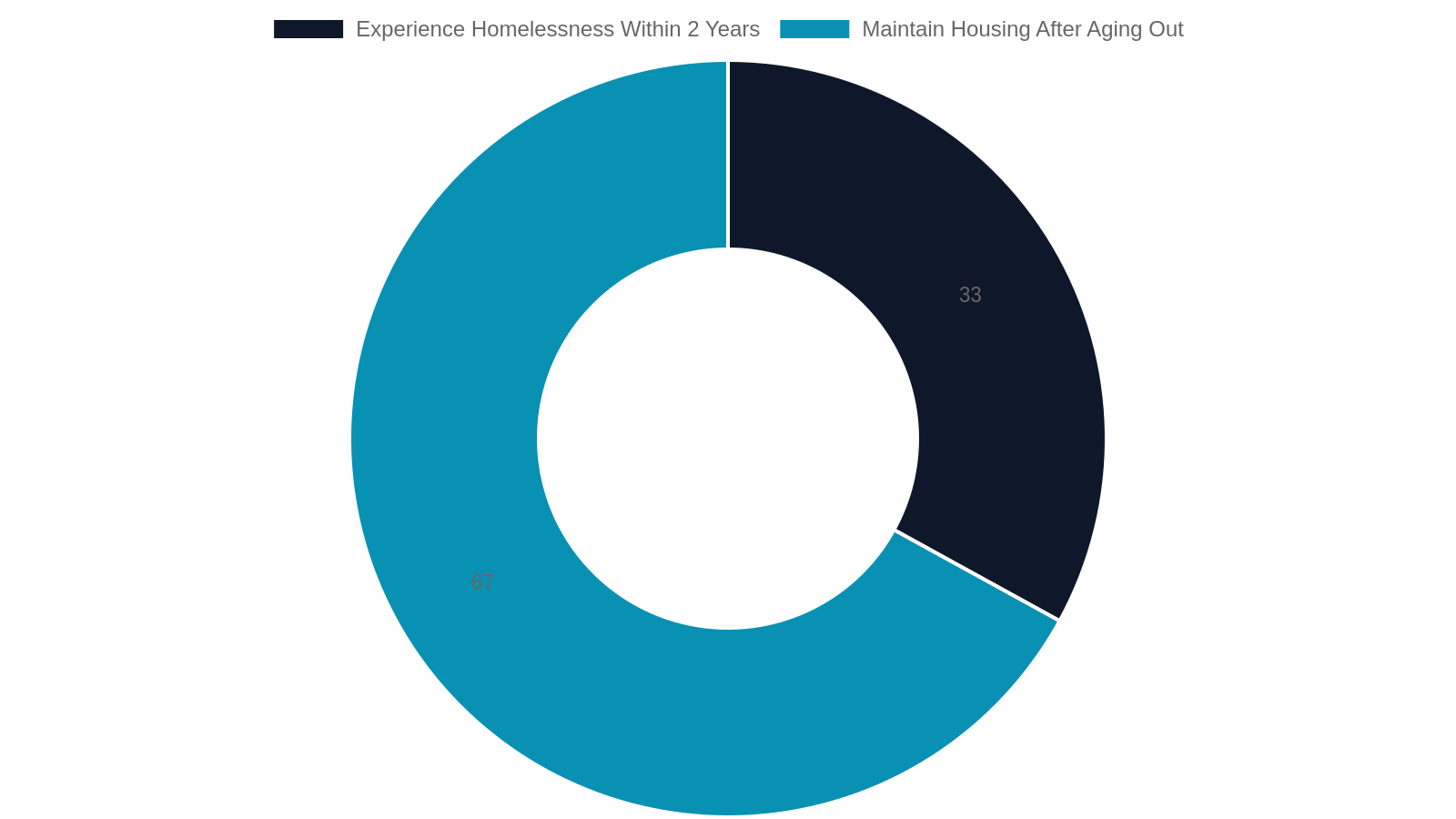
In Tennessee, young people in foster care typically age out of the system at 18 — though extended care is available in some circumstances up to age 21. The day a young person turns 18, they can go from having a caseworker, a placement, and a support structure to having nothing. Research from Chapin Hall found that 1 in 3 young people who age out of foster care will experience homelessness within two years. That is not a coincidence — it is a policy failure.
YAAB members who have aged out of foster care bring firsthand knowledge of this cliff to every policy conversation they join. They know which transition programs exist, which ones actually work, and which ones look good on paper but fail in practice.
What YAAB Pushes For
On behalf of youth aging out of foster care, YAAB advocates for:
- Extended foster care to age 21 or beyond, with meaningful support — not just a bed but a plan
- Normalcy rights — the right of youth in care to participate in age-appropriate activities without needing bureaucratic approval
- Improved transition planning that begins at 14 or 15, not at 17 and a half
- Better coordination between the Department of Children’s Services and the Continuum of Care so youth don’t fall into a gap between two systems
- Access to independent living programs that teach budgeting, cooking, renting, and other practical skills before a young person is on their own
8. Driving Advocacy Campaigns That Change Policy

Individual connections and peer support are vital, but the deepest impact comes from changing the rules. YAAB is fundamentally an advocacy organization — it exists to make Tennessee’s systems work better for transition-age youth, and that requires showing up in political and policy spaces with skill, persistence, and the moral authority of lived experience.
From Personal Story to Public Policy
YAAB members are trained advocates. That means they know how to translate a personal experience into a policy argument — how to walk into a meeting with a state legislator and explain, clearly and compellingly, why a specific law or program needs to change. This is a skill, and YAAB invests in building it.
Advocacy training through YAAB covers public speaking, legislative process, media engagement, data literacy, and coalition building. Members learn how a bill becomes a law in Tennessee, how HUD funding decisions get made, and how to build relationships with decision-makers who can actually move things forward. Explore YAAB’s advocacy work to see the campaigns and initiatives members are leading right now.
Campaigns and Wins
YAAB’s advocacy work spans multiple issue areas connected to youth homelessness:
- Housing affordability: Pushing for more affordable units and youth-set-aside units in Tennessee’s housing pipeline
- Diversion programs: Advocating for upstream interventions that prevent youth from entering the homeless system in the first place
- Criminal justice reform: Highlighting how justice involvement creates barriers to housing and employment for young people and advocating for fair chance policies
- LGBTQ+ inclusion: Ensuring shelters and programs are safe and affirming for LGBTQ+ youth, who represent an estimated 40% of homeless youth nationally despite being roughly 7% of the general youth population
YAAB vs. Traditional Youth Service Models: A Side-by-Side Look
Not all youth-serving organizations are built the same way. Here is how YAAB's peer-led, governance-integrated model compares to more traditional approaches across key dimensions.
9. YAAB's Role in Tennessee's Continuum of Care Regions

Tennessee’s eight Continuum of Care regions each have their own character, their own resources, and their own gaps. YAAB’s regional structure is not just administrative — it is a deliberate recognition that effective advocacy must be rooted in local knowledge while connected to statewide power.
What the CoC System Is and Why It Matters
The Continuum of Care is the federal framework through which HUD distributes funding for homeless services. Each CoC region in Tennessee submits an annual application to HUD — called the CoC Competition — and the results determine how much money flows to local shelters, rapid rehousing programs, and permanent supportive housing. The stakes are high: Tennessee CoCs collectively receive tens of millions of dollars in HUD funding each year.
YAAB’s presence inside CoC governance means that youth priorities are not an afterthought in these funding decisions. When a local CoC is ranking projects for HUD funding, YAAB members can advocate for youth-specific programs to receive priority — and they can point to HUD’s own guidance, which increasingly emphasizes youth-centered approaches.
Regional Differences, Shared Goals
Youth homelessness in Memphis looks different from youth homelessness in the rural Upper Cumberland. Memphis has more urban shelter infrastructure but also higher rates of family homelessness and youth doubling up in overcrowded apartments. Northeast Tennessee and the Upper Cumberland have fewer shelter beds but strong community networks and different economic pressures. Jackson and West Tennessee face rural isolation and transportation barriers that make accessing services genuinely difficult.
YAAB’s regional structure means each local chapter can tailor its advocacy to local conditions while benefiting from the statewide network’s shared resources, training, and political relationships. A win in one region becomes a template for others.
10. How YAAB Compares to Other Youth Advocacy Models

Understanding what makes YAAB different helps clarify why it matters. There is no shortage of organizations that say they care about youth homelessness. What is rare is an organization that gives young people with lived experience genuine decision-making power. Here is how YAAB’s approach compares to more common models.
What Makes the YAAB Model Distinctive
Many organizations include youth voice in some form — a youth advisory panel that meets quarterly, a survey sent to program participants, a token seat on a board. YAAB is designed to avoid these traps. The distinguishing features of the YAAB model are formal governance integration (members are inside CoC decision-making structures, not outside them), statewide coordination (local chapters share resources and strategy), and member development (YAAB invests in training members as advocates, not just consulting them as sources of stories).
This approach aligns with national best practices from organizations like the National Network for Youth (NN4Y) and the True Colors United framework, which emphasize that youth with lived experience must have genuine power — not just a platform to speak and then be ignored.
Peer-Led vs. Adult-Led Service Models
Traditional service models place trained adult professionals in the role of helper and young people in the role of recipient. Peer-led models like YAAB recognize that young people with lived experience are themselves experts — and that peer relationships produce outcomes that professional relationships alone cannot. Research on peer support programs consistently shows higher engagement, better trust, and improved outcomes when services are delivered or co-designed by people who share the lived experience of those being served.
YAAB is not anti-professional — it works alongside case managers, social workers, and service providers. But it insists that those professionals listen to and be accountable to the young people they serve.
11. How to Get Involved with YAAB in Tennessee

Everything YAAB does — the policy advocacy, the peer connections, the housing navigation, the mental health awareness — depends on young people showing up and bringing their experience to the table. If any part of this article resonated with you, that is a sign that YAAB might be the right community for you. Here is how to take the next step.
Joining Your Local YAAB Chapter
If you are between 17 and 25 and have experienced homelessness or housing instability, YAAB wants to hear from you. Joining your local YAAB chapter means becoming part of a peer network that takes your experience seriously and gives you real tools to make change — for yourself and for others in your community.
Local chapters exist across Tennessee’s eight CoC regions. You can find your regional chapter and learn about upcoming meetings and events on the local YAABs page. Each chapter has its own meeting schedule, activities, and current campaigns — and getting started is as simple as showing up.
What Membership Looks Like Day to Day
YAAB membership is not a full-time job — it is a community. Members participate at the level that works for their lives, which may look different week to week depending on housing, employment, and other demands. Some members attend monthly CoC meetings. Some participate in advocacy training sessions. Some help plan peer outreach events. Some contribute their voice to policy documents and grant applications.
YAAB provides training, mentorship, and in many cases stipends or other support to recognize that members’ time and expertise have real value. You are not being asked to volunteer your trauma for free — you are being invited to join a movement that compensates and develops its members as leaders.
Ready to Connect? Your Next Move with YAAB Tennessee

YAAB exists because the young people most affected by homelessness are also the most capable of solving it — when given the right support, training, and platform. Across Tennessee’s eight Continuum of Care regions, YAAB members are showing up, speaking out, and making change. The only question is whether you will join them.
For Young Adults Seeking Support
If you are a young adult in Tennessee between 17 and 25 who is experiencing homelessness or housing instability right now, YAAB can help connect you to resources in your region. You do not have to be interested in advocacy to reach out — you can simply need help, and that is enough. Start by visiting the YAAB resources page for region-specific housing, employment, and support service listings.
For Case Managers and Service Providers
If you are a case manager, CoC partner, or service provider working with transition-age youth in Tennessee, YAAB is a resource and a partner. Connecting your clients to YAAB can open doors to peer support, advocacy training, and community — things that professional services alone often cannot provide. Reach out through the YAAB contact page to learn how to collaborate.
For Everyone Ready to Learn More
Whether you are a young person ready to get involved, a provider looking to partner, or someone who simply wants to understand what YAAB is and why it matters, the best starting point is the YAAB About page — a full overview of the organization’s mission, structure, regional chapters, and how to connect. YAAB is a statewide movement built by and for transition-age youth across Tennessee, from Memphis to Knoxville to the Upper Cumberland, and there is a place in it for you.
Frequently Asked Questions
What is the Youth Action Board of Tennessee?
The Youth Action Board (YAAB) of Tennessee is a statewide network of young adults ages 17 to 25 who have lived experience of homelessness or housing instability. YAAB members advise Continuum of Care leaders, advocate for policy change, and connect peers to housing, education, employment, and mental health resources across Tennessee's eight CoC regions.
Who can join YAAB Tennessee?
Any young adult between 17 and 25 who has personally experienced homelessness or housing instability is eligible to join YAAB. You do not have to be currently homeless — many members are now stably housed and use their experience to help others. YAAB is open to youth aging out of foster care, LGBTQ+ youth, and any young Tennessean with relevant lived experience.
What is a Continuum of Care and how does YAAB fit into it?
A Continuum of Care (CoC) is a federally recognized regional planning body that coordinates homeless services and applies for HUD funding. Tennessee has eight CoC regions. YAAB embeds trained youth advisors inside each CoC's governance structure so that young people with lived experience have a direct voice in how resources are allocated and how programs are designed.
Does YAAB help young people find housing in Tennessee?
Yes. YAAB helps transition-age youth navigate Tennessee's housing options, including emergency shelter, rapid rehousing, transitional housing, and permanent supportive housing. YAAB members can explain the differences between programs, help peers understand eligibility, and connect young people to local resources in their region.
What happens to youth who age out of foster care in Tennessee?
In Tennessee, young people typically age out of foster care at 18, though extended care may be available to 21 in some cases. Research shows that approximately 1 in 3 youth who age out of foster care experience homelessness within two years. YAAB advocates for stronger transition planning, extended care, and better coordination between the Department of Children's Services and local homeless service systems.
How is YAAB different from other youth homelessness organizations?
YAAB is distinguished by three features: formal governance integration (members sit inside CoC decision-making structures), statewide coordination across all eight Tennessee CoC regions, and genuine investment in member development through advocacy training and compensation. Rather than consulting youth as sources of stories, YAAB treats them as experts with decision-making authority.