Quick answer: The Youth Action Board (YAAB) of Tennessee is a statewide network built by and for young adults ages 17 to 25 who have experienced homelessness or housing instability. Operating across all of Tennessee's Continuum of Care regions — from Memphis and Nashville to Knoxville, Chattanooga, and beyond — YAAB connects transition-age youth to housing resources, employment pathways, education support, and mental health services while training members to become advocates who shape the very policies that affect their lives. If you're a young person in Tennessee facing housing instability, or you want to turn your lived experience into leadership, YAAB is your entry point.
1. What Is the Youth Action Board of Tennessee?

Before you can use a resource, you need to understand what it actually is. The Youth Action Board of Tennessee is one of the most important — and least-known — organizations working to end youth homelessness across the state. Here’s a clear-eyed look at what YAAB is, where it came from, and why its peer-led model makes a real difference for young adults navigating instability.
A Network Built by Young People, for Young People
YAAB — the Youth Action Board of Tennessee — is not a traditional social-services agency. It is a peer-driven network of young adults ages 17 to 25 who have personally navigated homelessness, housing instability, foster care, or related crises. Members don’t just receive services; they help design them. That distinction matters enormously. Research consistently shows that programs co-designed with the people they serve produce better outcomes: a 2021 report from the National Alliance to End Homelessness found that youth-informed service models increased housing retention rates by up to 30% compared to top-down approaches.
In Tennessee, YAAB operates as an advisory and advocacy layer on top of the existing Continuum of Care (CoC) infrastructure, giving young adults a formal seat at the table where funding, policy, and program decisions are made.
The Transition-Age Youth Gap YAAB Was Created to Fill
Transition-age youth (TAY) — generally defined as ages 16 to 25 — fall into a dangerous gap between child welfare systems and adult services. In Tennessee, an estimated 4,000 to 6,000 young people experience homelessness on any given night, according to statewide CoC point-in-time count data. Many aged out of foster care without stable housing or family support. Others fled unsafe home environments. Traditional adult shelters can be intimidating or unsafe for this age group, and youth-specific beds are scarce.
YAAB was created specifically to address this gap — not just by pointing young people toward existing resources, but by advocating for new ones and holding systems accountable.
2. Where YAAB Operates: Tennessee's 8 Continuum of Care Regions

YAAB isn’t a single office in Nashville — it’s a statewide network with roots in every corner of Tennessee. Understanding how the organization is structured geographically helps you find the right people and resources for your specific situation, whether you’re in a major metro or a rural county.
Understanding the Continuum of Care (CoC) System
The Continuum of Care is a federally designated planning structure — funded through HUD — that coordinates homeless services within a defined geographic area. Tennessee has eight CoC regions, each responsible for assessing local needs, distributing federal funding, and connecting people to shelter, rapid rehousing, and permanent supportive housing. YAAB has a local chapter embedded in each region so that young people have representation no matter where in Tennessee they live.
- TN-500: Memphis/Shelby County
- TN-501: Nashville/Davidson County
- TN-502: Knoxville/Knox County
- TN-503: Chattanooga/Hamilton County
- TN-504: Jackson/West Tennessee
- TN-506: Upper Cumberland
- TN-507: Northeast Tennessee
- TN-509: Southeast Tennessee
Why Regional Chapters Matter for Young Adults
Housing instability looks different in Memphis than it does in the Upper Cumberland or Northeast Tennessee. Urban regions may have more shelter beds but also higher housing costs; rural regions often have fewer services but stronger informal community networks. Local YAAB chapters understand their region’s specific landscape — which landlords accept housing vouchers, which employers offer youth-friendly hiring, which local nonprofits have emergency funds available this month.
That hyper-local knowledge is something a statewide database simply can’t replicate. When you connect with your regional YAAB, you’re connecting with peers who have walked the same streets, applied to the same programs, and know which doors actually open. You can find your local YAAB chapter on the YAAB Tennessee website to get started with the team in your region.
3. Who YAAB Serves: Are You Eligible?

One of the most common questions young people have about any organization is simply: Is this for me? The answer, if you’re a young adult in Tennessee between 17 and 25 who has dealt with housing instability in any form, is almost certainly yes. Here’s a clear breakdown of who YAAB serves and how.
The Core Eligibility: Ages 17 to 25 with Lived Experience
YAAB’s primary focus is young adults ages 17 to 25 in Tennessee who are currently experiencing or have previously experienced homelessness or housing instability. You don’t have to be sleeping outside to qualify. HUD’s definition of homelessness — which YAAB uses — includes:
- Living in a shelter, transitional housing, or motel paid for by an emergency voucher
- Couch-surfing or staying temporarily with friends or family because you have no stable place of your own
- Living in a car, abandoned building, or other place not meant for human habitation
- Fleeing domestic violence, sexual assault, or a dangerous home environment
- Aging out of foster care without stable housing
If any of these describe your situation — past or present — YAAB was built with you in mind.
Youth Aging Out of Foster Care: A Special Focus
In Tennessee, young people typically age out of the foster care system at 18, though extended care is available up to age 21 under certain conditions. Nationally, approximately 20,000 young people age out of foster care each year, and studies show that within four years, roughly 36% will experience homelessness. Tennessee’s foster care exit numbers add hundreds of young adults to this pipeline annually.
YAAB specifically centers the voices of foster care alumni because their experience with institutional systems — and the abrupt loss of support at 18 — is a driving force behind youth homelessness in the state. Members who have aged out of care help shape how CoC partners approach this population, pushing for longer transition timelines, better discharge planning, and stronger connections to housing before a young person’s 18th birthday.
Case Managers and Service Providers: YAAB Is a Partner for You Too
If you’re a case manager, social worker, or CoC partner working with transition-age youth in Tennessee, YAAB is a resource you should know deeply. YAAB members can serve as peer navigators, helping young clients feel more comfortable engaging with services. YAAB’s regional knowledge can fill gaps in your own referral network. And YAAB’s policy advocacy work — informed by the young people you serve — can push for systemic changes that make your job more effective long-term. Collaboration with YAAB is a best practice, not an add-on.
4. Housing Resources YAAB Connects Young Adults To

Housing is the foundation. Without it, everything else — school, work, health — becomes exponentially harder. YAAB doesn’t just talk about housing; it actively connects young adults to the specific programs and resources that exist across Tennessee’s eight CoC regions. Here’s what that looks like in practice.
Emergency Shelter and Rapid Rehousing
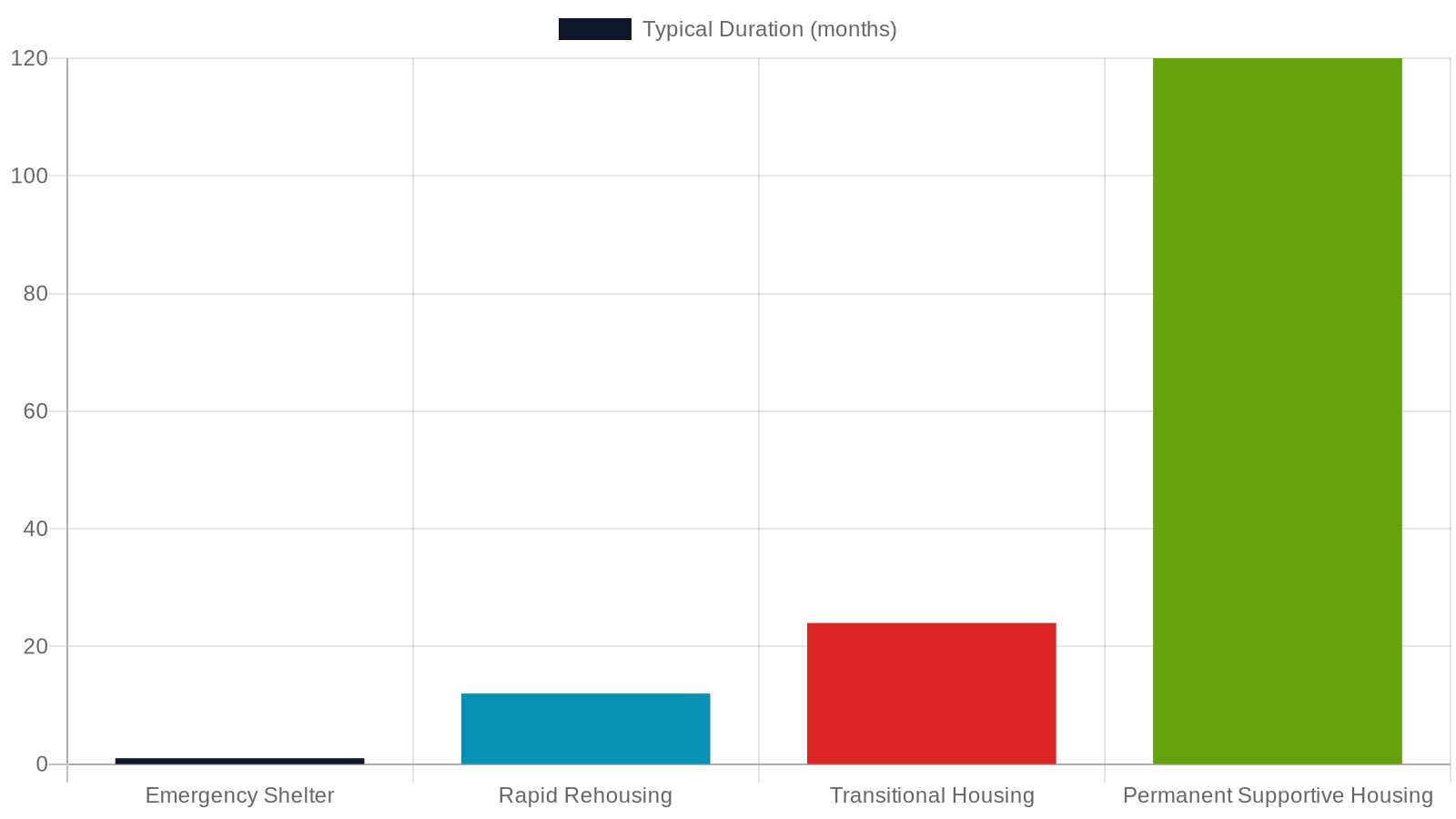
Emergency shelter is the immediate safety net — a place to sleep tonight. YAAB members can help you navigate which shelters in your region have youth-specific beds, which have curfews or sobriety requirements that may or may not fit your situation, and which have the shortest wait times. In Memphis (TN-500), Nashville (TN-501), and Knoxville (TN-502), youth-specific emergency shelter options exist but are often at or near capacity.
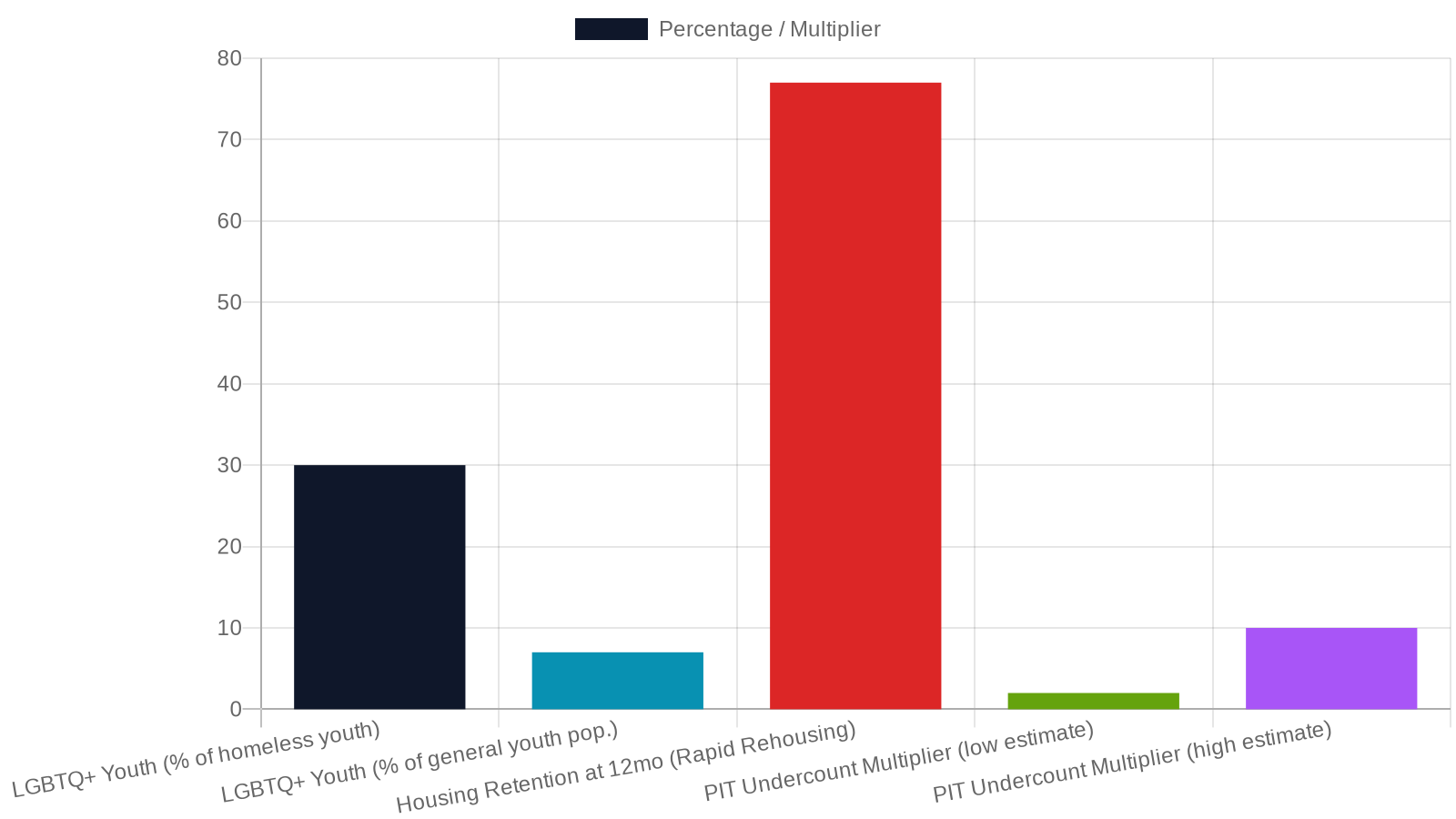
Rapid rehousing is a short-term rental assistance program designed to move people from homelessness into their own apartment as quickly as possible, with case management support. HUD data shows rapid rehousing participants have a housing retention rate of approximately 77% at 12 months. YAAB advocates for more rapid rehousing slots dedicated specifically to transition-age youth in every Tennessee CoC.
Transitional Housing and Permanent Supportive Housing
Transitional housing programs typically offer a structured living environment for up to 24 months, paired with services like life skills training, employment support, and counseling. They’re a good fit for young adults who need more than a roof — they need time and support to build stability. Several Tennessee CoC regions operate transitional housing programs specifically for youth ages 18 to 24.
Permanent supportive housing (PSH) combines long-term affordable housing with voluntary wraparound services. It’s designed for individuals with significant barriers — including chronic homelessness or serious mental health conditions. While PSH is less common for younger adults, YAAB advocates for age-appropriate PSH options that don’t require young people to compete with older adults for limited beds.
Housing Vouchers and Tenant Rights
Section 8 Housing Choice Vouchers and Tennessee-specific rental assistance programs can be life-changing — but navigating them is complicated. Waitlists in major Tennessee cities can stretch two to five years for general vouchers. However, some CoC regions have dedicated youth vouchers through HUD’s Youth Homelessness Demonstration Program (YHDP) with shorter timelines. YAAB members know which programs have open waitlists right now and can connect you directly.
Knowing your tenant rights is equally important. Tennessee law prohibits landlords from discriminating against voucher holders in some jurisdictions, and young adults have the right to sign leases independently at age 18. YAAB’s advocacy work includes pushing for stronger tenant protections for young renters across the state.
5. Employment Pathways YAAB Champions for Young Adults

A stable job is one of the fastest routes to stable housing — but getting there when you’re already in crisis takes more than a job listing. YAAB understands the specific employment barriers that transition-age youth face and works both on the ground and in policy rooms to clear those barriers.
Workforce Development Programs in Tennessee
Tennessee has several workforce development programs specifically accessible to transition-age youth. Tennessee Promise and Tennessee Reconnect offer tuition-free community college, which can be combined with workforce training certifications in fields like healthcare, construction, IT, and logistics. The state’s American Job Centers — located in every major metro — provide free job search assistance, résumé help, and skills assessments. YAAB members can help you navigate which programs have the fewest barriers for young adults without stable housing or a permanent address.
Many employers in Tennessee also participate in On-the-Job Training (OJT) programs through the Tennessee Department of Labor, which pay employers to train new hires — reducing the risk of hiring someone without prior experience and giving young adults a foot in the door.
Barriers YAAB Helps Young Adults Overcome
Employment barriers for homeless and housing-unstable youth are real and specific. Common obstacles include: no permanent address to put on a job application, no reliable transportation, no professional clothing for interviews, gaps in work history, background records from survival-related offenses, and no access to childcare for young parents. YAAB advocates at the policy level to reduce these barriers — pushing for ban-the-box hiring policies, transportation subsidies, and emergency fund access — while also connecting individual members to practical resources like interview clothing closets, bus passes, and childcare referrals.
6. Education and GED Pathways Supported by YAAB

Education is one of the most powerful long-term tools for breaking the cycle of housing instability — and Tennessee has more free and low-cost pathways than most young adults realize. YAAB helps members access these pathways and advocates for systems that make education more reachable for young people in crisis.
GED and High School Equivalency Options in Tennessee
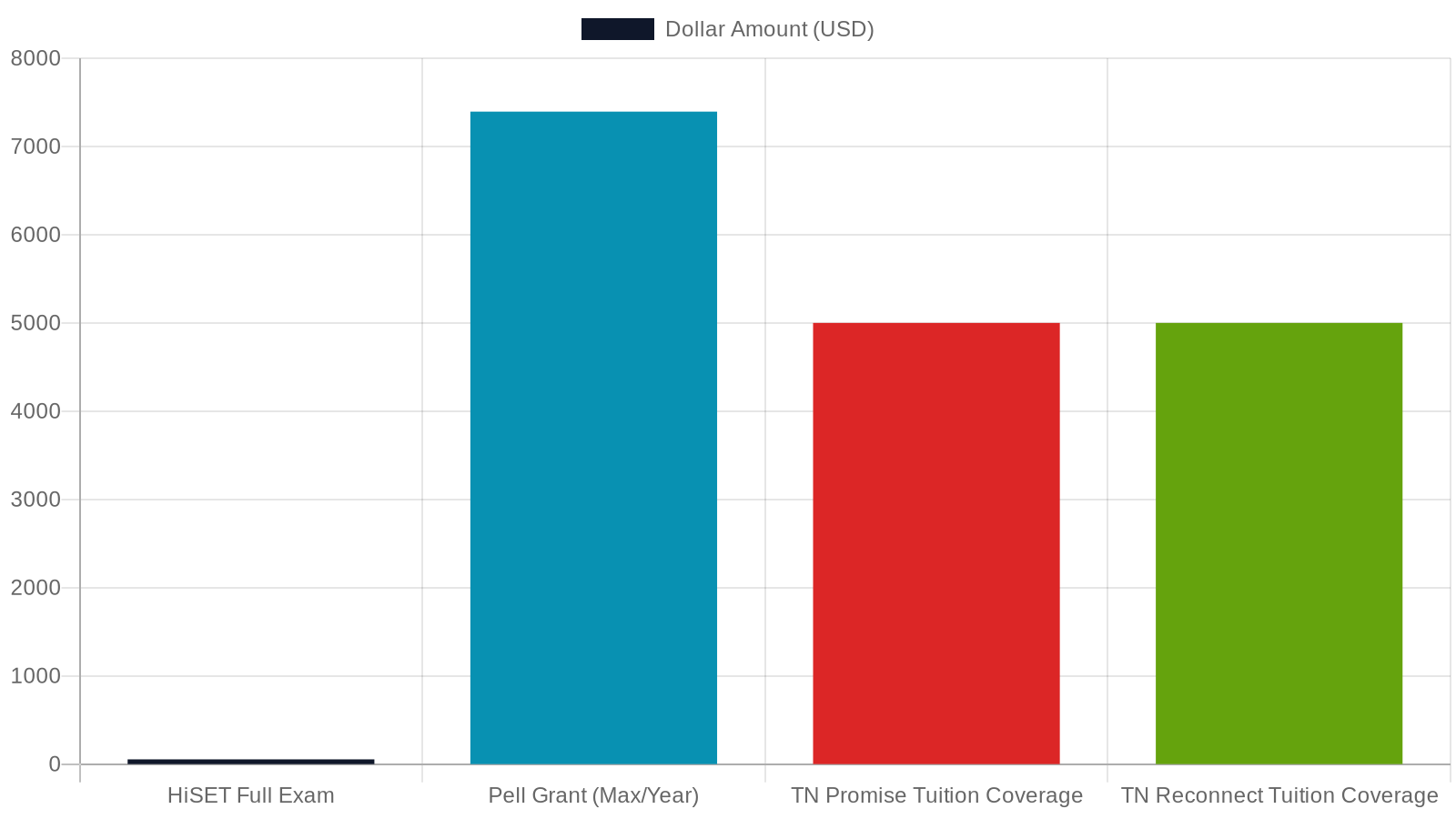
Tennessee offers the HiSET exam as its high school equivalency credential — functionally equivalent to a GED and accepted by virtually all Tennessee employers and colleges. The exam costs approximately $10.75 per subtest (five subtests total, roughly $54 for the full exam), and fee waivers are available for income-eligible individuals through the Tennessee Department of Labor and Workforce Development. Many adult education centers across the state offer free HiSET prep classes, including in Memphis, Nashville, Knoxville, Chattanooga, and Jackson.
YAAB members who have earned their HiSET while experiencing homelessness are among the most powerful peer mentors in the network — because they’ve done it under the hardest conditions and can show others the exact steps they took.
College Access: Tennessee Promise, Reconnect, and FAFSA Navigation
Tennessee Promise covers tuition and fees at Tennessee community colleges and colleges of applied technology (TCATs) for recent high school graduates. Tennessee Reconnect does the same for adults 18 and older who haven’t yet earned a degree. Both programs are last-dollar scholarships — they cover what’s left after other aid. For young adults experiencing homelessness, the FAFSA includes a specific question about independent student status that can unlock additional Pell Grant funding without requiring parental financial information.
Navigating FAFSA as a homeless or unaccompanied youth can be confusing, but it’s critically important: a young adult who qualifies as an independent student may receive up to $7,395 in Pell Grant funding per year (2024–25 award year) — money that doesn’t have to be repaid. YAAB members and regional partners can help you complete this process correctly.
7. Mental Health and Wellbeing: YAAB's Whole-Person Approach

Housing, jobs, and education matter — but so does your mental and emotional wellbeing. YAAB takes a whole-person approach that acknowledges the trauma many young adults carry while refusing to define them by it. Here’s how YAAB supports mental health and connects young people to care across Tennessee.
The Mental Health Reality for Housing-Unstable Youth
The connection between housing instability and mental health is bidirectional and well-documented. A 2020 study in the Journal of Adolescent Health found that approximately 50% of homeless youth meet criteria for at least one mental health disorder, with depression, PTSD, and anxiety being most common. At the same time, mental health challenges can make it harder to maintain housing, employment, and relationships — creating a cycle that’s difficult to break without support.
YAAB does not pathologize this reality. Members understand it from the inside. The organization’s peer model means that when a young adult connects with YAAB, they’re talking to someone who gets it — not a clinician reading from a checklist, but a peer who has navigated similar challenges and found their footing.
Mental Health Resources Available in Tennessee
Tennessee’s Behavioral Health Safety Net provides mental health services on a sliding-fee scale for uninsured or underinsured residents. TennCare (Tennessee’s Medicaid program) covers mental health services for eligible young adults, and many housing-unstable youth qualify based on income. The 988 Suicide and Crisis Lifeline is available 24/7 by call or text for anyone in crisis.
Several Tennessee CoC regions have street outreach teams that include mental health co-responders — professionals who can connect young adults to care without involving law enforcement. YAAB advocates for expanding these teams statewide and for trauma-informed training for all youth-serving providers. You can explore mental health and other support options through the YAAB Tennessee resources page.
8. YAAB's Advocacy Work: Changing Systems, Not Just Helping Individuals

Individual support matters — but lasting change requires changing the systems that create homelessness in the first place. YAAB’s advocacy work is where lived experience becomes policy, where young adults’ voices move from the margins to the center of decision-making in Tennessee.
How YAAB Members Influence Policy
YAAB members don’t just receive support — they shape the systems that provide it. In each CoC region, YAAB representatives sit on CoC governing boards and committees, bringing youth perspectives to decisions about funding priorities, program design, and performance metrics. At the state level, YAAB members have testified before Tennessee legislative committees, participated in HUD-required youth consultation processes, and contributed to Tennessee’s Consolidated Plan for housing and community development.
This is not symbolic participation. When a young adult with lived experience of homelessness tells a room full of decision-makers that a particular policy creates a barrier — and explains exactly how and why — it changes the conversation in ways that data alone cannot. YAAB’s advocacy model is built on the principle that nothing about us without us is not just a slogan; it’s a structural requirement for effective policy.
Recent and Ongoing Advocacy Priorities
YAAB’s advocacy agenda reflects what members identify as the most urgent needs. Current priorities include: expanding youth-dedicated rapid rehousing and permanent supportive housing slots across all eight Tennessee CoC regions; improving discharge planning from foster care, juvenile justice, and psychiatric facilities so young people leave with a housing plan rather than a bus ticket; advocating for extended foster care to age 21 for all eligible youth; and pushing for trauma-informed, youth-specific training standards for all CoC-funded providers.
You can learn more about the specific campaigns and how to get involved through the YAAB advocacy page, which is updated as new initiatives launch across the state.
Tennessee Youth Housing Program Types at a Glance
Not every housing program is the right fit for every situation. Use this comparison to understand the key differences between the main program types available to transition-age youth across Tennessee's CoC regions.
9. How to Get Involved with Your Local YAAB

Reading about YAAB is a start. Actually connecting with your regional chapter is where the real value is. Here’s exactly how to take that step, no matter where in Tennessee you are or what your current situation looks like.
What Membership Looks Like
YAAB membership is open to young adults ages 17 to 25 in Tennessee who have lived experience of homelessness or housing instability. There are no academic requirements, no formal application essays, and no cost to join. What YAAB asks is that you show up, share your perspective, and engage with the community. Members participate in regional meetings, community outreach events, advocacy campaigns, and peer support activities at whatever level works for their current situation.
Some members are in stable housing and ready to give back. Others are still navigating instability and find that YAAB gives them both practical support and a sense of purpose during a difficult time. Both are valid. YAAB meets people where they are — literally and figuratively.
Finding Your Regional Chapter
Each of Tennessee’s eight CoC regions has its own local YAAB chapter with its own meeting schedule, leadership team, and regional focus. To find yours:
- Memphis/Shelby (TN-500): High concentration of youth-serving nonprofits and one of the state’s most active YAAB chapters
- Nashville/Davidson (TN-501): Strong connection to state legislative advocacy given proximity to the Capitol
- Knoxville/Knox (TN-502): Active university partnerships and workforce training connections
- Chattanooga/Hamilton (TN-503): Growing rapid rehousing infrastructure for youth
- Jackson/West TN (TN-504), Upper Cumberland (TN-506), Northeast TN (TN-507), Southeast TN (TN-509): Rural-focused chapters with deep knowledge of resource navigation in lower-density areas
The fastest way to connect is to visit yaabtn.org and reach out through the contact form — the team will connect you with your regional chapter directly.
10. Understanding Youth Homelessness in Tennessee: The Numbers

To understand why YAAB exists and why its work matters, it helps to look at the scale of youth homelessness in Tennessee — and to understand both what the data shows and what it misses. Context matters when you’re trying to change a system.
Point-in-Time Count Data and What It Misses
HUD requires each CoC to conduct an annual Point-in-Time (PIT) count — a one-night snapshot of sheltered and unsheltered homelessness, typically conducted in late January. Tennessee’s combined PIT counts consistently identify thousands of individuals experiencing homelessness on a single night, with transition-age youth (17–25) representing a significant and often undercounted segment.
The PIT count is widely acknowledged to undercount youth homelessness specifically, because young people are more likely to be couch-surfing, staying in informal arrangements, or actively avoiding detection. Researchers estimate that actual youth homelessness rates may be two to ten times higher than PIT counts suggest, depending on the methodology used. YAAB advocates for more accurate counting methods — including school-based surveys and community-based participatory research — to ensure funding reflects actual need.
Risk Factors Specific to Tennessee's Youth Population
Tennessee’s youth homelessness landscape is shaped by several state-specific factors:
- Foster care exits: Tennessee had approximately 8,000 children in foster care as of 2023; a meaningful percentage will age out without stable housing
- Rural poverty: Many of Tennessee’s 95 counties have limited shelter infrastructure, making rural youth homelessness nearly invisible in official counts
- LGBTQ+ youth: National research consistently finds that LGBTQ+ young people represent 20–40% of homeless youth despite being approximately 7% of the general youth population — often due to family rejection
- Substance use: Often a response to trauma rather than a cause of homelessness, but frequently used as a barrier to service access
YAAB’s peer model is particularly effective for these populations because members share lived experience across many of these specific circumstances.
11. YAAB vs. Other Youth-Serving Organizations in Tennessee

If you’re a young adult trying to figure out which organization to connect with, or a case manager building your referral network, it helps to understand how YAAB fits into Tennessee’s broader ecosystem of youth-serving organizations. The short answer: YAAB does something no one else does.
What Makes YAAB Distinct
Tennessee has a number of excellent organizations serving young adults facing homelessness — including Oasis Center (Nashville), Youth Villages (statewide), Memphis Youth Services (Memphis), and various CoC-funded nonprofits in every region. YAAB is not a competitor to these organizations; it is a complementary layer that none of them can fully replicate.
The key distinction is governance and voice. YAAB is led by young adults with lived experience, not just serving them. YAAB members sit on the boards and committees that decide how other organizations are funded and evaluated. That structural power is rare and important. No other statewide Tennessee organization occupies this specific role in the CoC ecosystem.
How YAAB Collaborates with Other Providers
In practice, YAAB works alongside — not instead of — direct service providers. A young adult might receive emergency shelter from a CoC-funded nonprofit, rapid rehousing case management from another agency, and mental health services from a community health center — while also being a YAAB member who helps those same organizations improve their youth-facing practices. The peer navigator model means YAAB members can serve as trusted bridges between young people and the formal service system, reducing the distrust and disengagement that often prevents youth from accessing help.
For case managers and providers: YAAB is a referral partner, a training resource, and a feedback mechanism all in one. Building a relationship with your regional YAAB chapter will make your work more effective.
Ready to Connect? Your Next Step with YAAB Tennessee

You’ve read about what YAAB is, who it serves, and what it does. Now the most important step is the simplest one: make contact. Here’s how to do that, whether you’re a young adult looking for support or a provider looking to build a stronger partnership.
For Young Adults: You Belong Here
If you’re between 17 and 25, anywhere in Tennessee, and you’ve dealt with housing instability in any form — you are exactly who YAAB was built for. You don’t need to have it all figured out. You don’t need to be in crisis or out of crisis. You just need to reach out. YAAB members across the state have navigated the same systems, the same barriers, and the same uncertainty — and they’re ready to walk alongside you.
Whether you want to connect to housing resources, learn about employment and education pathways, or get involved in advocacy and leadership, visit the YAAB Tennessee website to find your regional chapter and take the first step. Your experience is not a liability — it’s the most valuable thing you bring to this community.
For Providers and Partners: Get Involved
If you’re a case manager, CoC partner, or youth-serving provider in Tennessee, YAAB wants to work with you. Reach out through the YAAB contact page to learn how your organization can partner with your regional YAAB chapter, refer young adults to membership, or invite YAAB members to provide feedback on your programs. The young adults in your caseload deserve services shaped by people who understand their experience — and YAAB is the mechanism that makes that possible across all eight Tennessee CoC regions.
Youth homelessness in Tennessee is a solvable problem. It will be solved by the young people most affected by it, working alongside committed partners who are willing to share power and listen. That’s the YAAB model — and it’s working.
Frequently Asked Questions
How do I connect with a YAAB chapter in my part of Tennessee?
Visit yaabtn.org and use the Local YAABs page to find the chapter for your Continuum of Care region. You can also use the contact form on the site and the team will connect you with the right regional group. YAAB has chapters in Memphis, Nashville, Knoxville, Chattanooga, Jackson, Upper Cumberland, Northeast Tennessee, and Southeast Tennessee.
Do I have to currently be homeless to join YAAB?
No. YAAB is open to young adults ages 17 to 25 who have current or past lived experience of homelessness or housing instability. Many members are in stable housing and use their experience to help others and advocate for policy change. You don't have to be in crisis to belong.
What is the Continuum of Care and why does it matter for Tennessee youth?
The Continuum of Care (CoC) is a HUD-funded planning and coordination system for homeless services within a defined geographic area. Tennessee has eight CoC regions. The CoC controls how federal homeless assistance dollars are distributed, which programs get funded, and how services are coordinated. YAAB members sit on CoC governing bodies to ensure youth voices shape those decisions.
Can I get help with housing even if I'm couch-surfing and not in a shelter?
Yes. HUD's definition of homelessness — which YAAB and Tennessee CoC programs use — includes couch-surfing, staying temporarily with others because you have no stable home, and living in motels paid for by emergency assistance. You don't have to be sleeping outside to qualify for youth housing programs or YAAB membership.
What resources does YAAB offer for young adults aging out of foster care in Tennessee?
YAAB specifically centers foster care alumni in its advocacy and peer support work. Members who have aged out of care can connect you to transitional housing programs, extended foster care options (available up to age 21 in Tennessee under certain conditions), FAFSA independent student status guidance, and workforce development programs. YAAB also advocates for better discharge planning so young people leave care with a housing plan.
Is YAAB only for young adults in big cities like Nashville and Memphis?
No. YAAB has regional chapters across all eight Tennessee Continuum of Care regions, including rural areas like Upper Cumberland, Northeast Tennessee, Southeast Tennessee, and West Tennessee. Rural chapters have specific expertise in navigating limited local resources and can connect you to programs you might not find through a general internet search.