Quick answer: The Youth Action Board (YAAB) Upper Cumberland region is open to any young adult ages 17 to 25 in Tennessee who has lived experience with homelessness or housing instability. To join, you connect with the local YAAB chapter, attend an orientation, share your story on your own terms, and start shaping the policies that affect your community. There are no grades, no fees, and no perfect background required — just your voice and your willingness to show up. This guide walks you through every step so you know exactly what to expect.
1. What Is YAAB and Why Does the Upper Cumberland Region Matter?

Before you fill out a single form, it helps to understand what you’re joining and why the Upper Cumberland YAAB chapter exists as its own regional body. YAAB is not a one-size-fits-all program — it is deliberately structured around Tennessee’s regional Continuum of Care system so that local voices drive local change. Here is what that means for you as a young adult in the Upper Cumberland area.
YAAB in Plain Terms
The Youth Action Board (YAAB) of Tennessee is a statewide network of young adults — ages 17 to 25 — who have experienced homelessness or housing instability and use that lived experience to change systems from the inside. YAAB members sit at real tables: advising Continuum of Care (CoC) leaders, reviewing funding decisions, and pushing for policies that actually work for young people. This is not a support group or a class. It is a leadership platform where your experience is the credential.
The Upper Cumberland Region Explained
Tennessee’s Continuum of Care is divided into regional networks, and the Upper Cumberland is one of them — covering a stretch of Middle Tennessee that includes counties like Putnam, White, Overton, Cumberland, Fentress, Jackson, Clay, Pickett, and Smith. Cities like Cookeville and Crossville anchor the region. If you live, work, go to school, or access services anywhere in the Upper Cumberland, this is your YAAB chapter. Regional chapters matter because housing challenges in a rural area like Upper Cumberland are different from those in Memphis or Nashville — and the people shaping solutions should reflect that reality.
Who Has Been Part of YAAB?
Past and current YAAB members include young adults who have couch-surfed, stayed in shelters, aged out of foster care, experienced domestic violence, or simply couldn’t afford stable housing while trying to finish school or hold a job. Some joined at 17 with no idea what advocacy meant. Others joined at 24 after years of navigating the system alone. What they share is a belief that their experience is worth something — and that belief is exactly what YAAB is built on.
2. Check Your Eligibility — It's Simpler Than You Think

One of the biggest barriers to joining any advocacy organization is not knowing whether you qualify. YAAB keeps its eligibility criteria intentionally straightforward so that the young adults who need a seat at the table can actually get there. Here is a clear breakdown of what is required — and what is not required — to join the Upper Cumberland chapter.
The Core Requirements
YAAB has three basic eligibility requirements for the Upper Cumberland chapter:
- Age: You must be between 17 and 25 years old at the time you join.
- Lived experience: You have personally experienced homelessness, housing instability, or a related housing crisis at some point in your life. This includes couch-surfing, staying in a shelter, living in a car, doubling up with family because you had nowhere else to go, or aging out of foster care without stable housing.
- Tennessee connection: You live, work, go to school, or access services in the Upper Cumberland region of Tennessee.
That’s it. There is no GPA requirement, no background check that disqualifies you, and no income threshold to meet.
What 'Lived Experience' Actually Means
A lot of young people hesitate because they don’t think their situation was ‘bad enough’ to count. Let’s be clear: housing instability exists on a spectrum. You do not have to have slept outside to qualify. If you have ever stayed somewhere you didn’t feel safe, bounced between relatives’ couches, stayed in a motel week-to-week, or had your utilities shut off while trying to keep a roof over your head — that is lived experience, and it counts. YAAB recognizes that housing insecurity takes many forms, especially in rural regions like Upper Cumberland where shelter options are limited and public transit is scarce.
A Note on Privacy
You are never required to share the details of your housing history publicly. YAAB operates under confidentiality norms that protect members’ personal stories. You decide what you share, when you share it, and with whom. Your eligibility is confirmed through a simple intake conversation — not a formal audit of your records. This peer-led model is intentional: it keeps the focus on your voice and your leadership, not on documenting your hardship.
3. Understand the Time Commitment Before You Sign Up

Before you commit to anything, you deserve a realistic picture of what membership actually asks of you. YAAB is not a full-time job or a semester-long class with attendance requirements. Here is an honest breakdown of the time investment so you can decide if the timing works for your life right now.
Typical Monthly Hours
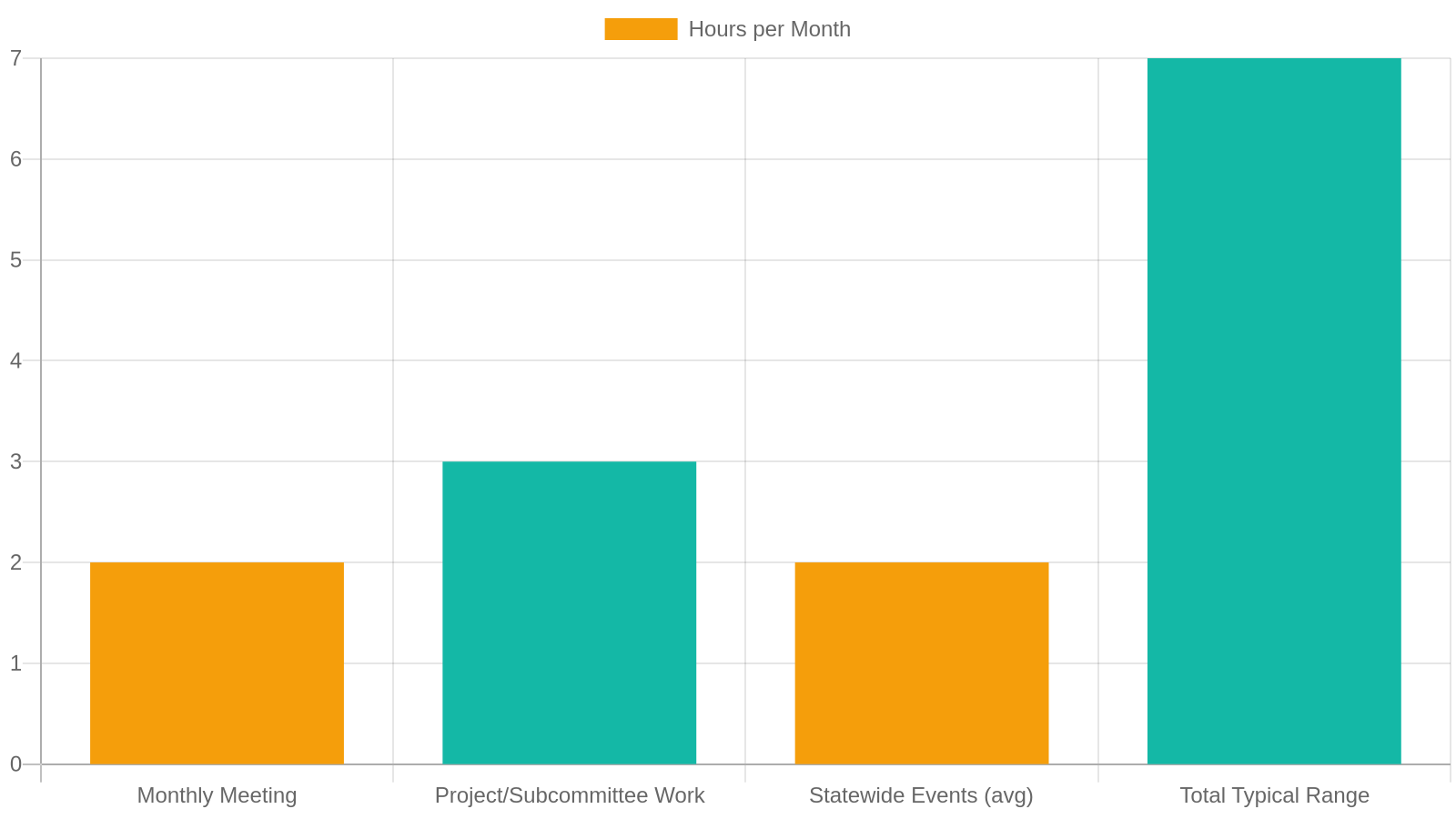
Most YAAB members in active chapters commit roughly 4 to 8 hours per month. That typically breaks down as: one monthly chapter meeting (1–2 hours), occasional subcommittee or project work (1–3 hours), and optional statewide events or advocacy days (variable). This is designed to be manageable alongside school, work, and other responsibilities. YAAB leadership understands that members are often balancing a lot — and flexibility is built into the model.
What Meetings Look Like
Upper Cumberland YAAB meetings are peer-led, meaning a young adult member — not a service provider — facilitates the agenda. Meetings may be held in person at a community location in the Cookeville or Crossville area, virtually via video call, or in a hybrid format depending on the season and member needs. Snacks, transportation support, and stipends (where available) are offered to reduce barriers to attendance. You are not expected to dress up, present a PowerPoint, or know policy jargon on day one.
Flexibility for Real Life
Missing a meeting because your work schedule changed or your car broke down does not get you removed from YAAB. Life happens — especially when you’re 17 to 25 and navigating unstable circumstances. What matters is consistent engagement over time, not perfect attendance. If you know you’ll be unavailable for a stretch, you can communicate that with your regional coordinator and stay connected through group chats or email updates. YAAB is built to meet young people where they are, not where a program wishes they were.
4. Find Your Point of Contact in the Upper Cumberland

Knowing who to contact is often the hardest part of joining any new organization. For the Upper Cumberland region, here is exactly where to go and what to say so you don’t waste time searching or second-guessing yourself.
The YAAB TN-506 Chapter Page
The Upper Cumberland YAAB chapter operates under CoC region TN-506. The fastest way to connect is through the official chapter page, where you can find current contact information, upcoming meeting dates, and any region-specific announcements. Head directly to the YAAB Upper Cumberland (TN-506) chapter page to see who your regional coordinator is and how to reach them. This page is updated as contact information and meeting formats change, so it is always your most reliable starting point.
Other Ways to Make First Contact
If the chapter page doesn’t have an immediate answer, you can also reach out through the YAAB statewide contact form and specify that you’re interested in the Upper Cumberland region. YAAB staff can connect you with the right regional point of contact within a few business days. Some young adults also find their way to YAAB through a case manager, a school counselor, or a CoC partner organization — so if you’re already working with a service provider in the region, ask them if they have a YAAB connection.
What to Say When You Reach Out
You don’t need a polished introduction. A simple message works: ‘Hi, I’m [first name], I’m [age] years old, I live in [city/county], and I’m interested in joining YAAB. Can you tell me about the next steps?’ That’s genuinely enough. No resume, no essay, no referral letter required. The coordinator’s job is to welcome you in and answer your questions — not to screen you out. If you feel more comfortable asking a friend or case manager to make the first contact on your behalf, that’s okay too.
5. Complete the Intake and Orientation Process

Once you’ve made contact, the next step is a brief intake and orientation process. Here is a step-by-step look at what happens so there are no surprises — because surprises are the last thing you need when you’re already taking a brave step.
The Intake Conversation
After you make first contact, a regional coordinator or current YAAB member will schedule a brief intake conversation with you — usually 20 to 30 minutes by phone or video call. This is not an interview where you can fail. The purpose is to confirm your eligibility, explain how the chapter works, answer your questions, and figure out the best way to get you plugged in. You will be asked about your general experience with housing instability, but you control how much detail you share. The coordinator is there to welcome you, not evaluate you.
Orientation: What to Expect
New members typically go through a short orientation — either a dedicated session or a built-in segment at the beginning of a regular chapter meeting. Orientation covers: what YAAB is and how it connects to the Continuum of Care, your rights and responsibilities as a member, how meetings are run, how decisions are made, and what projects the chapter is currently working on. You’ll also learn about any stipends, reimbursements, or supports available to members. Orientation usually takes 60 to 90 minutes and can be done virtually if transportation is a barrier.
Paperwork and Agreements
You may be asked to sign a simple membership agreement or confidentiality form. These documents protect you and your fellow members — they are not legal traps. Read everything before you sign, and ask questions if something is unclear. If you need the document in a different format (larger font, read aloud, translated) just ask. YAAB is committed to making the process accessible. There are no fees, dues, or financial commitments involved in joining.
6. Know What You'll Actually Do as a YAAB Member

One of the most common questions new members ask is: ‘What will I actually be doing?’ YAAB membership is active, not passive. Here is a concrete look at the kinds of work Upper Cumberland members engage in — from formal policy tables to grassroots community projects.
Policy and Systems Advocacy
YAAB members provide formal input into the Continuum of Care planning process — the federally mandated system that coordinates homeless services and housing resources across Tennessee. This means reviewing funding applications, giving feedback on how programs are designed, and attending CoC meetings as a youth representative. In 2023, YAAB members statewide contributed to policy recommendations that shaped how Tennessee’s CoC regions prioritize youth-specific housing resources. Your voice in these rooms is not symbolic — it is part of the official record.
Peer Outreach and Community Projects
Beyond formal policy work, YAAB chapters run peer-to-peer outreach projects, resource fairs, and community awareness campaigns. In rural regions like Upper Cumberland, this might mean helping distribute information about available housing programs, connecting peers to emergency rental assistance, or co-creating content that helps young adults know their rights. Members often take the lead on projects they care about — so if you have an idea, there is a real pathway to making it happen.
Leadership Development and Training
YAAB invests in its members. You can expect access to training in public speaking, policy literacy, trauma-informed advocacy, and facilitation skills. Some members go on to present at state conferences, testify before legislative committees, or take on paid roles in the nonprofit or government sectors. YAAB alumni have moved into positions at CoC partner organizations, housing agencies, and advocacy nonprofits across Tennessee. Joining YAAB is not just about giving back — it is also a real investment in your own future.
7. Access the Supports and Benefits That Come With Membership

Joining YAAB is not a one-way street where you give your time and get nothing back. There are real, tangible supports built into membership — because YAAB is designed to work for young adults, not just extract from them. Here is what you can expect to have access to as an Upper Cumberland member.
Stipends and Compensation
YAAB recognizes that your time and expertise have value. Many YAAB chapters offer stipends to members for attending meetings and participating in advocacy activities. Stipend amounts and structures vary by chapter and available funding — your regional coordinator can give you the most current information for the Upper Cumberland chapter. Compensation for your time is not charity; it is recognition that young adults with lived experience are doing skilled work that improves systems for everyone.
Transportation and Accessibility Support
Transportation is one of the biggest barriers to participation in rural Tennessee. YAAB chapters work to address this through gas reimbursements, rideshare credits, and virtual meeting options. If getting to a meeting location in Cookeville or Crossville is a challenge, tell your coordinator — there are often solutions available that aren’t advertised upfront. Accessibility accommodations for members with disabilities are also available; just ask when you make first contact.
Connection to Resources
Being a YAAB member connects you to a broader network of housing, employment, education, and mental health resources across Tennessee. Members often learn about emergency assistance programs, scholarship opportunities, and job openings before they’re widely publicized. The YAAB statewide resources page is a good starting point, but your chapter network is even more valuable — because real people in your region know what’s actually available and how to access it.
YAAB vs. Other Youth Involvement Options: How They Compare
Not all youth programs are created equal. Here is how YAAB stacks up against common alternatives so you can choose the path that fits your goals.
8. Compare YAAB to Other Youth Involvement Options in Tennessee

If you’re weighing your options for getting involved as a young adult in Tennessee, it helps to understand how YAAB stacks up against other opportunities. This section gives you a clear-eyed comparison so you can make the choice that’s right for your goals.
Why YAAB Is Different From a Volunteer Program
Traditional volunteer programs place young adults in service roles — handing out meals, sorting donations, answering phones. YAAB is fundamentally different: members are decision-makers and advisors, not volunteers performing tasks. You are not helping run someone else’s organization; you are shaping the policies and programs that affect your own community. This distinction matters because it changes the power dynamic entirely. YAAB is built on the principle that people with lived experience of a problem are the most qualified to design its solutions.
How YAAB Compares to Youth Advisory Boards Elsewhere
Many cities and states have youth advisory boards that are largely ceremonial — young people are invited to give input, but that input rarely changes anything. YAAB is embedded in Tennessee’s official Continuum of Care structure, which means member recommendations go into formal planning documents that influence how federal HUD funding is allocated. This is not a feel-good exercise. It is a structured, accountable process where youth voice has documented impact on real funding and policy decisions.
9. Hear From the Broader YAAB Network Across Tennessee

Joining the Upper Cumberland chapter means becoming part of something bigger than one region. Here is a look at how the statewide YAAB network operates and why your local membership has statewide impact.
A Statewide Movement With Local Roots
The Upper Cumberland chapter is one of several regional YAAB chapters operating across Tennessee. Other chapters include TN-500 (Memphis/Shelby), TN-501 (Nashville/Davidson), TN-502 (Knoxville/Knox), TN-503 (Chattanooga/Hamilton), TN-504 (Jackson/West TN), TN-507, and TN-509 (Northeast TN). Each chapter is locally led but connected to a statewide network that shares training, resources, and advocacy strategies. When you join the Upper Cumberland chapter, you’re not joining a small local group in isolation — you’re joining a movement of young adults across Tennessee who are changing systems together.
Statewide Events and Cross-Regional Connection
YAAB hosts statewide convenings where members from all regions come together to share what they’re working on, build relationships, and align on shared advocacy priorities. These events — sometimes held in Nashville and sometimes virtually — are opportunities to meet peers from Memphis, Knoxville, Chattanooga, and beyond. Travel support is typically provided so that Upper Cumberland members are not left out because of geography. These cross-regional connections often become lasting professional and personal relationships.
How the Upper Cumberland Voice Shapes State Policy
Rural voices are chronically underrepresented in state-level policy conversations about homelessness and housing. When Upper Cumberland YAAB members show up at statewide tables, they bring perspectives that urban-focused advocates simply don’t have: the reality of limited shelter beds outside major cities, the challenge of accessing mental health services in areas with few providers, and the unique barriers facing young adults in small towns and rural counties. Your participation in the Upper Cumberland chapter doesn’t just affect your region — it shapes how Tennessee as a whole thinks about rural youth homelessness.
10. Frequently Asked Questions About Joining YAAB Upper Cumberland

Still have questions? Here are answers to the things young adults most commonly ask before taking the step to join. If your question isn’t here, the best move is to reach out directly — there’s no wrong question to ask.
Do I Need to Be Currently Homeless to Join?
No. You need to have lived experience of homelessness or housing instability at some point in your life — it does not have to be your current situation. Many YAAB members are now in stable housing and use their past experience to advocate for others who are still navigating the system. Being housed now does not disqualify you; it often means you have even more capacity to show up consistently.
What If I'm Shy or Don't Think of Myself as a Leader?
YAAB is exactly the right place to grow into leadership if you don’t already see yourself that way. Members start at whatever level they’re comfortable with — listening in meetings, helping with behind-the-scenes tasks, or sharing feedback in small groups — and build from there. Leadership skills are developed through participation, not assumed at the door. Many of YAAB’s most impactful members joined feeling unsure of themselves and grew into confident advocates over time.
Is There an Age Cutoff Mid-Membership?
The eligibility age range is 17 to 25 at the time of joining. If you turn 26 while you are an active member, policies on continued participation vary — ask your regional coordinator about the current approach for the Upper Cumberland chapter. YAAB generally supports members through transitions rather than cutting them off abruptly, and some alumni remain connected in advisory or alumni roles after aging out of the formal membership window.
Ready to Join? Your Next Move Starts Here

You now have a complete picture of what YAAB is, what the Upper Cumberland chapter does, and exactly how to join. Here is how to turn that knowledge into action — because the best time to get involved is before you feel completely ready.
Take the First Step Today
If you’ve read this far, you already have what it takes to be a YAAB member: curiosity, lived experience, and a willingness to engage. The Upper Cumberland chapter is actively welcoming new members ages 17 to 25. Your first move is simple — visit the YAAB Upper Cumberland (TN-506) chapter page to find current contact information, upcoming meeting dates, and the name of your regional coordinator. From there, one message or one phone call is all it takes to get started.
Explore the Full YAAB Network
Not sure the Upper Cumberland chapter is the right fit geographically? Tennessee has YAAB chapters across the state. You can browse all regional chapters at the YAAB local chapters directory to find the one closest to where you live, work, or access services. Every chapter is part of the same statewide mission: making sure young adults with lived experience of homelessness have a real seat at the table where decisions are made.
Your Experience Is the Credential
Tennessee’s systems — housing, shelter, education, employment support — work better when the people who have navigated them have a voice in how they’re designed. That is not a feel-good slogan; it is the documented reason why federally funded Continuums of Care are required to include youth with lived experience in their governance. You are not just welcome at the table. You are needed at the table. The Upper Cumberland YAAB chapter is your entry point into that work — and it starts with a single step.
Frequently Asked Questions
How do I join YAAB in the Upper Cumberland region of Tennessee?
Visit the YAAB TN-506 chapter page at yaabtn.org/local-yaabs/tn-506/ to find your regional coordinator's contact information. Send a brief message introducing yourself, your age, and your interest in joining. A coordinator will follow up to schedule an intake conversation and walk you through next steps.
Do I have to be currently homeless to join YAAB?
No. You need lived experience of homelessness or housing instability at some point in your life — it does not have to be your current situation. Many YAAB members are now in stable housing and use their past experience to advocate for others.
What is the age limit to join YAAB Upper Cumberland?
You must be between 17 and 25 years old at the time you join. If you turn 26 while already an active member, ask your regional coordinator about the chapter's current policy on continued participation.
Does YAAB pay members for their time?
Many YAAB chapters offer stipends to members for attending meetings and participating in advocacy activities. The specific amounts and availability vary by chapter and funding. Ask your Upper Cumberland regional coordinator for current details.
What if I live in a rural part of the Upper Cumberland and can't get to meetings?
YAAB offers virtual meeting options, gas reimbursements, and rideshare support to reduce transportation barriers. Let your coordinator know your situation when you reach out — there are often solutions available that aren't listed publicly.
What does YAAB actually do — is it just meetings?
YAAB is much more than meetings. Members provide formal input into Continuum of Care planning, run peer outreach projects, co-create community resources, attend state advocacy events, and receive leadership training. Your level of involvement can grow over time as you get more comfortable.