Quick answer: Youth advisory boards in Northeast Tennessee — part of the statewide Youth Action Board (YAAB) network — bring young adults ages 17 to 25 with lived experience of homelessness and housing instability directly into the decisions that shape local housing programs, shelter policies, and support services. Operating within the Tennessee Continuum of Care system, these boards give transition-age youth real power: they advise local leaders, review funding priorities, and connect peers to resources across the region. If you're between 17 and 25 and have experienced housing instability in Northeast Tennessee, your story and your voice belong in this work.
1. What a Lived-Experience Youth Advisory Board Actually Is

Before diving into the specific ways youth advisory boards shape housing programs in Northeast Tennessee, it helps to understand exactly what these boards are — and what makes them different from a typical community meeting or focus group. The short answer: power and permanence. Lived-experience advisory boards are embedded in the formal governance structure of the housing system, not bolted on as an afterthought.
More Than a Seat at the Table
A lived-experience advisory board isn’t a photo opportunity or a checkbox on a grant application. It’s a structured body where young adults who have personally navigated homelessness, housing instability, foster care transitions, or couch-surfing hold real decision-making influence. Members review program designs, flag what isn’t working, and push for changes before policies get locked in — not after.
In the context of Tennessee’s housing system, “lived experience” is a formal credential. Federal guidance from the U.S. Interagency Council on Homelessness (USICH) and the Department of Housing and Urban Development (HUD) explicitly calls for people with lived experience to be meaningfully involved in Continuum of Care planning — and youth-specific boards are the mechanism that makes that happen for transition-age youth (TAY).
Transition-Age Youth: Who Counts?
“Transition-age youth” (TAY) is the official term used by HUD and Tennessee’s CoC system for individuals ages 16 to 24 — though YAAB Tennessee focuses on ages 17 to 25. This age range matters because it sits at a unique crossroads: too old for most child-welfare protections, too young and under-resourced to navigate adult systems alone.
- Youth aging out of Tennessee’s foster care system (approximately 800–900 young people per year statewide)
- Young adults fleeing unsafe home environments
- Students who lost housing during college or vocational training
- Young parents experiencing housing instability
- Anyone 17–25 who has couch-surfed, stayed in a shelter, or had no stable place to sleep
All of these experiences qualify as “lived experience” for advisory board purposes.
2. Northeast Tennessee's Housing Landscape and Why It Needs Youth Voices
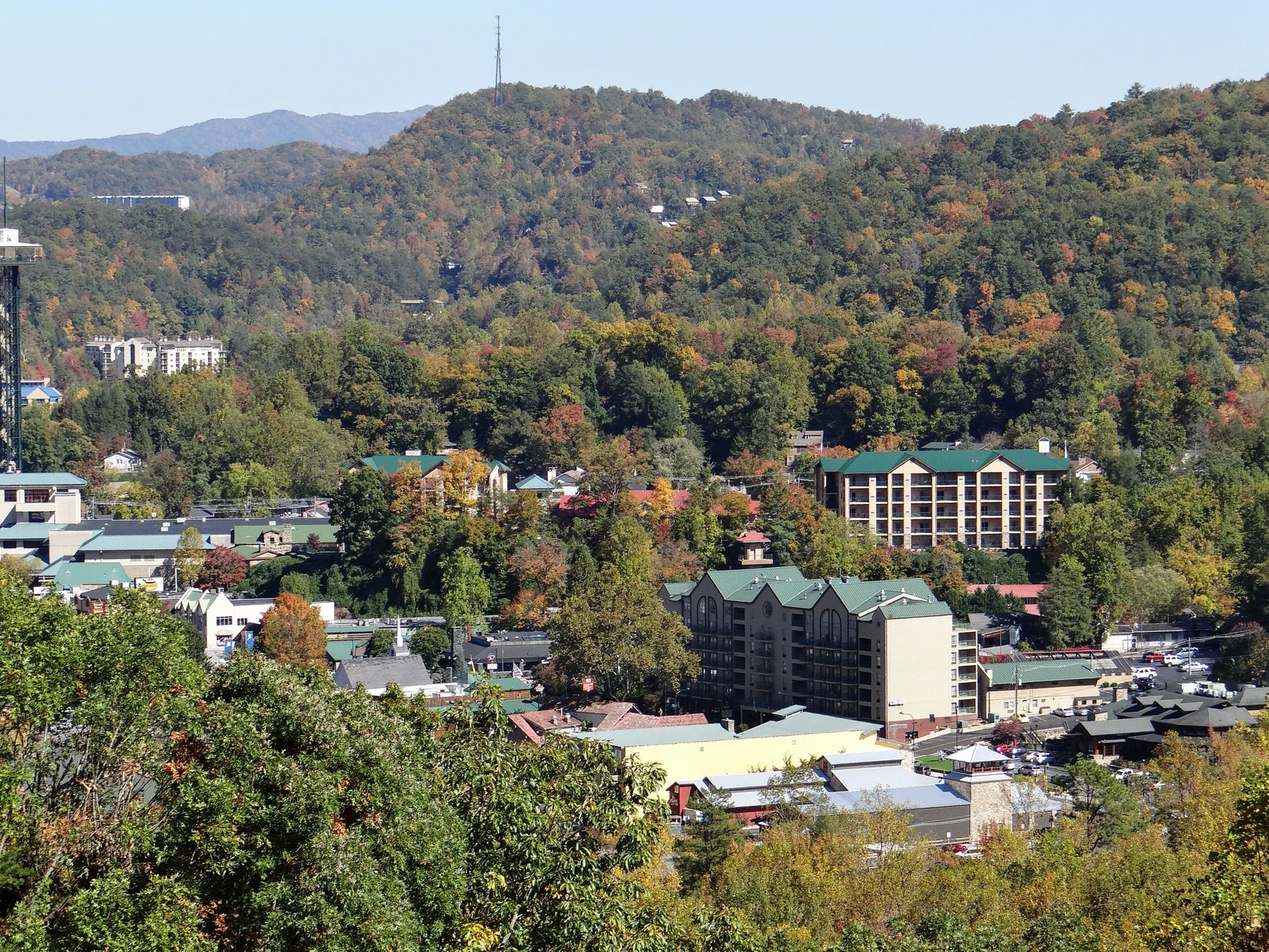
To understand why youth advisory boards matter specifically in Northeast Tennessee, you have to look at the region’s housing challenges through the eyes of a young adult trying to find stable ground. The Tri-Cities metro and surrounding rural counties have a distinct set of conditions that make youth homelessness both more common and less visible than in Tennessee’s larger urban centers.
The Region at a Glance
Northeast Tennessee encompasses counties including Sullivan, Washington, Carter, Unicoi, Johnson, and Hawkins — anchored by cities like Johnson City, Kingsport, and Bristol (the Tri-Cities area). The region is served by Tennessee’s Continuum of Care (CoC) system, which coordinates federal housing and homeless assistance funds across the state.
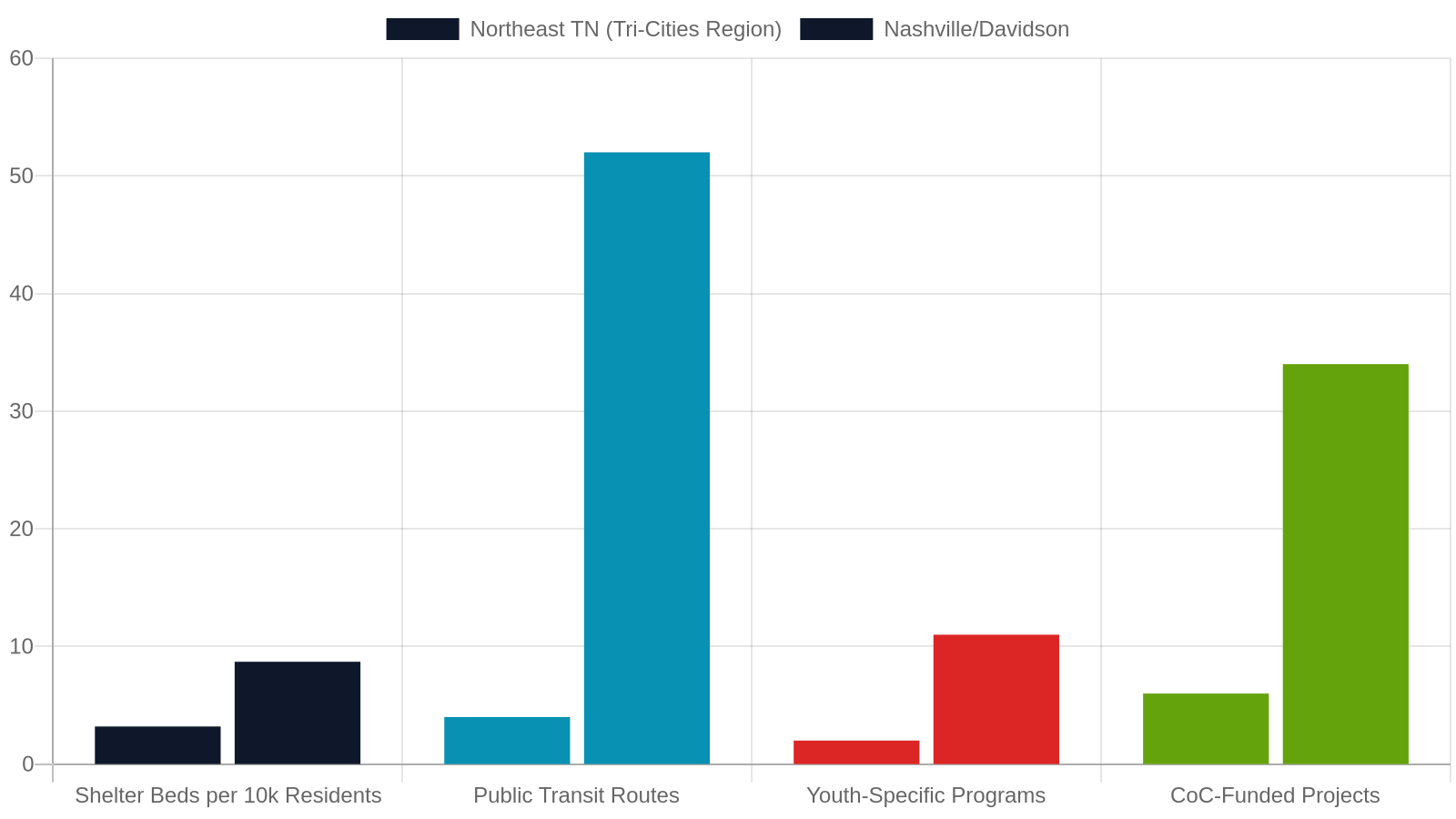
According to the 2023 Tennessee Point-in-Time (PIT) Count, youth under 25 represented a significant and likely undercounted share of people experiencing homelessness statewide. Rural and semi-rural regions like Northeast Tennessee face unique barriers: fewer shelter beds, limited public transportation, and fewer drop-in service sites compared to Memphis or Nashville.
The Gap Between Programs and Reality
Many housing programs in Northeast Tennessee were designed with adult heads-of-household in mind. Eligibility rules, curfews, documentation requirements, and service hours often don’t reflect the realities of a 19-year-old who just aged out of foster care or a 22-year-old fleeing an unsafe relationship.
- ID and documentation barriers: Programs may require birth certificates, Social Security cards, or proof of income that many TAY don’t have.
- Co-signature requirements: Some rental assistance programs require a co-signer, which youth without family support cannot provide.
- Service hour mismatches: Drop-in centers and case management offices often close at 5 p.m. — when many working youth are just getting off a shift.
These are exactly the kinds of friction points that a youth advisory board — made up of people who’ve lived them — is positioned to identify and fix.
3. How the Tennessee Continuum of Care System Works

The Continuum of Care (CoC) is the backbone of how homeless assistance funding flows in Tennessee. Understanding how it works helps you see exactly where youth advisory boards plug in — and why having young people with lived experience at those decision points changes outcomes.
CoC Regions and Federal Funding
Tennessee’s Continuum of Care is divided into regional CoCs, each of which applies to HUD for federal homeless assistance funding. These funds pay for emergency shelter, transitional housing, rapid rehousing, and permanent supportive housing programs. Northeast Tennessee falls within a specific CoC region that coordinates these resources locally.
Each CoC has a governing board and a Homeless Management Information System (HMIS) that tracks service use. Decisions made at the CoC level — like which programs get funded and what eligibility rules apply — directly affect whether a 20-year-old in Johnson City can access a rapid rehousing voucher or a transitional housing bed.
Where Youth Fit Into the CoC Structure
Historically, CoC governance has been dominated by adult service providers, government agencies, and housing authorities. Youth voices — especially those of people currently or recently experiencing homelessness — have been underrepresented. HUD’s 2022 CoC Program interim rule and subsequent guidance pushed CoCs to increase meaningful participation of people with lived experience, including youth.
YAAB Tennessee’s regional boards are the structural answer to that push. By embedding youth advisors into CoC planning committees, funding review processes, and community needs assessments, YAAB ensures that the people most affected by these decisions are helping make them — not just commenting on them after the fact.
4. 7 Concrete Ways Youth Advisory Boards Shape Housing Programs

Here’s where it gets specific. Youth advisory boards don’t just advise in the abstract — they intervene at concrete decision points in the housing system. Below are seven documented ways that lived-experience youth boards, including YAAB Tennessee’s regional chapters, change how housing programs are designed, funded, and delivered.
Ways 1–3: Policy, Funding, and Program Design
1. Reviewing and shaping CoC funding priorities. YAAB members participate in the annual CoC funding application process, weighing in on which projects should receive HUD dollars. When youth advisors flag that a proposed shelter has a 10 p.m. curfew that would exclude working young adults, that feedback can change the application — or the program rules.
2. Informing Coordinated Entry System (CES) design. The CES is the front door to most homeless services. Youth advisors help redesign intake assessments, referral pathways, and prioritization tools so they actually work for 17–25-year-olds — including those without phones, ID, or a permanent address to list.
3. Shaping rapid rehousing program rules. Rapid rehousing (RRH) provides short-term rental assistance and case management. YAAB members have successfully advocated in multiple Tennessee regions for RRH programs to waive co-signer requirements, accept alternative income documentation, and extend assistance timelines for youth still building employment history.
Ways 4–7: Training, Accountability, and Peer Connection
4. Training service providers. Youth advisors deliver trainings to shelter staff, case managers, and CoC partners about what transition-age youth actually need — and what makes them disengage from services. This peer-informed training is more credible and more specific than any curriculum written without lived experience.
5. Holding programs accountable through data review. YAAB members review HMIS data and program outcome reports to ask hard questions: Are youth of color being served at equitable rates? Are LGBTQ+ youth being turned away from shelters? Are youth exiting to stable housing or just cycling back?
6. Creating peer navigation and mentorship pathways. Youth advisors often become informal navigators — connecting peers to programs, helping them fill out paperwork, and demystifying a system that can feel overwhelming and hostile.
7. Advocating at the state and local government level. YAAB members testify before Tennessee legislative committees, meet with city council members, and participate in statewide homeless planning processes. In Northeast Tennessee, that means ensuring the Tri-Cities region’s rural realities are heard in Nashville.
5. What YAAB Tennessee's Northeast Region Actually Does

Understanding the broader YAAB model is one thing — but what does the Northeast Tennessee chapter actually look like in practice? Here’s a closer look at how this regional board is structured and what members spend their time doing.
Structure and Membership
YAAB Tennessee operates regional boards aligned with the state’s CoC geography. The Northeast Tennessee region — covering the Tri-Cities and surrounding Appalachian counties — is one of those regional chapters. Members are young adults ages 17 to 25 with lived experience of homelessness or housing instability who choose to get involved in shaping local and statewide systems.
Membership is voluntary and compensated — YAAB members are recognized as advisors, not free labor. Stipends, training, and leadership development are built into the model because YAAB operates from the principle that lived experience is expertise worth paying for.
Activities and Partnerships
In Northeast Tennessee, YAAB members engage in a range of activities depending on the current policy landscape and community needs:
- Attending and presenting at regional CoC planning meetings
- Participating in Point-in-Time Count planning and outreach
- Reviewing grant applications and program proposals for youth-appropriateness
- Connecting with local organizations like Frontier Health, Appalachian Community Capital, and regional housing authorities
- Sharing resources and peer support through social media and community events
- Traveling to Nashville for statewide YAAB convenings and legislative advocacy days
The work is real, the impact is measurable, and the community is supportive. If you’re in the Tri-Cities area or anywhere in Northeast Tennessee and you’re between 17 and 25, this board exists for you — and because of people like you.
6. Housing Programs and Resources Available to Youth in Northeast Tennessee
Knowing your rights and options is the first step toward stability. Here’s a practical overview of the housing and support programs available to young adults ages 17 to 25 in Northeast Tennessee — the same programs YAAB members help shape and improve.
Emergency Shelter and Crisis Housing
Northeast Tennessee has a limited but real network of emergency resources for young adults in crisis. Key entry points include:
- Coordinated Entry System (CES): The regional CES is the official front door to most HUD-funded shelter and housing programs. Accessing it typically starts with a call to 211 Tennessee or a visit to a participating agency.
- Frontier Health: Provides behavioral health and crisis services across Northeast Tennessee, including support for youth experiencing mental health crises alongside housing instability.
- Local domestic violence shelters: Organizations like HOPE Sullivan County and the Abuse Alternatives shelter in the Tri-Cities serve youth fleeing unsafe relationships.
- Faith-based emergency shelter: Several churches and faith organizations in Johnson City and Kingsport operate informal emergency housing — these are often not in HMIS but are real resources.
Transitional Housing and Rapid Rehousing
For youth who need more than a night or two of emergency shelter, transitional housing and rapid rehousing programs offer a bridge to stability:
- Transitional Living Programs (TLPs): Provide 18–24 months of housing with case management, life skills, and employment support. TLPs specifically for TAY are limited in Northeast Tennessee — a gap YAAB members have flagged for CoC funders.
- Rapid Rehousing (RRH): Short-term rental assistance (typically 3–12 months) plus case management to help youth get into their own apartment quickly. RRH is often faster and more flexible than TLPs and is increasingly the preferred model for TAY nationally.
- Tennessee’s Family and Community Services (FCS) offices in Sullivan and Washington counties can connect youth to state-funded housing assistance programs, including some that serve young adults aging out of foster care.
Education, Employment, and Wraparound Supports
Stable housing doesn’t exist in a vacuum. Northeast Tennessee youth also have access to:
- Northeast State Community College: Offers GED pathways, workforce training, and TRIO programs that support first-generation and low-income students — including those with housing instability.
- Tennessee Promise and Tennessee Reconnect: Free community college programs that can reduce financial pressure contributing to housing instability.
- American Job Centers (WorkSource East Tennessee): Employment services, resume help, and job training for youth 16–24 through the Workforce Innovation and Opportunity Act (WIOA).
- 211 Tennessee: The statewide resource hotline connects callers to food, shelter, utilities, and other supports — available 24/7 by dialing 2-1-1.
7. How Lived Experience Changes Program Outcomes — the Evidence

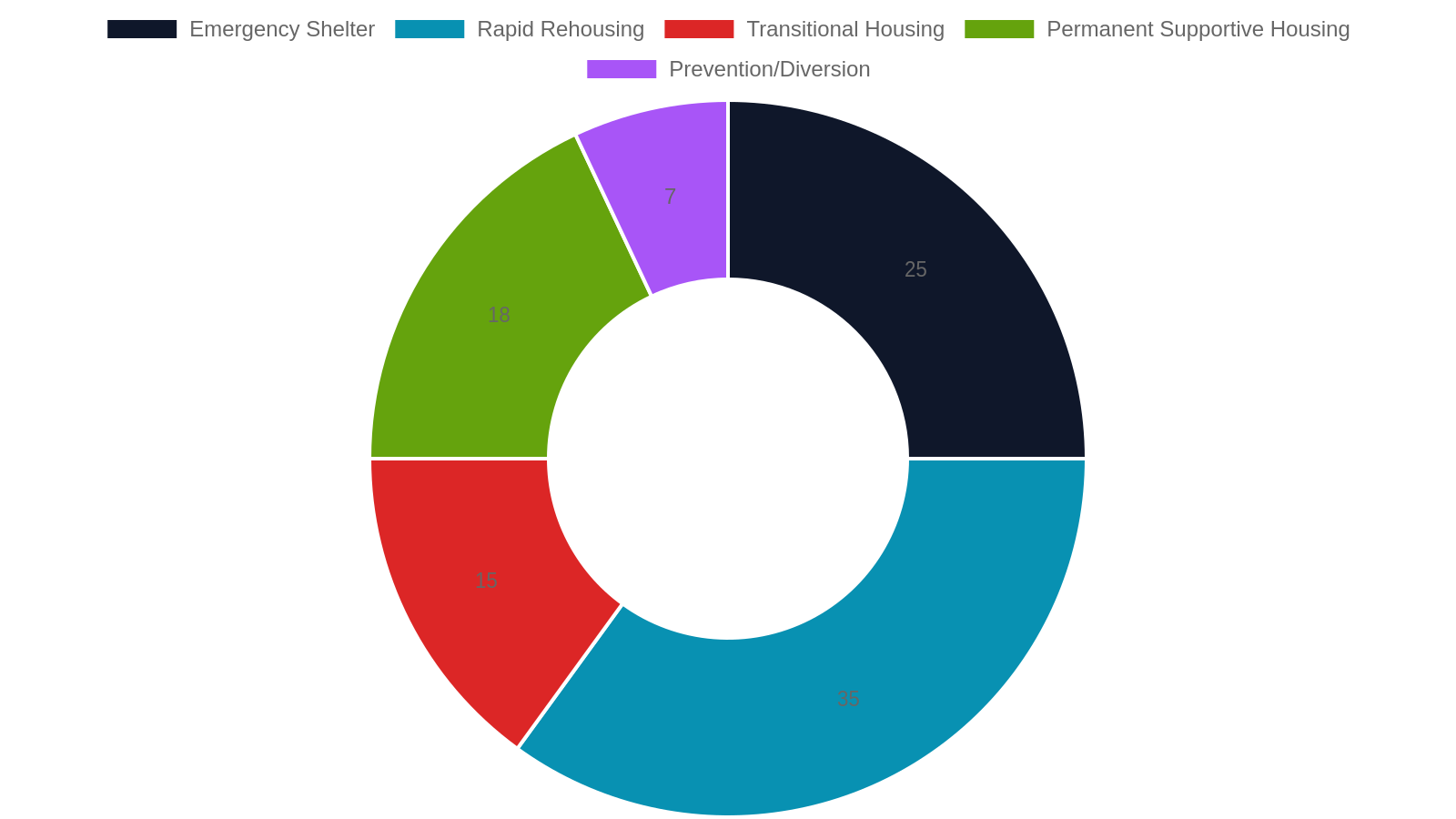
Skeptics sometimes ask: does youth advisory board input actually change anything measurable, or is it just feel-good participation? The honest answer, backed by national data and YAAB Tennessee’s own experience, is that it changes outcomes — when the board has real power, not just a symbolic role.
What the Research Shows
The case for lived-experience advisory boards isn’t just philosophical — it’s backed by a growing body of evidence. Key findings from national research include:
- A 2021 report by the True Colors United and Chapin Hall found that programs co-designed with youth input had 23% higher engagement rates among transition-age youth than programs designed without youth input.
- The National Alliance to End Homelessness (NAEH) has documented that Coordinated Entry Systems redesigned with youth advisory input showed improved diversion rates and faster housing placements for TAY.
- HUD’s own evaluation of Youth Homelessness Demonstration Program (YHDP) communities — which required robust youth advisory boards — found measurable reductions in youth homelessness in participating communities within 2–3 years.
Why It Works: The Insider Knowledge Advantage
The mechanism behind these outcomes isn’t mysterious. Young people who have lived through housing instability know things that no consultant, researcher, or well-meaning administrator can fully know from the outside:
- Which shelter rules cause youth to leave before getting connected to longer-term help
- Which neighborhoods are actually safe for LGBTQ+ youth versus which are dangerous despite appearing on a resource list
- What language in intake forms feels shaming or confusing and causes youth to disengage
- Which case managers are trusted in the community and which are not
This insider knowledge, when embedded in program design and policy decisions, produces programs that youth actually use — which is the only kind of program that works.
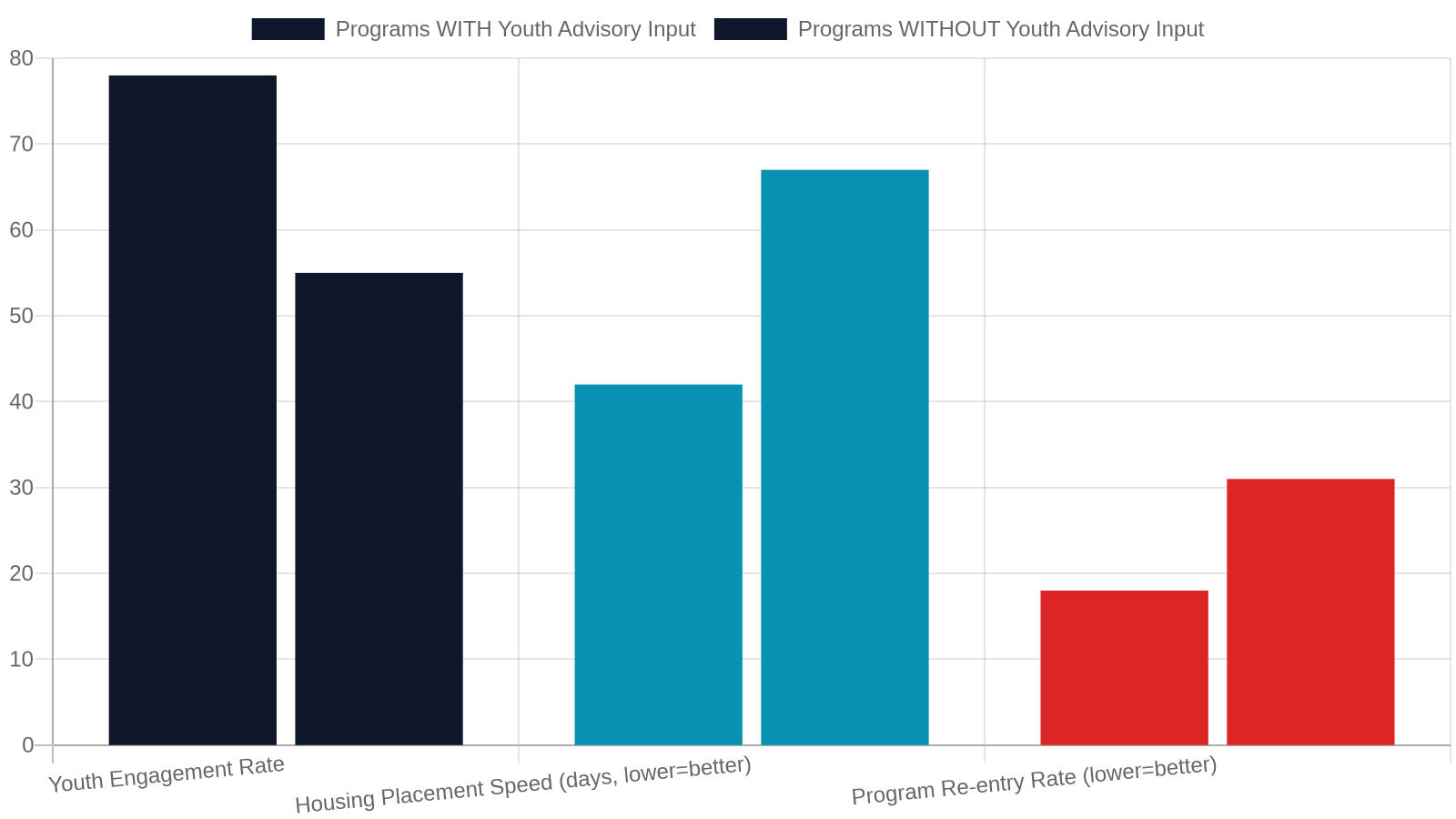
Housing Program Types for Transition-Age Youth: A Side-by-Side Comparison
Not all housing programs work the same way or serve the same needs. Here's how the main program types available to youth ages 17–25 in Tennessee compare across key factors.
8. Barriers Youth Face in Northeast Tennessee — and How YAAB Addresses Them

No honest conversation about youth housing in Northeast Tennessee can skip the barriers. The region’s rural character, limited infrastructure, and small-community dynamics create obstacles that urban-focused program designs routinely miss. YAAB members don’t just document these barriers — they actively work to dismantle them from inside the system.
Rural-Specific Challenges
Northeast Tennessee’s geography creates barriers that don’t exist in the same way in Memphis or Nashville. Young adults in Carter County, Unicoi County, or rural Sullivan County may face:
- No public transportation: Missing an appointment because you have no car and no bus route is a common reason youth fall through the cracks of service systems.
- Limited broadband access: Online applications, virtual case management appointments, and digital resource navigation assume internet access that many rural youth don’t have reliably.
- Stigma in small communities: In tight-knit rural communities, seeking help for homelessness can feel more stigmatizing than in an anonymous urban environment, causing youth to delay accessing services.
- Fewer specialized providers: LGBTQ+-affirming shelters, trauma-informed youth programs, and culturally specific services are rarer in rural Northeast Tennessee than in urban areas.
How YAAB Pushes Back on These Barriers
YAAB members from Northeast Tennessee bring these specific rural realities into statewide and regional planning conversations. Concrete advocacy wins have included:
- Pushing CoC funders to require that rapid rehousing programs accept virtual check-ins for youth without reliable transportation
- Advocating for mobile outreach funding so service providers can reach youth in rural counties rather than requiring youth to travel to urban service centers
- Recommending that intake assessments be available via text-based platforms, not just web forms, to accommodate limited broadband
- Raising awareness among providers about the specific needs of LGBTQ+ youth in rural communities, where family rejection is a leading driver of youth homelessness
9. Aging Out of Foster Care in Northeast Tennessee: A Closer Look

Among the young adults most likely to experience homelessness in Northeast Tennessee are those aging out of the foster care system. Understanding this pipeline — and how YAAB works to disrupt it — is essential to understanding why lived-experience advisory boards matter so much in this region.
The Numbers Behind the Crisis
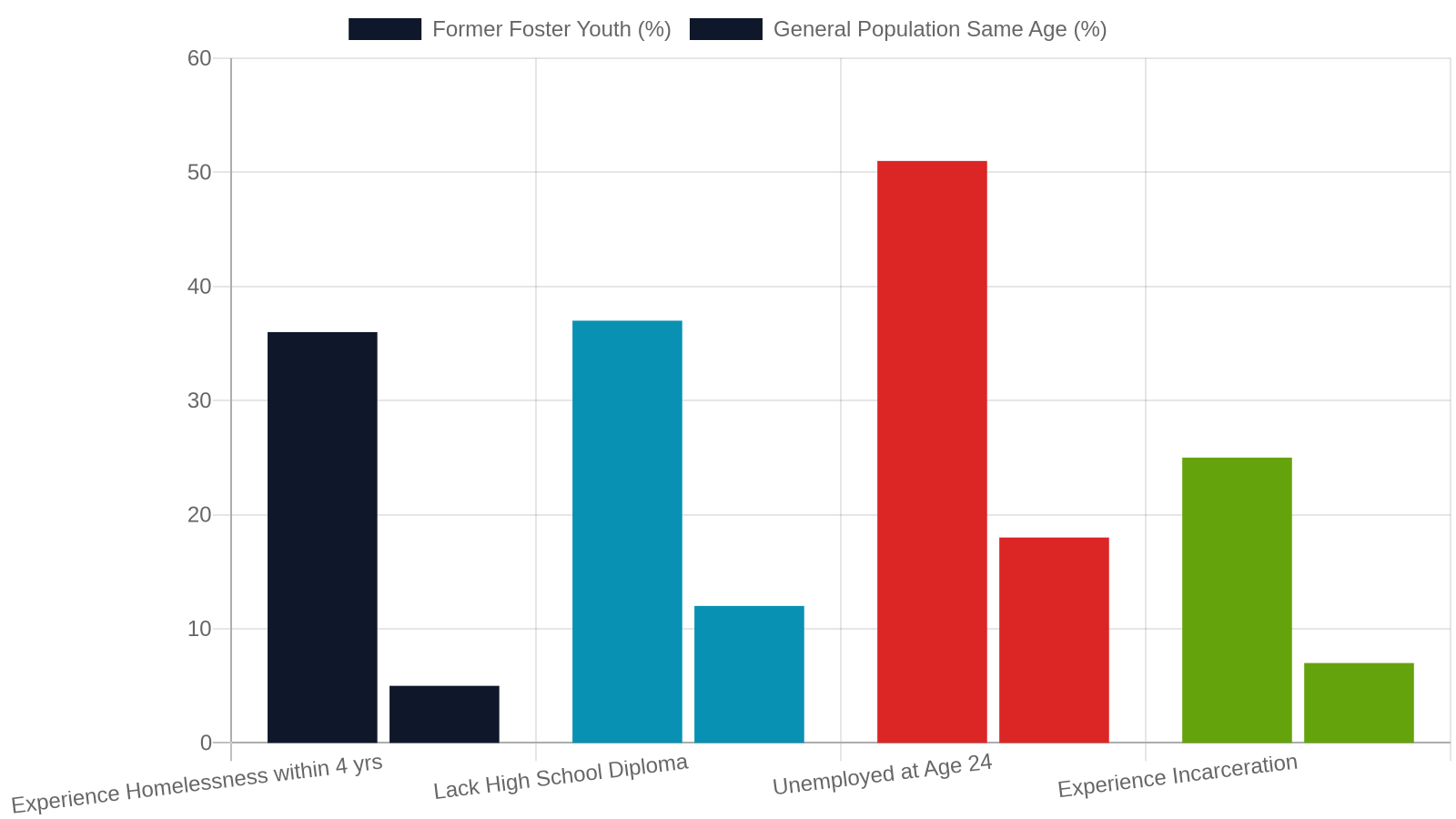
Each year in Tennessee, approximately 800 to 900 young people age out of the foster care system — meaning they turn 18 (or up to 21 with extended foster care) and lose the legal protections and support structures of the child welfare system. Nationally, research consistently shows that:
- Within 2–4 years of aging out, 36% of former foster youth experience homelessness (National Foster Youth Institute)
- Former foster youth are 3 times more likely to experience homelessness than their non-foster-care peers
- In rural regions, former foster youth often have smaller support networks and fewer connections to independent living programs
Northeast Tennessee’s foster care alumni face these same odds — often without the urban safety net of large shelter systems or specialized youth programs.
What Supports Exist and What's Still Missing
Tennessee has made some investments in supporting youth aging out of foster care:
- Tennessee’s Extended Foster Care (EFC): Allows youth to remain in care until age 21 if they meet certain conditions (enrolled in school, employed, or have a disability). This is a critical tool — but many youth don’t know it exists or aren’t connected to it.
- Independent Living Programs: Tennessee’s Department of Children’s Services (DCS) funds independent living services including life skills training, housing assistance, and education support for youth ages 14–21.
- Chafee Education and Training Vouchers (ETV): Up to $5,000 per year for post-secondary education for current and former foster youth up to age 26.
What’s still missing in Northeast Tennessee: dedicated transitional housing specifically for foster care alumni, peer mentorship programs run by people who’ve aged out themselves, and systematic outreach to youth who disengage from DCS before their 21st birthday.
10. LGBTQ+ Youth and Housing Instability in Northeast Tennessee

Any honest conversation about youth homelessness in Northeast Tennessee has to address LGBTQ+ young people — because the data is clear that they are disproportionately affected, and because rural regions present specific challenges that YAAB members are uniquely positioned to address.
Why LGBTQ+ Youth Are Overrepresented
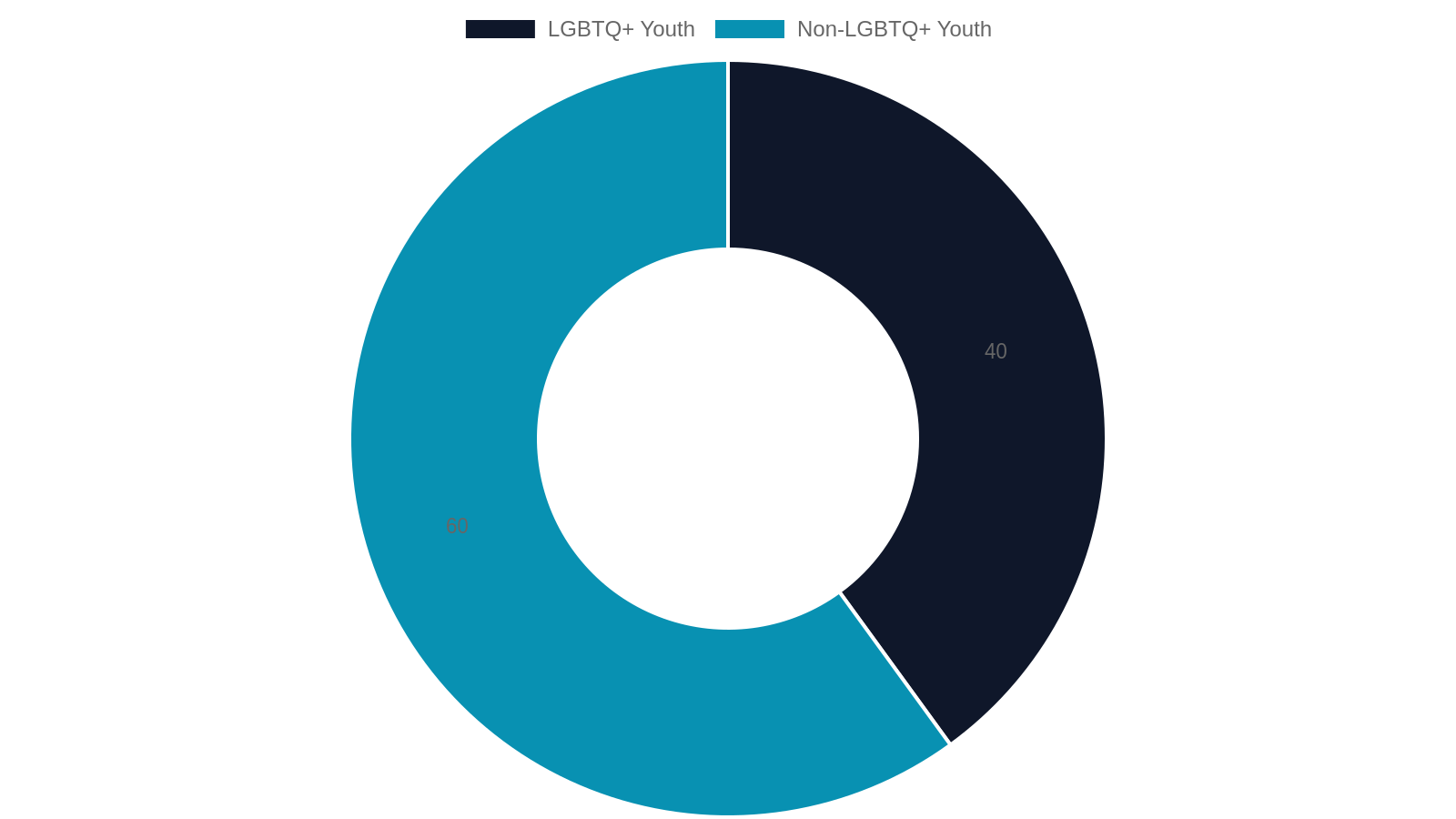
Nationally, LGBTQ+ youth make up an estimated 40% of the youth homeless population despite being approximately 7–10% of all youth — a staggering disproportion driven primarily by family rejection. In rural and conservative-leaning regions like Northeast Tennessee, family rejection rates for LGBTQ+ youth can be higher than national averages, and the social support networks that might buffer that rejection (affirming community spaces, LGBTQ+ centers, peer groups) are thinner on the ground.
YAAB Tennessee explicitly centers LGBTQ+ inclusion in its work. Youth advisory boards provide a space where LGBTQ+ young people can advocate for shelter non-discrimination policies, affirming intake practices, and staff training — changes that directly reduce barriers to housing for the most overrepresented group in youth homelessness.
Practical Advocacy Wins for LGBTQ+ Youth
YAAB members across Tennessee have pushed for — and in some cases achieved — the following changes in housing programs:
- Shelter policies that allow youth to room according to gender identity rather than sex assigned at birth
- Intake forms that include non-binary gender options and chosen name fields
- Staff training on trauma-informed, affirming practices for LGBTQ+ youth
- Referral networks that identify which local providers are genuinely affirming (not just technically non-discriminatory)
In Northeast Tennessee, where LGBTQ+-specific services are limited, these systemic changes inside mainstream programs are especially important. A shelter that is actively affirming can be a lifeline for a 17-year-old in Johnson City who has nowhere else to go.
11. How to Get Involved With YAAB in Northeast Tennessee

Reading about what YAAB does is one thing. Joining is another — and if you’re between 17 and 25 with lived experience of housing instability anywhere in Northeast Tennessee, joining is exactly what this section is about. Here’s what you need to know to take the next step.
Who Can Join and What to Expect
If you are between 17 and 25 years old and have personal experience with homelessness or housing instability — including couch-surfing, staying in a shelter, sleeping in a car, or living somewhere unsafe — you are exactly who YAAB is looking for. You don’t need a resume, a college degree, or any prior advocacy experience. You need your story, your perspective, and your willingness to show up.
What membership looks like:
- Regular meetings (in-person and/or virtual) with your regional YAAB chapter
- Training and leadership development in housing policy, public speaking, and systems advocacy
- Stipends and compensation for your time — because your expertise has value
- A community of peers who get it, because they’ve been there too
- Real influence over programs and policies that affect young people across Tennessee
Your Next Step
Getting connected is straightforward. The Northeast Tennessee YAAB chapter is part of the broader statewide network — and the best place to start is by reaching out directly. You can learn more about the Northeast Tennessee YAAB chapter and connect with your regional board to find out about upcoming meetings, how to apply for membership, and what current projects are underway in your area.
Not sure if Northeast Tennessee is your region? You can also explore all of YAAB Tennessee’s regional chapters to find the one that serves your county. And if you want to understand the bigger picture of what YAAB is working toward statewide, the YAAB Tennessee advocacy page lays out current priorities and campaigns.
The door is open. Your lived experience is not a liability — it’s the qualification that matters most in this work.
Frequently Asked Questions
What is a Youth Action Board and how is it different from a regular advisory committee?
A Youth Action Board (YAAB) is a formal body of young adults ages 17 to 25 with lived experience of homelessness or housing instability who hold real advisory and advocacy roles within the Continuum of Care system. Unlike a typical advisory committee, YAAB members are compensated for their time, embedded in actual funding and policy decisions, and recruited specifically because of their firsthand experience — not despite it.
How do I find housing help as a young adult in Northeast Tennessee?
Start by calling 211 (dial 2-1-1 from any phone), Tennessee's statewide resource hotline, which can connect you to emergency shelter, rapid rehousing programs, and other services in your area. You can also reach out to the Northeast Tennessee YAAB chapter, whose members can help you navigate local options and connect you to the Coordinated Entry System.
Can I join YAAB if I'm currently experiencing homelessness?
Yes. YAAB is designed for young adults with current or recent lived experience of homelessness or housing instability. You do not need to be stably housed to participate. YAAB provides stipends, training, and peer support — and getting involved can itself be a stabilizing experience.
What happens to youth in Tennessee when they age out of foster care?
When young people age out of Tennessee's foster care system (typically at 18, or up to 21 with Extended Foster Care), they lose the legal protections and support structures of the child welfare system. Nationally, about 36% of former foster youth experience homelessness within four years of aging out. Tennessee offers Extended Foster Care, Independent Living Programs, and Chafee Education and Training Vouchers to help, but gaps remain — especially in rural regions like Northeast Tennessee.
Why are LGBTQ+ youth overrepresented in youth homelessness statistics?
LGBTQ+ youth make up an estimated 40% of the youth homeless population nationally, driven primarily by family rejection after coming out. In rural regions like Northeast Tennessee, where affirming support networks may be smaller, the risk is especially acute. YAAB Tennessee advocates for shelter non-discrimination policies, affirming intake practices, and staff training to reduce barriers for LGBTQ+ youth.
What is the Continuum of Care and why does it matter for young adults?
The Continuum of Care (CoC) is the regional planning and funding structure through which HUD distributes federal homeless assistance dollars. CoC decisions determine which housing programs get funded, what eligibility rules apply, and how services are coordinated. For young adults ages 17–25, CoC policies directly affect whether they can access emergency shelter, rapid rehousing, or transitional housing — which is why having youth with lived experience in CoC governance is so important.